Understanding The Anatomy Of Modern Workwear
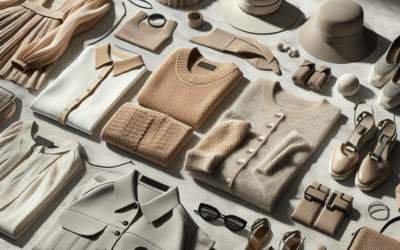
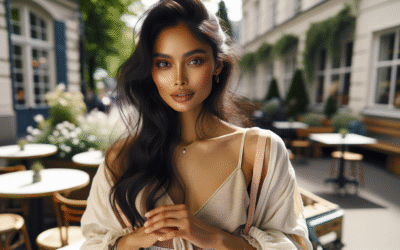
Modern workwear embraces both function and fashion. It’s not just about looking the part but feeling comfortable and confident throughout your busy day. Fabrics that breathe, cuts that move with you, and subtle style updates make all the difference.
Contemporary workwear has evolved beyond stiff suits and rigid formalwear into a versatile wardrobe that reflects personal style while respecting professional settings. Materials like soft wool blends, high-quality cotton, and innovative stretch fabrics add a layer of comfort that’s essential for long hours.
Choosing pieces with thoughtful tailoring ensures a flattering silhouette that doesn’t sacrifice ease of movement. For example, a well-cut blazer with slight stretch allows for extended wear without tightness or discomfort.
Understanding fabric properties can also help. Wool and cotton are classic but blends with modal or elastane bring breathability and flexibility. The Textile Exchange offers insightful resources on sustainable fabrics that simultaneously combine comfort and longevity, which adds an extra dimension to thoughtful dressing. Learn more about fabric choices at Textile Exchange.
Core Pieces: Building The Foundation
Start with reliable wardrobe staples that form the backbone of your daily dressing. Think of these as your go-to workwear “formulas.”
A tailored blazer is timeless, preferably in a neutral tone like navy, black, or soft gray. Pairing it with well-fitting trousers or a pencil skirt creates a polished frame.
Opt for blouses or shirts in smooth cotton or silk blends that feel gentle on the skin and keep you cool. Button-down shirts with subtle details or classic neutrals integrate seamlessly across seasons.
For footwear, loafers, low block heels, or elegant flats blend professionalism with comfort and support.
Looking for fresh takes on core workwear? Moopsi’s tailored trousers collection offers a range of styles and fits that strike the perfect balance for everyday professionalism. Explore the options for a smart foundation.
Mix-and-Match Outfit Formulas For Seamless Style
Once you have your core pieces, it’s about combining them for fuss-free style without repetitive looks.
Start with the classic “Blazer + Blouse + Tailored Trouser” combination. This formula suits almost any office environment and looks equally sharp with a sleek leather belt and minimalist accessories.
Try swapping trousers for a midi-length skirt for an effortlessly feminine silhouette. A softly draped blouse under a structured jacket can soften sometimes rigid tailoring, offering balance in fit and fabric feel.
Alternatively, the “Sweater + Shirt + Culottes” look blends cozy textures with sharp cuts, perfect for cooler days or a casual-casual office vibe. This formula is easy to layer while maintaining a professional edge.
For inspiration on layering and elevated staples, reputable fashion outlets like Vogue often highlight the subtle art of combining texture and silhouette in smart dressing. Check out Vogue’s latest insights on workwear layering.
Fabric Feel And Comfort: The Often Overlooked Details
Choosing the right fabric is about more than appearance; it’s about wearability from morning meetings to after-hours.
Breathability and stretch impact how natural your movements feel when seated or walking. For instance, jersey blends and ponte knits provide gentle stretch while maintaining structured looks.
Weight is a subtle yet important factor—fabric that’s too heavy might feel restrictive, while something too light may wrinkle quickly. Medium-weight fabrics with a soft hand strike the ideal balance.
Functional details like moisture-wicking and wrinkle resistance enhance comfort without compromising style — features worth seeking out in modern workwear wardrobes.
For deeper insights into fabric technology and sustainable innovation, the Sustainable Apparel Coalition offers valuable research that can guide smarter textile choices for your wardrobe.
Seasonal Adjustments Without Overhauling Your Wardrobe
Instead of buying entirely new workwear for each season, subtle tweaks can refresh your look while preserving investment pieces.
In warmer months, lightweight blouses and open-toe shoes maintain breathability and freshness. Light layering with thin cardigans or soft blazers gives you control over fluctuating indoor and outdoor temperatures.
During colder months, try incorporating knit tops, thicker wool trousers, or layering shirts under sleeveless dresses. Cotton-lined tights and leather ankle boots also add cozy polish without bulk.
Knowing how to mix textures—like soft wool with crisp cotton—keeps your wardrobe feeling current and tactile without demanding heavy shopping seasons.
Moopsi’s seasonal blogs offer ongoing tips tailor-made for versatile daily wear at work.
Accessories That Elevate Without Overpowering
Accessories are the finishing touches that enhance without detracting from outfit cohesion. Select jewelry pieces with clean lines or subtle details to maintain a professional look.
A quality leather tote or slim crossbody keeps essentials close while adding texture contrast. Belts with minimalist buckles frame your waist elegantly over dresses or trousers.
Scarves in lightweight silk or fine knits can highlight a neckline or add soft color shading, improving outfit dimension without bulk.
Footwear deserves careful consideration—opt for shoes with cushioning and supportive soles. Brands prioritizing ergonomic design help minimize fatigue while maintaining style.
Putting It All Together: Example Outfits For Different Work Contexts
Practical formulas can simplify daily dressing, whether you’re facing boardroom presentations or creative brainstorming sessions.
Executive Meetings: A structured blazer with a silk blouse and tailored trousers creates authority. Pair with polished loafers and a classic watch for a composed finish.
Creative Offices: A statement knit sweater over a crisp shirt tucked into culottes delivers comfort and style. Add bold earrings and ankle boots to express personality.
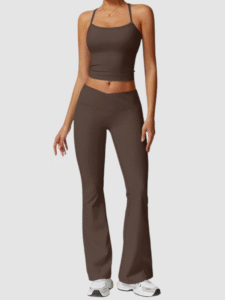
Remote Work Settings: Soft jersey tops with stretch pants balance ease and presentation for video calls. Layer with a blazer or cardigan to stay polished when needed.
Each outfit combines form, function, and feeling—hallmarks of successful modern workwear. Adjusting details like fabric weight and accessories keeps these looks relevant and comfortable through changing demands.
Care And Longevity: How To Keep Your Workwear Looking Fresh
Maintaining your wardrobe ensures your investment in quality pays off—both in appearance and durability.
Follow garment care instructions closely, and consider hand washing delicate blouses while scheduling regular dry cleaning for structured pieces like blazers.
Proper storage—using shaped hangers and breathable garment bags—helps preserve fabric integrity and prevents wrinkles.
Rotating your outfits and giving items rest between wears extends fabric life. Address minor repairs early to avoid bigger issues later on.
Frequently Asked Questions About Modern Workwear
What fabrics work best for all-day comfort in workwear?
Natural fibers like cotton and wool blends combined with fabrics that include a bit of stretch offer the best all-day comfort. Look for materials that breathe and move with your body.
How can I add personal style to a conservative dress code?
Incorporate subtle details such as colored linings, textured fabrics, or minimal accessories to express personality without breaking dress code rules.
Are there alternatives to traditional suits that still look professional?
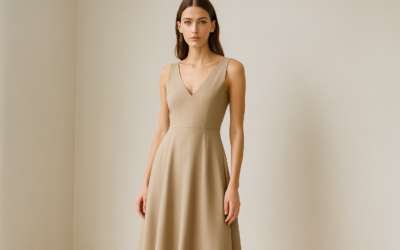
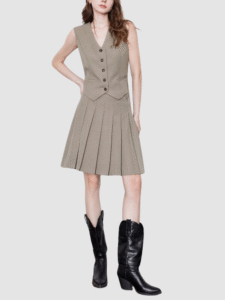
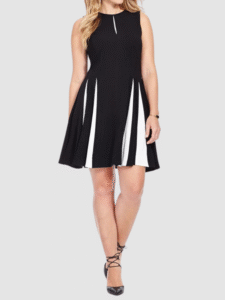
Yes, items like coordinated separates, tailored dresses with clean lines, and knit blazers can substitute traditional suits while maintaining professionalism.
How important is fit in workwear?
Fit is crucial for both comfort and appearance. Well-fitted clothing looks polished and allows for easier movement, reducing discomfort throughout the day.
What footwear styles balance style and comfort?
Loafers, block heels, and well-cushioned flats typically provide a good balance, supporting foot health while complementing workwear looks.
How can I dress for warm weather without sacrificing professionalism?
Choose breathable fabrics like lightweight cotton or linen blends, opt for lighter colors, and consider sleeveless layers paired with blazers for meetings.
Is it acceptable to wear casual pieces like jeans to work?
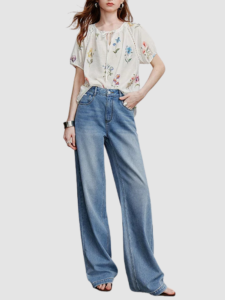
This depends on your workplace culture. In creative or casual settings, dark denim styled with structured tops can work, but always consider your specific office’s policies.
Can I mix patterns in my work outfits?
Mixing patterns is possible when done thoughtfully. Stick to similar color palettes and balance statement pieces with more subdued ones.
What are good layering options for unpredictable office temperatures?
Light blazers, cardigans, or thin vests made from breathable fabrics provide flexible warmth without bulk.
How often should I update my work wardrobe?
A gradual refresh every season or two is enough for most people. Prioritize replacing worn-out items and adding key versatile pieces over frequent shopping.
What role do accessories play in workwear?
Accessories add personality and polish to outfits. Choosing minimal, classic designs keeps looks professional and refined.
Are sustainable fabrics practical for workwear?
Yes, many sustainable fabrics are durable and comfortable. They often feature innovative properties like wrinkle resistance and antimicrobial finishes.
How can I ensure my workwear is ethically sourced?
Look for certifications and transparent brand practices. Organizations like the Sustainable Apparel Coalition provide guidelines to help navigate ethical options.
Disclaimer
This article provides general information about modern women’s workwear and styling considerations intended to enhance comfort and confidence at work. Individual preferences, workplace dress codes, and fabric responses may vary. Readers should consider their unique needs and consult specific garment care instructions when applying these guidelines.
Categories
- Activewear (160)
- Athletic Jackets (12)
- Comfortable Leggings (14)
- Cozy Joggers (15)
- Functional Sports Shorts (20)
- Stylish Tank Tops (20)
- Supportive Sports Bras (20)
- Yoga Pants (20)
- Yoga Tops (18)
- Bottoms (43)
- Classic Capris (4)
- Comfortable Leggings (4)
- Fashion Shorts (3)
- Skirts (12)
- Stylish Jeans (4)
- Stylish Overalls (4)
- Tailored Trousers (4)
- Unique Jumpsuits (4)
- Curved Fashion (73)
- Dresses (148)
- Boho Dresses (6)
- Casual Dresses (5)
- Cocktail Dresses (4)
- Evening Dresses (10)
- Floral Dresses (15)
- Little Black Dresses (6)
- Maxi Dresses (5)
- Midi Dresses (5)
- Plus-Size Dresses (5)
- Summer Dresses (5)
- Fashion Trends (82)
- Luxury & Designer Archive (94)
- Outfit Inspiration (73)
- Style Guides (67)
- Sustainable Fashion (66)
- Swimwear (122)
- Chic Cover-Ups (6)
- Maternity Swimwear (4)
- One-Piece Swimsuits (5)
- Plus-Size Swimwear (3)
- Stylish Bikinis (7)
- Swim Dresses (6)
- Swim Skirts (7)
- Trendy Tankinis (6)
- Tops (61)
- Button-Down Shirts (4)
- Casual T-Shirts (10)
- Comfortable Hoodies (6)
- Cozy Sweaters (5)
- Elegant Tunics (8)
- Feminine Blouses (8)
- Off-Shoulder Tops (5)
- Stylish Tank Tops (4)
- Trendy Crop Tops (6)
- Travel & Lifestyle Fashion (67)
- Trend Reports Archive (88)
- Workwear & Professional (72)