
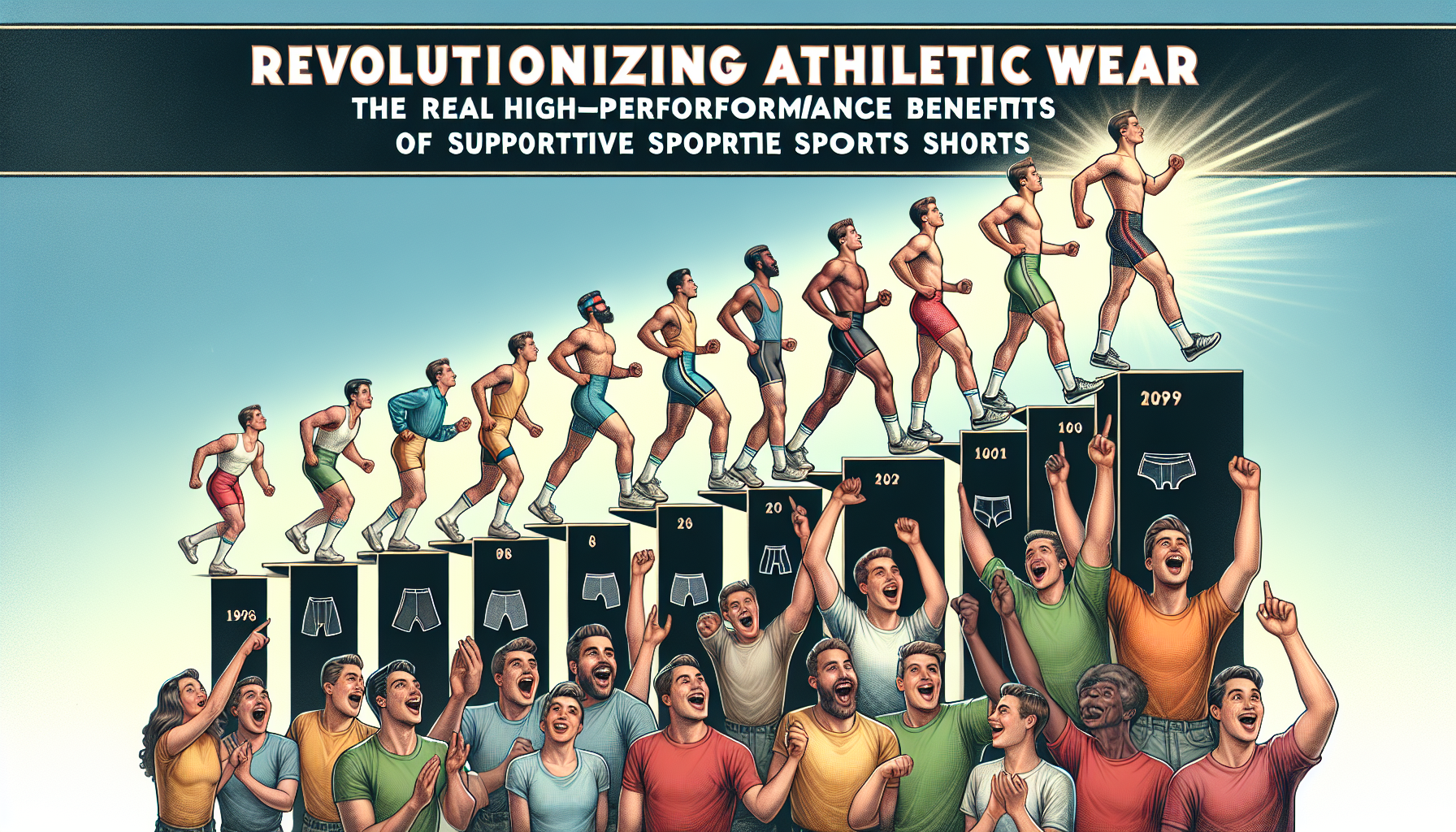
Revolutionizing Athletic Wear: The Real High-Performance Benefits of Supportive Sports Shorts
Why Sports Shorts Matter More Than You Think
Ever noticed how a tiny tweak in your kit can sometimes make or break your workout? Sports shorts—yeah, those often underrated runners or gym-goers essential—might just be that game-changer. You’d think, “Shorts are shorts,” right? But honestly, they’re way more than just a piece of fabric to cover your legs. They play a pivotal role in how you perform, recover, and even how confident you feel during your sweat sessions.
Explore Functional Sports Shorts
Think about the last time you tried running in loose, baggy shorts that kept riding up, or worse, felt like they were restricting your every move. Frustrating, isn’t it? That’s because the right pair of shorts can reduce muscle fatigue, support key muscle groups, and even help prevent injuries by holding your legs in just the right way. They’re the unsung heroes quietly supporting the marathon runner, the weightlifter, or the weekend warrior.
Supportive Shorts—What’s the Big Deal?
Supportive sports shorts are designed with a purpose—yet, this purpose often flies under the radar. What sets them apart? It’s all about how they fit and feel while you’re pushing your limits. Let me explain: unlike regular shorts, these babies often have built-in compression zones that mimic your muscle layout. This doesn’t just look cool; it helps increase blood circulation and muscle oxygenation.
And you might be wondering, does that really make a difference? Oh, it does. By supporting muscles right where they’re taxed the most, supportive shorts can reduce muscle vibrations that cause fatigue and soreness. Imagine slapping a gentle brace over your thighs that works around the clock while you sprint or bend—that’s the kind of containment at work here.
Fabric Tech: It’s Not Just Polyester Anymore
Remember when sportswear meant drowning in sweaty, itchy fabric? Thankfully, that era’s behind us. The science behind athletic textiles has evolved beyond wild imagination. Modern sports shorts use blends of breathable, moisture-wicking materials that feel like a second skin.
One of the game-changers here is often a mix of nylon and spandex—or elastane if you want the fancy name. This combo offers four-way stretch and incredible durability. Oh, and did I mention the anti-microbial treatments many brands infuse now? That basically fights odor, meaning you stay fresher even through those grueling early morning runs or late-night gym sessions.
Here’s a fun tidbit: some cutting-edge shorts incorporate cool-down fabrics that actively help you regulate your temp, just like nature’s own thermostat. A favorite among athletes who train outdoors or in fluctuating climates. The interplay of fabric tech and design truly makes the difference.
Comfort Meets Function: It’s Not Just About Looks
We’ve all been guilty of buying gear because of how it looks, right? But supportive sports shorts bring a harmony between style and function that’s tough to beat. That snug, secure fit doesn’t just prevent chafing—it boosts confidence. Because when you feel good in your kit, it shows, and it pushes you to dig deeper.
Design details like wide waistbands, flatlock seams, and strategic padding aren’t just fancy add-ons. They prevent distracting discomfort and skin irritation. You know what can really grind your gears during a workout? That annoying rub right in the thighs or around the waistband. Supportive shorts tackle that head-on with smart seam placement and fabric that moves naturally with your body.
Performance Boosters You Didn’t Even Know You Needed
Let’s unpack some of the silent benefits that often go unnoticed. Supportive sports shorts often come with features like targeted compression that:
- Enhance proprioception—the fancy term for your body’s awareness in space (super handy when you’re doing agile moves)
- Accelerate muscle recovery by reducing lactic acid buildup (yes, less sore legs after leg day)
- Offer ligament and joint stabilization that can lower injury risk over time
It’s like having a mini coach on your skin, constantly whispering, “You’ve got this.” And with the rise of smart clothing, some brands are integrating sensors to track your movement and muscle tension, feeding data back so you can tweak your training smarter. Now, isn’t that something worth considering?
Who’s Wearing Them? Spoiler: Everyone
You might picture supportive shorts as the secret weapon of elite athletes only—but nope, they’re slipping into the wardrobes of casual runners, hikers, CrossFitters, and even desk jockeys who want comfy support during long hours sitting. Shift workers, cyclists, or anyone who spends a chunk of their day on their feet are waking up to these benefits, too.
That’s kind of inspiring, isn’t it? The line between athletic performance and everyday comfort has blurred—and we get to bask in the perks. From reducing swelling on those long flight days to cutting down muscle aches post-gym, supportive sports shorts wear many hats.
Picking Your Perfect Pair—A Little Guide
With so many options out there, how do you zero in on the one that clicks with your rhythm? Here’s the scoop:
- Fit is king: Neither too tight nor too loose. You want a pair that hugs but breathes.
- Fabric matters: Look for moisture-wicking, breathable, and quick-drying materials.
- Compression zones: Check if they target key muscle groups relevant to your sport or activity.
- Length: Shorter for sprints, longer for cycling or hiking to prevent chafing.
- Quality stitching: Flatlock seams for smooth, irritation-free wear.
Oh, and don’t shy away from vintage-inspired cuts making a comeback. Some designs mix retro flare with modern tech, delivering both flair and function.
A Word on Care: Because Athletic Wear Deserves Love Too
Here’s the thing — your shorts won’t stay in tip-top shape if you toss them carelessly after each sweat session. Proper care extends the life and performance of your supportive sports shorts. Washing inside out with cold water keeps the fabric’s elasticity alive, and skipping the dryer slows down wear and tear. Plus, avoiding fabric softeners preserves moisture-wicking properties.
Little gestures like these can keep that fresh fit feeling and vibrant color. And honestly, it’s satisfying to pull on favorite gear that fits like a dream after countless workouts — like an old friend greeting you.
What the Experts Say
Don’t just take my word for it! Sports scientists and physiotherapists often recommend supportive shorts for athletes recovering from muscle injuries or suffering from recurring cramps. According to research shared by the American College of Sports Medicine, compression wear can aid performance and quicken recovery, especially after intense bouts of physical exertion.
Similarly, physiotherapists highlight how targeted compression improves circulation, helping flush out metabolic waste faster. Curious? Find more info through credible resources like American College of Sports Medicine or Physio-Pedia.
Wrapping It Up—Why Supportive Sports Shorts Are Worth the Hype
If you’re still on the fence, just think about comfort you forget you’re wearing; performance benefits that quietly stack up; and versatility to suit the casual jogger or pro athlete alike. Supportive sports shorts have carved a niche beyond simple apparel — they’re allies in your pursuit of fitness and well-being.
So next time you’re prepping your gym bag or packing for a trail run, maybe give your shorts a second thought. Because, after all, it’s the little things that often make the biggest difference—and this is definitely one of ’em.
FAQs About Supportive Sports Shorts
Supportive sports shorts have built-in compression zones designed to fit closely to your muscles, boosting blood flow and reducing fatigue. Unlike loose shorts, they stabilize muscles and tendons, which can help improve performance and lower injury risk.
Yes! By compressing key muscle groups, they reduce muscle vibration and help speed up the removal of lactic acid post-exercise, which in turn cuts down soreness and promotes faster recovery.
Absolutely, though the design may vary. For example, shorter compression shorts are popular with runners, while longer ones with padding suit cyclists or hikers. Choosing the right style depends on your activity and comfort preferences.
Wash them inside out with cold water, avoid fabric softeners, and air dry whenever possible. This preserves their elastic fibers and moisture-wicking treatment, keeping them effective and comfy for longer.
No gear offers a foolproof injury shield. However, supportive shorts significantly lower the risk of muscle strains and soreness by stabilizing muscles during activity, which is a vital piece of your injury prevention puzzle alongside proper training and warm-up.
Definitely. People with physically demanding jobs, long periods of standing, or even those recovering from minor leg injuries can find them comfortable and helpful for reducing fatigue and swelling.
const acc = document.getElementsByClassName(“accordion”);
for (let i = 0; i < acc.length; i++) {
acc[i].addEventListener(“click”, function() {
this.classList.toggle(“active”);
const panel = this.nextElementSibling;
if (panel.style.display === “block”) {
panel.style.display = “none”;
} else {
panel.style.display = “block”;
}
});
}
Disclaimer
This article is intended for general informational purposes only and does not substitute professional medical advice. Always consult a healthcare professional before making significant changes to your exercise routine or athletic wear, especially if you have pre-existing conditions or injuries.
Categories
- Activewear (160)
- Athletic Jackets (12)
- Comfortable Leggings (14)
- Cozy Joggers (15)
- Functional Sports Shorts (20)
- Stylish Tank Tops (20)
- Supportive Sports Bras (20)
- Yoga Pants (20)
- Yoga Tops (18)
- Bottoms (43)
- Classic Capris (4)
- Comfortable Leggings (4)
- Fashion Shorts (3)
- Skirts (12)
- Stylish Jeans (4)
- Stylish Overalls (4)
- Tailored Trousers (4)
- Unique Jumpsuits (4)
- Curved Fashion (73)
- Dresses (148)
- Boho Dresses (6)
- Casual Dresses (5)
- Cocktail Dresses (4)
- Evening Dresses (10)
- Floral Dresses (15)
- Little Black Dresses (6)
- Maxi Dresses (5)
- Midi Dresses (5)
- Plus-Size Dresses (5)
- Summer Dresses (5)
- Fashion Trends (82)
- Luxury & Designer Archive (94)
- Outfit Inspiration (73)
- Style Guides (67)
- Sustainable Fashion (66)
- Swimwear (122)
- Chic Cover-Ups (6)
- Maternity Swimwear (4)
- One-Piece Swimsuits (5)
- Plus-Size Swimwear (3)
- Stylish Bikinis (7)
- Swim Dresses (6)
- Swim Skirts (7)
- Trendy Tankinis (6)
- Tops (61)
- Button-Down Shirts (4)
- Casual T-Shirts (10)
- Comfortable Hoodies (6)
- Cozy Sweaters (5)
- Elegant Tunics (8)
- Feminine Blouses (8)
- Off-Shoulder Tops (5)
- Stylish Tank Tops (4)
- Trendy Crop Tops (6)
- Travel & Lifestyle Fashion (67)
- Trend Reports Archive (88)
- Workwear & Professional (72)