Why Organic Linen Has Earned Its Place in Fashion
Organic linen isn’t just a fleeting style; it’s a fabric with roots in conscious living and timeless wearability. Its rise is tied to a growing desire for natural fabrics that balance comfort, durability, and a fresh tactile experience. Unlike synthetic blends that can feel stiff or sticky, organic linen breathes and moves with you, cultivating a relaxed yet refined silhouette.
This textile’s subtle irregularities offer a unique texture that invites touch, while its cool, moisture-wicking properties make it ideal for all-day wear, especially when warmth starts to dip. Fashion insiders and sustainability advocates alike are drawn to linen’s minimal environmental impact, which has helped it become a cornerstone of enduring wardrobe staples. For an in-depth look at organic linen’s sustainability credentials, the Textile Exchange offers a thorough overview on sustainable fibers at
textileexchange.org.
Understanding the Fabric’s Comfort and Movement
Organic linen delivers more than just a pleasing aesthetic—it’s celebrated for how it feels on the skin and responds to movement. The natural fibers create a gentle texture that becomes softer with each wash rather than breaking down like many conventional materials. Imagine clothing that not only looks effortless but moves effortlessly, too, lending itself well to anything from breezy summer dresses to structured, minimal blazers.
Because organic linen is breathable and slightly textured, it offers a subtle resistance to clinginess, allowing air to circulate and temperature to regulate naturally. This makes linen particularly versatile for transitional seasons when layering is key. The ability to layer without bulk, pairing organic linen shirts under knitwear or over light camisoles, is one of its understated strengths. For fashion-forward ways to style linen across seasons, outlets like Vogue consistently explore its evolving role in women’s wardrobes.
Trend Details That Keep Organic Linen Relevant
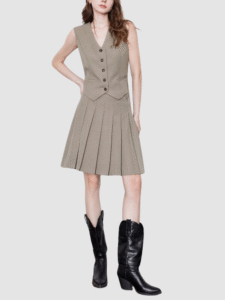
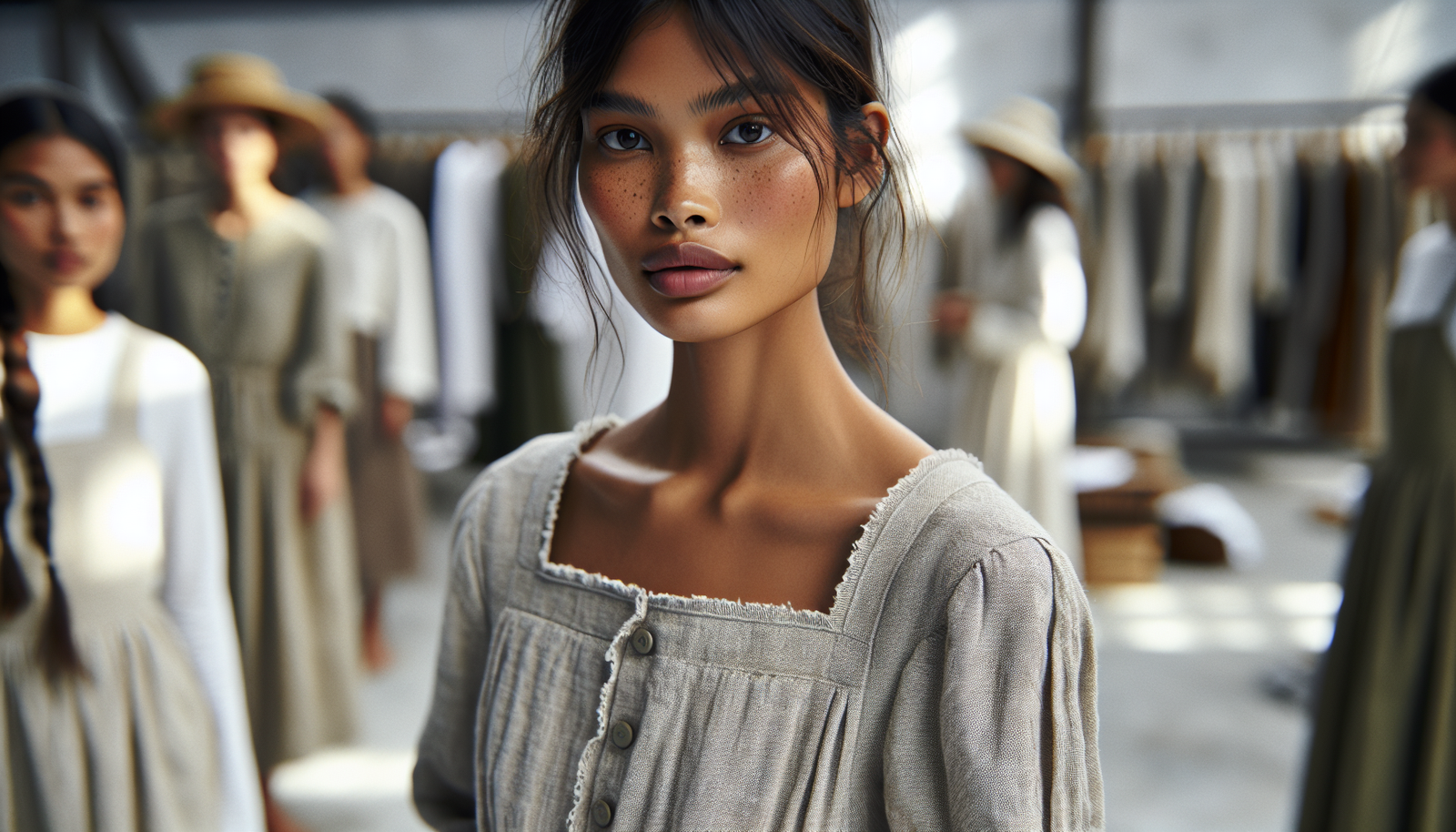
Subtlety is central to organic linen’s lasting trend status. Its natural weave pairs best with design elements that respect the fabric’s heritage—think muted palettes, relaxed cuts, and clean lines rather than loud patterns or heavy embellishments. Tailoring leans towards minimalism with an emphasis on ease, from high-waisted trousers to softly gathered skirts that encourage natural movement without stiffness.
Organic linen garments tend to showcase thoughtful details such as mother-of-pearl buttons, tonal stitching, or discreet pockets that don’t interrupt the grain of the fabric. These small touches emphasize quality and purpose over flashiness. Seasonal shifts bring in delicate layering with linen blends and accessories crafted in complementary natural fibers like hemp or organic cotton, reinforcing a warm, earthy feel.
Seasonal Adaptations for Year-Round Wear
While linen often shines in warmer months, organic linen’s ability to accommodate cooler weather is one reason it’s here to stay. In autumn and spring, it pairs beautifully with knitwear or lightweight jackets, enhancing texture contrasts in an outfit while maintaining breathability. Layering a long linen dress under a chunky knit or matching linen trousers with a cashmere sweater can create elegant, effortlessly cool combinations.
Color choices tend to move toward warmer neutrals and earthy tones as the seasons shift, but organic linen’s classic whites, beiges, and muted blues always have a role. Adding subtle seasonal accessories like leather belts, woven bags, or linen scarves carries the fabric’s natural story forward. This flexibility has been part of the fabric’s deeper fashion relevance, reinforcing its place beyond seasonal fads.
Fit and Silhouette: Celebrating Effortless Shapes
Organic linen encourages cuts that accommodate movement without clinging, embracing ease and understated elegance. Relaxed and roomy fits dominate, from soft balloon sleeves to wide-legged pants that flow as you walk. The fabric breathes naturally, so pieces designed with looser silhouettes don’t overwhelm but rather frame the body gently.
One of linen’s strengths is how it adapts: subtle creases and natural texture add personality, so a garment that feels lived-in becomes its own statement. Designers are moving away from restrictive tailoring toward shapes that highlight comfort yet still keep a modern edge. The interplay between structure and fluidity invites layering and thoughtful combinations, a hallmark of a wardrobe driven by function and style.
Color Palettes That Complement Organic Linen’s Natural Vibe
Muted tones and earth-inspired hues bring out the best in organic linen. Soft cream, sandy beige, olive greens, dusty rose, clay, and slate blues have become staples that reflect the fabric’s origins while offering easy mix-and-match options. These colors emphasize organic linen’s clean, understated luxury without overpowering it.
Because linen has inherent texture, it holds color differently than smooth fabrics, which means that natural shades often appear richer and more dynamic. Experimenting with color blocking or tonal dressing in these palettes creates subtle contrast, perfect for those who prefer refined simplicity but want to avoid monotony. Accessorizing with similarly inspired leather or raffia items ties the look together effortlessly.
Caring for Your Organic Linen Pieces
One of the rewards of wearing organic linen is discovering how it softens and gains character over time. Care routines tend to be straightforward but do require attention to preserve the fabric’s integrity and colour. Gentle washing in cool water is best, ideally with mild detergents formulated for natural fabrics.
Avoiding high heat, whether in washing or drying, helps maintain linen’s shape and softness. Many prefer air drying to reduce shrinkage and keep linen looking fresh and crisp. Ironing is optional and depends on your style preferences, as some embrace linen’s natural rumpled charm. For care tips directly from fabric experts, the European Confederation of Flax and Hemp offers valuable and reliable guidance at
flaxlinen.com.
Combining Organic Linen with Other Fabrics
Pairing organic linen with complementary natural textiles enriches its appeal and expands styling options. Cotton, hemp, and silk are ideal partners, each bringing their own texture and drape to the mix. Cotton adds softness, hemp contributes durability, and silk lends a subtle sheen—perfect for more elevated looks.
This layering approach reflects a thoughtful wardrobe strategy that values contrast, movement, and tactile appeal. For casual weekends, a linen shirt over a cotton tee works wonderfully, while at work, linen trousers paired with a silk blouse create a breathable yet polished outfit. Exploring these fabric relations invites creativity without overwhelming linen’s inherent charm.
Ethical and Sustainable Fashion in a Growing Market
Organic linen fits squarely within the larger wave of ethical fashion that invites consumers to think beyond trends to impact. Its cultivation typically uses less water and chemicals than conventional cotton, reducing environmental strain. Many brands sourcing organic linen emphasize transparency and fair labor practices, pairing craftsmanship with responsibility.
Brands that focus on sustainability often highlight linen’s durability and timeless design, encouraging pieces that aren’t disposable but cherished season after season. For readers interested in the broader landscape of sustainable textiles, the Sustainable Apparel Coalition provides insightful data on material impacts at
apparelcoalition.org.
Why Organic Linen is a Smart Investment
Choosing organic linen is less about fast fashion and more about curating a lasting wardrobe. Its timelessness, durability, and comfort make it a wise selection for those who cherish versatility. Linen pieces often improve with wear, developing a distinct personality tied to the wearer’s lifestyle rather than fading into background noise.
Because it integrates so well with many other fabrics and styles, organic linen offers a flexible foundation for seasonal updates without requiring constant replacement. This thoughtful approach to clothing encourages confidence in slow style choices—investment that pays off in outfit longevity and satisfaction.
FAQ About Organic Linen Trends
Organic linen is grown without synthetic pesticides or fertilizers, making it better for the environment and often gentler on the skin. The certification process ensures the entire production maintains sustainable and ethical standards.
Q2: Is organic linen comfortable to wear during warmer months?
Yes, organic linen is breathable and moisture-wicking, keeping you cool and comfortable even on hot days. Its natural fibers allow air circulation that helps regulate temperature.
Q3: How does organic linen age after washing?
With each wash, organic linen softens and becomes more supple while maintaining its strength. The fabric develops a worn-in texture that adds character without losing resilience.
Q4: Can organic linen be styled for cooler seasons?
Definitely. Organic linen layers well with knitwear or jackets, making it a versatile fabric for transitional weather. Pairing with warmer textures enriches the look and adds comfort.
Q5: What colors work best with organic linen?
Neutral and earth tones such as beige, cream, olive, and dusty rose complement organic linen’s natural texture beautifully. These hues maintain a sophisticated and timeless appeal.
Q6: How should I care for organic linen garments?
Use cool water and gentle detergent to wash, avoid high heat drying, and air dry when possible. Ironing is optional and depends on your preferred look.
Q7: Is organic linen environmentally friendly?
Generally yes. It requires fewer chemicals and less water compared to many other textiles, reducing environmental impact significantly when grown and processed responsibly.
Q8: What types of clothing work well in organic linen?
From breezy dresses and shirts to tailored trousers and blazers, organic linen accommodates a range of styles that favor relaxed fits and natural movement.
Q9: Can organic linen be worn casually and formally?
Yes, it adapts well to both settings depending on the garment’s cut and how it’s styled. Minimalist designs with crisp finishes work especially well for formal occasions.
Q10: How does organic linen compare to cotton in comfort?
Organic linen tends to be cooler and airier than cotton, with a slightly rougher texture that softens over time. Both fabrics have their place depending on wearer preference.
Q11: Is organic linen prone to wrinkling?
Yes, linen naturally creases more than synthetic fabrics, but many embrace this as part of its relaxed charm. Light wrinkles add texture rather than detract from style.
Q12: Can linen be blended with other fabrics?
Absolutely. Linen blends with cotton, hemp, or silk enhance its qualities, offering different textures and making styling more dynamic.
Q13: What makes organic linen a sustainable wardrobe choice?
Its durability, natural cultivation process, and timeless style mean linen garments last longer and have a lower environmental footprint than many fast fashion alternatives.
Q14: How do designers use organic linen in contemporary fashion?
They emphasize cuts that highlight comfort and movement, using clean lines and subtle details to showcase the fabric’s natural beauty without overwhelming it.
Q15: Where can I learn more about sustainable fabrics like organic linen?
Reliable sources include the Textile Exchange and Sustainable Apparel Coalition websites, which offer extensive information on fabric impact and certifications.
Disclaimer
This article is for informational purposes only and does not constitute professional fashion or sustainability advice. Readers should conduct their own research or consult specialists when making purchasing or styling decisions.
Categories
- Activewear (160)
- Athletic Jackets (12)
- Comfortable Leggings (14)
- Cozy Joggers (15)
- Functional Sports Shorts (20)
- Stylish Tank Tops (20)
- Supportive Sports Bras (20)
- Yoga Pants (20)
- Yoga Tops (18)
- Bottoms (43)
- Classic Capris (4)
- Comfortable Leggings (4)
- Fashion Shorts (3)
- Skirts (12)
- Stylish Jeans (4)
- Stylish Overalls (4)
- Tailored Trousers (4)
- Unique Jumpsuits (4)
- Curved Fashion (73)
- Dresses (148)
- Boho Dresses (6)
- Casual Dresses (5)
- Cocktail Dresses (4)
- Evening Dresses (10)
- Floral Dresses (15)
- Little Black Dresses (6)
- Maxi Dresses (5)
- Midi Dresses (5)
- Plus-Size Dresses (5)
- Summer Dresses (5)
- Fashion Trends (82)
- Luxury & Designer (94)
- Outfit Inspiration (73)
- Style Guides (67)
- Sustainable Fashion (66)
- Swimwear (122)
- Chic Cover-Ups (6)
- Maternity Swimwear (4)
- One-Piece Swimsuits (5)
- Plus-Size Swimwear (3)
- Stylish Bikinis (7)
- Swim Dresses (6)
- Swim Skirts (7)
- Trendy Tankinis (6)
- Tops (61)
- Button-Down Shirts (4)
- Casual T-Shirts (10)
- Comfortable Hoodies (6)
- Cozy Sweaters (5)
- Elegant Tunics (8)
- Feminine Blouses (8)
- Off-Shoulder Tops (5)
- Stylish Tank Tops (4)
- Trendy Crop Tops (6)
- Travel & Lifestyle Fashion (67)
- Trend Reports (88)
- Workwear & Professional (72)