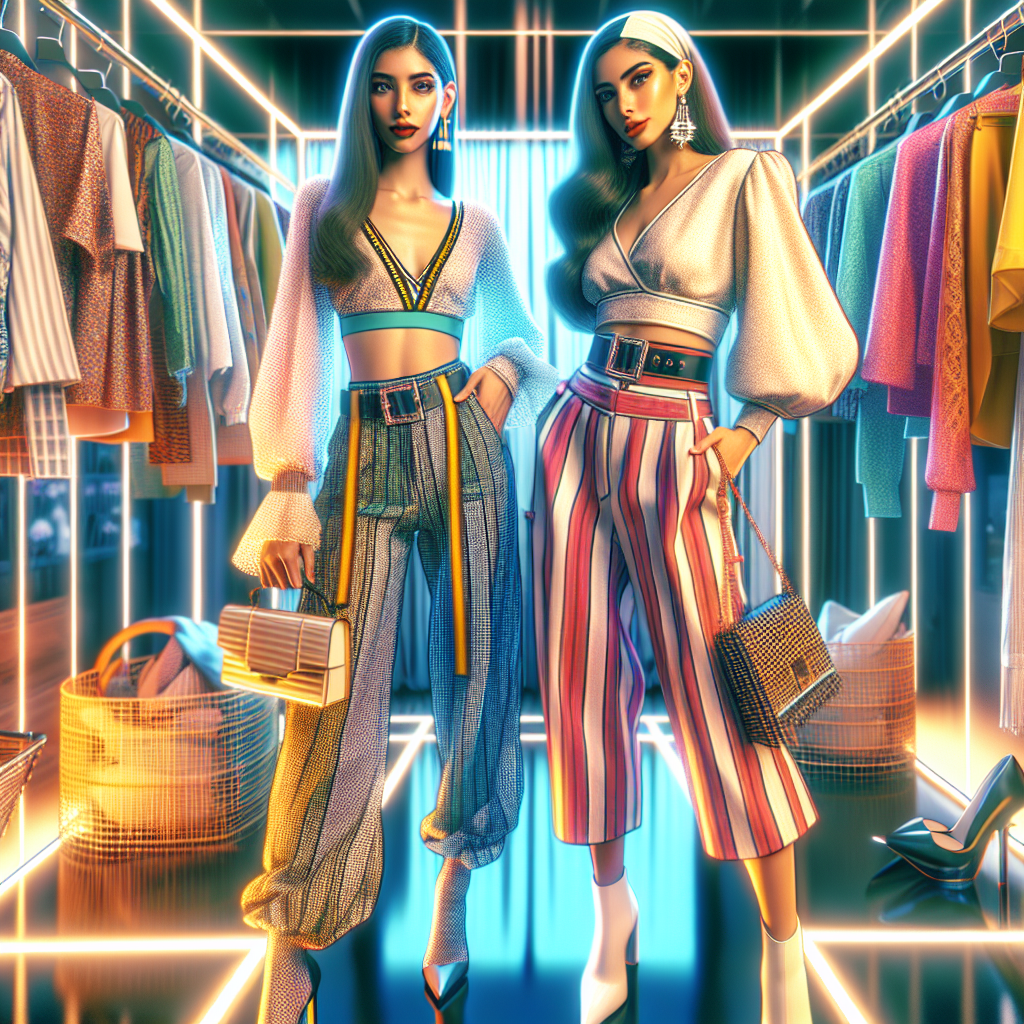
Your Closet’s Future: Sustainable Women’s Fashion Brands to Watch in 2025
Ever feel like your wardrobe is a bit… restless? Like it’s yearning for something more than just the latest trends? You’re not alone. The fashion world is shifting, and fast. We’re not just talking hemlines and color palettes; we’re talking about a fundamental change in how clothes are made, worn, and, yes, eventually retired.
Why Should You Care About Sustainable Fashion, Anyway?
Okay, let’s get real for a second. Why *should* you care about sustainable fashion? Beyond the feel-good vibes (which, honestly, are pretty great), there’s a real impact at play. The traditional fashion industry? It’s a beast. A resource-guzzling, waste-producing beast. Think about the water used to grow cotton, the chemicals used in dyeing, and the mountains of clothing ending up in landfills. It’s not a pretty picture.
Sustainable fashion offers an alternative – a way to look good and feel good, without contributing to the environmental mess. It’s about conscious choices, supporting brands that prioritize ethical practices, and, ultimately, making a difference, one outfit at a time. It’s about saying, “Hey, I care about the planet and the people who make my clothes.” And you know what? That’s pretty darn powerful.
Navigating the Green Maze: What “Sustainable” Actually Means
Alright, let’s untangle this a bit. The word “sustainable” gets thrown around a lot, doesn’t it? But what does it *actually* mean in the context of fashion? It’s more than just using organic cotton (though that’s definitely part of it!). We’re talking about a holistic approach that considers the entire lifecycle of a garment.
Let me explain: It encompasses everything from the sourcing of raw materials (think responsibly grown fibers, recycled fabrics) to the manufacturing process (fair labor practices, reduced water and energy use) to the garment’s end-of-life (designing for durability, promoting recycling and upcycling). It’s about minimizing environmental impact, ensuring fair treatment of workers, and creating clothes that last – both in terms of quality and style.
Brands committed to sustainability often focus on these key areas:
- Ethical Sourcing: Ensuring fair wages and safe working conditions for garment workers.
- Eco-Friendly Materials: Using organic cotton, recycled polyester, Tencel, and other sustainable materials.
- Water Conservation: Minimizing water usage in dyeing and manufacturing processes.
- Waste Reduction: Implementing zero-waste initiatives and designing for circularity (i.e., making clothes that can be easily recycled or repurposed).
- Transparency: Openly sharing information about their supply chain and production practices.
So, next time you see the word “sustainable,” look beyond the label and ask yourself: What’s really going on behind the scenes?
The Rising Stars: Sustainable Women’s Fashion Brands to Watch in 2025
Okay, enough with the doom and gloom! Let’s talk about the good stuff – the brands leading the charge in sustainable women’s fashion. These aren’t just brands; they’re movements, each with a unique approach to creating beautiful, responsible clothing. They are truly brands to watch!
Brand A: (The Innovator)
This company is pushing boundaries with its use of innovative materials. Think fabrics made from algae, recycled ocean plastic, and even lab-grown cotton. They’re not just reducing their environmental footprint; they’re actively seeking out solutions to the fashion industry’s biggest problems. Their designs are modern and minimalist, perfect for the conscious consumer who wants to make a statement without sacrificing style.
But here’s the thing: it’s not just about the materials. They’re also committed to transparency, tracing their supply chain from the farm to the factory. You can actually see where your clothes come from and who made them. How cool is that?
Brand B: (The Revivalist)
This brand takes a different approach, focusing on reviving traditional crafts and supporting artisan communities. They work directly with weavers and embroiderers in developing countries, providing them with fair wages and preserving their cultural heritage. Their clothing is handcrafted and unique, each piece telling a story. It may not be the cheapest option but is definitely worth it if you are invested ethically.
Their commitment to ethical production is inspiring. You know that workers are getting a fair wage (sometimes multiple times the minimum wage) for their labor and are working in safe environment. Plus, they are invested and committed to supporting their communities for a long time, rather than just extracting labour and resources for a short time.
Brand C: (The Minimalist)
True to its name, this brand is all about simplicity and longevity. They design classic, timeless pieces that transcend fleeting trends. Their focus is on quality over quantity, creating clothes that are made to last. By encouraging consumers to buy less and choose well, they’re challenging the fast-fashion model head-on.
And it is not just about the apparel and products they produce. They provide you with all the resources so you can clean, repair, and maintain your clothing items, so you don’t need to throw them away!
Brand D: (The Upcycler)
This company is the champion of upcycling, giving new life to discarded materials. They source vintage clothing, textile scraps, and even industrial waste, transforming them into unique, one-of-a-kind garments. It’s creative, innovative, and incredibly eco-friendly.
They not only upcycle fabrics into trendy clothing and apparel, but engage in educating and training underrepresented or minority groups so they can have jobs and be part of the green revolution. It’s a truly noble endeavor.
Brand E: (The Rental Revolutionist)
This is not exactly a brand, but more of movement of businesses that provides rentals of clothing items. This business in particular allows people to rent out clothing items for a weekly or monthly subscription. This is very useful for those once-in-a-lifetime occasions, such as weddings or corporate gathering, where you will only wear a dress once.
Instead of buying, which most of the time that dress will just sit in the closet, you can have access to a wide variety of clothing options and return them for the next person to reuse. It’s like a library, but for clothing!
Spotting Greenwashing: How to Tell if a Brand is Genuinely Sustainable
Okay, let’s talk about something a little less rosy: Greenwashing. It’s a term you’ve probably heard before, but it’s worth diving into a bit more, especially in the context of sustainable fashion. Greenwashing – it’s when a brand tries to appear more environmentally friendly than it actually is. They might make vague claims about being “eco-friendly” or “sustainable” without providing any real evidence to back it up.
It’s like slapping a “healthy” label on a processed food product – it might sound good, but it doesn’t necessarily mean it’s good for you (or the planet, in this case!). So, how can you tell if a brand is genuinely committed to sustainability or just trying to pull the wool over your eyes? Here are a few red flags to watch out for:
- Vague Language: If a brand uses terms like “eco-friendly” or “natural” without providing specific details, be skeptical. What exactly makes it “eco-friendly”?
- Lack of Transparency: A truly sustainable brand will be open about its supply chain, production practices, and environmental impact. If they’re secretive about where their clothes come from or how they’re made, that’s a warning sign.
- Focus on a Single “Green” Initiative: A brand might highlight one small sustainable effort (like using recycled packaging) while ignoring other, more significant environmental issues.
- Misleading Certifications: Be wary of certifications that aren’t widely recognized or verified by independent organizations.
Here’s a pro tip: Look for brands that have third-party certifications like GOTS (Global Organic Textile Standard) or Fair Trade. These certifications provide assurance that the brand meets specific environmental and social standards.
Your Role in the Sustainable Fashion Revolution: Small Changes, Big Impact
Okay, so you’re convinced. You want to be part of the sustainable fashion revolution. But where do you start? It can feel overwhelming, right? You don’t have to overhaul your entire wardrobe overnight. Small changes can make a big difference.
The first thing you can do is educate yourself and your peers. Research brands, understand their practices, and spread the word. Even small things like thrifting clothing, or purchasing from retailers that are ethical and sustainable.
Other Ideas for Reducing Your Impact:
- Shop your own closet: Before buying something new, see what you already have. Can you restyle an old outfit or find a new way to wear something you haven’t worn in a while?
- Buy less, choose well: Invest in high-quality, durable pieces that you’ll love for years to come.
- Consider renting or buying secondhand: Explore rental services or consignment stores for special occasions or trendy items.
- Take care of your clothes: Wash them properly, repair them when needed, and store them carefully to prolong their lifespan.
- Dispose of clothing responsibly: Donate unwanted clothes to charity or recycle them through textile recycling programs.
You know what? Every small step you take, every conscious choice you make, contributes to a more sustainable future. You have the power to make a difference, one outfit at a time.
Beyond the Brands: What Else is Shaping Sustainable Fashion?
Sustainable fashion is way more than just clothing brands. A whole bunch of other factors are shaping its future too, you know? We’re talking about technology, policy, and good old consumer demand.
Innovations like 3D printing could let us create clothes on demand, cutting down on waste. Policies that make companies responsible for the waste they create? Those could really shake things up. And, of course, the more people who demand sustainable options, the more companies will step up to provide them. It’s a whole ecosystem of change!
Looking Ahead: The Future of Sustainable Women’s Fashion
Okay, so what does the future hold for sustainable women’s fashion? Honestly, it’s looking pretty bright. We’re seeing more and more innovation, more awareness, and more brands committed to doing things the right way.
Consumers are driving change by supporting a sustainable agenda and supporting the companies that also believe in the same principles. It makes things so much clearer and transparent with the aid of technology. There is less space for false advertising and unethical working conditions.
And honestly, its also about the culture and trend that prioritizes and promotes those concepts to drive changes. The future of sustainable choices is now.
FAQ: Common Questions About Sustainable Women’s Fashion
Got questions? Of course you do! Here are some of the most common questions people ask about sustainable women’s fashion, answered in plain English.
What are the most common sustainable materials used in women’s fashion?
You’ll often see organic cotton (grown without nasty pesticides), recycled polyester (made from plastic bottles!), Tencel (made from sustainably harvested wood pulp), and linen (a durable fabric made from flax). These all have lower environmental impacts than conventional materials.
Is sustainable fashion more expensive?
Sometimes, yes, sustainable clothing can be more expensive upfront. But think of it as an investment. These clothes are often made to last longer, so you won’t have to replace them as often. Plus, you’re supporting ethical labor practices and environmentally friendly production methods.
How can I tell if a brand is truly sustainable, or if it’s just greenwashing?
Look for transparency! Does the brand openly share information about its supply chain and production practices? Do they have third-party certifications like GOTS or Fair Trade? Vague language (“eco-friendly” without specifics) is a red flag.
Where can I find sustainable women’s clothing?
Many online retailers specialize in sustainable fashion. You can also find sustainable options at some department stores and boutiques. And don’t forget about secondhand stores and consignment shops!
What can I do with my old clothes if I want to be more sustainable?
Don’t just toss them in the trash! Donate them to charity, sell them at a consignment shop, or recycle them through a textile recycling program. You can also get creative and upcycle them into something new!
How do I care for my sustainable clothing?
Read the care label carefully! In general, washing your clothes in cold water and air-drying them will help them last longer and reduce your environmental impact.
Is sustainable fashion only for rich people?
Absolutely not! While some sustainable brands are pricey, there are plenty of affordable options. Shopping secondhand, swapping clothes with friends, and choosing durable, classic pieces are all ways to embrace sustainable fashion without breaking the bank.
DISCLAIMER
The information provided in this article is for general informational purposes only and does not constitute professional advice. While we strive to provide accurate and up-to-date information, the fashion industry is constantly evolving, and practices may change. Readers should conduct their own research and exercise their own judgment when making purchasing decisions. We are not responsible for any actions taken based on the information provided in this article.
Categories
- Activewear (160)
- Athletic Jackets (12)
- Comfortable Leggings (14)
- Cozy Joggers (15)
- Functional Sports Shorts (20)
- Stylish Tank Tops (20)
- Supportive Sports Bras (20)
- Yoga Pants (20)
- Yoga Tops (18)
- Bottoms (43)
- Classic Capris (4)
- Comfortable Leggings (4)
- Fashion Shorts (3)
- Skirts (12)
- Stylish Jeans (4)
- Stylish Overalls (4)
- Tailored Trousers (4)
- Unique Jumpsuits (4)
- Curved Fashion (73)
- Dresses (148)
- Boho Dresses (6)
- Casual Dresses (5)
- Cocktail Dresses (4)
- Evening Dresses (10)
- Floral Dresses (15)
- Little Black Dresses (6)
- Maxi Dresses (5)
- Midi Dresses (5)
- Plus-Size Dresses (5)
- Summer Dresses (5)
- Fashion Trends (82)
- Luxury & Designer Archive (94)
- Outfit Inspiration (73)
- Style Guides (67)
- Sustainable Fashion (66)
- Swimwear (122)
- Chic Cover-Ups (6)
- Maternity Swimwear (4)
- One-Piece Swimsuits (5)
- Plus-Size Swimwear (3)
- Stylish Bikinis (7)
- Swim Dresses (6)
- Swim Skirts (7)
- Trendy Tankinis (6)
- Tops (61)
- Button-Down Shirts (4)
- Casual T-Shirts (10)
- Comfortable Hoodies (6)
- Cozy Sweaters (5)
- Elegant Tunics (8)
- Feminine Blouses (8)
- Off-Shoulder Tops (5)
- Stylish Tank Tops (4)
- Trendy Crop Tops (6)
- Travel & Lifestyle Fashion (67)
- Trend Reports Archive (88)
- Workwear & Professional (72)