
Unlock Your Career Potential with These Affordable Professional Outfits
First impressions matter, right? Especially when you’re trying to climb that career ladder. But let’s be real, not everyone has a trust fund to bankroll a wardrobe that screams “powerhouse.” So, what’s the secret to looking like a million bucks without actually spending it? That’s exactly what we’re going to explore.
Explore Workwear & Professional
Why Professional Attire Matters (More Than You Think)
Okay, so why even bother with professional clothes? It’s not just window dressing, believe me. There’s a whole psychology behind it. When you dress the part, you not only project confidence to others, but you also feel more confident yourself. Think of it like this: when you’re prepared for challenges, you naturally perform better.
It’s about signaling competence and respect – both for yourself and the people you’re interacting with. Imagine going to a lawyer who showed up in ripped jeans and a band tee – would you trust them with your case? Probably not. Your clothes tell a story, and you want that story to say, “I’m capable, I’m professional, and I’m ready to get to work!”
Building a Versatile Core Wardrobe on a Budget
Alright, let’s get practical. How do you actually build a wardrobe that works for you without emptying your bank account? The key is versatility. Think of it as a “mix-and-match” strategy. Start with the essentials, and then build from there.
The Foundational Pieces: Your Wardrobe’s MVPs
These are the pieces you can wear over and over again, in different combinations. They’re the workhorses of your wardrobe. “Essential” doesn’t have to mean “boring,” though!
- The Classic Blazer: A well-fitting blazer is your secret weapon. Navy, black, or gray are all excellent choices. You can toss it over a dress, pair it with slacks, or even dress up a nice pair of jeans.
- Neutral Trousers/Pants: A good pair of trousers or pants in a neutral color (again, think navy, black, gray, or even a subtle olive) is a must. Make sure they fit well! A tailor can be your best friend for getting the perfect fit at a reasonable price.
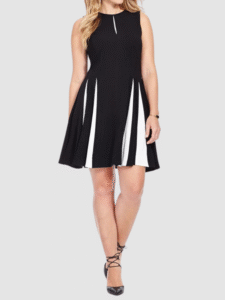
- A Simple Sheath Dress: A sheath dress in a solid color is incredibly versatile. You can wear it on its own, with a blazer, or even with a cardigan.
- Classic Button-Down Shirts: White and light blue are the standards, but don’t be afraid to add in a few other neutral colors or subtle patterns. Look for fabrics that are easy to care for (wrinkle-resistant is a huge plus!).
- A Knee-Length Skirt: Pencil skirts are always a good choice, but A-line skirts can also work well. Aim for a neutral color that coordinates with your other pieces.
- Comfortable, Professional Shoes: Don’t underestimate the importance of good shoes! A pair of comfortable pumps, loafers, or oxfords in a neutral color can elevate your entire look.
- Versatile Knit Tops: Think solid-colored sweaters or cardigans. These can be layered over blouses or worn on their own.
Where to Shop Without Breaking the Bank
Now, where do you find these magical wardrobe staples without maxing out your credit cards? Here’s a hint: you are not confined to the mall.
- Thrift Stores: Don’t knock it ’til you try it! Thrift stores can be goldmines for high-quality pieces at a fraction of the price. You might have to do some digging, but the payoff can be huge.
- Consignment Shops: Similar to thrift stores, but often with a more curated selection. You’re more likely to find name-brand items in good condition.
- Outlet Stores: Outlet stores for brands like Banana Republic, J.Crew, and Ann Taylor often have great deals on professional attire.
- Sales and Clearance Racks: Keep an eye on sales and clearance racks at your favorite stores. You can often find great deals on end-of-season items.
- Online Marketplaces: Sites like Poshmark and ThredUp are great for buying and selling gently used clothing.
- Fast Fashion Retailers: Stores like H&M, Zara, and Uniqlo can be good for basics, but pay attention to the quality of the fabric and construction.
The Tailor is Your Friend
Seriously! A well-tailored garment can make even inexpensive clothing look high-end. Getting your clothes tailored can be cheaper than buying new, expensive clothes.
Accessorizing on a Shoestring Budget
Accessories can make or break an outfit. They’re the details that show someone whether you can pull yourself togehter, and can add personality and polish to even the simplest outfits. The good news? You don’t need a ton of them.
The Power of a Statement Scarf
A colorful or patterned scarf can instantly add interest to a neutral outfit. Look for silk or lightweight wool scarves that can be worn year-round.
Jewelry That Makes a Difference
- Simple Jewelry: A few well-chosen pieces of jewelry can go a long way. A classic watch, a strand of pearls, or simple stud earrings are all great choices.
- Belts: A belt can cinch your waist and add definition to your silhouette. Look for belts in neutral colors like black, brown, or navy.
- Bags: A professional-looking bag is a must. A tote bag, satchel, or crossbody bag in a neutral color is a versatile choice.
Shoes: Comfort Meets Style
As mentioned earlier, shoes are important! Make sure they’re comfortable enough to wear all day, and that they coordinate with your outfits.
Dressing for Different Work Environments
Okay, so you’ve got your core wardrobe. But how do you adapt it to different work environments? Not every office has the same dress code, so here’s a breakdown:
Corporate Giants: The Traditional Route
Think law firms, banks, and other traditional corporate environments. Here, you’ll want to stick to classic, conservative styles.
- Suits: Suits are still the gold standard in many corporate environments. A well-fitting suit in navy, black, or gray is a must.
- Neutral Colors: Stick to neutral colors like navy, black, gray, and white.
- Minimal Accessories: Keep your accessories simple and understated.
Business Casual: A Little More Leeway
Business casual is the most common dress code these days. It’s a step down from formal business attire, but still requires a professional appearance.
- Blazers and Trousers/Skirts: Blazers and trousers or skirts are still appropriate, but you can mix and match them more freely.
- Button-Down Shirts and Sweaters: Button-down shirts and sweaters are good choices for tops.
- Dress Pants / Chinos: Khakis aren’t the kiss of death here, but be sure they’re well-fitting and clean.
- Closed-Toe Shoes: Closed-toe shoes are generally required.
Creative Fields: Express Yourself (Responsibly)
If you work in a creative field like design, marketing, or advertising, you have more freedom to express your personal style. However, it’s still important to maintain a professional appearance.
- Statement Pieces: Don’t be afraid to incorporate statement pieces into your outfits.
- Bold Colors and Patterns: You can experiment with bolder colors and patterns.
- Unique Accessories: Use accessories to express your personality.
Even with the more leeway of creative fields, be self-aware of what is allowed, and don’t push it.
Startups: Comfortable and Professional
Startups often have a more relaxed dress code than traditional companies. However, it’s still important to look put-together.
- Dark-Wash Jeans: Dark-wash jeans can be appropriate, especially when paired with a blazer or button-down shirt.
- Casual Tops: T-shirts and sweaters are often acceptable, but make sure they’re clean and in good condition.
- Comfortable Shoes: Comfortable shoes are a must, especially if you’re on your feet a lot.
Maintaining Your Professional Wardrobe: A Few Tips
Great! So, with all that shopping, what now?
Taking care of your clothes is essential for making them last. Here are a few tips:
Washing Wisdom
- Read the Labels: Always read the care labels on your clothes before washing them.
- Wash Delicate Items by Hand: Wash delicate items like silk or lace by hand.
- Use a Gentle Detergent: Use a gentle detergent to avoid damaging your clothes.
- Don’t Overload the Washer or Dryer: Overloading the washer or dryer can damage your clothes.
Storage Solutions
- Hang Clothes Properly: Hang clothes properly to prevent wrinkles.
- Use Garment Bags: Use garment bags to protect delicate items from dust and moths.
- Store Shoes Properly: Store shoes properly to prevent them from losing their shape.
Repair and Alterations
Don’t be afraid to repair or alter your clothes. A small tear or a loose button can be easily fixed. As mentioned earlier, a tailor can adjust the fit of your clothes to make them look their best.
Investing a little bit in making an older piece fit properly can greatly increase its value, especially for something like a blazer.
Confidence: The Ultimate Accessory
You know what? Even the most expensive outfit won’t look good if you don’t wear it with confidence. When you feel good about yourself, it shows! Stand tall, make eye contact, and own your style. That’s the key to truly career potential, in my opinion.
Professional attire is a tool, not a magic wand. It can help you make a good impression, but it’s ultimately your skills, experience, and personality that will determine your success.
Real-Life Examples and Case Studies
To bring this all home, let’s consider a couple of real-life scenarios to illustrate how affordable professional attire can power up your career journey.
Case Study 1: “The Grad Student on a Mission”
Meet Sarah, a bright young woman fresh out of grad school and eager to make her mark. She hit the job market hard. However, she quickly realized her casual college wardrobe wasn’t cutting it. She needed to revamp her image for interviews fast.
The Challenge: Tight budget after years of schooling.
The Solution: Sarah focused on scoring versatile basics from consignment shops and end-of-season sales. She found a classic navy blazer for $25 and a pair of well-fitting black trousers for $20.
The Outcome: With just a few key pieces, Sarah transformed her look from student to young professional. She nailed her interviews, landed her dream job, and is now a rising star in her field. This can be you too!
Case Study 2: “From Retail to Corporate: A Style Shift”
David had spent years working in retail but wanted to switch to a corporate setting.
The Challenge: His wardrobe was almost entirely casual.
The Solution: David took advantage of outlet stores and online marketplaces to build his new professional wardrobe on a budget. For instance, he invested in a few crisp button-down shirts, chinos, and a pair of smart loafers. He learned to mix and match these to create a range of professional outfits.
The Outcome: With his new professional air, David impressed hiring managers during his interviews. He successfully transitioned to a corporate role. These small but calculated steps can greatly increase employment chances. He is now thriving in his new career.
Practical Tips: Saving on Laundry and Dry Cleaning
So all of that sounds like fun. But can you make it cost-effective in the real world?
Dry cleaning can quickly become a budget-buster. Here are smart hacks to dial down laundry and dry cleaning spends and keep your wardrobe pristine.
- Spot Cleaning: Address stains right away with a spot cleaner. This will extend the time between cleanings.
- Steaming: Invest in a clothing steamer to de-wrinkle clothes, killing surface bacteria.
- Air Out Clothes: Air out your cloths to remove odors
- Launder Delicates: Wash dark-colored items inside out
Future proofing your Business
Building a business-friendly wardrobe does not mean forsaking personal style. Over time, start to experiment with textures, accessories and pieces which show off your unique personality. The blend of individuality with professionalism helps your stand out in a highly competitive environment.
Conclusion: Dress for the Career You Want, Not Just the One You Have
So, there you have it. Building a professional wardrobe doesn’t have to break the bank. With a little creativity and some smart shopping, you can create a wardrobe that helps you the desired work image and succeed in your career. Remember, it’s not about perfection; it’s about showing up and putting your best foot forward. And sometimes, that starts with what you’re wearing.
Now go out there and conquer the business world!
FAQ Section
DISCLAIMER
Readers are advised to ensure that information used and applied is vetted with certified business professional for optimal out comes and results. This website and its writers do not provide business-related advice. All published content and opinions about personal finance are to be used for informational and entertainment purposes only.
Learn more about professional dress codes from The Balance Money.
Discover affordable fashion tips at Who What Wear.
// JavaScript to toggle FAQ answers
document.addEventListener(‘DOMContentLoaded’, function() {
const faqQuestions = document.querySelectorAll(‘.faq-question’);
faqQuestions.forEach(question => {
question.addEventListener(‘click’, function() {
const answer = this.nextElementSibling;
answer.classList.toggle(‘show’);
});
});
});
Categories
- Activewear (160)
- Athletic Jackets (12)
- Comfortable Leggings (14)
- Cozy Joggers (15)
- Functional Sports Shorts (20)
- Stylish Tank Tops (20)
- Supportive Sports Bras (20)
- Yoga Pants (20)
- Yoga Tops (18)
- Bottoms (43)
- Classic Capris (4)
- Comfortable Leggings (4)
- Fashion Shorts (3)
- Skirts (12)
- Stylish Jeans (4)
- Stylish Overalls (4)
- Tailored Trousers (4)
- Unique Jumpsuits (4)
- Curved Fashion (73)
- Dresses (148)
- Boho Dresses (6)
- Casual Dresses (5)
- Cocktail Dresses (4)
- Evening Dresses (10)
- Floral Dresses (15)
- Little Black Dresses (6)
- Maxi Dresses (5)
- Midi Dresses (5)
- Plus-Size Dresses (5)
- Summer Dresses (5)
- Fashion Trends (82)
- Luxury & Designer (94)
- Outfit Inspiration (73)
- Style Guides (67)
- Sustainable Fashion (66)
- Swimwear (122)
- Chic Cover-Ups (6)
- Maternity Swimwear (4)
- One-Piece Swimsuits (5)
- Plus-Size Swimwear (3)
- Stylish Bikinis (7)
- Swim Dresses (6)
- Swim Skirts (7)
- Trendy Tankinis (6)
- Tops (61)
- Button-Down Shirts (4)
- Casual T-Shirts (10)
- Comfortable Hoodies (6)
- Cozy Sweaters (5)
- Elegant Tunics (8)
- Feminine Blouses (8)
- Off-Shoulder Tops (5)
- Stylish Tank Tops (4)
- Trendy Crop Tops (6)
- Travel & Lifestyle Fashion (67)
- Trend Reports (88)
- Workwear & Professional (72)