What Does “Old Money” Style Even Mean?
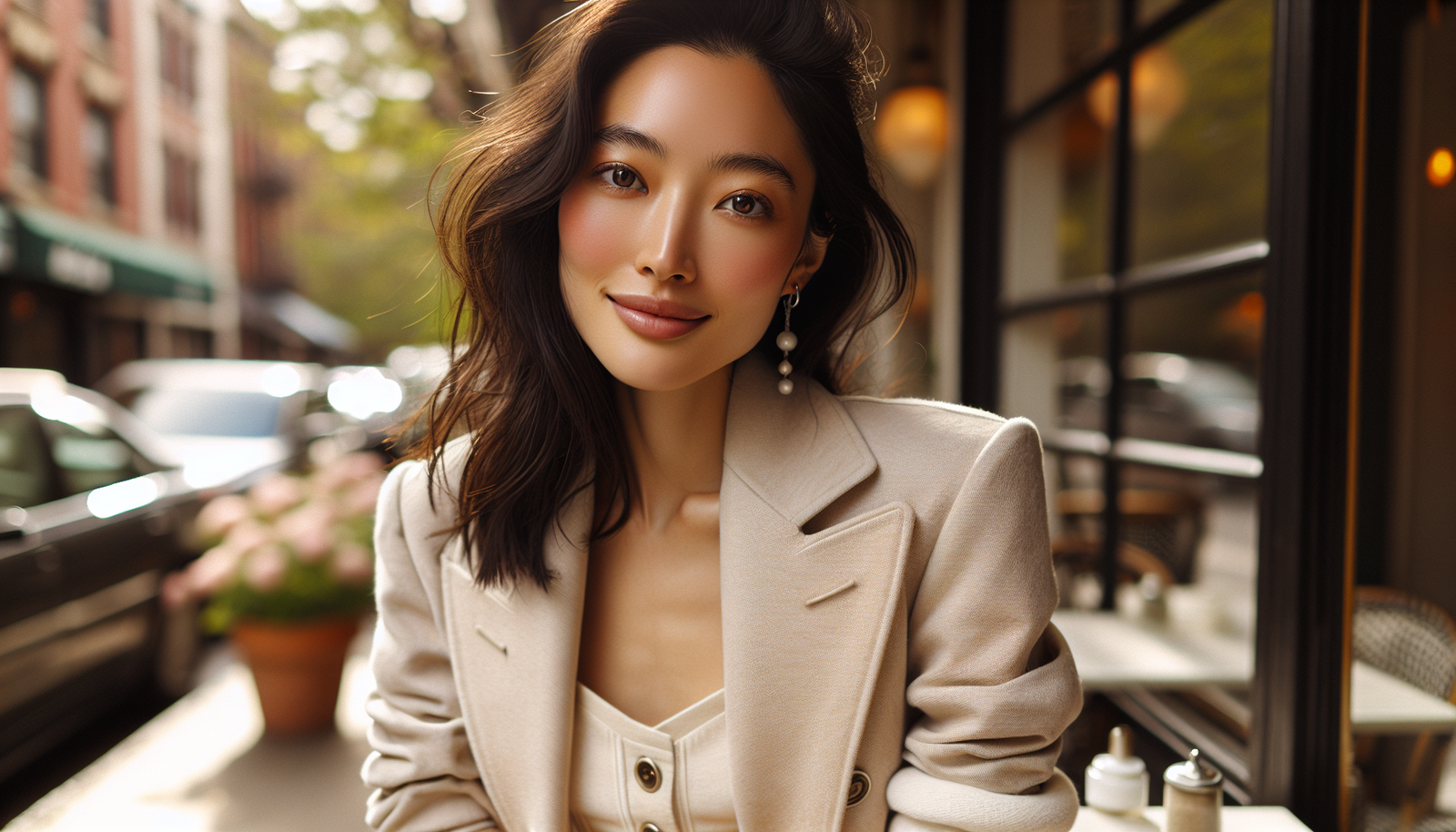
You might’ve heard the phrase tossed around, maybe in a movie or a chic Instagram caption—“Old Money aesthetic.” But what exactly does that conjure up? Is it just about fat bank accounts and fancy initials, or is there a deeper story stitched into the fabric of this style? Well, it’s a bit of both and neither, really. The Old Money look is an artful blend of understated luxury, classic silhouettes, and a quiet confidence that says, “I don’t need to shout because my style does the talking.” It’s less about flashy logos and more about timeless appeal.
Think about it like this: Old Money style is like that friend who’s always perfectly put together without trying too hard. You don’t see them chasing trends or turning heads with loud outfits—they’re just naturally elegant, stable, and reliable. It’s the visual equivalent of a comforting, well-aged book that never loses its charm or relevance.
Why Should You Care About Timeless Elegance?
Now, why bother cultivating a look that feels decades old in a culture that worships the new and shiny? Great question! Because trends come and go, like summer blockbusters or viral memes, but a classic look? That’s your wardrobe’s version of evergreen content. It’s sustainable, investing in pieces and styles that won’t scream “2019” or “2024.” You’re basically future-proofing your style.
Plus, there’s something deeply satisfying about knowing you’re dressed for a legacy—not just the next Instagram post. Even if you don’t come from a sterling line of aristocrats, embracing this look can give you an aura of sophistication and self-assurance that’s pretty magnetic. Honestly, it feels a bit like slipping on a quiet kind of power armor.
The Building Blocks: Key Clothing Pieces & Fabrics
Alright, here’s where things get juicy. Imagine your wardrobe as a curated museum exhibit, each piece carefully selected for its timeless quality and craftsmanship. The Old Money style is all about focusing on materials, cuts, and colors that whisper rather than shout.
So what do you reach for? Wool, cashmere, and linen are your trusty old friends here. These fabrics age gracefully and feel lush without screaming luxe — think old-school craftsmanship rather than runway flash.
For clothing staples, picture:
- Blazers and sport coats: ideally in navy, camel, or gray—nothing too loud or shiny.
- Crisp button-down shirts: white, pastel stripes, or soft gingham for that subtle, clean cut.
- Tailored trousers: not too tight, not too loose – the sweet spot of comfort and flair.
- Cashmere sweaters: especially crewnecks and V-necks— cozy but polished.
- Classic trench coat or wool overcoat: perfect for rainy days or a brisk walk in the park.
- Leather loafers or brogues: quality over flash—think shell cordovan or well-aged calfskin.
Investing in pieces that fit and flatter rather than follow the latest fad? That’s really the secret sauce. When your clothes fit like they’re made for you, every gesture becomes graceful.
Colors That Speak Softly But Carry a Big Stick
Ever notice how some colors just feel… richer than others? It’s not your imagination. Old Money style favors a muted, earthy palette. These aren’t the neon brights or flashy reds of your typical streetwear; these tones feel settled, familiar, and approachable.
Think navy, olive green, taupe, warm beige, ivory, and shades of burgundy. They evoke places like English country clubs, classic libraries, or the inside of a vintage leather-bound book. And here’s a fun little secret: these hues work across skin tones and seasons effortlessly—meaning you look polished no matter the weather or event.
Patterns That Whisper, Not Shout
When it comes to patterns, less is more—sort of like a well-played jazz riff. Subtle houndstooth, soft plaids, pinstripes, and delicate florals fit the bill. They add a dash of personality without turning heads for the wrong reasons.
Now, I get it: sometimes, patterns can be a tightrope walk. Go too bold, and you might look like you’re trying too hard; go too bland, and you risk looking like you stepped out of a uniform factory. The trick? Look for pattern scale and color contrast that feels natural and balanced. It’s about harmony, not discord.
Accessorize Without Annoying—The Quiet Art of Finishing Touches
Accessories in Old Money aesthetics are like punctuation in a well-crafted sentence — subtle yet essential. You want to complement the look but never overshadow it.
Here’s the deal with accessories:
- A classic watch: No, it doesn’t have to break the bank. But a simple, elegant face with a leather strap or metal bracelet says “timeless” better than any oversized, blingy smartwatch.
- Leather belts: Match the quality and tone of your shoes, ideally in dark brown or black.
- Minimalist jewelry: Think gold or silver studs, a thin chain, or a signet ring that might remind you of heritage, but avoid anything flashy.
- Silk scarves or pocket squares: If it fits your vibe, a carefully chosen pattern in soft silk can add that dash of thoughtful care.
- Leather handbags or briefcases: Clean lines, no logos screaming for attention—a nod to craftsmanship over hype.
Try not to fall into the trap of thinking more accessories = more style. Honestly, it’s often the ones who keep it simple who get noticed for the right reasons.
Hair, Grooming & Personal Care: Because Style Is More Than Fabric
Ever walked into a room and sensed someone just really had their act together, even before you spotted their clothes? That’s grooming doing its quiet magic. Old Money style transcends wardrobe to include neat, timeless haircuts and subtle personal care.
Men often favor classic cuts—think side parts or short, tidy trims. Women’s hairstyles might range from soft waves to neatly pulled-back buns or ponytails, with an emphasis on health and shine rather than trends or excessive styling products.
Skin care might sound mundane here, but honestly, fresh and glowing skin can elevate the simplest outfit. The key? Routine, hydration, and a bit of patience—not miracle potions.
Don’t forget nails, too! Clean, well-maintained nails speak volumes. They’re a sort of low-key luxury that’s easy to neglect.
Where to Shop (Without Looking Like a Tourist in Luxury)
Here’s a bit where many people stumble—shopping for Old Money style can feel intimidating. Should you turn to mega designer labels or quirky boutiques? Honestly, it depends on your budget and your “vibe.” You can emulate this aesthetic without emptying your wallet.
Look for brands and shops that prioritize quality and timeless cuts. Some names that aren’t just buzzwords but actually deliver:
- Brooks Brothers — a staple for heritage menswear
- J.Crew — classic with a casual twist
- Uniqlo — affordable and timeless basics
- Thrift and vintage stores — often, you’ll find truly unique pieces with stories woven into every seam
The trick is to look beyond flashy logos and invest in pieces that feel like they belong in your wardrobe for years rather than weeks.
Putting the Pieces Together — Creating Your Signature Old Money Look
It’s one thing to have the right clothes and another to carry the Old Money vibe effortlessly. Spoiler: it’s not about rigid rules but a mindset of quiet elegance.
Start by mixing and matching your key pieces with a focus on harmony. Maybe pair a camel coat with a crisp white shirt and navy trousers, topped off with polished loafers. Simple, right? And yet effective.
Don’t shy away from adding your own personality, though. A dash of vintage watch here or a soft cashmere scarf there can steer your look away from costume territory and into personal brand territory.
Also — ever heard the phrase “less is more”? It’s a cliché for a reason. Sometimes, your style just needs a clean, intentional foundation, with details dropping in like little footnotes rather than sprawling essays.
Seasonal Tweaks to Keep It Fresh, Not Fussy
Sure, classic style sounds like something static and unchanging, but the seasons have a say too. Old Money style embraces the natural rhythm of fabric weights, colors, and layers throughout the year.
In fall and winter, think tweed, heavier wools, and boots with some gravitas. Spring and summer calls for lighter linens, cottons, and breathable fabrics that say “prepared for the garden party” without trying too hard.
Watch how older generations coordinate so effortlessly with nature’s clock. It’s not about following some trend calendar but responding to the environment with the right touch of effortlessness.
What Old Money Style Nah Means (And Why That’s Fine)
Surprisingly, Old Money aesthetic isn’t about ostentatious displays of wealth or dressing for the spotlight. It’s not about showing off or even the latest social media “approved” brands. Some folks think this style is stuffy or elitist, but honestly, it’s more about self-respect and respect for tradition.
Sure, that might sound a bit prim, but there’s a warmth underneath it all—an invitation to settle into confidence without fanfare. If it feels out of reach? Don’t stress. Style is fluid, and mixing in your own story only makes it more genuine.
Final Thoughts: How to Let Timelessness Sneak Into Your Everyday
So here’s the kicker: Old Money style is less about rules and more about feeling comfortable in your own skin—wrapped in clothes that stand the test of time. It’s a slow burn, not a sprint. Pretty cool, right?
Start small — maybe that classic wool scarf, or a well-fitted blazer you can wear in a surprise Zoom call or a weekend brunch. Over time, layering these choices transforms your look and your confidence.
Remember, elegance isn’t about trying too hard. It’s about being quietly, beautifully sure of yourself. And honestly? There’s nobody else quite like that.
Frequently Asked Questions
Disclaimer
This guide is here to inspire and inform your personal style journey. Remember, fashion and self-expression are deeply personal. Adapt any style advice to fit your unique preferences and comfort. There’s no single “right” way to dress—only what makes you feel confident and authentic.
Categories
- Activewear (160)
- Athletic Jackets (12)
- Comfortable Leggings (14)
- Cozy Joggers (15)
- Functional Sports Shorts (20)
- Stylish Tank Tops (20)
- Supportive Sports Bras (20)
- Yoga Pants (20)
- Yoga Tops (18)
- Bottoms (43)
- Classic Capris (4)
- Comfortable Leggings (4)
- Fashion Shorts (3)
- Skirts (12)
- Stylish Jeans (4)
- Stylish Overalls (4)
- Tailored Trousers (4)
- Unique Jumpsuits (4)
- Curved Fashion (73)
- Dresses (148)
- Boho Dresses (6)
- Casual Dresses (5)
- Cocktail Dresses (4)
- Evening Dresses (10)
- Floral Dresses (15)
- Little Black Dresses (6)
- Maxi Dresses (5)
- Midi Dresses (5)
- Plus-Size Dresses (5)
- Summer Dresses (5)
- Fashion Trends (82)
- Luxury & Designer (94)
- Outfit Inspiration (73)
- Style Guides (67)
- Sustainable Fashion (66)
- Swimwear (122)
- Chic Cover-Ups (6)
- Maternity Swimwear (4)
- One-Piece Swimsuits (5)
- Plus-Size Swimwear (3)
- Stylish Bikinis (7)
- Swim Dresses (6)
- Swim Skirts (7)
- Trendy Tankinis (6)
- Tops (61)
- Button-Down Shirts (4)
- Casual T-Shirts (10)
- Comfortable Hoodies (6)
- Cozy Sweaters (5)
- Elegant Tunics (8)
- Feminine Blouses (8)
- Off-Shoulder Tops (5)
- Stylish Tank Tops (4)
- Trendy Crop Tops (6)
- Travel & Lifestyle Fashion (67)
- Trend Reports (88)
- Workwear & Professional (72)