
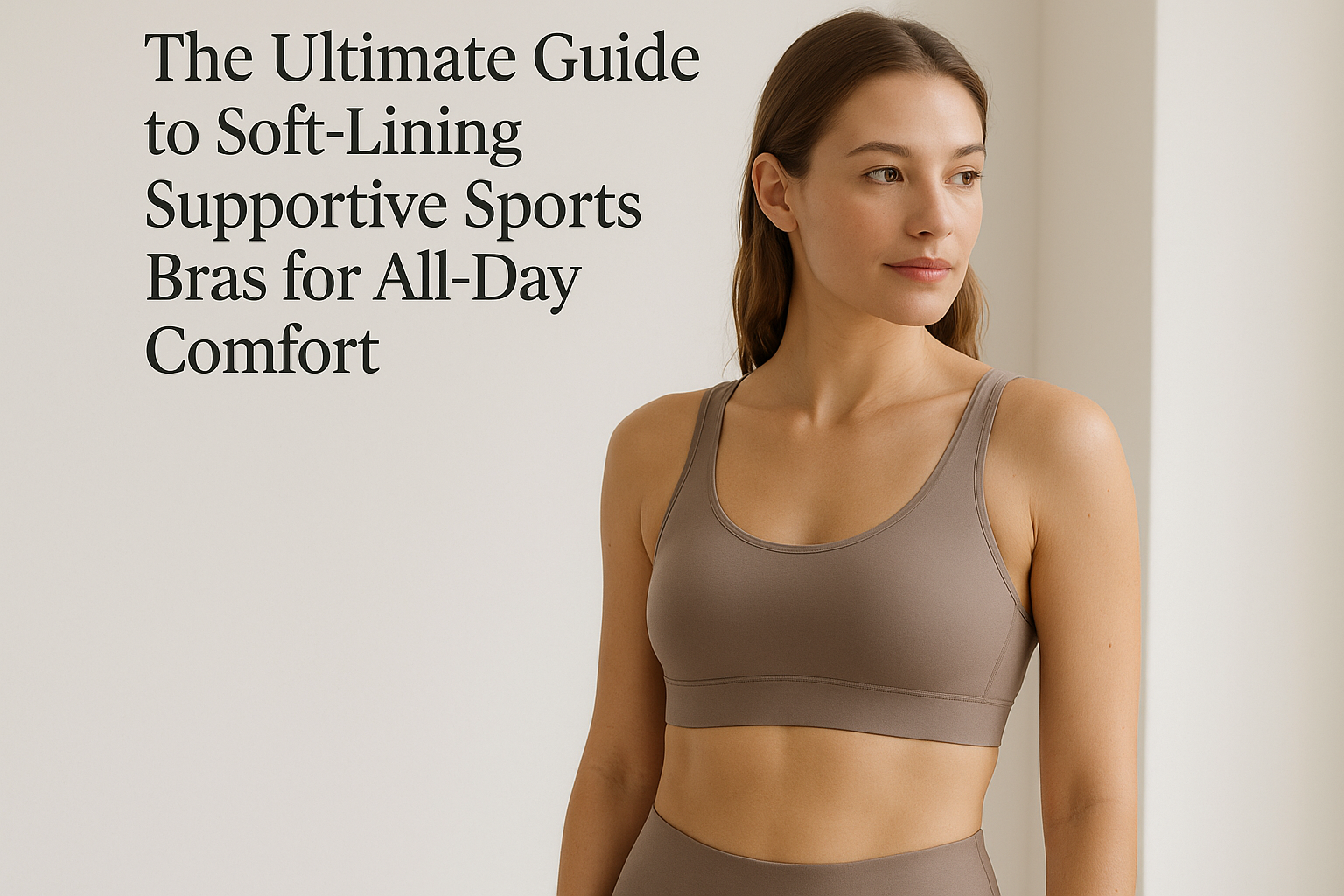
The Ultimate Guide to Soft-Lining Supportive Sports Bras for All-Day Comfort
Let’s Start With Why Soft-Lining Matters
You ever notice how sometimes the perfect sports bra feels like a gentle hug, while others… well, feel more like a wrestling match? That’s often thanks to their lining, and soft lining in particular is a game-changer. It’s not just about dialing down the itch factor—soft lining makes the whole experience far more comfortable when you’re on the move. Honestly, no one wants chafing or irritation stealing the spotlight during your daily hustle or a quick jog in the park.
Explore Supportive Sports Bras
What’s fascinating, though, is how soft-lining sports bras balance snug support with a touch of gentleness that hugs your curves without suffocating them. It’s the difference between feeling like you’re wrapped in clouds versus tangled in wires. And when it comes to all-day wear, that extra consideration in lining really shines.
Understanding Support: More Than Just Size Matters
Support isn’t a one-size-fits-all kinda deal, and size definitely plays a starring role. But here’s a kicker: the way the bra distributes weight and controls bounce is just as critical. If you think about your breasts during vigorous activity, they’re not just bouncing up and down—they’re moving side to side, forward and back, sometimes in ways you wouldn’t predict. That’s where a well-designed supportive bra steps in.
Soft lining contributes by cushioning these movements, reducing friction, while the bra’s structure—think: bands, straps, cups—handles the heavy lifting. The combination creates a harmony that’s hard to beat. You can’t have soft without support, and vice versa. It’s like peanut butter and jelly, two parts that just work better together.
What’s Inside That Counts: Materials Behind Soft-Lining Bras
If you peek beneath the surface, material selection is where the magic happens—or where it all goes sideways. Think about it: a sports bra isn’t just fabric slapped together. It’s a well-thought blend of fibers that need to breathe, wick moisture, stretch, and hold firm without overstretching.
Common players on this stage include:
- Microfiber – ultra soft and smooth, it’s like velvet for your skin but better because it breathes.
- Modal – a type of semi-synthetic cotton-like fiber that feels incredibly silky and holds dye well, keeping bras vibrant wash after wash.
- Bamboo Rayon – yes, bamboo! It has natural antibacterial properties and seriously excellent breathability.
- Polyester blends – frequently used for durability and moisture-wicking, they’re the workhorse fabrics, sometimes paired with spandex for stretch.
The secret lies in mixing these to get that ideal combo of softness and function. For example, many top-tier brands pair bamboo rayon linings with recycled polyester exteriors—a subtle nod to sustainability and comfort rolled into one.
How Does Soft-Lining Actually Feel? A Sensory Lowdown
Let’s talk tactile sensation because feeling a bra’s lining is a bit like savoring good chocolate—smooth, indulgent, and comforting all at once. Soft lining isn’t just a marketing buzzword; it’s about that gentle touch that nudges you to maybe even forget you’re wearing anything at all.
Imagine slipping into a bra where the lining barely registers on your skin, yet quietly guards against pinches and rubs. It’s breathable yet cozy, lightweight but sturdy. Honestly, it’s like your skin’s best friend, especially on those long days packed with Zoom calls, errands, gym sessions, and everything in between.
What’s more, soft linings typically come with a bit of stretch, so they move with you rather than against you, cutting down on those moments when you have to readjust constantly—or worse, suffer the awkward chafing that forces a whole outfit emergency.
Finding The Right Fit: Because Size and Shape Are Really Just the Start
Okay, let’s be real: knowing your size is foundational, but fit is this slightly elusive beast that involves more than just measurements. We all have unique shapes and quirks that a standard tape measure might miss. One person’s “medium” can be another’s embarrassment of gaps or squeeze zones.
When searching for your ideal soft-lining supportive sports bra, take your time to consider:
- How the band feels on your rib cage—does it sit firmly but comfortably without riding up?
- The straps—are they adjustable and wide enough to prevent digging in?
- Whether cups fully encapsulate your breasts without any spillage or flattened edges.
- How the lining interacts with your skin—remember, that’s your daily comfort buddy.
Personally, I’ve seen countless people stuck in bras that are “right size but wrong fit.” It’s like having the right shoes in the wrong style—no matter what, it just won’t click.
Soft Linings and Support: Isn’t It an Either/Or? Not Exactly.
This is where things get interesting. Many think a bra with soft lining means sacrificing support—kind of like trading comfort for function. But that’s a false trade-off. When engineered thoughtfully, soft linings don’t water down the support; they upgrade the experience.
Advanced padding technologies, reinforced stitching, and smart panel placements mean that these bras hug you with love, not just hold you like a rigid contraption. It’s like comparing a sports car with stiff suspension to one with killer shock absorbers—you want control but not at the cost of comfort. And soft linings provide that perfect middle ground.
Brands That Know Their Stuff (and Your Comfort)
You know what? The market has gotten quite savvy about combining style, sport, and softness. Brands like Lululemon, Sweaty Betty, and Panache Sport have been champions at marrying technical innovation with soft, luxurious linings. They get the fact that sports bras aren’t just workout gear – they’re daily comfort allies.
What’s cool is that many of these brands have integrated sustainable fabrics and ethical manufacturing alongside plush linings, so you get the warm fuzzy feeling in more ways than one.
How to Care for Your Soft-Lining Sports Bra to Keep That Cozy Feeling
This might sound mundane, but the way you wash and care for your soft-lining sports bras can make or break the comfort factor over time. Honestly, a gentle lover’s touch to laundry saves you from heading back to square one hunting for a new bra after a few wears.
Here’s a quick rundown:
- Always follow the manufacturer’s instructions on the tag.
- Hand wash when possible — otherwise, put it in a mesh laundry bag to protect against snagging.
- Use mild detergent, skip fabric softeners (yes, even though it sounds counterintuitive).
- Lay flat to dry — avoid tumble drying, which can wreck the elastic and lining.
- Rotate bras — you don’t want to wear the same one every day; give each piece a break.
It’s a bit like caring for a favorite pair of sneakers — the better you treat them, the longer they’ll keep performing and feeling great.
When to Replace Your Soft-Lining Supportive Sports Bra
You might think bras last forever, but honestly, activewear takes a beating. The lining loses plushness, elasticity wanes, and support diminishes. Some signs that scream “time for a new one”?
- The soft lining becomes rough or pilled.
- The bra stretches out and slides up your back.
- Straps start digging or feel loose even tightest adjustment.
- Underwire pokes out — yep, that happens sometimes.
- You just don’t feel the same “hold” or support anymore.
Replacing your bra isn’t just vanity or splurging; it’s about saving your body from unnecessary discomfort and potential strain.
Soft-Lining Bras for Different Activities: There’s More Than One Flavor
It’s easy to lump all sports bras together, but the truth is, your bra choice should sync with activity type. A soft-lining bra that’s perfect for yoga might not cut it for running, and vice versa.
Low-impact activities like stretching or Pilates allow for bras with lighter support and softer linings to maximize comfort. Meanwhile, high-impact sports like running or HIIT workouts demand bras with sturdier support but still benefit hugely from linings that protect sensitive skin.
Have you ever tried wearing a regular everyday bra for a jog? Don’t. You won’t last five minutes without wanting to tear it off—soft linings aside! Finding the right mix helps you feel good and perform better.
Are Soft-Lining Sports Bras Worth It? The Verdict (Spoiler: Oh, Absolutely)
At the end of a long day or a sweaty workout, what you want is comfort that lasts and support you can trust. Soft-lining sports bras deliver exactly that subtle, all-day comfort without skimping on the structure you need for active living.
You can think of them like the perfect team player—quietly working in the background to keep things smooth, steady, and pain-free while you stare down your to-do list or smash your personal best.
And honestly, once you find “the one,” it’s hard to wear anything else.
Want to Know More? External References to Check Out
For a deeper look into breast support science and choosing the perfect sports bra, Bustle’s comprehensive guide is a fantastic place to start. Also, the Runner’s World breakdown provides insightful tips on balancing comfort and support for high-impact activity. Lastly, if you’re interested in fabric tech and sustainability, Eco Warrior Princess offers updates on eco-minded brands making strides.
Soft lining uses specialized fabrics and finishes that reduce friction, provide gentle cushioning, and wick moisture better than standard linings, increasing comfort during extended wear and vigorous activities.
Absolutely. When designed properly, soft lining enhances comfort without sacrificing support. The bra’s structure (bands, straps, cups) handles support, while the lining focuses on reducing irritation and improving fit.
Generally, after about 6-12 months of regular use, or sooner if you notice decreased support, lining wear, or discomfort. Rotating between multiple bras can extend their lifespan.
Yes! Several brands offer sustainable bras using materials like recycled polyester, bamboo, and organic cotton combined with soft linings. These options help reduce environmental impact while maintaining comfort and support.
Hand washing with a mild detergent and air drying flat is ideal. If you must machine wash, use a delicate cycle inside a mesh bag and avoid fabric softeners to protect the lining and elasticity.
Soft lining benefits all bust sizes by improving comfort and reducing skin irritation. For larger busts, it’s especially helpful when paired with proper support features to reduce bounce and distribute weight evenly.
DISCLAIMER
This guide is intended to provide general information about soft-lining supportive sports bras for comfort and support. Individual needs vary, so it’s important to consider personal fit and comfort when selecting a sports bra. Consult with a specialist or professional fitter if you have concerns regarding breast health or specific support requirements.
Categories
- Activewear (160)
- Athletic Jackets (12)
- Comfortable Leggings (14)
- Cozy Joggers (15)
- Functional Sports Shorts (20)
- Stylish Tank Tops (20)
- Supportive Sports Bras (20)
- Yoga Pants (20)
- Yoga Tops (18)
- Bottoms (43)
- Classic Capris (4)
- Comfortable Leggings (4)
- Fashion Shorts (3)
- Skirts (12)
- Stylish Jeans (4)
- Stylish Overalls (4)
- Tailored Trousers (4)
- Unique Jumpsuits (4)
- Curved Fashion (73)
- Dresses (148)
- Boho Dresses (6)
- Casual Dresses (5)
- Cocktail Dresses (4)
- Evening Dresses (10)
- Floral Dresses (15)
- Little Black Dresses (6)
- Maxi Dresses (5)
- Midi Dresses (5)
- Plus-Size Dresses (5)
- Summer Dresses (5)
- Fashion Trends (82)
- Luxury & Designer (94)
- Outfit Inspiration (73)
- Style Guides (67)
- Sustainable Fashion (66)
- Swimwear (122)
- Chic Cover-Ups (6)
- Maternity Swimwear (4)
- One-Piece Swimsuits (5)
- Plus-Size Swimwear (3)
- Stylish Bikinis (7)
- Swim Dresses (6)
- Swim Skirts (7)
- Trendy Tankinis (6)
- Tops (61)
- Button-Down Shirts (4)
- Casual T-Shirts (10)
- Comfortable Hoodies (6)
- Cozy Sweaters (5)
- Elegant Tunics (8)
- Feminine Blouses (8)
- Off-Shoulder Tops (5)
- Stylish Tank Tops (4)
- Trendy Crop Tops (6)
- Travel & Lifestyle Fashion (67)
- Trend Reports (88)
- Workwear & Professional (72)