
The Return of Sustainable Activewear Transforming the Fashion Industry
The Fresh Comeback: Why Sustainable activewear is Stealing the Spotlight
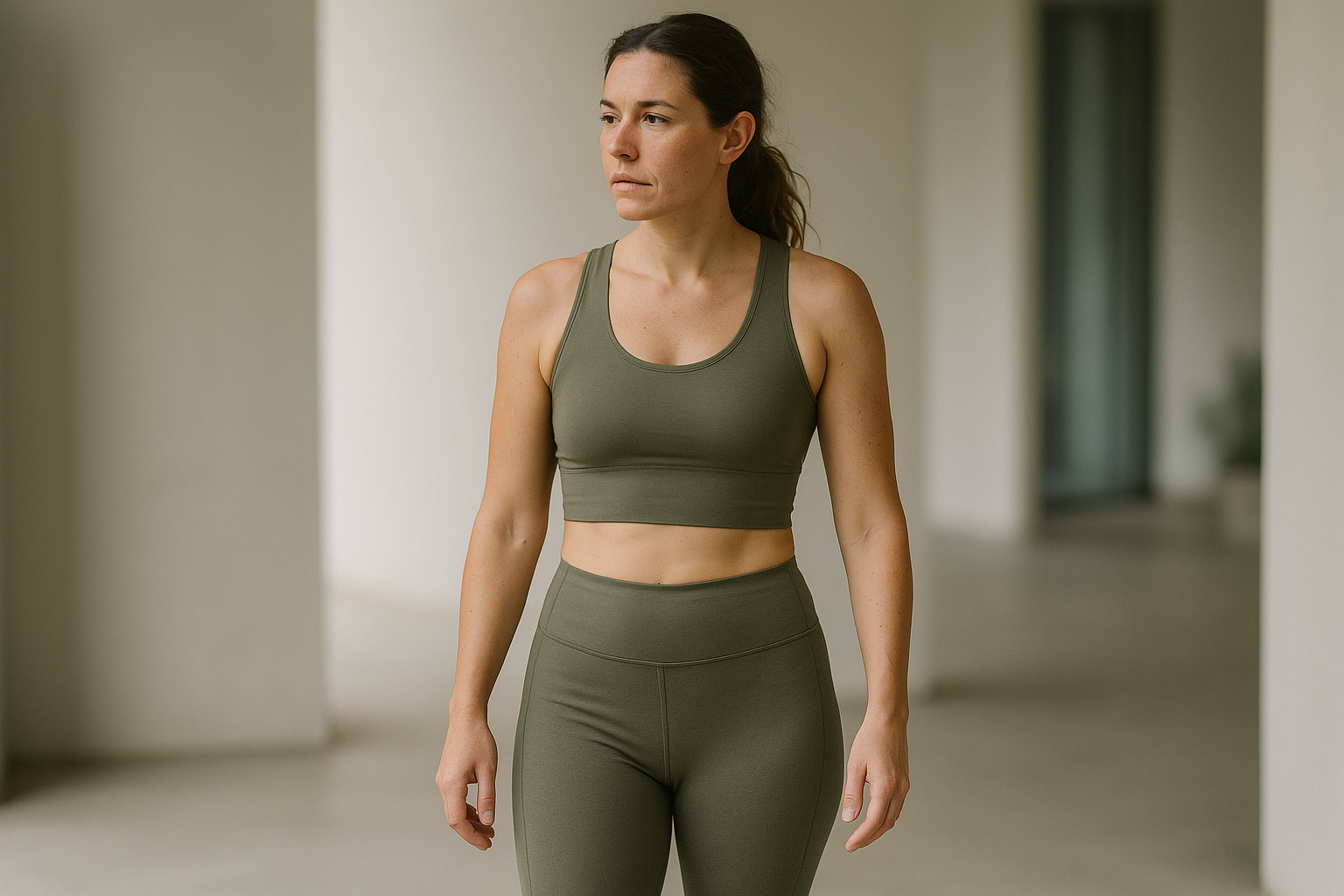
It’s funny how trends circle around. Remember when the idea of outrageously chic workout gear was just a fun side note? Well, it’s back—but this time with a conscience. Sustainable activewear isn’t just about looking sharp during your morning yoga or weekend hike; it’s becoming a serious game-changer for the fashion world. People aren’t just chasing the latest style anymore; they’re asking, “Is this planet-friendly?” And honestly, who can blame them?
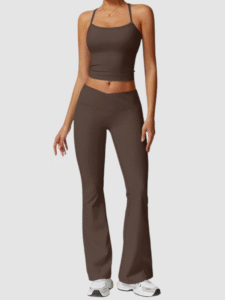
You know that feeling when you slip on your favorite joggers that feel like a cloud? Imagine if those joggers were kind to the environment while doubling down on performance. That’s the sweet spot sustainable activewear is aiming for. It’s about marrying function with responsibility—without giving up comfort or cutting-edge style.
What’s driving this comeback? Frankly, it’s our growing awareness. Climate change, landfill horror stories, and microplastic nightmares make it clear: “Fast fashion” just can’t keep its grip on us anymore. We want more, but not by trashing the planet. We’re craving gear that supports our lifestyle and our values simultaneously. And brands have caught on.
Fabric Matters: The Unsung Heroes Behind Your Favorite Workout Clothes
Ever stopped to consider what your activewear is made of? It’s not just some nylon, polyester mix stitched together; behind those sleek designs is a fascinating story of science, craft, and—hold your breath—care. Sustainable activewear often features recycled polyester, organic cotton, Tencel, and even innovative materials like bamboo fiber or ocean plastic yarns.
Recycled polyester, for example, takes plastic bottles or old fabrics and reinvents them as smooth, durable threads. Isn’t that neat? It means less plastic pollution and fewer resources wasted. Bamboo, on the other hand, grows like a weed (literally) and requires hardly any pesticides or water. It’s nature’s gift to activewear enthusiasts who want soft, breathable fabrics without guilt.
Sometimes, the fabric tells a story beyond performance or eco-credentials. Some brands have pioneered blends that not only feel amazing but actually engage in moisture-wicking, odor-control, and flexible movement—all packaged in materials that put the brakes on landfill overflow. It’s like your old gym tee got a serious upgrade: smarter, cleaner, kinder.
Brands That Are Making It Real (No Greenwashing Here!)
Not all shiny “green” labels are created equal—some companies slap “sustainable” on tags without backing it up, kind of like putting a fancy bow on a junk mail offer. But there are shining lights in the industry, true pioneers taking sustainable activewear to heart with transparent practices and real impact.
Taking a leaf from outfits like Patagonia who have long been champions of eco-conscious gear, many newer brands have emerged offering performance gear crafted with transparency. Brands such as Girlfriend Collective, Allbirds, and tentree focus on recycled or renewable materials, fair trade labor, and carbon footprint reduction.
And here’s the kicker: these brands aren’t sacrificing style or variety. Whether you want classic blacks or vibrant prints, heavy-duty compression or casual, slightly loose fits, sustainable activewear has got you covered. It’s proof that caring about the planet and looking good on your morning run aren’t mutually exclusive.
Changing Consumer Habits: Are We Ready for a Fashion Revolution?
There’s no doubt that consumers have started catching on to the sustainable buzz, but the shift isn’t just about buying; it’s about thinking differently. Could you hold onto your favorite pair of leggings for three years instead of three months? Or maybe buy something a little pricier that’s built to last and you don’t have to toss after a season?
Honestly, there’s something refreshing about slowing down in a world addicted to speed. Owning fewer clothes but valuing each item more—doesn’t that sound better? Plus, there’s an emotional connection that happens when you know your activewear didn’t cost the earth, literally. It’s a subtle pride that can turn simple workout wear into a personal statement of care and responsibility.
Now, this isn’t just any niche change; it’s a wider shift reflecting a more conscientious global audience. Younger generations, in particular, wield their wallets differently—they want brands to share their values, not just their trends.
Tech + Sustainability = Smarter Movement
Technology has been the secret sauce behind many sustainable activewear lines. You might think “eco” and “tech” don’t mix well, but these two are actually best buddies these days. Advanced knitting techniques, biodegradable water-resistant coatings, and innovative dyeing methods that reduce harmful chemicals are making gear more friendly in every sense.
There’s also a wave of digital tools helping consumers track the environmental footprint of their purchases. Apps like Good On You and platforms like Fashion Revolution offer transparency ratings for brands—finally enabling that “know before you buy” freedom. It’s empowering stuff.
And as wearable tech joins the party, imagine activewear that adjusts to your body’s temperature, wicks sweat better, and biodegrades safely when you’re done with it. It sounds futuristic—almost sci-fi—but it’s coming down the runway now, right alongside those neon-colored headbands we love to hate.
Challenges: Why Isn’t Everyone Wearing Sustainable Activewear Yet?
If sustainable activewear is this fantastic, why isn’t every gym bag stuffed with it? Good question. It’s not that the idea isn’t popular; there are a few bumps on the road still. Price is a big one. Sustainable materials and ethical manufacturing sometimes cost more, making those leggings a little heavier on the wallet than fast fashion competitors. Not everyone can—or wants to—pay that up front.
Plus, there’s still the issue of access. Not every community has an eco-friendly activewear store around the corner, and online shopping can be hit or miss if you’re unsure about fit or feel. We’ve all been burned by the “looks great online, meh in person” moment.
That’s where education and better supply chains come in. The more brands commit to transparency and inclusivity, and the more consumers demand sustainable options, the faster the industry will adjust. It’s a bit like the early days of electric cars—took some time, but once the groundwork was laid, adoption took off.
What’s Next? Looking Beyond the Leggings
So where does sustainable activewear go from here? Honestly, the horizon looks pretty bright. The movement is expanding beyond just the pieces we throw on for a run. It’s about an entire mindset—encouraging habits like responsible washing, repairing gear instead of tossing it, and recycling or repurposing old workout clothes.
And here’s an exciting tidbit: upcycling and resale markets are exploding, making it easier to extend an activewear’s life cycle. Platforms like Depop and thredUP help give clothes a second chance, keeping textiles out of dumpsters and finding new homes where they’re still loved and used.
Ultimately, sustainable activewear is a stepping stone, a new way of thinking clothes that embraces a circular economy. Imagine a world where your sweaty tee is made from ocean plastics, can be easily recycled into a new jacket, and your purchase supports workers far away in fair conditions. That’s not fantasy—that’s quietly becoming the new norm.
Wrapping It Up: Why It Matters More than Ever
Look, no one’s saying sustainable activewear is perfect—but it’s leaps and bounds better than the alternative. It isn’t about being preachy; it’s about choice and respect. Respect for nature, for the hands that make our clothes, and for ourselves.
So next time you pull your workout gear on, think about the journey behind those threads. Because the story woven into your leggings isn’t just about fashion—it’s about a movement reshaping how we wear the world. And that’s pretty powerful, don’t you think?
function toggleFAQ(element){
const answer = element.nextElementSibling;
if(answer.style.display === “block”){
answer.style.display = “none”;
} else {
answer.style.display = “block”;
}
}
Disclaimer
The information provided in this article is for educational purposes only. Readers should conduct their own research and consider personal needs before making activewear purchases. Sustainable claims from brands should be evaluated carefully, as transparency and standards may vary.
Categories
- Activewear (160)
- Athletic Jackets (12)
- Comfortable Leggings (14)
- Cozy Joggers (15)
- Functional Sports Shorts (20)
- Stylish Tank Tops (20)
- Supportive Sports Bras (20)
- Yoga Pants (20)
- Yoga Tops (18)
- Bottoms (43)
- Classic Capris (4)
- Comfortable Leggings (4)
- Fashion Shorts (3)
- Skirts (12)
- Stylish Jeans (4)
- Stylish Overalls (4)
- Tailored Trousers (4)
- Unique Jumpsuits (4)
- Curved Fashion (73)
- Dresses (148)
- Boho Dresses (6)
- Casual Dresses (5)
- Cocktail Dresses (4)
- Evening Dresses (10)
- Floral Dresses (15)
- Little Black Dresses (6)
- Maxi Dresses (5)
- Midi Dresses (5)
- Plus-Size Dresses (5)
- Summer Dresses (5)
- Fashion Trends (82)
- Luxury & Designer (94)
- Outfit Inspiration (73)
- Style Guides (67)
- Sustainable Fashion (66)
- Swimwear (122)
- Chic Cover-Ups (6)
- Maternity Swimwear (4)
- One-Piece Swimsuits (5)
- Plus-Size Swimwear (3)
- Stylish Bikinis (7)
- Swim Dresses (6)
- Swim Skirts (7)
- Trendy Tankinis (6)
- Tops (61)
- Button-Down Shirts (4)
- Casual T-Shirts (10)
- Comfortable Hoodies (6)
- Cozy Sweaters (5)
- Elegant Tunics (8)
- Feminine Blouses (8)
- Off-Shoulder Tops (5)
- Stylish Tank Tops (4)
- Trendy Crop Tops (6)
- Travel & Lifestyle Fashion (67)
- Trend Reports (88)
- Workwear & Professional (72)