
Embracing Wardrobe Swaps as a Fashion Revolution
Wardrobe swaps have emerged as a vibrant and relatable way to refresh a closet without falling into fast fashion habits. They invite a more thoughtful approach to style, where the feel and fit of garments take center stage. By exchanging pieces, fashion becomes not only a personal statement but also a shared, sustainable experience that values real wearability and the subtle joys of fabric textures and movement.
How Comfort and Fit Shape Sustainable Fashion Choices
One of the most compelling reasons people embrace wardrobe swaps is the chance to find clothes that truly fit and feel great. It’s not just about what looks good on the hanger—real fashion is about how pieces settle into everyday life, whether it’s the gentle stretch of a knit or the breathable softness of linen. This human-centered approach challenges the mass market’s emphasis on quantity over quality, inviting shoppers to connect with garments that move with them and invite comfort throughout the day.
The Seasonal Nuance of Swapping Clothes
While wardrobe swaps often reflect a practical response to changing seasons, they are less about rigid calendars and more about the natural rhythms of wearing and caring for clothes. Swapping an oversized sweater for a breezy blouse isn’t just about weather—it’s about embracing pieces that feel right for the moment. This subtle seasonality encourages a wardrobe that evolves gently, with an emphasis on fabrics that transition well and maintain comfort across months.
Expanding the Community: Social and Environmental Impact
Wardrobe swaps build community in a way few shopping experiences can. They foster connection, shared stories, and a collective commitment to reducing waste. This social element aligns with broader environmental goals by extending the life cycle of garments traditionally discarded too soon. Organizations like the Sustainable Apparel Coalition provide valuable insights into how collaborative efforts in fashion can significantly reduce environmental footprints. Incorporating these insights within the fashion community elevates swaps from a casual activity to a purposeful movement.
From Plastic to Plant-Based: Fabric Innovation in Sustainable Swaps
A large part of what makes future wardrobe swaps exciting is the growing innovation in fabric choices. Natural fibers, recycled textiles, and bio-based materials are becoming staples for swap events and sustainable collections alike. This shift not only enhances comfort but also supports durability and sensory appeal—a soft organic cotton shirt offers a very different experience than synthetic blends. Trustworthy resources like the Textile Exchange break down these advancements, helping consumers understand how material choices shape both the garment’s lifespan and its environmental cost.
The Role of Digital Platforms in Modern Swap Culture
Digital platforms are rapidly changing how wardrobe swaps happen, making them more accessible and seamless. From apps to online communities, people can now exchange quality pieces without geographic limits, boosting the variety and availability of sustainable options. These tools also emphasize transparency and trust, qualities that are essential when sharing and swapping clothes in a modern setting. Platforms like Moopsi’s sustainable fashion blog highlight how digital engagement drives participation and education in eco-friendly wardrobe practices.
Styling for Real Life: Wearability Beyond Trends
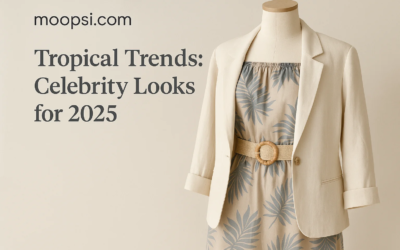
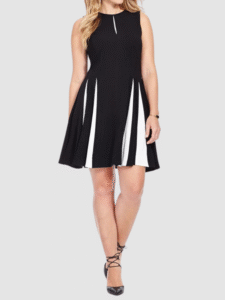
One of the best things about swaps is the focus on adaptability and timelessness. When searching for a new piece through swapping, the goal is often a garment that works across multiple occasions and seasons. Whether it’s a tailored blazer that moves comfortably through meetings and weekends or a breezy summer dress that feels as good running errands as it looks at brunch—it’s all about finding real life fashion solutions that respect the wearer and reduce waste simultaneously.
Challenges and Solutions for the Growing Swap Movement
Despite its appeal, wardrobe swapping faces challenges like sizing diversity, garment condition standards, and logistics. However, innovative approaches continue to solve these issues. Clear guidelines for exchanges, quality checks, and hybrid events combining physical and virtual swaps foster greater inclusivity and ease. Sustained growth will depend heavily on education and creating an inviting atmosphere that welcomes everyone, regardless of size, style, or swap experience.
How Brands Can Support Sustainable Wardrobe Sharing
Rather than competing with swaps, many fashion brands see them as an opportunity to deepen customer loyalty through supporting sustainable practices. By integrating swap-friendly collections—featuring durable, versatile pieces designed for longevity—brands respect the real needs of wearers. Collaborations with community swap events and transparency about product lifecycles empower shoppers to make choices that align with their values, enhancing the brand’s reputation and customer connection without leaning on impulse-driven sales.
The Path Forward: Toward a Circular Fashion Ecosystem
Wardrobe swaps are an important piece of a larger circular fashion ecosystem that prioritizes reuse, repair, and thoughtful consumption. Their growth signals a shift away from disposable trends toward outfits built around personal stories and sustainable values. This evolving model is more aligned with how people actually want to live in their clothes—seeking garments that feel good, move well, and can be passed along with care.
FAQs About Sustainable Wardrobe Swaps
A wardrobe swap is an event or platform where individuals exchange clothing items directly with each other. It offers a way to refresh wardrobes sustainably by reusing garments.
Q2: How do wardrobe swaps help the environment?
Swaps extend clothing life cycles, reducing demand for new garments and minimizing textile waste. This lowers the resource consumption and pollution associated with fashion production.
Q3: Are swapped clothes generally higher quality?
Quality varies, but many swaps encourage bringing well-maintained garments. As awareness grows, participants often seek durable, comfortable pieces, enhancing overall swap quality.
Q4: How can I ensure swapped clothes will fit well?
Try to attend in-person swaps where possible to test fit and comfort. For online platforms, detailed measurements and photos help minimize surprises.
Q5: Is fabric choice important when swapping?
Yes, swapping encourages attention to fabric feel and durability. Natural or recycled fibers that offer comfort and longevity are preferred for sustainable wardrobe building.
Q6: Can wardrobe swaps replace buying new clothes entirely?
Swaps can significantly reduce new purchases but might not eliminate them. They work best as part of broader sustainable shopping habits.
Q7: Are swaps inclusive of all sizes and styles?
Many swap communities strive to be inclusive, though size availability can vary. Organizers increasingly prioritize diverse participation to meet all body types and tastes.
Q8: How do digital wardrobes swaps operate?
Digital swaps use apps or websites where users list items, communicate, and arrange exchanges. This expands access beyond local communities.
Q9: What should I consider before participating in a swap?
Bring clean, gently used clothing in good condition. Also, know your sizing and be open to trying new styles for a rewarding experience.
Q10: How do brands benefit from supporting swaps?
Supporting swaps builds brand loyalty by aligning with customers’ sustainability values and encourages the designing of durable garments suited for circular use.
Q11: Are swapped clothes safe and hygienic?
Properly managed swaps enforce cleanliness standards and hygiene practices, making the process safe and comfortable for all participants.
Q12: Can wardrobe swaps cater to professional fashion needs?
Definitely. Swaps often feature versatile pieces like blazers and classic dresses that fit well into professional wardrobes while promoting sustainable practices.
Q13: How to maintain swapped clothes for longer use?
Regular care such as gentle washing, proper storage, and timely repairs help maintain garment quality and extend their wardrobe life.
Q14: What role does seasonal timing play in swaps?
Swaps typically reflect changing wardrobe needs but focus more on practical wearability and fabric comfort rather than strict seasonal trends.
Q15: How can I host a successful swap event?
Focus on clear guidelines, a welcoming environment, and promote quality over quantity. Including educational elements about sustainable fashion can enhance the experience.
Disclaimer
This article provides general information about sustainable wardrobe swaps and fashion trends. It is not intended as professional advice, and readers should consider personal circumstances when applying any recommendations.
For further insights on sustainable textiles, see the Textile Exchange here. The Sustainable Apparel Coalition offers comprehensive data on fashion’s environmental impact here. Additionally, fashion commentary and news can be explored via Vogue’s sustainability coverage here.
Categories
- Activewear (160)
- Athletic Jackets (12)
- Comfortable Leggings (14)
- Cozy Joggers (15)
- Functional Sports Shorts (20)
- Stylish Tank Tops (20)
- Supportive Sports Bras (20)
- Yoga Pants (20)
- Yoga Tops (18)
- Bottoms (43)
- Classic Capris (4)
- Comfortable Leggings (4)
- Fashion Shorts (3)
- Skirts (12)
- Stylish Jeans (4)
- Stylish Overalls (4)
- Tailored Trousers (4)
- Unique Jumpsuits (4)
- Curved Fashion (73)
- Dresses (148)
- Boho Dresses (6)
- Casual Dresses (5)
- Cocktail Dresses (4)
- Evening Dresses (10)
- Floral Dresses (15)
- Little Black Dresses (6)
- Maxi Dresses (5)
- Midi Dresses (5)
- Plus-Size Dresses (5)
- Summer Dresses (5)
- Fashion Trends (82)
- Luxury & Designer (94)
- Outfit Inspiration (73)
- Style Guides (67)
- Sustainable Fashion (66)
- Swimwear (122)
- Chic Cover-Ups (6)
- Maternity Swimwear (4)
- One-Piece Swimsuits (5)
- Plus-Size Swimwear (3)
- Stylish Bikinis (7)
- Swim Dresses (6)
- Swim Skirts (7)
- Trendy Tankinis (6)
- Tops (61)
- Button-Down Shirts (4)
- Casual T-Shirts (10)
- Comfortable Hoodies (6)
- Cozy Sweaters (5)
- Elegant Tunics (8)
- Feminine Blouses (8)
- Off-Shoulder Tops (5)
- Stylish Tank Tops (4)
- Trendy Crop Tops (6)
- Travel & Lifestyle Fashion (67)
- Trend Reports (88)
- Workwear & Professional (72)


![Unlock Your Style: The Must-Know Seasonal Colors for [Season/Year]](https://moopsi.com/wp-content/uploads/2025/10/04a8f8d2-59a4-4a90-b2dd-a2dc7c043542-400x250.webp)