The Future of Minimalist Sustainable Outfits Influencers Can’t Stop Wearing
The Quiet Revolution: Why Minimalism Meets Sustainability
You might have noticed that your social feeds are peppered with outfits that look effortlessly chic yet—somehow—simple. It’s not just a style whim; there’s a growing wave surfacing beneath the surface, one where minimalism and sustainability aren’t just buzzwords tossed around by influencers. They’ve become the core ethos guiding fashion choices for many tastemakers. But what’s driving this shift?
Honestly, it’s a blend of fatigue and awareness. After years of fast fashion’s relentless churn—where yesterday’s hype becomes today’s landfill residue—the charm of “less is more” has blossomed into a serious lifestyle movement. Minimalist sustainable outfits clue us into the idea that you don’t need an overflowing closet to express yourself. Like a perfectly brewed cup of tea, it’s about quality, clarity, and moments savored rather than rushed.
And that’s not to say the minimalist look is boring or predictable—far from it. Minimalism in the sustainable fashion sphere is an artful dance of subtle tones, natural textures, and powerful narratives. Influencers are key players here, turning these clean, conscious outfits into statements that resonate far beyond the ‘likes’ and double taps.
Less Hype, More Heart: What Influencers Are Really Wearing
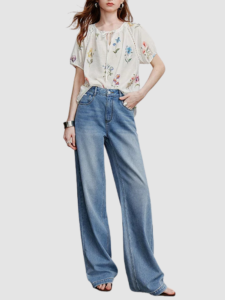
Here’s the thing: influencers aren’t just rocking these pieces for Instagram flair; they’re sharing a story—the story of mindful living. It’s all about those staple pieces that transcend seasons and trends. Think organic cotton tees, linen trousers that flow without fuss, or timeless recycled denim. These aren’t fast fashion throwaways; they’re investment items. And because they’re timeless, they become part of your identity over time.
Take someone like Emma Watson or someone you’ve seen in sustainable style circles. Their wardrobes often spotlight brands like Patagonia or Everlane, labels that marry transparency with ethical craftsmanship. What’s striking isn’t just the look but the ethos behind it—garments designed to last, made with care that’s visible if you know what to look for.
You know what? This subtle rebellion against short-lived fashion is what gives these outfits their pull. It’s the refusal to be disposable—a quiet stand against a world eager to toss and forget.
Fabric of the Future: Materials That Mean Business
Talking about materials is where things get really interesting. Sustainability isn’t just about ‘organic’ slapped on a tag; it’s a technical, ongoing quest to find and create fabrics that behave better—for the planet and for us. Organic cotton, Tencel, hemp, recycled polyester—each of these fibers carries a story filled with innovation, compromise, and hope.
For instance, Tencel (made from sustainably harvested wood pulp) is soft yet strong, breathable and kind to your skin. And hemp? It’s like that sturdy friend who’s been underestimated for too long. It grows fast, uses minimal water, and requires almost no pesticides.
These fabrics mean the minimalist sustainable wardrobe isn’t stuck in the past; it’s pretty tech-savvy. And it’s exciting because it’s proof that style and sustainability don’t have to fight each other—they complement beautifully, much like a well-curated playlist that holds your attention from start to finish.
A Palette That Talks: How Color Choices Reflect Consciousness
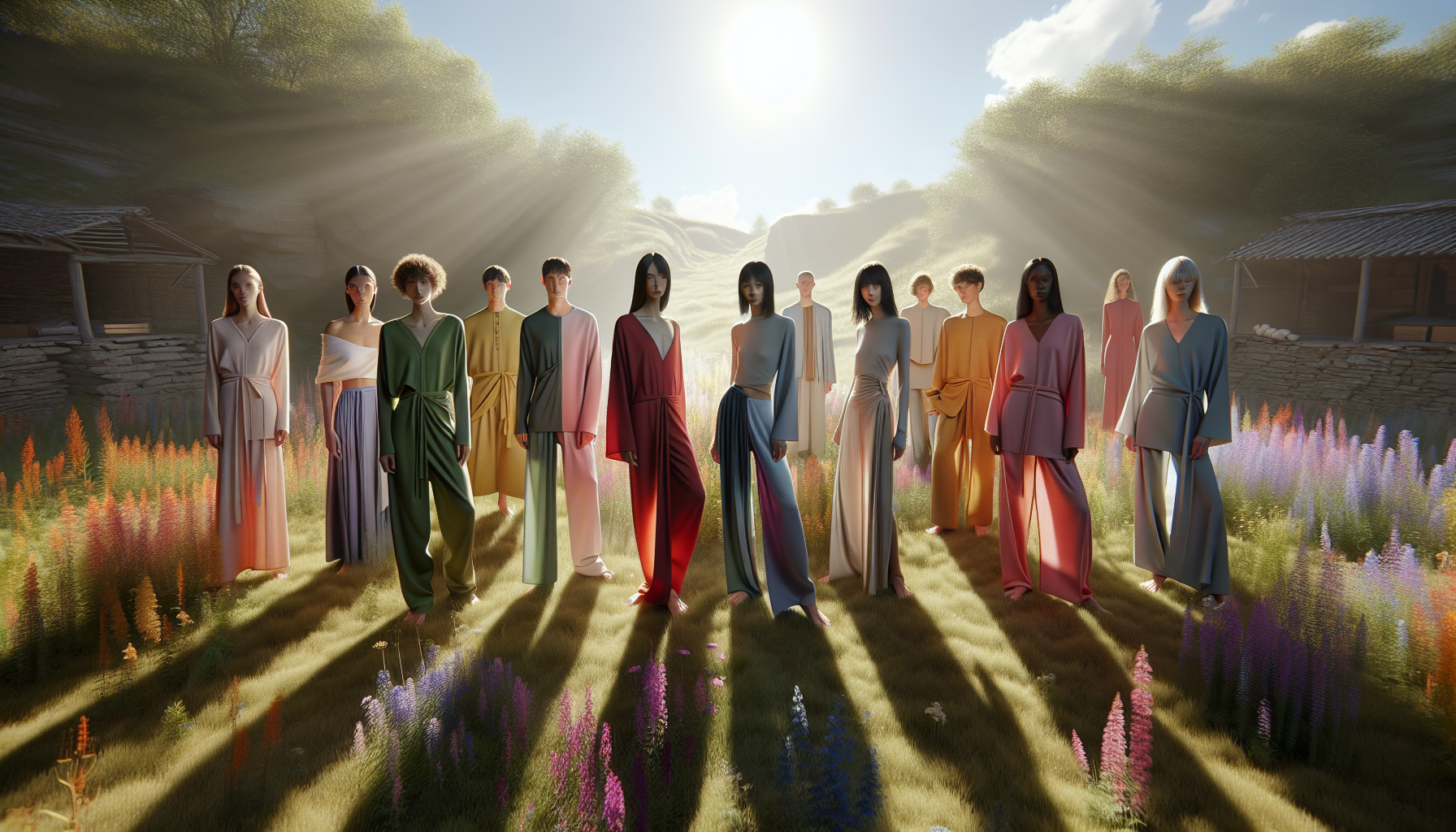
You can’t chat about minimalism without tiptoeing around color—and here, it’s a playground for emotion and intention. Minimalist sustainable outfits lean heavily on muted tones: earthy browns, dusty blues, cloud greys, and soft whites. Sometimes this palette might seem subdued to the untrained eye, but it’s actually loaded with meaning. It whispers stability, calm, and a return to basics—all feelings many of us crave amid today’s chaos.
You ever notice how certain colors make you feel more grounded? That’s not coincidence. These hues connect us to nature and each other. Influencers consciously choose these color stories to send a message: fashion can be gentle, thoughtful, and still highly personal.
Breaking the Mold: Influencers’ Stylistic Twist on Minimalist Sustainability
Minimalism doesn’t mean monotonous. Far from it—these influencers show off plenty of personality through layering, unexpected accessories, or playful tailoring without sacrificing sustainability. It’s like cooking a familiar dish with a twist that makes you sit up and take notice.
In practical terms, this means pairing a simple organic cotton shirt with a vintage belt or crafting an ensemble around sustainably made statement boots. Sometimes it’s as small as choosing handcrafted jewelry made from recycled metals. These subtle flourishes turn minimal outfits into captivating narratives that feel far from generic.
And hey, there’s something profoundly human in that. We crave expression even as we pare down, and that tension makes the style fascinatingly relatable.
Seasonal Shifts: Minimalism’s Dance With Weather
Now, a question often pops up—how does minimalist sustainable fashion hold up outside the eternal spring of Instagram lighting? The truth is, much like life itself, it’s adaptable. Seasonal changes don’t signal a wardrobe overhaul but rather a thoughtful tweak: layering, texture shifts, and color recalibrations.
Winter calls for organic wool sweaters or recycled cashmere scarves, while summer invites breathable linens and sun-safe hats crafted sustainably. These transitions reflect more than practicality; they echo a commitment to mindfulness. You’re not chasing trends but responding fluidly to nature’s rhythms—and honestly, isn’t that a refreshing step away from fashion’s usual frenzy?
The Tech Angle: Smart Tools Shaping Sustainable Minimalism
Here’s where fashion meets a bit of wizardry. Technology isn’t just shaping how we buy clothes; it’s influencing how we understand their impact. Apps like Good On You give real-time insight into brand ethics, making it easier for influencers and everyday folks alike to make smarter choices.
And beyond that? Cutting-edge innovations in fabric recycling and digital fashion are on the horizon, promising even less waste and more customization. So the clothes influencers boast about today might soon morph seamlessly with smart textiles or virtual runways, merging sustainability with digital flair.
Why Minimalist Sustainability Isn’t Just a Fad
Let’s be real—fashion is fickle. Trends come and go like waves, sometimes washing away what came before. So why is this minimalist sustainable wave different? Because it answers a deeper call. It’s not about flashing logos or mad splurges but about values that endure: respect for the planet, love for craftsmanship, a sense of personal integrity.
This movement isn’t confined to influencers or niche communities—it’s sinking its roots globally. People want clothes that tell a story, that hold meaning beyond just looking good. And minimalism aids this by focusing on essentials, encouraging slow consumption, and celebrating uniqueness.
Looking Ahead: What’s Next in Minimalist Sustainable Fashion?
If you’ve made it this far, you’re probably curious about where this all goes next. Will the trend hold, morph, or fade? My take? It’s evolving, becoming richer and more textured—ironically, more ‘maximal’ in its impact through its intentional simplicity.
Expect to see more circular fashion initiatives, where garments are designed for reuse and rebirth. New collaborations between eco-conscious brands and tech firms will inject fresh energy. And influencers? They’ll keep pushing boundaries, challenging us to rethink what clothing means and how it fits into our values.
The future looks promising because it’s grounded, much like the outfits themselves: steady, thoughtful, and quietly revolutionary.
FAQ
It’s a collection of clothing pieces designed to be simple, timeless, and versatile, made from eco-friendly or recycled materials, crafted ethically to reduce environmental and social harm.
Many rely on transparency reports, certifications like Fair Trade or GOTS, customer reviews, and tools like Good On You to vet brands that align with their values and audience expectations.
Muted tones reflect calmness and connection to nature, reinforcing the minimalist and sustainable ethos. They also offer longevity, as these shades stay timeless rather than fading with trends.
Absolutely! Fashion needn’t scream to be noticed. Minimalist sustainable outfits combine subtlety and sophistication, often with thoughtful details that showcase personality while maintaining eco-consciousness.
Begin by evaluating what you really need, choose quality over quantity, prioritize secondhand or ethically made pieces, and get to know brands’ stories before buying. Patience is key here.
Disclaimer
This article is for informational and educational purposes only. Readers are encouraged to do their own research and make personal decisions regarding sustainable fashion based on their individual circumstances and values.
function toggleAnswer(questionElement) {
const answer = questionElement.nextElementSibling;
if (answer.style.display === “block”) {
answer.style.display = “none”;
} else {
const allAnswers = document.querySelectorAll(‘.accordion-answer’);
allAnswers.forEach(ans => ans.style.display = ‘none’); // Close all other answers
answer.style.display = “block”;
}
}
Categories
- Activewear (160)
- Athletic Jackets (12)
- Comfortable Leggings (14)
- Cozy Joggers (15)
- Functional Sports Shorts (20)
- Stylish Tank Tops (20)
- Supportive Sports Bras (20)
- Yoga Pants (20)
- Yoga Tops (18)
- Bottoms (43)
- Classic Capris (4)
- Comfortable Leggings (4)
- Fashion Shorts (3)
- Skirts (12)
- Stylish Jeans (4)
- Stylish Overalls (4)
- Tailored Trousers (4)
- Unique Jumpsuits (4)
- Curved Fashion (73)
- Dresses (148)
- Boho Dresses (6)
- Casual Dresses (5)
- Cocktail Dresses (4)
- Evening Dresses (10)
- Floral Dresses (15)
- Little Black Dresses (6)
- Maxi Dresses (5)
- Midi Dresses (5)
- Plus-Size Dresses (5)
- Summer Dresses (5)
- Fashion Trends (82)
- Luxury & Designer (94)
- Outfit Inspiration (73)
- Style Guides (67)
- Sustainable Fashion (66)
- Swimwear (122)
- Chic Cover-Ups (6)
- Maternity Swimwear (4)
- One-Piece Swimsuits (5)
- Plus-Size Swimwear (3)
- Stylish Bikinis (7)
- Swim Dresses (6)
- Swim Skirts (7)
- Trendy Tankinis (6)
- Tops (61)
- Button-Down Shirts (4)
- Casual T-Shirts (10)
- Comfortable Hoodies (6)
- Cozy Sweaters (5)
- Elegant Tunics (8)
- Feminine Blouses (8)
- Off-Shoulder Tops (5)
- Stylish Tank Tops (4)
- Trendy Crop Tops (6)
- Travel & Lifestyle Fashion (67)
- Trend Reports (88)
- Workwear & Professional (72)