The Best Editor-Approved Winter Jackets to Keep You Cozy and Chic
Winter. Just the word can send a shiver down your spine, right? But it doesn’t have to be all doom and gloom. With the right gear – and let’s be honest, the right jacket – you can actually enjoy the frosty months. Think brisk walks in the park, sipping hot cocoa by the fire, and maybe even a snowball fight or two (if you’re feeling adventurous!).
Why Trust Editor Picks, Anyway?
You might be thinking, “Okay, another list of ‘best’ products. What makes this one different?” Well, these aren’t just random picks. We’ve tapped into the collective wisdom of seasoned fashion editors – the folks who live and breathe style, and who know a thing or two about quality and performance. They’ve sifted through countless options to bring you jackets that are not only warm and functional but also seriously stylish. Plus, they consider things like sustainability and ethical production, which, honestly, we should all be thinking about these days.
The Anatomy of a Great Winter Jacket: What to Look For
So, what exactly separates a good winter jacket from a truly exceptional one? Let’s break it down.
Insulation: The Warmth Factor
First and foremost, insulation is key. This is what keeps you toasty when the temperatures plummet. You’ve got a couple of main options here:
* **Down:** The gold standard for warmth-to-weight ratio. Down jackets are incredibly lightweight and compressible, making them ideal for travel or activities where you need to pack light. The fill power (measured in cubic inches per ounce) indicates the quality and loft of the down. Higher fill power means more warmth for the same weight. But, and this is a big but, down loses its insulating properties when wet. So, if you live in a particularly rainy or snowy climate, you might want to consider a water-resistant or waterproof shell. Imagine being caught in a downpour, and your jacket turns into a soggy, cold mess? Not fun.
* **Synthetic Insulation:** A great alternative to down, especially if you’re concerned about moisture. Synthetic fills like PrimaLoft® or Thinsulate™ retain their warmth even when wet. Plus, they’re often more affordable than down and easier to care for. If you’re allergic to down, or you need a jacket that can handle seriously wet conditions, synthetic insulation is the way to go. These are great for everyday wear, especially if you cycle to work or are out walking the dog.
Shell Fabric: Protection from the Elements
The shell fabric is the outer layer of the jacket that protects you from wind, rain, and snow. It’s crucial to choose a fabric that’s durable, water-resistant, and breathable. You don’t want to feel like you’re wearing a plastic bag, trust me.
* **Waterproof vs. Water-Resistant:** These terms are often used interchangeably, but they actually mean different things. Waterproof fabrics are completely impermeable to water, while water-resistant fabrics can repel water to some extent but may eventually wet out in heavy rain. Look for jackets with a waterproof rating (measured in millimeters) to ensure maximum protection.
* **Breathability:** Just as important as waterproofing, breathability allows moisture vapor (sweat) to escape from inside the jacket, preventing you from getting clammy and cold. Look for jackets with a breathability rating (measured in grams per square meter per day). The higher the number, the more breathable the fabric.
Features that Matter: Hoods, Pockets, and More
Beyond insulation and shell fabric, there are a few other features to consider. These can make a huge difference in terms of comfort and functionality.
* **Hood:** A good hood is essential for protecting your head and face from the elements. Look for a hood that’s adjustable, so you can customize the fit to your head. A detachable hood is a nice option for milder days when you don’t need the extra protection.
* **Pockets:** You can never have too many pockets, right? Look for a variety of pockets, including handwarmer pockets, chest pockets, and interior pockets for storing your phone, keys, and wallet.
* **Cuffs and Hem:** Adjustable cuffs and hem help to seal out drafts and keep you warm. Look for cuffs with velcro closures or internal knit cuffs for added protection. An adjustable hem drawcord allows you to cinch the jacket tight around your hips, preventing cold air from entering from below.
Editor’s Choice: The Top Winter Jackets of the Season
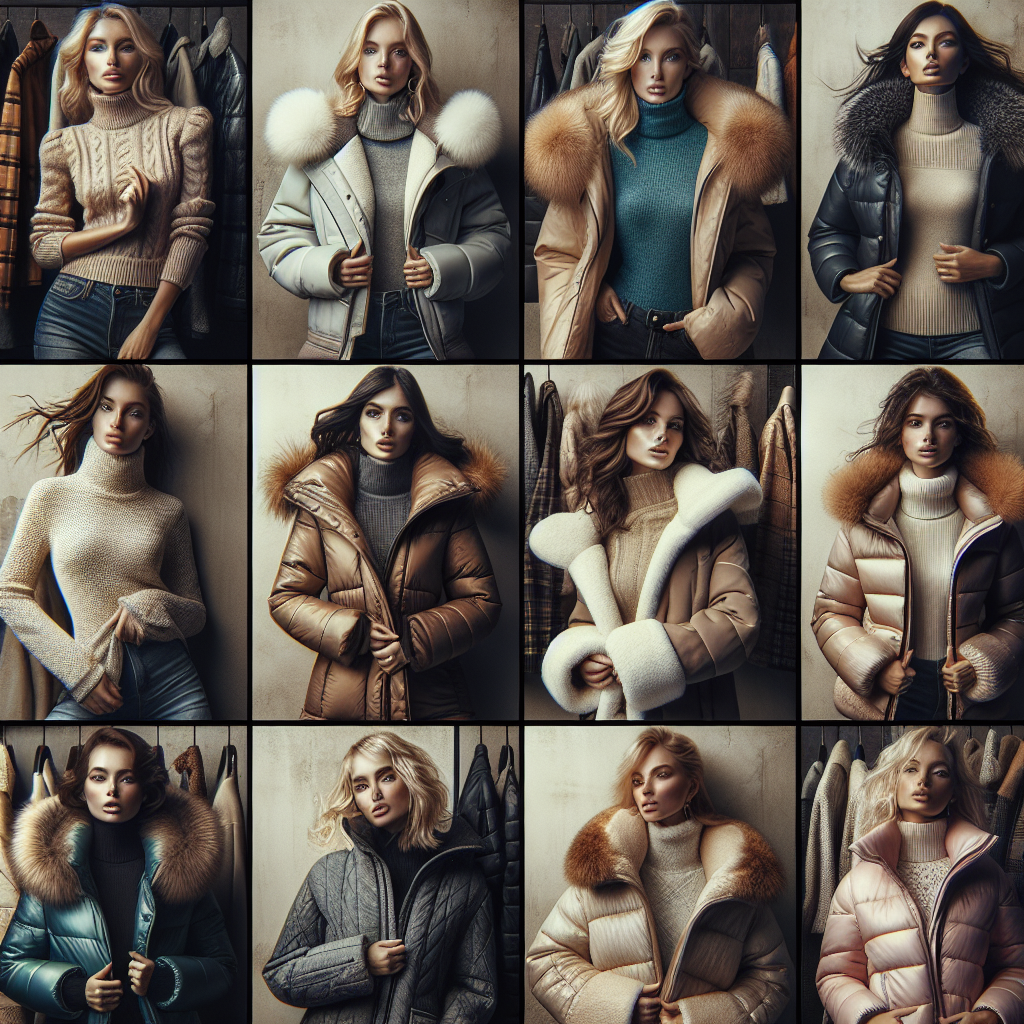
Alright, let’s get to the good stuff! Here are a few editor-approved winter jackets that are sure to keep you cozy and chic all season long. I’ve broken them down into categories to help you find the style that best suits your needs and budget.
The Everyday Essential: The Versatile Parka
A parka is a classic winter staple that’s perfect for everyday wear. It’s typically a longer-length jacket with a hood, offering ample coverage and warmth. Parkas are incredibly versatile and can be dressed up or down, making them a great choice for everything from running errands to commuting to work.
**Editor’s Pick:** *The Fjallraven Nuuk Parka* – A longer style parka that’s also weather proof and made from recycled materials. Check it out here.
Features might include:
* Durable, water-resistant shell fabric
* Insulated with down or synthetic fill
* Adjustable hood with faux fur trim (often removable)
* Multiple pockets for storage
* Longer length for added coverage
The City Slicker: The Stylish Wool Coat
For a more polished and sophisticated look, a wool coat is a timeless choice. Wool is naturally warm, breathable, and water-resistant, making it an excellent material for winter outerwear. A well-tailored wool coat can elevate any outfit, whether you’re heading to a business meeting or a night out on the town.
You know what? A good wool coat is an investment. It’s something you can wear for years to come, and it will never go out of style. Think Audrey Hepburn bundled up in a classic black wool coat…iconic!
Things to consider:
* High-quality wool fabric (look for blends with cashmere or alpaca for added softness)
* Classic silhouette (e.g., double-breasted, single-breasted, A-line)
* Tailored fit (ensure the coat fits well over layers)
* Neutral color (black, navy, gray, camel) for maximum versatility
The Adventure Seeker: The Technical Down Jacket
If you’re planning on spending a lot of time outdoors this winter, you’ll need a technical down jacket that can handle the elements. These jackets are designed for high-performance activities like hiking, skiing, and snowboarding. They’re typically lightweight, compressible, and highly water-resistant.
Honestly, these jackets can get a bit pricey, but they’re worth the investment if you’re serious about staying warm and comfortable in extreme conditions. Think of it this way: it’s an investment in your happiness!
Key Features:
* Lightweight, breathable shell fabric
* High-fill-power down insulation
* Water-resistant or waterproof coating
* Helmet-compatible hood
* Articulated sleeves for freedom of movement
* Multiple pockets, including a chest pocket for a phone or GPS
The Budget-Friendly Find: The Affordable Puffer Jacket
You don’t have to break the bank to stay warm this winter. There are plenty of affordable puffer jackets that offer decent warmth and style. Puffer jackets are typically filled with synthetic insulation, making them a budget-friendly alternative to down. They’re also a great option for everyday wear, especially if you’re not planning on spending a lot of time in extreme weather.
Here’s the thing: While these might not last as long as pricier options, you can find puffers that really deliver on style. Don’t be afraid to experiment with different colors and silhouettes!
Look for:
* Durable, water-resistant shell fabric
* Synthetic fill insulation
* Simple design with minimal features
* Affordable price point (under $150)
* Stylish color or pattern (optional)
The Eco-Conscious Choice: The Sustainable Winter Coat
For those who are passionate about sustainability, there are now many winter coats made from recycled materials or with eco-friendly production practices. These coats are not only good for the environment but also stylish and functional. Look for brands that are transparent about their sustainability efforts and certifications.
Let me explain: Sustainable fashion is becoming increasingly important, and it’s great to see so many brands embracing eco-friendly practices. By choosing a sustainable winter coat, you can feel good about your purchase and reduce your impact on the planet.
Things to note:
* Recycled materials (e.g., recycled polyester, recycled nylon)
* Organic cotton lining
* Bluesign® certified fabrics
* Ethical production practices
* Fair Trade certification
Caring for Your Winter Jacket: Making It Last
Once you’ve found the perfect winter jacket, it’s important to take care of it properly to ensure it lasts for years to come. Here are a few tips for caring for your winter jacket:
* **Read the care label:** Follow the manufacturer’s instructions for washing and drying.
* **Wash your jacket sparingly:** Over-washing can damage the fabric and insulation.
* **Use a mild detergent:** Avoid harsh chemicals or bleach.
* **Tumble dry on low heat:** If you’re drying a down jacket, add a few clean tennis balls to the dryer to help fluff the down.
* **Store your jacket properly:** Hang it in a closet or store it in a breathable bag to prevent mildew.
Beyond the Jacket: Layering for Extra Warmth
Even the best winter jacket can benefit from a little extra layering. Wearing multiple layers of clothing allows you to adjust your warmth level as needed and stay comfortable in a variety of conditions.
Here’s the breakdown:
* **Base Layer:** A moisture-wicking base layer (e.g., merino wool, synthetic) helps to keep you dry and comfortable by drawing sweat away from your skin.
* **Mid Layer:** An insulating mid-layer (e.g., fleece, down vest) adds extra warmth without adding bulk.
* **Outer Layer:** Your winter jacket provides protection from wind, rain, and snow.
Staying Cozy and Chic All Winter Long
Finding the perfect winter jacket is all about balancing warmth, style, and functionality. By considering your needs and preferences, you can choose a jacket that will keep you cozy and chic all season long. Don’t forget to layer up, take good care of your jacket, and most importantly, enjoy the winter months!
Frequently Asked Questions
DISCLAIMER
This article is for informational purposes only and should not be considered professional advice. Product recommendations are based on editor opinions and availability. Always check product specifications and reviews before making a purchase. We may earn a commission from purchases made through the provided links. Please consult with a qualified professional for personalized advice.
// JavaScript for the FAQ section
document.addEventListener(‘DOMContentLoaded’, function() {
const faqQuestions = document.querySelectorAll(‘.faq-question’);
faqQuestions.forEach(question => {
question.addEventListener(‘click’, function() {
const answer = this.nextElementSibling;
answer.classList.toggle(‘active’);
});
});
});
Categories
- Activewear (160)
- Athletic Jackets (12)
- Comfortable Leggings (14)
- Cozy Joggers (15)
- Functional Sports Shorts (20)
- Stylish Tank Tops (20)
- Supportive Sports Bras (20)
- Yoga Pants (20)
- Yoga Tops (18)
- Bottoms (43)
- Classic Capris (4)
- Comfortable Leggings (4)
- Fashion Shorts (3)
- Skirts (12)
- Stylish Jeans (4)
- Stylish Overalls (4)
- Tailored Trousers (4)
- Unique Jumpsuits (4)
- Curved Fashion (73)
- Dresses (148)
- Boho Dresses (6)
- Casual Dresses (5)
- Cocktail Dresses (4)
- Evening Dresses (10)
- Floral Dresses (15)
- Little Black Dresses (6)
- Maxi Dresses (5)
- Midi Dresses (5)
- Plus-Size Dresses (5)
- Summer Dresses (5)
- Fashion Trends (82)
- Luxury & Designer (94)
- Outfit Inspiration (73)
- Style Guides (67)
- Sustainable Fashion (66)
- Swimwear (122)
- Chic Cover-Ups (6)
- Maternity Swimwear (4)
- One-Piece Swimsuits (5)
- Plus-Size Swimwear (3)
- Stylish Bikinis (7)
- Swim Dresses (6)
- Swim Skirts (7)
- Trendy Tankinis (6)
- Tops (61)
- Button-Down Shirts (4)
- Casual T-Shirts (10)
- Comfortable Hoodies (6)
- Cozy Sweaters (5)
- Elegant Tunics (8)
- Feminine Blouses (8)
- Off-Shoulder Tops (5)
- Stylish Tank Tops (4)
- Trendy Crop Tops (6)
- Travel & Lifestyle Fashion (67)
- Trend Reports (88)
- Workwear & Professional (72)