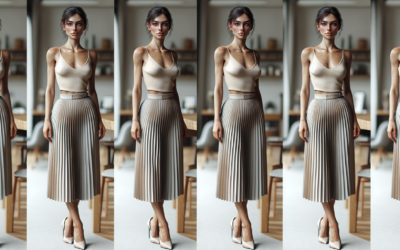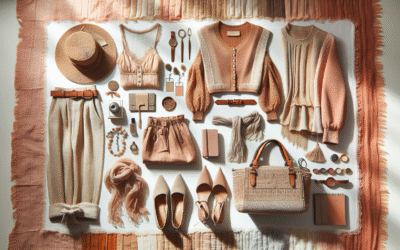
– Sustainable Pastels: Eco-Friendly Outfits for a Conscious Spring
Spring’s Whisper: Why Pastels Always Feel Right
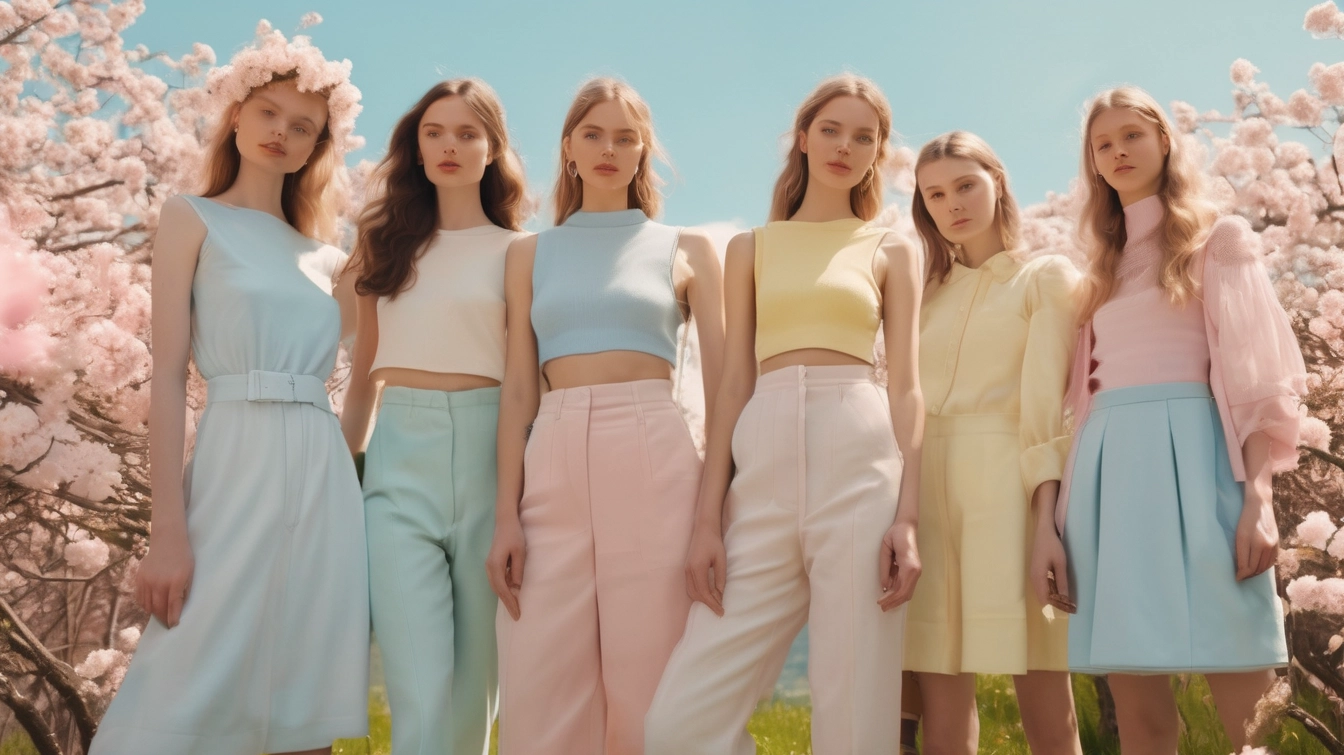
Ah, spring! There’s just something about it, isn’t there? The world shakes off its winter slumber, and suddenly everything feels lighter, fresher, more hopeful. And with that fresh feeling, our wardrobes often follow suit. What better way to welcome the season than with pastels? Those soft, gentle hues – think delicate mints, blushing pinks, sky blues, and creamy yellows – they just *radiate* spring. They’re like a warm hug after a long, cold winter, a visual sigh of relief. You know what I mean?
For ages, pastels have been the undisputed champions of spring fashion. They evoke images of blooming flowers, clear skies, and those lovely, longer daylight hours. But here’s the thing: while these colors feel timeless, the way we produce and consume fashion often isn’t. It’s a bit of a contradiction, isn’t it? Embracing the beauty of nature with clothes that might, unfortunately, be harming it. That’s where sustainability waltzes in, holding hands with our beloved pastels.
Beyond the Bloom: The Urgent Call for Sustainable Fashion
Let’s be frank for a moment. The fashion industry, as incredible as it is in its creativity and ability to express individuality, has a pretty hefty carbon footprint. From the thirsty cotton fields doused in pesticides to the dye houses polluting waterways with toxic chemicals, and the sheer volume of textile waste piling up in landfills – it’s a sobering thought. We’re talking about a significant environmental impact, a real big deal. And honestly, it makes you pause, doesn’t it?
The good news, though, is that more and more people are becoming acutely aware of this. Consumers are starting to ask tougher questions, demanding transparency, and seeking out brands that genuinely care. This isn’t just a fleeting trend; it’s a fundamental shift in consciousness. We’re recognizing that style doesn’t have to come at the planet’s expense. It can, and should, coexist beautifully. Think of it as fashion evolving, growing up, and becoming truly responsible.
What Makes a Pastel “Sustainable,” Anyway? Digging a Little Deeper
So, when we talk about “sustainable pastels,” what exactly are we referring to? It’s more than just a pretty color, that’s for sure. It’s about the entire lifecycle of a garment, from seed to closet and beyond. It’s a journey, really, and each step matters.
The Fabric of Our Future: Eco-Friendly Materials
This is probably the first thing that comes to mind, right? The materials themselves. Gone are the days when “eco-friendly” meant scratchy, shapeless garments. Today, sustainable fabrics are luxurious, comfortable, and incredibly stylish. We’re talking about innovations that would make our grandparents’ jaws drop!
- Organic Cotton: Unlike conventional cotton, which is notoriously chemical-intensive, organic cotton is grown without harmful pesticides or synthetic fertilizers. It preserves soil health, uses less water, and protects farmers from exposure to nasty toxins. It’s softer too, many would argue, feeling lovely against the skin.
- Linen: An absolute classic, linen is derived from the flax plant, which requires very little water and pesticides to grow. It’s naturally breathable, durable, and gets softer with every wash. Plus, it has that wonderfully relaxed, slightly crinkled look that just screams effortless chic.
- Hemp: A powerhouse fiber, hemp grows quickly, needs minimal water, and enriches the soil. It’s super strong, durable, and surprisingly soft when processed correctly. Think of it as linen’s slightly tougher, more resilient cousin.
- Tencel™ Lyocell and Modal: These are fabulous, semi-synthetic fibers made from sustainably sourced wood pulp, typically eucalyptus or beech trees. The production process is a “closed-loop” system, meaning solvents are recycled and reused, significantly reducing environmental impact. They’re incredibly soft, drape beautifully, and are known for their breathability.
- Recycled Materials (Polyester, Cotton): Giving new life to old materials is a game-changer. Recycled polyester, often made from plastic bottles, diverts waste from landfills and reduces the need for virgin fossil fuels. Recycled cotton helps reduce textile waste. It’s like magic, turning trash into treasure!
Dyeing Responsibly: Color That Doesn’t Cost the Earth
Now, let’s talk about those beautiful pastel shades. Conventional dyeing processes can be incredibly polluting, using vast amounts of water and often discharging untreated wastewater laden with chemicals into rivers. It’s a grim picture, truly.
Sustainable dyeing methods offer a much brighter alternative:
- Natural Dyes: Derived from plants, insects, and minerals, these dyes offer a beautiful, subtle palette. Think onion skins for soft yellows, indigo for blues, or cochineal for delicate pinks. While they might not offer the hyper-pigmented vibrancy of synthetic dyes, their natural variations and earthy tones are part of their charm.
- Low-Impact Synthetic Dyes: When natural dyes aren’t feasible or desired, low-impact synthetic dyes are a better choice. These are certified to contain fewer heavy metals and toxic chemicals, and the dyeing processes often use less water and energy. It’s about making smarter choices, you know?
- Digital Printing: This innovative technique uses significantly less water and dye than traditional methods because it applies color directly to the fabric, only using what’s needed. Plus, it allows for incredible design flexibility.
Ethical Production: People Behind the Pastels
Sustainability isn’t just about the planet; it’s also about its people. Ethical production ensures fair wages, safe working conditions, and respect for human rights throughout the supply chain. This means no sweatshops, no child labor, and real dignity for the artisans and factory workers who bring our clothes to life. When a brand talks about sustainability, I’m always listening for their commitment to the folks making the garments. It’s non-negotiable, really.
Crafting Your Conscious Pastel Wardrobe: Where to Begin?
Okay, so you’re ready to embrace sustainable pastels – excellent! But where do you even start? Building a conscious wardrobe, especially one that nails those soft spring hues, can feel a bit daunting at first. Don’t worry, it’s actually incredibly rewarding and, honestly, quite fun. It’s about being mindful, not perfect.
The Power of the Piece: Building Blocks for Spring
Think about versatile pieces that can be mixed and matched. That’s the secret, truly. A truly sustainable wardrobe is a functional one, not just a pretty one.
Here are some pastel essentials to consider:
- The Everyday Tee: An organic cotton tee in a gentle pastel like sky blue or soft peach. This is your workhorse! Layer it under a cardigan, tuck it into a skirt, or wear it with jeans. It’s incredibly versatile.
- The Breezy Blouse: Look for a linen or Tencel™ blouse in lavender or mint green. Perfect for warmer days, it offers an elevated yet relaxed feel. Pair it with trousers for work or shorts for a weekend getaway.
- The Comfy Cardigan: A delicate knit cardigan in a creamy vanilla or pale grey-blue can be your best friend on those in-between spring days. Choose one made from recycled cotton blends or a fine organic wool.
- The Flowy Skirt or Dress: Picture a midi-length skirt or a darling sundress in a subtle floral pastel print made from organic cotton or linen. This is where spring really comes alive!
- Sustainable Denim: Yes, even denim can go pastel! Look for jeans in light washes or even dyed with natural pastel tones, made from organic cotton or recycled blends, with low-impact washing processes.
The Art of Layering: Making Pastels Work Harder
Spring weather, bless its fickle heart, can change its mind several times a day. One minute it’s warm, the next there’s a cool breeze. Layering is your secret weapon, and pastels lend themselves beautifully to it. Imagine a soft mint green camisole under an open blush pink cardigan, maybe with a light scarf in a creamy yellow. It’s cohesive, it’s chic, and it keeps you comfortable. This really lets your sustainable pieces sing, allowing you to wear them more often.
Beyond Buying New: Other Ways to Embrace Sustainable Pastels
Sustainability isn’t just about making good choices when you buy something new. It’s also about everything else! It’s about extending the life of what we already have and rethinking our consumption habits entirely. And honestly, this part can be even more rewarding.
Thrift Store Treasures & Upcycling Magic
Oh, the thrill of the hunt! Vintage and thrift stores are absolute goldmines for unique pastel pieces. You might find a gorgeous silk blouse from decades past, a perfectly broken-in denim jacket in a faded pastel wash, or a lovely linen dress just waiting for a new home. It’s sustainable because you’re actively reducing demand for new production and keeping clothes out of landfills. Plus, you get something truly individual that no one else will have. And if it’s not quite right? Well, that’s where upcycling comes in!
A little DIY magic can transform a dated piece into something fresh and current. A pastel denim jacket found at a thrift store could get some embroidered floral details, or a plain top could be naturally dyed to a soft new hue. There are so many resources online for DIY upcycling projects these days!
Renting, Swapping, and Sharing: The Circular Fashion Movement
Let’s face it: some pieces we only need for a special occasion. Instead of buying something new that might only be worn once or twice, consider renting. Many services allow you to borrow designer pieces, including stunning pastel gowns or suits, for a fraction of the cost of buying them. It’s smart, economical, and incredibly sustainable.
Fashion swaps with friends are also fantastic! Gather your pals, bring clothes you no longer wear, and trade. It’s like getting a whole new wardrobe without spending a dime, and it’s a wonderful way to give your clothes a second life. We should all be doing more of this, seriously.
Caring for Your Conscious Pastels: Extend Their Life, Love Them Longer
Once you’ve invested in those beautiful, sustainably made pastel pieces, the next step is to make sure they last. Proper care is key, and it’s often much simpler than we make it out to be. Think of it as a little act of love for your clothes and the planet.
- Wash Less, Wear More: Unless something is visibly dirty or smells, you probably don’t need to wash it after every wear. Often, a good airing out is all it needs. This drastically reduces water and energy consumption.
- Cold Water is Your Friend: Most modern detergents work perfectly well in cold water, and it’s much gentler on fabrics (preventing fading and shrinkage) and saves a significant amount of energy.
- Gentle Cycle, Mild Detergents: Opt for a delicate cycle and use eco-friendly, biodegradable detergents. Harsh chemicals aren’t good for your clothes or the environment.
- Air Dry When Possible: The dryer is a real energy hog and can be tough on fabrics, causing them to wear out faster. Hanging clothes to dry, especially delicate pastels, preserves their shape and color. Plus, there’s nothing quite like the smell of line-dried clothes, is there?
- Repair, Don’t Replace: A small tear, a loose button, a tiny stain – these are not reasons to discard a garment! Learning basic mending skills or taking items to a tailor can extend their life for years. It’s an old-school practice that’s making a huge comeback, and for good reason.
A Few Lovely Brands Leading the Pastel Revolution (and Where to Find Them!)
Okay, so you’re feeling inspired and ready to shop consciously. That’s awesome! Finding truly sustainable pastel pieces involves knowing which brands are doing the right thing. Here are a few examples, but honestly, this space is growing so fast, so always keep an eye out for new players.
- Everlane: Known for their transparency and commitment to high-quality, ethically made basics, Everlane often features lovely pastel pieces in organic cotton and Tencel™. They’re pretty good at explaining how their clothes are made, which I appreciate.
- Christy Dawn: This brand focuses on “farm-to-closet” practices, often using deadstock fabrics (leftover materials from other brands) and organic cotton. Their dresses often come in the most beautiful, earthy pastels. Their commitment is truly inspiring, if a little niche.
- Reformation: A very popular choice for sustainable fashion, Reformation uses sustainable materials like Tencel™, organic cotton, and recycled fabrics. They often have gorgeous dresses, tops, and skirts in a range of pastel shades perfect for spring. Their dedication to sustainability reports is pretty impressive.
- Kotn: Specializing in ultra-soft organic Egyptian cotton, Kotn offers fantastic essentials in soft, muted tones that perfectly capture the pastel vibe. Their commitment to the cotton farmers in the Nile Delta is something truly special.
When you’re out and about, look for certifications like GOTS (Global Organic Textile Standard), Fair Trade Certified, or OEKO-TEX Standard 100. These are like little badges of honor, telling you a brand is serious about its sustainable and ethical practices.
The Ripple Effect: Your Conscious Choices Matter
Choosing sustainable pastels isn’t just about looking good (though you absolutely will!). It’s about making a statement with your style. It’s about supporting companies that prioritize people and the planet over fast profits. It’s about being a part of a larger movement towards a more conscious, circular economy. Each time you choose an organic cotton sweater or a Tencel™ dress, you’re voting with your wallet for a better future. It really does make a difference, even if it feels small at the moment.
So, this spring, as the world unfurls in soft hues, let your wardrobe reflect that beauty and hope. Embrace those gentle mints, delicate pinks, and serene blues, knowing that your fashion choices are as beautiful for the planet as they are for you. Isn’t that a wonderful thought?
Happy conscious dressing!
Frequently Asked Questions About Sustainable Pastels
function toggleAnswer(element) {
element.classList.toggle(‘active’);
var answer = element.nextElementSibling;
if (answer.style.display === “block”) {
answer.style.display = “none”;
} else {
answer.style.display = “block”;
}
}
DISCLAIMER
The information provided in this article is for general informational purposes only and does not constitute professional advice. While we strive to offer accurate and up-to-date content, readers should conduct their own research and consult with relevant experts before making any purchasing decisions or adopting new practices. Product recommendations are based on widely available information at the time of writing and are not endorsements of specific brands or claims. Individual results may vary, and environmental impacts are complex. Always verify product certifications and brand claims independently.
Categories
- Activewear (160)
- Athletic Jackets (12)
- Comfortable Leggings (14)
- Cozy Joggers (15)
- Functional Sports Shorts (20)
- Stylish Tank Tops (20)
- Supportive Sports Bras (20)
- Yoga Pants (20)
- Yoga Tops (18)
- Bottoms (43)
- Classic Capris (4)
- Comfortable Leggings (4)
- Fashion Shorts (3)
- Skirts (12)
- Stylish Jeans (4)
- Stylish Overalls (4)
- Tailored Trousers (4)
- Unique Jumpsuits (4)
- Curved Fashion (73)
- Dresses (148)
- Boho Dresses (6)
- Casual Dresses (5)
- Cocktail Dresses (4)
- Evening Dresses (10)
- Floral Dresses (15)
- Little Black Dresses (6)
- Maxi Dresses (5)
- Midi Dresses (5)
- Plus-Size Dresses (5)
- Summer Dresses (5)
- Fashion Trends (82)
- Luxury & Designer (94)
- Outfit Inspiration (73)
- Style Guides (67)
- Sustainable Fashion (66)
- Swimwear (122)
- Chic Cover-Ups (6)
- Maternity Swimwear (4)
- One-Piece Swimsuits (5)
- Plus-Size Swimwear (3)
- Stylish Bikinis (7)
- Swim Dresses (6)
- Swim Skirts (7)
- Trendy Tankinis (6)
- Tops (61)
- Button-Down Shirts (4)
- Casual T-Shirts (10)
- Comfortable Hoodies (6)
- Cozy Sweaters (5)
- Elegant Tunics (8)
- Feminine Blouses (8)
- Off-Shoulder Tops (5)
- Stylish Tank Tops (4)
- Trendy Crop Tops (6)
- Travel & Lifestyle Fashion (67)
- Trend Reports (88)
- Workwear & Professional (72)