Plus-Size & Sustainable: Women’s Fashion Brands Championing Inclusivity in 2025
Okay, let’s talk fashion. Not just any fashion, but the kind that makes you feel good, looks good, and *does* good. We’re diving into the world of plus-size and sustainable women’s fashion brands that are not just existing in 2025, but absolutely killing it. Think inclusivity, environmental responsibility, and style all rolled into one fabulous package. Honestly, what’s not to love?
The Rise of Conscious Consumerism
You know what? People are waking up. We’re more aware than ever about where our money goes and the impact our choices have on the planet and the people who make our clothes. Fast fashion? Yeah, it’s a no from us. We’re demanding better. I mean, isn’t it about time?
Conscious consumerism isn’t just a trend; it’s a shift. It’s about asking questions: Who made my clothes? What materials were used? Were they treated fairly? It’s kinda like that organic food craze, but for your wardrobe. And just like with food, once you know better, you *do* better (or at least try to, right?). This is especially true for plus-size fashion where the demand for ethical and sustainable options has been historically underserved. We’re talking about a real desire for change. Plus, let’s be real, ethical brands often make clothes that last longer, which is a win-win.
Why Plus-Size Fashion Needs a Sustainable Revolution
Here’s the thing: plus-size fashion has traditionally been overlooked in the sustainable movement. It’s like, for years, the industry acted like curves didn’t exist. And when it *did* cater to plus sizes, sustainability often went out the window. Think about it: limited options, lower quality materials, and a whole lot of greenwashing. Not cool, right?
But the times? They are a-changin’. There’s a growing recognition that sustainable fashion *must* be inclusive. It’s not enough to offer eco-friendly clothing in sizes 0-12. We need brands that cater to *all* bodies, using sustainable practices every step of the way. I’m talking about ethical sourcing, responsible manufacturing, and designs that flatter and celebrate diverse body types. It’s not just about making a profit; it’s about making a difference.
Key Trends Shaping Plus-Size Sustainable Fashion in 2025
Alright, so what does the future hold? Prepare yourself, because it’s pretty exciting. We’re seeing several trends converge to create a truly inclusive and sustainable fashion landscape.
- Innovative Materials: Think fabrics made from recycled ocean plastic, pineapple leaves (Piñatex), and even mushroom leather (Mylo). These aren’t just eco-friendly; they’re also super innovative and kinda cool.
- Circular Fashion Models: Renting, reselling, and upcycling are becoming mainstream. It’s all about extending the life cycle of clothing and reducing waste. Imagine borrowing a killer dress for a special event instead of buying something you’ll only wear once. Smart, right?
- Tech Integration: From virtual try-on apps to personalized sizing recommendations, technology is making it easier than ever to find clothes that fit and flatter. No more guessing games!
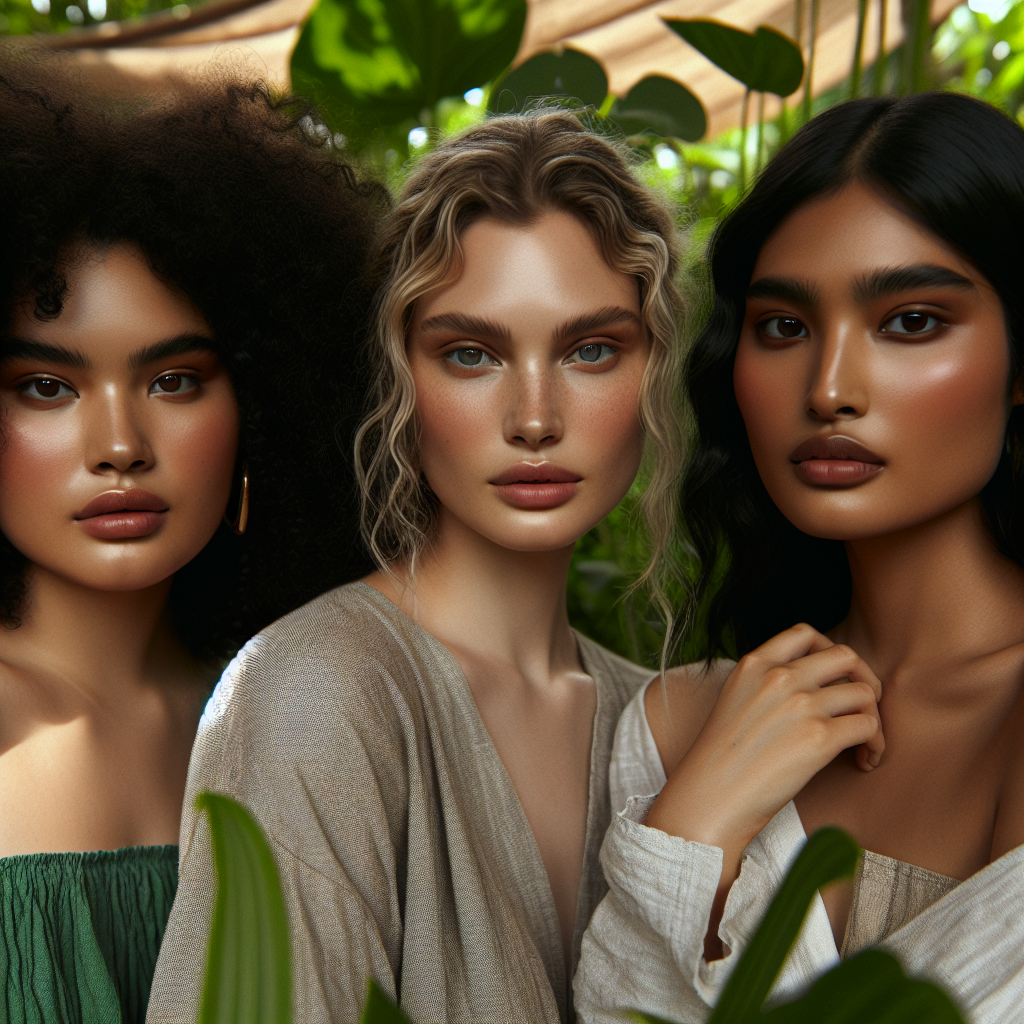
- Body Positivity Advocacy: Brands are finally realizing that representation matters. We’re seeing more diverse models, inclusive marketing campaigns, and a focus on celebrating all body types. Hallelujah!
Spotlight on Brands Leading the Charge
So, who are the real MVPs in this space? Let’s take a look at some brands that are already making waves and are poised to dominate the plus-size sustainable fashion scene in 2025.
- Reformation+: While they’ve been around, their commitment to expanding their plus-size offerings and using sustainable fabrics is noteworthy. They’re not perfect, but they’re making strides, and that’s what counts.
- Universal Standard: Known for its inclusive sizing (00-40!), Universal Standard is a pioneer in the body positivity movement. They use high-quality, sustainable materials and offer timeless designs that will last.
- Girlfriend Collective: This brand is all about transparency and ethical production. They use recycled materials to create stylish activewear in a wide range of sizes. Plus, their marketing campaigns are super inclusive and empowering.
- Mara Hoffman: While a higher price point, Mara Hoffman’s extended sizing and focus on organic and recycled materials show that high fashion can also be sustainable and inclusive.
These are just a few examples, of course. But lots of smaller, independent brands are popping up every day, driven by a passion for sustainability and inclusivity. Keep an eye out for them! Support them! They’re the future!
The Challenges Ahead (and How to Overcome Them)
Let me explain something. It’s not all sunshine and rainbows. While the plus-size sustainable fashion movement is gaining momentum, there are still challenges to overcome.
- Higher Costs: Sustainable fabrics and ethical production often come with a higher price tag. This can make it difficult for plus-size consumers, who often face financial constraints, to access these options.
- Limited Availability: While the situation is improving, plus-size sustainable clothing is still less readily available than mainstream fashion. Finding the perfect piece can take time and effort.
- Greenwashing: Some brands try to capitalize on the sustainability trend without making genuine changes to their practices. Consumers need to be savvy and do their research.
So, how do we tackle these challenges? Here are a few ideas:
- Government Incentives: Governments can offer tax breaks and subsidies to encourage sustainable fashion production.
- Consumer Education: We need to educate consumers about the true cost of fast fashion and the benefits of sustainable alternatives.
- Collaboration: Brands, designers, and influencers need to work together to promote inclusivity and sustainability.
How to Build a Sustainable Plus-Size Wardrobe
Okay, so you’re inspired to make a change. Where do you start? I get it; overhauling your entire wardrobe can feel overwhelming. But don’t worry! Here’s a step-by-step guide to building a sustainable plus-size wardrobe without breaking the bank or losing your mind.
- Assess Your Current Wardrobe: Take inventory of what you already own. What do you love? What do you wear frequently? What can be repaired or upcycled?
- Identify Gaps: What are you missing? Do you need a versatile dress for work? A comfortable pair of jeans? Make a list of essential items.
- Shop Secondhand: Explore thrift stores, consignment shops, and online marketplaces like Poshmark and ThredUp. You can score amazing deals on high-quality clothing.
- Invest in Key Pieces: Choose a few well-made, sustainable items that you know you’ll wear often. Think classic silhouettes and neutral colors that can be mixed and matched.
- Rent or Borrow: For special occasions, consider renting or borrowing clothing instead of buying something new.
- Care for Your Clothes: Wash your clothes in cold water, hang them to dry, and repair them when necessary. Proper care can extend the life of your garments.
The Future is Inclusive and Sustainable
Honestly, the future of fashion is bright. It’s a future where all bodies are celebrated, and the planet is respected. It’s a future where style and sustainability go hand in hand. It’s a future we can all help create. I mean, isn’t that something worth striving for? From innovative materials to conscious consumerism, the pieces are falling into place for a plus-size fashion industry that’s not just stylish, but also equitable and environmentally sound. Let’s keep pushing for progress, supporting brands that get it right, and making mindful choices. After all, our wardrobes are a reflection of our values.
Here’s an external link to an article about sustainable fashion: Sustainable Fashion Guide
Here’s another external link about plus-size inclusivity in fashion: Plus-Size Inclusivity
FAQ: Your Burning Questions Answered
<div class="faq-question"><b>Why is plus-size inclusivity important in sustainable fashion?</b></div>

<div class="faq-answer">Because everyone deserves access to sustainable and ethically made clothing, regardless of their size. Ignoring plus-size consumers perpetuates exclusion and limits the positive impact of the sustainable fashion movement.</div>
<div class="faq-question"><b>How can I identify if a brand is truly sustainable and not just "greenwashing"?</b></div>

<div class="faq-answer">Look for certifications like GOTS (Global Organic Textile Standard) or Fair Trade. Check the brand's website for detailed information about their materials, production processes, and labor practices. If they're transparent about their supply chain, that's a good sign.</div>
<div class="faq-question"><b>What are some affordable ways to build a sustainable plus-size wardrobe?</b></div>

<div class="faq-answer">Shopping secondhand, swapping clothes with friends, renting clothes for special occasions, and investing in versatile, high-quality pieces that will last are all great options.</div>
<div class="faq-question"><b>Are there any specific fabrics I should look for when shopping for sustainable plus-size clothing?</b></div>

<div class="faq-answer">Yes! Look for fabrics like organic cotton, recycled polyester, Tencel (made from sustainably sourced wood pulp), and linen. These materials have a lower environmental impact than conventional fabrics.</div>
<div class="faq-question"><b>How can I properly care for my sustainable clothing to make it last longer?</b></div>

<div class="faq-answer">Wash your clothes in cold water, avoid using harsh detergents, hang them to dry instead of using a dryer, and repair any damages promptly. These simple steps can significantly extend the life of your garments.</div>
<div class="faq-question"><b>What role do influencers play in promoting plus-size sustainable fashion?</b></div>

<div class="faq-answer">Influencers can raise awareness about sustainable brands and promote body positivity. By showcasing diverse bodies and ethical fashion choices, they can inspire their followers to make more conscious purchasing decisions.</div>
DISCLAIMER
Please note: While we strive to provide accurate and up-to-date information, the fashion industry is constantly evolving. Availability of brands, products, and specific sustainability practices may change. Always do your own research and make informed decisions based on your personal values and circumstances. This article is intended for informational purposes only and does not constitute endorsement of any specific brand or product.
const faqQuestions = document.querySelectorAll(‘.faq-question’);
faqQuestions.forEach(question => {

    question.addEventListener('click', () => {

        question.classList.toggle('active');

    });

});Categories
- Activewear (160)
- Athletic Jackets (12)
- Comfortable Leggings (14)
- Cozy Joggers (15)
- Functional Sports Shorts (20)
- Stylish Tank Tops (20)
- Supportive Sports Bras (20)
- Yoga Pants (20)
- Yoga Tops (18)
- Bottoms (43)
- Classic Capris (4)
- Comfortable Leggings (4)
- Fashion Shorts (3)
- Skirts (12)
- Stylish Jeans (4)
- Stylish Overalls (4)
- Tailored Trousers (4)
- Unique Jumpsuits (4)
- Curved Fashion (73)
- Dresses (148)
- Boho Dresses (6)
- Casual Dresses (5)
- Cocktail Dresses (4)
- Evening Dresses (10)
- Floral Dresses (15)
- Little Black Dresses (6)
- Maxi Dresses (5)
- Midi Dresses (5)
- Plus-Size Dresses (5)
- Summer Dresses (5)
- Fashion Trends (82)
- Luxury & Designer (94)
- Outfit Inspiration (73)
- Style Guides (67)
- Sustainable Fashion (66)
- Swimwear (122)
- Chic Cover-Ups (6)
- Maternity Swimwear (4)
- One-Piece Swimsuits (5)
- Plus-Size Swimwear (3)
- Stylish Bikinis (7)
- Swim Dresses (6)
- Swim Skirts (7)
- Trendy Tankinis (6)
- Tops (61)
- Button-Down Shirts (4)
- Casual T-Shirts (10)
- Comfortable Hoodies (6)
- Cozy Sweaters (5)
- Elegant Tunics (8)
- Feminine Blouses (8)
- Off-Shoulder Tops (5)
- Stylish Tank Tops (4)
- Trendy Crop Tops (6)
- Travel & Lifestyle Fashion (67)
- Trend Reports (88)
- Workwear & Professional (72)