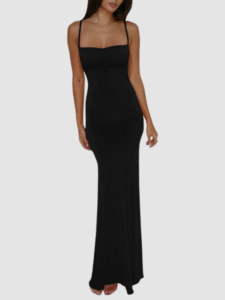

Green Threads: Sustainable Fashion for the Modern Woman
Fashion. It’s more than just clothes, isn’t it? It’s a statement, a reflection of who we are, and frankly, a bit of fun. But what happens when our desire for the latest trends clashes with our responsibility to the planet? That’s where “Green Threads” comes in – sustainable fashion designed for the modern woman who wants to look good and feel good about her choices.
Why Should You Even Care About Sustainable Fashion?
Okay, let’s be real. The fashion industry has a pretty hefty environmental footprint. You know, water usage, carbon emissions, textile waste… the whole shebang. Fast fashion encourages a cycle of constant consumption: buy, wear a few times, toss. It’s like a hamster wheel for your wallet and totally unsustainable for the planet. So, what’s the solution? Sustainable fashion, of course. It’s about creating clothes that are made ethically, with minimal impact on the environment. It’s fashion you can feel good about wearing.
What Exactly Is Sustainable Fashion?
Alright, let’s break it down. Sustainable fashion encompasses a whole range of practices. Think of it as a big umbrella covering everything from eco-friendly materials to fair labor practices. It’s about considering the entire lifecycle of a garment, from the sourcing of raw materials to its eventual disposal. It means thinking critically, asking “where did this come from” and “what’s going to happen to it after I’m done with it?”
Here are a few key elements:
- Eco-friendly Materials: Organic cotton, recycled polyester, bamboo, Tencel – these are just a few examples of materials that are kinder to the environment.
- Ethical Production: Fair wages, safe working conditions, and respect for workers’ rights are crucial.
- Transparency: Brands should be open about their supply chains and production practices.
- Durability: Clothes that are made to last longer reduce the need for constant replacements.
- Circular Economy: Designing clothes that can be easily recycled or repurposed at the end of their life.
Choosing Sustainable Fabrics: Deciphering the Labels
Navigating the world of sustainable fabrics can feel like learning a new language, right? There’s a whole alphabet soup of certifications, materials, and processes to understand. Let’s break it down into something a little less intimidating. We are bombarded by information every day. One useful guide to choosing fabrics is at Made-By Environmental Benchmark for Fibres Made-By Environmental Benchmark for Fibres.
First, consider *what* the fabric is made of. Organic cotton is a big one; it’s grown without the use of harmful pesticides and fertilizers. Recycled polyester, often made from plastic bottles, is another great option – giving a second life to waste. Bamboo is naturally sustainable because it grows quickly and requires minimal water, but the processing can sometimes involve harsh chemicals, so look for certifications. Tencel, derived from sustainably harvested wood pulp, is another environmentally friendly choice that’s also incredibly soft.
Then there are those acronyms and labels. GOTS (Global Organic Textile Standard) certification means the fabric meets strict environmental and social criteria throughout the entire supply chain. OEKO-TEX Standard 100 means the fabric has been tested for harmful substances. Fair Trade certifications ensure workers are paid fair wages and work in safe conditions. And, honestly, sometimes it’s about trusting your gut and doing your research on the brands themselves.
Finding Brands That Walk the Talk
So, where do you actually find these sustainable brands? That’s a valid question! It does take a bit more effort than strolling into your average fast-fashion retailer, but trust me, it’s worth it. A good starting point is to look for brands that are transparent about their supply chains. Do they share information about their factories, their materials, and their environmental impact? If so, that’s a good sign.
Online marketplaces that curate sustainable brands are also super helpful. I’ve found some amazing pieces on sites like Wearwell and the Good Trade. They do the vetting for you, so you can shop with confidence. Plus, keep an eye out for brands with certifications like B Corp, which demonstrate a commitment to social and environmental responsibility.
Don’t underestimate the power of local boutiques and vintage shops, either! These are often treasure troves of unique, sustainable pieces. Check out Etsy, too. You can support small, independent designers who are passionate about creating eco-friendly clothing. Word of mouth can be a huge help as well. Talk to friends, family, and coworkers and create your own directory.
Building a Sustainable Wardrobe: It’s a Marathon, Not a Sprint
Okay, slow your roll! Building a sustainable wardrobe isn’t about throwing out everything you own and starting from scratch (unless, of course, your closet is overflowing with clothes you never wear anyway). It’s about making conscious choices, one piece at a time. So how do you build a curated, sustainable wardrobe?
Start by taking inventory of what you already have. What do you love? What do you wear all the time? What can you mend or upcycle? Before buying anything new, ask yourself if you really need it. Can you see yourself wearing it for years to come? Can it be styled in multiple ways? Invest in classic, versatile pieces that will stand the test of time. A well-made trench coat, a pair of high-quality jeans, a simple black dress – these are the building blocks of a sustainable wardrobe.
Think about opting for quality over quantity. You know what I mean? Spending a bit more on a well-made garment that will last for years is often more sustainable (and cost-effective) in the long run than buying several cheap items that will fall apart after a few washes. Extend the life of your clothes by washing them properly, mending them when needed, and storing them carefully between seasons. Seriously, a little TLC goes a long way.
Caring for Your Clothes: Making Them Last Longer
So, you’ve found some amazing sustainable pieces. Great! But guess what? Your job isn’t done yet. How you care for your clothes can have a huge impact on their lifespan and the environment. Washing your clothes less often is a big one. Seriously, do you really need to wash that sweater after wearing it for just a few hours? Spot clean stains and air out your clothes whenever possible.
Washing machines use a lot of water and energy, so try to wash full loads whenever possible. And when you do wash, use cold water and a gentle, eco-friendly detergent. Harsh chemicals can damage your clothes and pollute waterways. Plus, skip the dryer whenever possible! Air drying is much better for your clothes and the environment. If you must use a dryer, use a low heat setting.
Mending and repairing your clothes is a lost art, but it’s a skill worth learning. A simple needle and thread can fix a loose button or a small tear. And if you’re not handy with a needle, find a local tailor or seamstress. They can work wonders! When a garment has reached the end of its life, don’t just toss it in the trash. Donate it, sell it, or recycle it. There are plenty of organizations that accept used clothing for reuse or recycling. Think of textile waste as a resource, not just trash.
Making Sustainable Fashion Accessible: Practical Tips
I get it; sustainable fashion can sometimes seem expensive or out of reach. But it doesn’t have to be! There are plenty of ways to make it more accessible. Shopping secondhand is a fantastic option. Thrift stores, consignment shops, and online marketplaces like ThredUp are treasure troves of unique, affordable clothing. You can find high-quality pieces for a fraction of the original price.
Consider swapping clothes with friends or hosting a clothing swap party. It’s a fun way to refresh your wardrobe without spending any money. Renting clothes is another great option, especially for special occasions. Services like Rent the Runway and Nuuly allow you to rent designer clothing for a fraction of the retail price – perfect for weddings, parties, or just trying out new styles. Before you buy anything new, ask yourself if you really need it or if you can borrow it from a friend. Building a sustainable wardrobe is a journey, not a destination.
The Future of Fashion: Where Do We Go From Here, Honestly?
The future of fashion is looking brighter, albeit with a lot of work still needed. More and more brands are embracing sustainable practices, and consumers are becoming more aware of the impact of their choices. Technology is playing a role, too. Innovations like 3D printing and textile recycling are opening up new possibilities.
But it’s not just up to the brands. We, as consumers, have the power to drive change. By supporting sustainable brands, demanding transparency, and making conscious choices, we can create a more ethical and environmentally responsible fashion industry. It’s about shifting our mindset from a “buy, wear, toss” mentality to one of valuing quality, durability, and longevity. It’s about seeing clothing as an investment, not just a disposable commodity. It’s also about holding brands accountable for their practices. Social media and consumer feedback are powerful tools for driving change.
Let’s keep the conversation going, support brands that are doing things right, and encourage others to join us on this journey. Together, we can make a difference, one sustainable thread at a time.

FAQ About Sustainable Fashion
Here are some common questions about sustainable fashion to help guide you:
function toggleAnswer(id) {
var answer = document.getElementById(id);
if (answer.style.display === “none”) {
answer.style.display = “block”;
} else {
answer.style.display = “none”;
}
}
Disclaimer
This article provides general information about sustainable fashion. Readers should conduct their own research and consult professionals for specific advice. The author and publisher are not responsible for any actions taken based on the information provided. Brands and products mentioned are for illustrative purposes only and do not constitute endorsements. Fashion choices can involve personal preferences and individual circumstances.