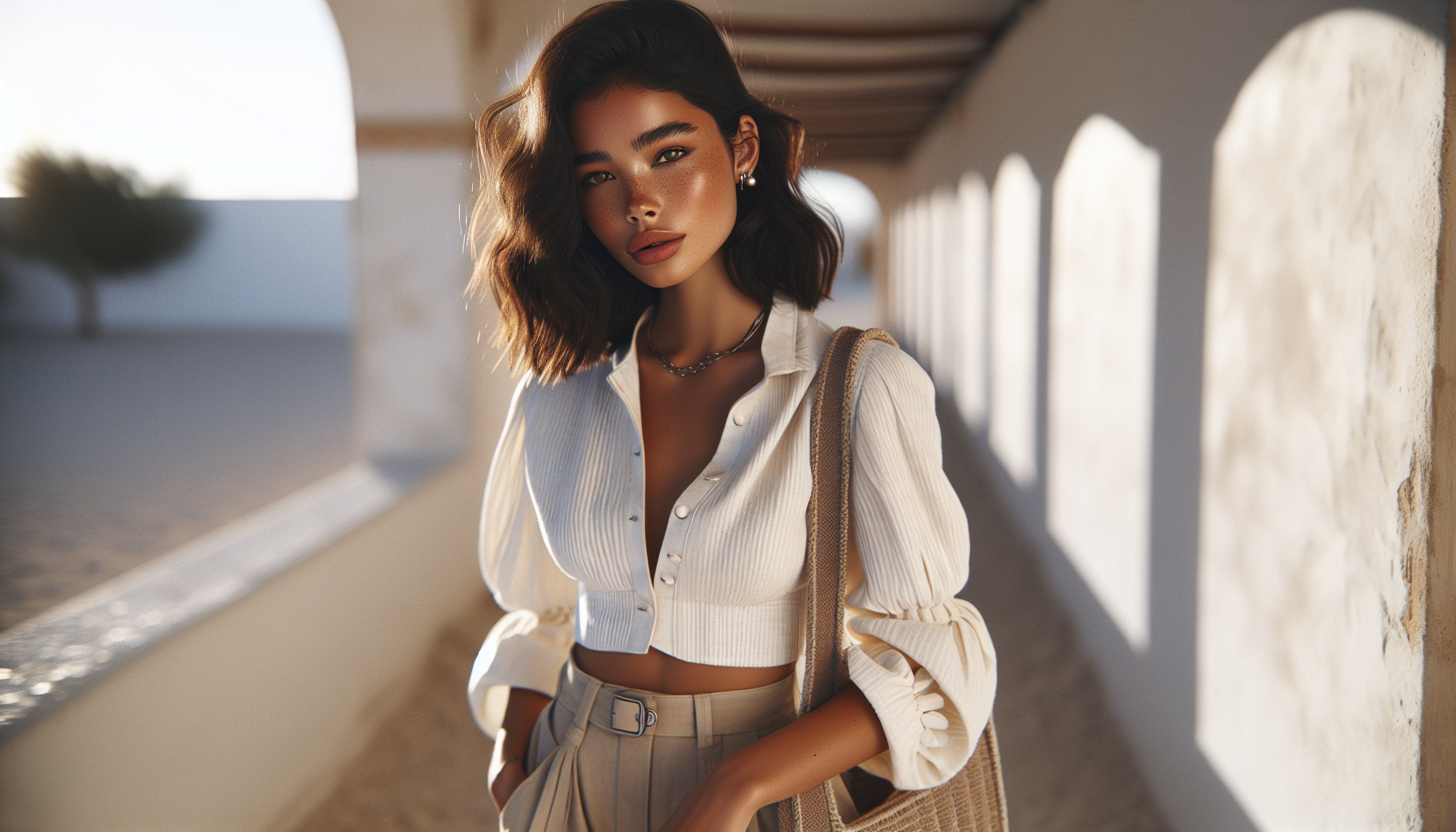
Why Minimalism in Dress Codes is More Than Just a Trend
You know, minimalism often gets a reputation for being stark, maybe even a little boring. But dressed right—or should I say, coded right—it transforms from “simple” to downright powerful. Minimalist dress codes strip away the noise, leaving just what matters. Think less clutter, more clarity. It’s like decluttering your wardrobe and your mind at once.
Here’s the thing: A well-crafted minimalist dress code isn’t just about looking sleek or trendy; it speaks volumes about culture, efficiency, and even emotional well-being within a business or social setting. Who wants to wrestle with a bewildering sea of outfit choices before a big meeting or an important event? That mental energy? Gone. Instead, you get a visual language that says, “I mean business—but I’m not here to waste time.”
But minimalism in dress codes isn’t some rigid form of uniformity either. It’s surprisingly flexible if you know where to focus. Let’s unpack some of these game-changing minimalist dress codes you probably didn’t even realize you needed—whether you run a startup, work in a creative field, or just want to feel less overwhelmed by your wardrobe choices.
“Clean Slate”: The Essential Business Minimalist Dress Code
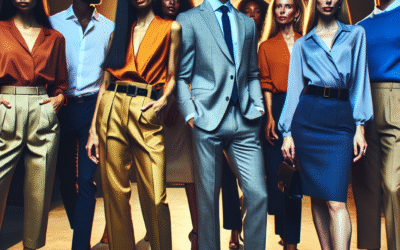
Imagine walking into a room where everyone’s dressed with an impeccable yet subtle uniform emptiness—no loud prints, wild patterns, or bold logos stealing the spotlight. That’s the essence of the “Clean Slate” approach. It’s cultivated simplicity, a nod to professionals who understand that sometimes the best way to stand out is by not distracting at all.
This dress code strips business attire to its core: think neutral tones, impeccable fits, and timeless cuts. It’s almost like a silent handshake—respectful, deliberate, and universally appreciated. You won’t find flashy ties or statement necklaces here, but you will find crisp white shirts, charcoal blazers, and sleek black trousers delivering quiet confidence.
Have you noticed how heavy meetings get when everyone’s wearing wildly different outfits? This dress code actually helps keep the mental bandwidth free. It’s akin to swapping a complicated spreadsheet for a clean, user-friendly dashboard—everyone can focus on what really matters.
Heads up — Brands like Everlane and Theory have been championing this vibe, making investment pieces feel less intimidating and more accessible. For those who want a business wardrobe that won’t stress on laundry day, this one’s a keeper.
“Effortless Edge”: When Minimalism Meets Creativity
Now, here’s where things get juicy. Minimalism doesn’t mean bland. In fact, with the “Effortless Edge,” it’s about refining your creative expression with a minimalist lens that keeps things fresh without being over the top. It’s like jazzing up a black canvas with a single, striking brushstroke.
Picture a muted color palette punctuated with an unexpected detail—maybe a slightly asymmetric hem, a hint of texture, or a statement shoe that doesn’t scream for attention but definitely doesn’t shy away from it either. This dress code is for the creatives who want subtle uniqueness.
Sound too abstract? Let me break it down. Brands such as COS and A.P.C offer minimalist staples with an artistic touch—think elevated basics that flirt with avant-garde without going full costume party. It’s minimalism with character and sass—without the loud noise.
The beauty here lies in restraint. You’re communicating sophistication without shouting, expressing identity without the visual clutter. And honestly, isn’t it refreshing to navigate an outfit that feels personal yet polished?
Back to Basics: The Capsule Wardrobe as a Dress Code Model
Ever heard of the capsule wardrobe? It’s the quintessential minimalist dress code disguised as a lifestyle. By defining a small but versatile collection of pieces, it promises not only a clutter-free closet but also an efficient, repeatable dressing ritual that just works.
Let’s be real—many of us have faced that morning frustration: “I have nothing to wear!” But with a capsule-based dress code, that drama disappears. It’s less about rigid rules, more about conscious choices in colors, fabrics, and cuts that play well with each other. The result? A coherent, easy-to-mix palette that simplifies your day.
For professionals who jump between meetings, video calls, and maybe the occasional coffee chat, this system reduces decision fatigue enormously. Plus, it keeps your purchases meaningful, which is a win for both your wallet and planet.
Heads-up, if you’re curious about adopting this, Unfancy by Caroline Rector is an invaluable resource — she’s a pioneer in this community with tons of practical insights about assembling timeless, fuss-free collections.
The “Smart Casual” Minimalist: Balancing Comfort with Polished Vibes
Who doesn’t love a dress code that feels like a warm hug yet still whispers “I’ve got my act together”? Enter the minimalist smart casual code. It’s about looking sharp but without the suit-and-tie pressure, or the jeans-and-t-shirt chill that screams “just rolled out of bed.”
This delicate balance is a playground for understated but intentional choices—soft knits, tailored chinos, and sleek leather sneakers that look sharp but don’t scream “trying too hard.” In many tech hubs and creative offices, this style dominates because it radiates approachability with a side of professionalism.
But here’s a wildcard: mixing fabrics thoughtfully. A cashmere sweater with crisp cotton pants? Yes, please. It’s this tactile pairing that makes the minimalist smart casual feel less robotic, more human.
Trusted brands in this space often include J.Crew and Vince, perfect for those who want an effortlessly layered look that works anywhere—from client meetings to casual Friday drinks.
Less is More: Minimalist Dress Codes and Sustainability
You may be thinking, “Sure, looks good, but what about the planet?” Good question. Minimalist dress codes dovetail beautifully with sustainability goals. When you buy fewer, better items that you mix and match daily, you’re essentially shrinking your fashion footprint without sacrificing style.
This isn’t just wishful thinking. Industry players like Patagonia and Veja are proof that minimalist wardrobes can be eco-conscious too, prioritizing durability, fair labor, and recycled materials. The mantra becomes: buy less, choose well, and wear often.
Honestly, knowing your clothes aren’t part of someone else’s waste problem adds a whole layer of comfort that transcends mere aesthetics. It’s a subtle power move—doing good quietly, through what you wear.
How to Get Your Team or Company on Board With Minimalist Dress Codes
Rolling out a dress code change? You don’t want it to feel like a dictator’s decree. Minimalist dress codes work best when there’s buy-in, not backlash. Start with the why: less distraction, more cohesion, a sharper brand vibe. Let’s be honest, clothes are part of your company’s personality.
Flexibility is key here—minimalism doesn’t have to mean uniformity. Variations in style subtleties keep things fresh. Offering a palette, rather than a prison, opens space for individual expression within structure.
Some companies run “dress code refresh” workshops or style guides, combining professional polish with a bit of personality. It also helps when company leaders model the aesthetic first—it’s incredible how much influence a well-dressed CEO has on setting the tone.
One neat tip: keep seasonal refreshers in mind. Just because minimalism favors timelessness, it doesn’t mean you’re stuck in a sartorial time capsule. New textures or seasonal hues add vibe without clutter.
When Minimalism Meets Local Culture: Dressing With Context
Minimalism might feel like a western-born concept, but it’s always smarter to localize. The minimalist dress codes that resonate are those that consider cultural nuances and climate realities. After all, a wool blazer in a humid tropical city? No thanks.
Take Tokyo’s minimalist streetwear scene—clean lines inspired by traditional kimono cuts blended with street-level practicality. Or Scandinavian “lagom,” a concept meaning “just the right amount,” deeply rooted in balance and simplicity. Minimalism here isn’t just style; it’s a cultural language.
One takeaway? Minimalism’s real charm lies in its adaptability. It’s not about erasing culture but highlighting the essentials through it. When you wear with awareness, your minimalist dress code doesn’t just look good, it feels authentic.
Tools and Apps that Make Minimalist Wardrobes a Breeze
For those who like a little digital help, several apps make embracing a minimalist dress code a breeze. Think of these as your personal wardrobe managers. Apps like Stylebook or Cladwell help you catalog your clothes, visualize outfits, and even suggest pieces you might need—or don’t.
They can be game-changers for cutting back on impulse buys, reducing closet chaos, and even prepping looks ahead of travel or important events. The best part—no more “I have nothing to wear” crises that suck up your morning time and sanity.
Honestly, sometimes technology ironically helps simplify one of the oldest decisions in life: what to wear. And who wouldn’t want a little relief from that daily wardrobe roulette?
Wrap-Up: Minimalist Dress Codes Aren’t Just About Clothes
So, what’s the real deal with all these minimalist dress codes? They’re more than a style statement; they’re a mindset shift. A way to declutter the ol’ routine, reduce decision fatigue, save some planet, and boost confidence—all without feeling like you’re wearing a uniform.
From the sharp boards of corporate life to the laid-back studios of creatives, these minimalist codes help us focus on what truly matters. And hey, life’s complicated enough. Shouldn’t your clothes come with less baggage?
If you’re itching to simplify your getup or your company’s, give these ideas a whirl. Chances are, you’ll find they don’t just change your closet but how you face the day.
Curious to explore more about minimalist fashion and trends? Check out resources like Vogue’s take on minimalist fashion or the sustainable focus at Sustainability Times.
A minimalist dress code centers around simplicity: clean lines, neutral palettes, and versatile pieces without excessive decoration. It’s about focusing on essentials while maintaining professionalism or style clarity.
By reducing outfit decisions and limiting distractions, employees can conserve mental energy and maintain focus on tasks, leading to improved productivity and clearer communication.
Absolutely. Minimalism in creative fields translates to thoughtfully subtle details, elevated basics, and a refined aesthetic that allows personal expression without overwhelming visual noise.
Begin by choosing versatile, neutral-colored staples that can mix and match easily. Gradually phase out pieces that don’t fit your core palette or style, and focus on quality over quantity for long-term use.
Minimalist dressing encourages buying fewer but better-made items that last longer, reducing waste and overproduction—key pillars of sustainable fashion practices.
Definitely. Minimalist principles—like focusing on essentials and versatile pieces—translate across climates by selecting climate-appropriate fabrics and layering intelligently.
Yes, apps like Stylebook and Cladwell help manage your wardrobe digitally, mix and match pieces, and plan outfits to stick to a minimalist style successfully.
Disclaimer
Please remember that minimalist dress codes may require adaptation depending on specific workplace cultures and regional expectations. Always consider your environment and personal comfort when applying any dress guidelines.
// Accordion functionality
const buttons = document.querySelectorAll(‘.accordion button’);
buttons.forEach(button => {
button.addEventListener(‘click’, () => {
const expanded = button.getAttribute(‘aria-expanded’) === ‘true’;
buttons.forEach(btn => btn.setAttribute(‘aria-expanded’, ‘false’));
buttons.forEach(btn => btn.classList.remove(‘active’));
if (!expanded) {
button.setAttribute(‘aria-expanded’, ‘true’);
button.classList.add(‘active’);
}
buttons.forEach(btn => {
const panel = document.getElementById(btn.getAttribute(‘aria-controls’));
if (btn.getAttribute(‘aria-expanded’) === ‘true’) {
panel.style.maxHeight = panel.scrollHeight + ‘px’;
} else {
panel.style.maxHeight = null;
}
});
});
});
Categories
- Activewear (160)
- Athletic Jackets (12)
- Comfortable Leggings (14)
- Cozy Joggers (15)
- Functional Sports Shorts (20)
- Stylish Tank Tops (20)
- Supportive Sports Bras (20)
- Yoga Pants (20)
- Yoga Tops (18)
- Bottoms (43)
- Classic Capris (4)
- Comfortable Leggings (4)
- Fashion Shorts (3)
- Skirts (12)
- Stylish Jeans (4)
- Stylish Overalls (4)
- Tailored Trousers (4)
- Unique Jumpsuits (4)
- Curved Fashion (73)
- Dresses (148)
- Boho Dresses (6)
- Casual Dresses (5)
- Cocktail Dresses (4)
- Evening Dresses (10)
- Floral Dresses (15)
- Little Black Dresses (6)
- Maxi Dresses (5)
- Midi Dresses (5)
- Plus-Size Dresses (5)
- Summer Dresses (5)
- Fashion Trends (82)
- Luxury & Designer (94)
- Outfit Inspiration (73)
- Style Guides (67)
- Sustainable Fashion (66)
- Swimwear (122)
- Chic Cover-Ups (6)
- Maternity Swimwear (4)
- One-Piece Swimsuits (5)
- Plus-Size Swimwear (3)
- Stylish Bikinis (7)
- Swim Dresses (6)
- Swim Skirts (7)
- Trendy Tankinis (6)
- Tops (61)
- Button-Down Shirts (4)
- Casual T-Shirts (10)
- Comfortable Hoodies (6)
- Cozy Sweaters (5)
- Elegant Tunics (8)
- Feminine Blouses (8)
- Off-Shoulder Tops (5)
- Stylish Tank Tops (4)
- Trendy Crop Tops (6)
- Travel & Lifestyle Fashion (67)
- Trend Reports (88)
- Workwear & Professional (72)