From Runway to Reality: Organic Cotton Fashion You’ll Want in Your Wardrobe
Why Organic Cotton Caught the Fashion World’s Eye
Let’s be honest — just a decade ago, talk of sustainable fabrics was mostly niche, limited to eco-fashion circles and a few conscientious brands. But now, organic cotton is everywhere, popping up from Paris runway shows to your local boutique. What’s going on here? Is it just a fleeting trend or something more? As it turns out, the love affair with organic cotton has a lot to do with how it blends style with conscience: delivering that soft-on-the-skin feel without the nasty environmental hangover.
Think about cotton we usually see: vast fields sprayed with pesticides and fertilizers, demanding enormous amounts of water. Organic cotton flips that script. It’s grown without synthetic chemicals, often relying on natural fixes like crop rotation and beneficial insects, making the fields buzzing with life instead of poison. And honestly, who doesn’t want to wear clothes that come from happier, healthier soil?
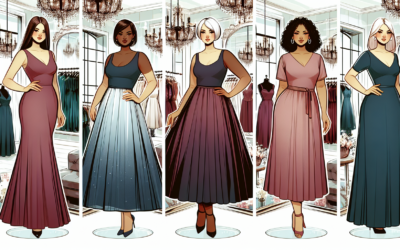
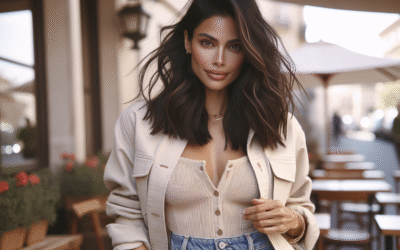
When the biggest names — and the coolest indie brands — started showcasing garments made from organic cotton, it signaled a turning point. Suddenly, eco-friendly wasn’t just about saving the planet; it was about looking good while doing it. The runway, traditionally a realm for bold statements and high drama, embraced this fabric for its versatility and texture. From structured blazers to flowy dresses, organic cotton merch hit the catwalk with a clear message: sustainability and high fashion can walk hand in hand.
Not Just a Fabric: The Feel and Function of Organic Cotton
Now, before you shrug and say, “Okay, sounds good, but is it really that different from regular cotton?” — let me tell you, the difference is palpable. Organic cotton tends to have a naturally richer hand feel, often smoother and softer because it skips harsh chemicals during production. And you know what? That actually means your clothes might just last longer, holding up better wash after wash without falling apart or feeling rough.
Functionality-wise, organic cotton excels too. It breathes effortlessly, making it perfect for summer days or layering during chillier seasons. Its hypoallergenic properties make it popular among those with sensitive skin or allergies — which could explain why some high-end designers have started marketing pieces as “skin-friendly” thanks to the organic label.
But it’s more than just comfort. Organic cotton garments often sport a distinctive, lived-in vibe. The texture carries a subtle uniqueness — no two batches look exactly alike. There’s a story woven into every thread, a nod to the slower, gentler farming methods that respect both people and planet. It’s almost poetic how a humble fabric can carry so much ethos and style simultaneously.
Playing With Styles: How Designers Bring Organic Cotton to Life
So, what does organic cotton fashion actually look like? At first glance, you might think it’s a collection of plain tees and basic trousers. But honestly, that’s just scratching the surface. Creative designers have been tossing the rulebook, blending textures, patterns, and cuts to make organic cotton pieces that captivate as much as conventional runway hits.
Take, for instance, Stella McCartney, the trailblazer known for her championing of sustainability who incorporates organic cotton in sleek jumpsuits and tailored separates that define modern luxury. Or brands like Patagonia, who weave rugged outdoor appeal with organic cotton’s environmental virtues in their casual wear. Here’s the thing—organic cotton’s versatility lends itself to so many aesthetics, whether it’s streetwear, boho-chic, or minimalist elegance.
What’s really compelling is the way organic cotton embraces imperfections too. Some designers intentionally highlight the natural variations in yarn or dye to tell a more authentic story — sort of like an artist who leaves visible brush strokes. This approach resonates especially well with consumers eager to move away from cookie-cutter fast fashion and towards garments with character and conscience.
A Closet Upgrade: How to Bring Organic Cotton Into Your Everyday
Alright, you’re sold on the softness, you dig the sustainable angle, and those runway looks have got you thinking. So, how exactly do you make organic cotton a part of your wardrobe without feeling like you had to overhaul your entire closet?
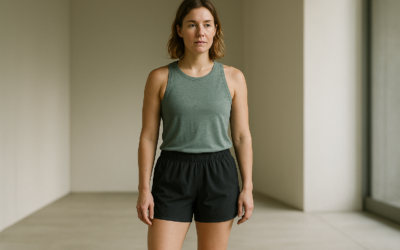
Start small. Think classic staples like T-shirts, tank tops, and underwear — pieces you wear daily and probably go through the fastest. These can be surprisingly affordable, especially when sourced from reputable brands like PACT or Outerknown. Slowly, you’ll notice the difference — in comfort, in longevity, and even in confidence, knowing your choices carry less environmental guilt.
Mix and match organic cotton with other eco-conscious materials like hemp or bamboo for a textured, layered look that’s as interesting as it is earth-friendly. And keep an eye out for seasonal organic cotton collections; they tend to reflect current trends but with that trustworthy sustainable twist. A cotton chambray shirt in spring, perhaps? Or a thick-knit organic cotton sweater perfect for the fall chill? The options really are endless.
One fun tip: when shopping, don’t shy away from vintage or secondhand organic cotton items. You’d be surprised how many hidden gems are out there, carrying history and sustainability both. You know, I think this is where the journey from runway to reality becomes really tangible—making eco-friendly fashion truly accessible and personal.
Challenges and Myths: Clearing Up Confusion Around Organic Cotton
Of course, it’s not all rosy — some myths and challenges still swirl around organic cotton. There’s a lingering sense that “organic = expensive” or that it’s hard to find really trendy pieces. But here’s a little secret: as consumer awareness grows, brands have ramped up production and pricing has become more reasonable. Plus, what you pay may feel steeper upfront, but longevity and fewer washes can even out expenses over time.
Another misconception? That organic cotton isn’t durable. Truth is, its long fibers often make garments stronger, provided they’re well cared for. So it’s a bit like investing in that trusty leather boot or the perfect denim — quality beats quantity every single time.
Also, some folks point fingers at water consumption. Yes, even organic cotton uses water, but it’s generally far less, and more responsibly managed compared to conventionally grown cotton. Several farming communities combine organic cotton with rain-fed agriculture, reducing the strain on scarce water resources. For deeper insight, check out FAO’s sustainable agriculture resources.
So while no fabric is perfect, organic cotton represents a thoughtful step forward — a conscious choice that balances fashion with care, rather than ignoring one for the other.
Looking Ahead: What’s Next for Organic Cotton and Sustainable Fashion?
It’s exciting to imagine where organic cotton is headed next. Technology is playing a huge role in making production cleaner and more efficient. For instance, innovations like organic cotton recycling and blending with other sustainable fibers are becoming mainstream, expanding the design possibilities even further.
Meanwhile, consumer habits are shifting, too. More people want transparency — asking questions about the origin of their clothes, the conditions of the workers, and the carbon footprint of each garment. Organic cotton fits perfectly into this new era of mindful consumption.
With sustainability becoming a marketing baseline rather than a fringe angle, expect to see organic cotton popping up in collections not just from eco-brands but also high-street giants. The trick will be maintaining authenticity without watering down the values that made organic cotton special in the first place.
And if you think it’s all serious business, here’s a sprinkle of fun: organic cotton fashion festivals, styling forums, and online communities are sprouting up worldwide, making sustainable style less intimidating — more like a collective celebration you want to be part of. It’s like joining a club where the dress code is “look good, feel good, do good.” Quite a reset from the usual fashion frenzy, don’t you think?
// Accordion behavior
const acc = document.querySelectorAll(“.accordion”);
acc.forEach(button => {
button.addEventListener(“click”, function () {
this.classList.toggle(“active”);
const panel = this.nextElementSibling;
if (panel.style.display === “block”) {
panel.style.display = “none”;
} else {
panel.style.display = “block”;
}
});
});
Disclaimer
This article is intended for informational purposes only. While great care has been taken to ensure accuracy, readers should conduct their own research and consult with professionals before making significant purchases or lifestyle changes related to organic cotton fashion.
Categories
- Activewear (160)
- Athletic Jackets (12)
- Comfortable Leggings (14)
- Cozy Joggers (15)
- Functional Sports Shorts (20)
- Stylish Tank Tops (20)
- Supportive Sports Bras (20)
- Yoga Pants (20)
- Yoga Tops (18)
- Bottoms (43)
- Classic Capris (4)
- Comfortable Leggings (4)
- Fashion Shorts (3)
- Skirts (12)
- Stylish Jeans (4)
- Stylish Overalls (4)
- Tailored Trousers (4)
- Unique Jumpsuits (4)
- Curved Fashion (73)
- Dresses (148)
- Boho Dresses (6)
- Casual Dresses (5)
- Cocktail Dresses (4)
- Evening Dresses (10)
- Floral Dresses (15)
- Little Black Dresses (6)
- Maxi Dresses (5)
- Midi Dresses (5)
- Plus-Size Dresses (5)
- Summer Dresses (5)
- Fashion Trends (82)
- Luxury & Designer (94)
- Outfit Inspiration (73)
- Style Guides (67)
- Sustainable Fashion (66)
- Swimwear (122)
- Chic Cover-Ups (6)
- Maternity Swimwear (4)
- One-Piece Swimsuits (5)
- Plus-Size Swimwear (3)
- Stylish Bikinis (7)
- Swim Dresses (6)
- Swim Skirts (7)
- Trendy Tankinis (6)
- Tops (61)
- Button-Down Shirts (4)
- Casual T-Shirts (10)
- Comfortable Hoodies (6)
- Cozy Sweaters (5)
- Elegant Tunics (8)
- Feminine Blouses (8)
- Off-Shoulder Tops (5)
- Stylish Tank Tops (4)
- Trendy Crop Tops (6)
- Travel & Lifestyle Fashion (67)
- Trend Reports (88)
- Workwear & Professional (72)