
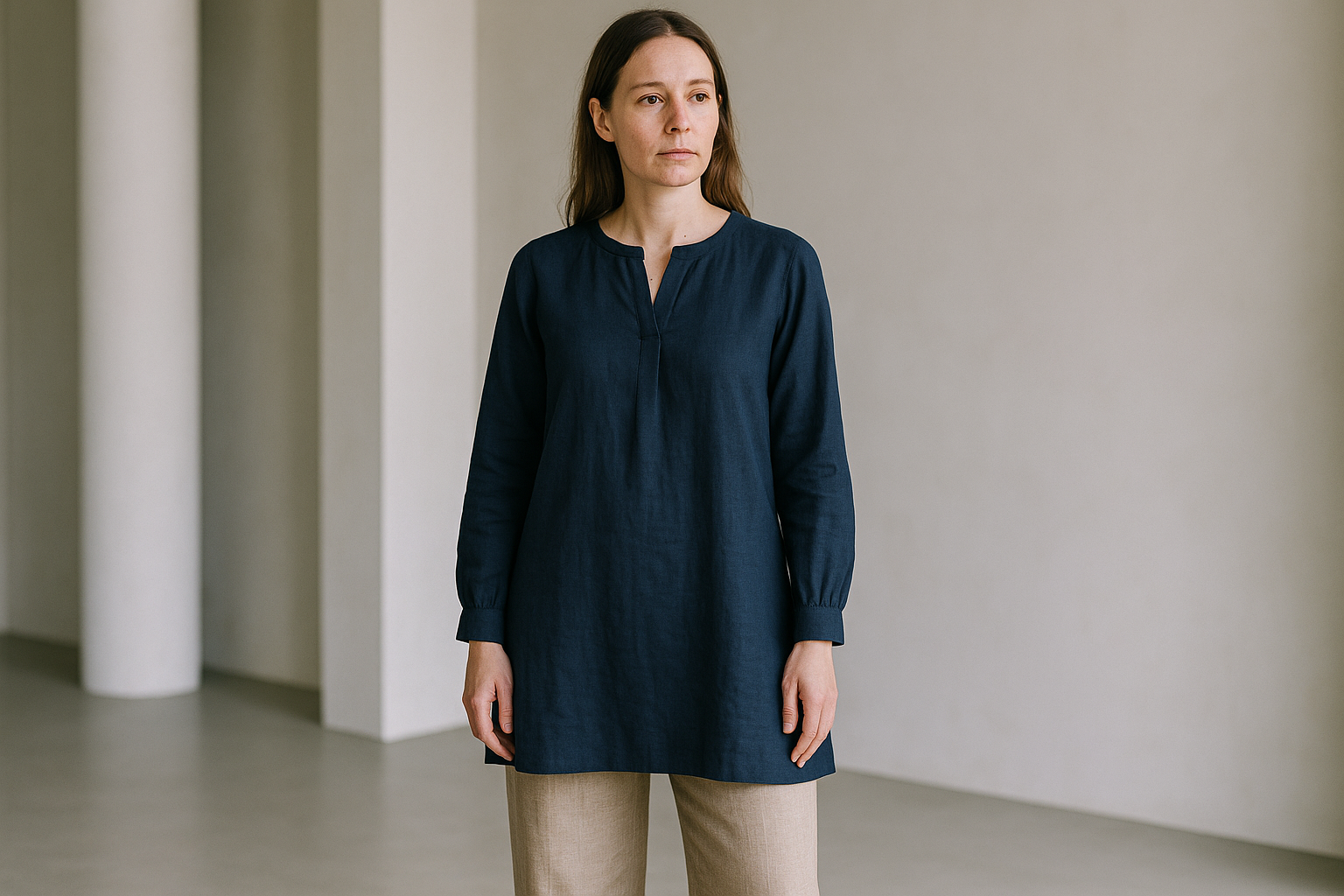
Effortless Elegance: The Appeal of Tunics for Every Occasion
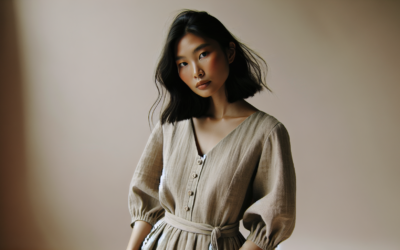
Tunics offer a surprisingly versatile base in any wardrobe, bridging the gap between laid-back comfort and poised sophistication. Their loose yet flattering silhouette grants ease of movement without sacrificing style, making them a timeless choice for layering or wearing solo. Whether you’re heading to brunch or a business meeting, a well-chosen tunic adapts gracefully.
This mix of comfort and refinement speaks to the evolving needs of modern dressing, where a piece can flow seamlessly through different settings. Tunics often come in natural fabrics like cotton, linen, or silk blends, providing breathability and a tactile softness that feels as good as it looks. The fabric’s drape enhances flattering lines while embracing comfort, a fashion balance not always easy to find.
Casual Styling: Relaxed Yet Refined Looks for Everyday Wear
Styling a tunic casually doesn’t mean compromising on polish. A chambray or cotton tunic paired with slim leggings or tapered jeans creates an effortlessly put-together look. Accessorize with flat sandals or sneakers and a crossbody bag for practicality that feels intentional rather than thrown together.
Layering plays a key role here—think lightweight cardigans or denim jackets that add dimension without bulk. Focus on soft, breathable textiles like modal or bamboo, which enhance comfort, especially during busy days. These fabrics provide just enough structure to keep the look composed but never stiff.
For those who appreciate minimal fuss, adding a simple pendant necklace or stackable rings can elevate the tunic’s understated charm. Textural contrasts, like a knit tunic with leather sneakers, subtly highlight the ensemble’s depth.
Elevating Tunics: Transitioning to Smart Casual and Business Settings
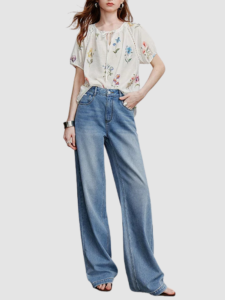
Here, the styling shifts toward tailored and deliberate choices. Pair your tunic with wide-legged trousers or a sleek pencil skirt to strike a balance between relaxed lines and sculpted silhouettes. Neutral palettes work effortlessly in these contexts, enhancing the tunic’s elegance without overpowering the ensemble.
Shoes gain subtle importance—opt for loafers, mules, or low block heels that move comfortably through long days but look polished. A leather tote or structured satchel further emphasizes the smart casual vibe.
Adding delicate accessories like a silk scarf or dainty gold jewelry quietly signals attention to detail. Pay close attention to fabric weight and finish: silk blends or refined crepes give the tunic a slightly dressier sheen that helps it fit into a business weekend or casual Friday.
For thoughtful tips on dressing with balance and purpose, reputable style guides like Vogue’s expert advice can offer useful insights, especially on mixing textures and fabrics for different settings (https://www.vogue.com/article/how-to-dress-for-business-casual-work).
Formal Tunic Styling: Poised Yet Comfortable for Special Occasions
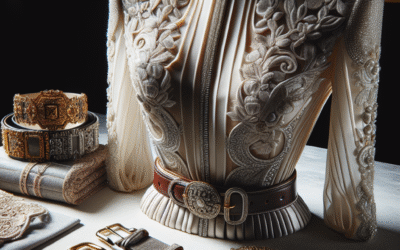
Formal occasions call for elevated fabrics and subtle detailing. Tunics in silk charmeuse, velvet, or embellished cotton bring a quiet glamour that’s both wearable and sophisticated. Tailoring may be more defined here with structured shoulders or asymmetrical hems adding visual interest.
Pair your formal tunic with lined trousers or a tailored maxi skirt to create an elongated line. Footwear can be a delicate heel or chic flats with embellishments, chosen for both style and reliable comfort during prolonged wear.
Jewelry becomes part of the expression but should complement rather than compete. Pearl earrings, a slim cuff bracelet, or a minimalist clutch can heighten the ensemble’s refinement without excess.
Embrace rich jewel tones or classic black and ivory palettes for a timeless feel, while allowing fabric texture and draping to carry the elegance naturally. For further tips comparing fabric options suitable for formalwear, the Textile Exchange offers expert insights on sustainable luxury materials (https://textileexchange.org/).
Fabric and Fit: The Heart of Tunic Elegance
Choosing the right fabric and fit is crucial to styling tunics that flatter while remaining comfortable. Fabrics with natural fibers breathe well and move with the body, making them ideal for layering or wearing alone.
A tunic’s fit typically leans towards relaxed silhouettes, but small details can transform how it reads across occasions. Subtle darts, side slits, or waist ties allow the wearer to accentuate or soften their shape as desired.
Soft silk blends and linen blends both offer natural textures with a refined finish. Linen, with its characteristic slubs, introduces an organic touch perfect for warmer months, while silks provide liquid movement and shine for cooler evenings.
Moopsi’s collection includes a range of tunics crafted from these thoughtfully selected fabrics, designed to merge fashion with real-world wearability and comfort.
Seasonal Nuance: Subtle Tweaks That Keep Tunics Appropriate Year-Round
While tunics are naturally adaptable, small seasonal tweaks help keep them fresh and functional. For spring and summer, lightweight cotton and linen tunics coordinate beautifully with sandals or espadrilles. Light layering pieces like unlined blazers or open cardigans add warmth without heaviness.
In cooler months, turn to tunics made from heavier silks, velvets, or wool blends. Layer underneath with fine-gauge turtlenecks or slim leggings to elevate warmth without bulk. Boots, either knee-high or ankle, bring an elegant grounding to the softer tunic silhouette.
These variations ensure that tunics remain relevant through changing weather patterns without sacrificing their graceful elegance.
Layering and Accessorizing: Adding Dimension to Your Tunic Ensembles
Layering is a tool for both comfort and style. Lightweight vests, tailored blazers, or cropped sweaters offer the chance to play with proportions and textures while maintaining ease.
Scarves and belts can redefine a tunic’s shape and visual weight. A softly knotted scarf at the neckline adds color and texture, while a slim belt cinches the waist, creating a shapelier silhouette without constricting comfort.
Choosing accessories with a thoughtful eye on materials—think leather accents, brushed metals, or soft knits—enhances the ensemble’s sensory appeal. These touches invite closer appreciation and confirm the wearer’s intention behind the look.
For dependable layering inspiration and trend-forward approaches, publications like Harper’s Bazaar offer editorial guidance on balancing shapes and textiles effectively (https://www.harpersbazaar.com/fashion/trends/).
The Role of Colour and Pattern in Tunic Styling
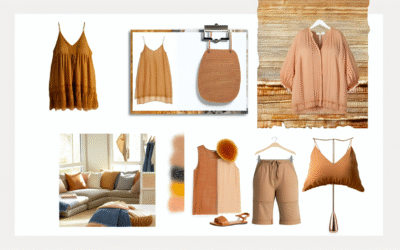
Colour choices can shift a tunic’s tone dramatically. Soft pastels and gentle earth tones underline a relaxed, day-oriented vibe, while saturated hues or monochrome palettes appear more purposeful and formal.
Patterns, when chosen thoughtfully, introduce visual intrigue without overwhelming the garment’s shape. Subtle florals, vertical stripes, or tone-on-tone jacquards build dimension and make styling easier when mixing with solid trousers or skirts.
A tunic in muted jewel tones like emerald, sapphire, or garnet bridges casual and formal with ease, creating a canvas that welcomes layered textures or clean accessories.
Footwear Choices That Complement Tunics Across Occasions
The right footwear balances each looks’ tone and enhances comfort for lasting wear. Casual tunics pair naturally with sandals, ballet flats, or chic sneakers, emphasizing movement and easy style.
Smart casual outfits benefit from loafers, block heels, or ankle boots that communicate polish while staying grounded. For formal settings, pumps or embellished flats add sophistication without demanding sacrifice on comfort.
Considering sole support and heel height when choosing shoes can make the difference between enjoying your look and merely enduring it. This attention to detail reflects a truly thoughtful approach to dressing.
Care Tips: Maintaining the Beauty and Longevity of Tunics
Proper care keeps elegant tunics looking their best despite frequent wear. Most natural fabrics benefit from gentle washing, ideally by hand or on a delicate cycle with mild detergent.
Avoiding high heat in dryers preserves fabric integrity and shape. Hanging to dry, preferably in shade, minimizes colour fading and fabric stress.
Ironing on low settings or using a steamer maintains crispness without damaging delicate fibers. Storage in breathable garment bags protects against dust and moths while allowing airflow to prevent wrinkles.
Careful maintenance extends the life of a well-loved tunic, sustaining both its appearance and comfort for seasons to come.
FAQ: Styling and Wearing Tunics Elegantly
Yes, tunics can be styled professionally by pairing them with tailored trousers or skirts and adding structured accessories like blazers and leather bags. Choosing neutral or solid colours also helps maintain a business-appropriate look.
Q2: What fabrics are best for tunics in warmer weather?
Lightweight cotton, linen, and bamboo fabrics are ideal for warm weather as they breathe well and keep the skin cool. These natural fibers allow for comfortable layering or wearing on their own during hot days.
Q3: How can I make a casual tunic look more formal?
You can make a casual tunic look more formal by adding polished accessories, structured bottoms like pencil skirts or tailored pants, and opting for luxe fabrics such as silk blends or finely woven cottons. Also, shoes like loafers or heels enhance formality.
Q4: What kind of shoes work best with tunics?
Shoe choice varies by occasion. Sandals and sneakers suit casual looks, loafers and ankle boots complement smart casual styles, while pumps or dressy flats work well with formal tunics. Comfort and proportion are key.
Q5: Are tunics flattering for all body types?
Tunics generally flatter many body types because of their loose, flowing shape. Adding belts or selecting styles with shape-enhancing details can create appealing silhouettes tailored to individual preferences.
Q6: How can I layer a tunic during colder months?
Layer tunics over slim turtlenecks or under tailored sweaters and coats. Pairing with leggings or thick tights and boots keeps warmth without bulk, preserving the tunic’s graceful line.
Q7: What’s the best way to care for silk tunics?
Silk tunics should be hand washed or dry cleaned according to care instructions. Avoid harsh soap, excessive agitation, and direct sunlight while drying. Iron on low heat or steam gently to maintain fabric quality.
Q8: Can prints be worn on tunics for formal events?
Yes, subtle and refined prints like muted florals or geometric patterns can be appropriate for formal settings if paired with solid, simple accessories and classic footwear that tone down the overall look.
Q9: How should I choose a tunic length?
Choose tunic length based on your height and the occasion. Mid-thigh lengths work well for layering with leggings or pants, while longer, calf-length tunics can serve as dresses or statement pieces for formal wear.
Q10: Are tunics suitable for travel wardrobes?
Tunics are great for travel thanks to their comfort, versatility, and easy layering. Choose wrinkle-resistant fabrics and mix neutral colours to maximize outfit combinations during trips.
Q11: How can I make a tunic suit a petite frame?
For petite frames, select tunics with shorter hemlines and less volume or add a belt to define the waist. Avoid overly long or boxy styles that can overwhelm a smaller silhouette.
Q12: What accessories pair well with tunics for a bohemian look?
Layered jewelry, fringe bags, wide-brim hats, and leather sandals complement tunics styled with a relaxed, bohemian flair. Earthy tones and natural textures enhance this aesthetic effectively.
Q13: Is it okay to wear a tunic as a dress?
Yes, tunics can be worn as dresses if the length is appropriate and the fabric is opaque enough. Pair with tights or boots to create a chic, comfortable outfit.
Q14: How do I transition a tunic from day to evening?
Transition a tunic by swapping casual shoes for heels, adding statement jewelry, and layering on a sleek jacket or shawl. Changing accessories elevates the look with minimal effort.
Q15: Are there sustainable options for tunics?
Many brands offer tunics made from organic cotton, linen, or Tencel, which are sustainable materials known for lower environmental impact. Choosing these options supports eco-conscious wardrobes.
Disclaimer
This article is intended for informational purposes only and reflects current general fashion perspectives. Individual preferences and needs vary, and readers should consider their personal style and comfort when choosing clothing.
Categories
- Activewear (160)
- Athletic Jackets (12)
- Comfortable Leggings (14)
- Cozy Joggers (15)
- Functional Sports Shorts (20)
- Stylish Tank Tops (20)
- Supportive Sports Bras (20)
- Yoga Pants (20)
- Yoga Tops (18)
- Bottoms (43)
- Classic Capris (4)
- Comfortable Leggings (4)
- Fashion Shorts (3)
- Skirts (12)
- Stylish Jeans (4)
- Stylish Overalls (4)
- Tailored Trousers (4)
- Unique Jumpsuits (4)
- Curved Fashion (73)
- Dresses (148)
- Boho Dresses (6)
- Casual Dresses (5)
- Cocktail Dresses (4)
- Evening Dresses (10)
- Floral Dresses (15)
- Little Black Dresses (6)
- Maxi Dresses (5)
- Midi Dresses (5)
- Plus-Size Dresses (5)
- Summer Dresses (5)
- Fashion Trends (82)
- Luxury & Designer (94)
- Outfit Inspiration (73)
- Style Guides (67)
- Sustainable Fashion (66)
- Swimwear (122)
- Chic Cover-Ups (6)
- Maternity Swimwear (4)
- One-Piece Swimsuits (5)
- Plus-Size Swimwear (3)
- Stylish Bikinis (7)
- Swim Dresses (6)
- Swim Skirts (7)
- Trendy Tankinis (6)
- Tops (61)
- Button-Down Shirts (4)
- Casual T-Shirts (10)
- Comfortable Hoodies (6)
- Cozy Sweaters (5)
- Elegant Tunics (8)
- Feminine Blouses (8)
- Off-Shoulder Tops (5)
- Stylish Tank Tops (4)
- Trendy Crop Tops (6)
- Travel & Lifestyle Fashion (67)
- Trend Reports (88)
- Workwear & Professional (72)