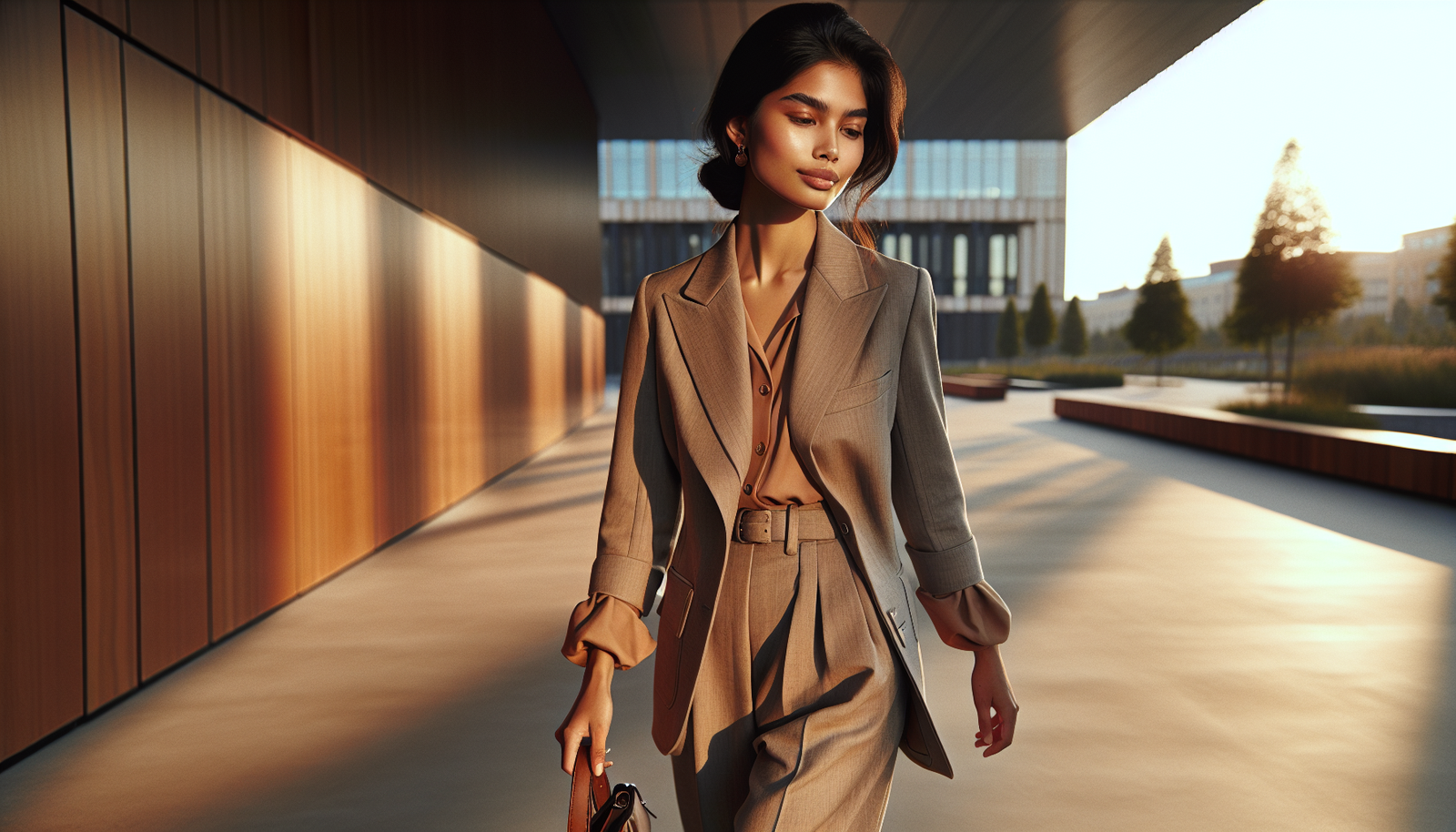
First Impressions Are Everything — Dress Like You Mean Business
Ever hear that old saying about how you never get a second chance to make a first impression? Well, in the executive world, it’s not just a saying — it’s gospel. Your wardrobe is essentially your silent handshake, the unspoken message you send the moment you walk in the door. When you’re sitting at the helm of a company or heading a high-stakes meeting, your look can reinforce your authority, credibility, and vision.
Explore Workwear & Professional
Now, you might think executive fashion is all about rigid suits and monotonous grays, but honestly, that’s a tired stereotype from decades ago. Today’s corporate world values a sharp, individual style that walks the line between polished professionalism and genuine personality. So, how do you balance that without going overboard or underdressed? Let’s dig in.
Wear Confidence — And Not Just Clothes
You know what? Wearing clothes isn’t just about fabric, cut, and color. It’s about the feeling they give you — the kind of quiet confidence that smooths over nerves before a big presentation or sparks that little extra energy in a long boardroom session.
When you dress thoughtfully, it’s easier to own your space. You don’t fidget with your cuffs or tug your collar because you feel put together. All the little comfort nudges add up to one big vibe: I’ve got this.
Take a moment to consider your wardrobe like a well-curated toolkit. Each piece should help you perform better, look sharper, and feel more like the leader you are. It’s not just vanity; it’s practical empowerment.
Suit Up, But Make It Your Own
Let’s talk suits — the classic executive armor. But here’s a kicker: suits don’t have to be cookie-cutter. The magic is in the tailoring and subtle personal details.
Forget about buying off-the-rack and hoping for the best. A suit that hugs the right places but leaves you comfortable can change your entire bearing. You’ll notice yourself standing a bit taller, shoulders back slightly more naturally. And isn’t that the posture every exec wants?
Try these pointers for your next suit:
- The fit is king: Get a tailor who knows their craft. An ill-fitting suit is like trying to run a marathon in high heels — awkward at best.
- Colors that talk, not shout: Navy, charcoal, and matte black are staples, sure. But maybe bring in a deep forest green or a subtle pinstripe for some personality.
- Details matter: Functional buttons on the sleeves, a perfectly folded pocket square, even the lining fabric can say “I pay attention.”
Shirts: The Unsung Heroes of Executive Style
Think of your shirt as the unsung hero of your outfit — not glamorous but utterly necessary. Crisp cotton, impeccable collars, and sleeves that hit just right are worth their weight in gold.
If you wear your shirt wrinkled or with a poor collar shape, even the fanciest suit won’t save the look. And you know what? It’s not just about looks; it’s about feeling sharp when you shake hands or lean in to close a deal.
White and light blue remain classics for a reason, but feel free to mix in subtle patterns or textures. Small checks or a gentle herringbone weave add dimension without distracting from your professionalism.
Shoes & Accessories — The Details That Seal the Deal
Shoes often get overlooked, but they’re essentially your foundation. And hey — if your boots aren’t as polished as your plan for growth, people notice. (Maybe not right away, but trust me, it sinks in.)
Choose leather styles that complement your outfit, whether brogues, oxfords, or a sleek derby. Dark browns, blacks, or deep burgundy tones fit beautifully in executive closets. Make sure to rotate them, give them some TLC, and never underestimate the power of good shoe trees.
Accessories—from watches to ties to cufflinks—shouldn’t shout for attention but whisper, “this person cares.” A classic wristwatch with a leather strap, a handmade silk tie in understated colors, or a simple lapel pin can become your signature pieces.
Colors & Patterns: When to Blend In and When to Stand Out
Walking into a high-powered corporate meeting usually calls for measured restraint, but sometimes, standing out is the exact move you need. Here’s the thing: colors are communication tools, and just like words, timing is everything.
Neutrals are your reliable teammates; they never distract and always convey seriousness. But there are moments when slipping in a deep burgundy tie or emerald green scarf breaks monotony and underscores your creative thinking.
Patterns are a bit like jazz improvisations — subtle riffing on tradition. Pinstripes signify a business-oriented mindset; tiny dots whisper approachability. The key is balance, because too much pattern is like background noise at a symphony.
Rise and Shine — Seasonal Tweaks for Your Executive Wardrobe
Nobody wants to be that exec sweating through a meeting in July or shivering during winter presentations. Your wardrobe should flex with seasons without losing its executive polish.
As temperatures drop, think wool blends, cashmere scarves, or even a classy trench coat to keep you warm and professional on the go. When summer hits, breathable linen blends and lighter colors are both stylish and necessary. Also, watch fabric weight — you want to feel fresh, not like you’re walking around in a sauna suit.
And don’t overlook the world of layering — a thin merino wool sweater under your blazer can do wonders.
Casual Friday? Yes, But Don’t Drop the Ball
Ah, the myth of relaxed corporate wear. Casual Friday might seem like the perfect excuse to let loose, but that doesn’t mean sloppy. Executive casual is a whole different game.
Picture dark, well-fitted chinos or tailored trousers paired with a fine knit polo or dapper button-down with sleeves rolled (but not scrunched). Swap the leather dress shoes for stylish loafers or clean sneakers — the kind you’d wear to a client lunch, not a backyard BBQ.
Honestly, you’re still the leader; your look should convey approachability but never imply a “taking the day off” vibe.
Mind the Details: Grooming and Maintenance Count, Too
Let’s talk grooming — because no matter how expensive the suit, unkempt hair or chipped nails ruin the package faster than a fashion faux pas. Regular haircuts, well-maintained facial hair (or a clean shave if that’s your style), and simple skincare not only boost appearance but also show you care.
And here’s a small secret: carry a grooming kit with basic essentials like a comb, travel-size deodorant, and even a stain remover pen, because life likes to test even the best-dressed exec.
Stick to What Works, Then Evolve
You might find yourself sticking to a style that feels like “you” after trying various options. That’s a good thing; it’s called building a personal brand. But don’t let it fossilize. Style evolves as you climb roles and meet new people.
Being open to subtle experimentation with new fabrics, accessories, or even colors can keep your wardrobe exciting and fit for the times.
Where to Find Inspiration and Reliable Wardrobe Staples
Inspiration often strikes in the unlikeliest of places. Executive style icons like Barack Obama, Indra Nooyi, or Satya Nadella showcase how simplicity married with thoughtful details screams executive poise.
Also, keep an eye on brands renowned for their craftsmanship and corporate appeal. Think Brooks Brothers, Hugo Boss, or Italian powerhouses like Zegna and Brioni. Thankfully, digital platforms like GQ Style and Esquire Fashion regularly spotlight modern executive fashion trends and handy tips.
Remember, the right wardrobe is a tool — not just for looking good — but for communicating who you are without saying a word.
FAQ – Quick Hits on Executive Corporate Fashion
Disclaimer
The information provided in this article reflects general executive corporate fashion advice and personal insights. Individual corporate dress codes and cultures may vary significantly, so readers should consider their own workplace’s expectations and preferences before applying these tips. Fashion choices should always align with professional requirements and personal comfort.
Categories
- Activewear (160)
- Athletic Jackets (12)
- Comfortable Leggings (14)
- Cozy Joggers (15)
- Functional Sports Shorts (20)
- Stylish Tank Tops (20)
- Supportive Sports Bras (20)
- Yoga Pants (20)
- Yoga Tops (18)
- Bottoms (43)
- Classic Capris (4)
- Comfortable Leggings (4)
- Fashion Shorts (3)
- Skirts (12)
- Stylish Jeans (4)
- Stylish Overalls (4)
- Tailored Trousers (4)
- Unique Jumpsuits (4)
- Curved Fashion (73)
- Dresses (148)
- Boho Dresses (6)
- Casual Dresses (5)
- Cocktail Dresses (4)
- Evening Dresses (10)
- Floral Dresses (15)
- Little Black Dresses (6)
- Maxi Dresses (5)
- Midi Dresses (5)
- Plus-Size Dresses (5)
- Summer Dresses (5)
- Fashion Trends (82)
- Luxury & Designer (94)
- Outfit Inspiration (73)
- Style Guides (67)
- Sustainable Fashion (66)
- Swimwear (122)
- Chic Cover-Ups (6)
- Maternity Swimwear (4)
- One-Piece Swimsuits (5)
- Plus-Size Swimwear (3)
- Stylish Bikinis (7)
- Swim Dresses (6)
- Swim Skirts (7)
- Trendy Tankinis (6)
- Tops (61)
- Button-Down Shirts (4)
- Casual T-Shirts (10)
- Comfortable Hoodies (6)
- Cozy Sweaters (5)
- Elegant Tunics (8)
- Feminine Blouses (8)
- Off-Shoulder Tops (5)
- Stylish Tank Tops (4)
- Trendy Crop Tops (6)
- Travel & Lifestyle Fashion (67)
- Trend Reports (88)
- Workwear & Professional (72)