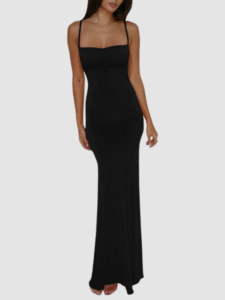
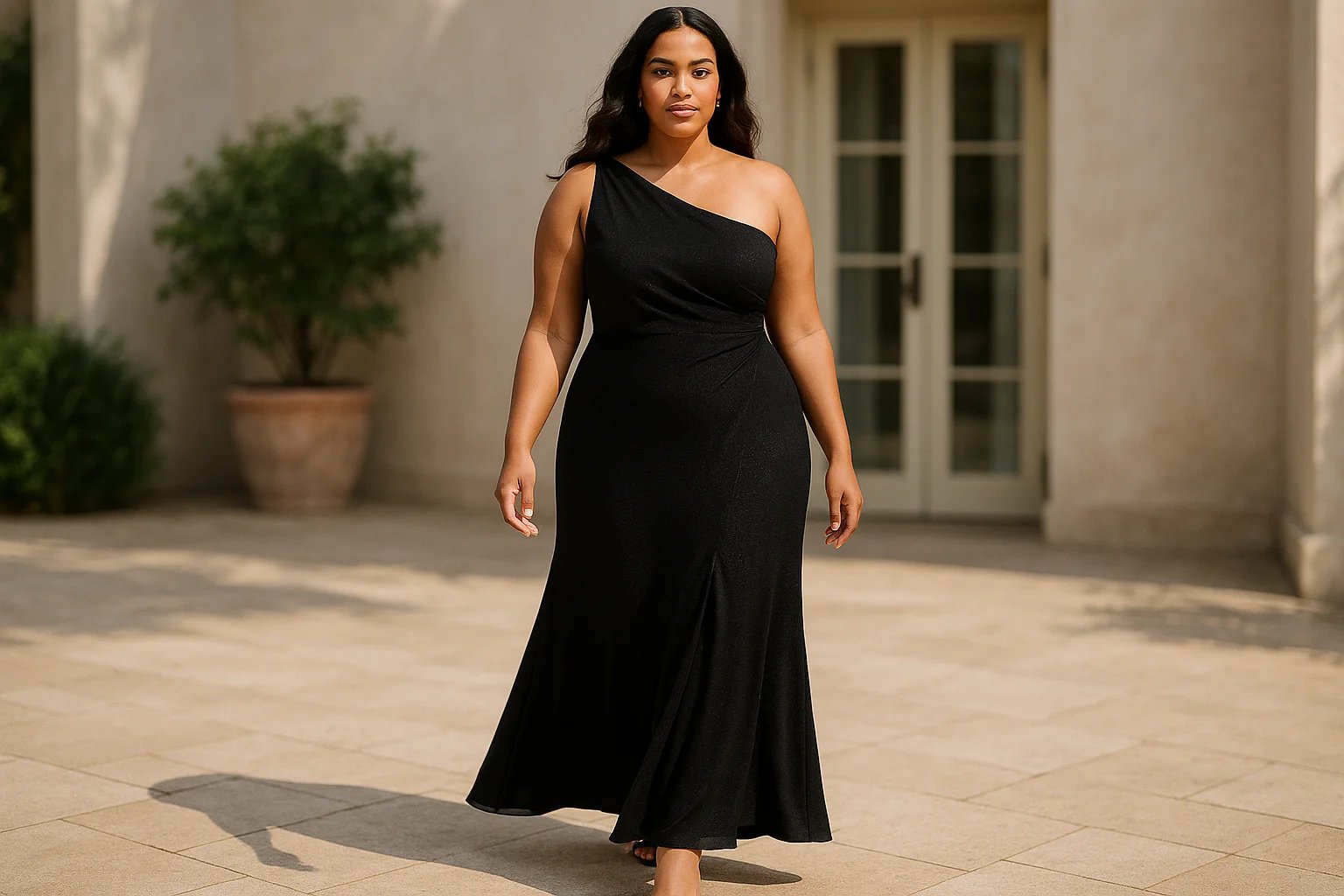
Celebrating Curves with Comfortable Elegance
Formal wear for curvy women is about more than just style—it’s about feeling comfortable and confident while embracing your natural shape. The right outfit should flow effortlessly with your body, offering freedom of movement and a flattering silhouette without sacrificing elegance. Fabrics that drape well, stretch softly, or breathe easily can make all the difference when you’re dressing for an event that calls for formal attire.
From sumptuous satin blends to soft crepe fabrics, material choice is crucial in creating looks that shine and feel great all evening long. A formal dress or suit that moves with you offers a subtle confidence boost that’s noticeable to everyone around. Wearing a tailored piece that fits well—never tight or restrictive—lets your personality take center stage.
Finding the Perfect Fit: Tailoring for Curves
Every curve is unique, so a one-size-fits-all approach rarely works with formalwear. Well-tailored pieces bring out your best features and offer comfort along with style. Key areas like the waist, bust, and hips should be accentuated without any pinching or extra fabric bunching awkwardly.
Investing in a fitting session or choosing brands known for inclusive cut lines helps ensure your formalwear works with your shape. Consider styles that highlight your waist or offer built-in shaping, such as wrap dresses or structured blazers with princess seams, which gently follow the body’s natural curves.
Flattering Silhouettes That Flow
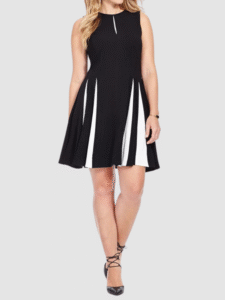
Silhouettes that complement curves can vary widely, so it helps to know which shapes enhance your figure while feeling natural. A-line dresses and skirts create a balanced flow from waist to hem, while fit-and-flare cuts offer a lively, feminine movement around the legs. For more statement pieces, sheath dresses with stretch fabrics can contour your body without feeling restrictive.
One-piece jumpsuits in soft crepe with a defined waistline provide a modern twist on formalwear that’s easy to move in. Incorporating gentle pleats or side ruching gives the fabric a delicate stretch and adds texture without overwhelming your silhouette.
Fabric Choices That Marry Comfort with Glamour
Soft, breathable fabrics with some weight or stretch can enhance comfort during long events. Fabrics like jersey blends, charmeuse silk, ponte knit, or polyester blends with elastane keep your outfit breathable yet polished. Satin and velvet stand out for their luxurious feel but look for versions with comfortable linings to prevent clinging or overheating.
Natural fibers mixed with synthetics often deliver the ideal balance—allowing your skin to breathe while maintaining the dress’s structure. For those prioritizing sustainability, eco-friendly fabrics rooted in organic cotton or Tencel also deliver exceptional softness paired with style. You can read more about sustainable similar choices at the Textile Exchange website.
The Power of Color and Subtle Seasonal Hues
Colors that complement your complexion and fit the season can elevate your look gracefully without shouting for attention. Deep jewel tones like emerald, sapphire, and ruby radiate warmth on evening occasions, while muted pastels and soft metallics offer a gentle glow in spring and summer settings.
For formalwear that shines without overpowering, consider adding accessories or details in tonal shades—like a champagne clutch or bronze metallic shoes—that echo the outfit’s color story. These nuances make your ensemble cohesive and polished, encouraging heads to turn subtly and appreciatively.
Accessorizing with Intent: Highlighting the Curves
Accessories aren’t just add-ons; they complete your look and emphasize your best features. Waist belts can visually define your waistline, while long pendant necklaces or drop earrings draw the eyes vertically, balancing curvier proportions. Consider statement shoes with a comfortable heel height to keep your posture elegant and your movement steady.
Choosing bags and jewelry that offer contrast in texture or subtle shines, such as a satin clutch or brushed metal bangles, can reflect light just enough to brighten your whole outfit. This approach works well for formal occasions where you want to feel sophisticated, not overdone.
Layering for Formal Warmth and Style
Lightweight layering pieces like tailored blazers, elegant wraps, or boleros add versatility while maintaining comfort for cooler indoor or evening settings. Look for layers that provide coverage without bulk and fabrics that breathe or have stretch, such as a fine-knit cardigan made with merino wool or silk blends.
Shapely layers contribute structure without hiding your curves—choose cropped lengths or slightly cinched waists to keep your figure defined. Layering also gives you an option to adapt your style for varying scopes of formality within the same event.
Styling Ideas for Every curve and Occasion
Whether attending a gala, wedding, or corporate gathering, the right styling makes all the difference. Pair a flowing evening gown with a delicate shawl and block heels for balance and ease. A fitted blazer over a velvet dress softens formal lines while adding warmth.
For a business formal occasion, look to sharply tailored trousers with a silk blouse and statement necklace that highlight your silhouette without constraining movement. Layer with a structured blazer for a confident finish. Here’s a great guide to workwear styling that complements curves from Vogue.
The Importance of Movement and Comfort in Formalwear
Formal doesn’t mean uncomfortable. Fabrics and cuts that allow sitting, walking, and dancing comfortably keep your confidence natural, not forced. Look for clothes with a subtle stretch or dresses that provide enough room at the hem to twirl without tightness. This flexibility ensures you’ll shine at every moment, feeling as good as you look.
Seasonal Fabrics and Minimal Adjustments for Year-Round Wear
Though formal looks often don’t change radically by season, subtle fabric swaps can improve comfort. Lightweight satin blends and silks suit spring and summer, while winters welcome heavier brook and velvet blends. Minimal layering with scarves or shawls adds warmth without clutter.
Keeping fabrics that transition well between seasons means you invest in pieces you return to often, adjusted by accessory choices or outerwear. This thoughtful planning is part of what makes formalwear truly empowering and sustainable over time.
FAQ
What fabrics are best for curvy formalwear to ensure comfort?
Fabrics that offer gentle stretch and breathability like jersey blends, ponte knit, and silk charmeuse typically provide comfort while flattering curves. Look for combinations with elastane or soft linings to avoid clinginess and maintain breathability.
How can I find formalwear that fits well without professional tailoring?
Choosing brands with size-specific designs and asking for pieces with adjustable features like wrap styles or belts can help achieve a good fit without alterations. Additionally, focusing on stretchy or structured fabrics designed for curves improves fit and comfort.
Are there formalwear styles that work well for apple or pear body shapes?
Yes, A-line dresses and wrap styles flatter pear shapes by balancing hips, while V-neck tops and dresses with ruched or empire waists are great for apple shapes, offering definition above the waist.
How should I approach accessorizing with a curvy silhouette in formal settings?
Use accessories to draw the eye vertically or to the waist. Long necklaces, earrings, and belts can create visual length and emphasize curves elegantly without overwhelming your figure.
Can formalwear fabrics be sustainable without sacrificing luxury?
Absolutely. Sustainable fabrics like organic cotton blends, Tencel, and recycled polyester can offer softness and durability while reducing environmental impact. These materials are increasingly used in modern formalwear.
What footwear is best for tall heels and comfort during formal events?
Block heels and shoes with cushioned insoles balance height with stability and comfort, helping you move with ease during long events. Platforms and wedge styles also provide support without compromising elegance.
Is layering recommended with formalwear, and what pieces work best?
Layering with lightweight cropped blazers, boleros, or wraps adds warmth and style without bulk, especially for cooler venues. Choose fabrics that complement your dress material to keep your look polished.
How can I ensure a formal dress allows for easy movement?
Look for designs with A-line or fit-and-flare skirts, side slits, or soft pleating, plus fabrics with a bit of stretch. These details provide freedom to walk, sit, and dance comfortably.
Are jumpsuits a good formalwear option for curves?
Yes, jumpsuits in structured yet stretchy fabrics with defined waists can be a stylish alternative to dresses, offering comfort and a contemporary edge while flattering curves.
How do color choices impact the look of formalwear on curvy bodies?
Deeper jewel tones and monochrome palettes can create a slimming, elegant effect, while lighter shades with subtle contrasts add softness. The key is choosing colors that complement your skin tone and occasion.
Can I find formalwear suitable for multiple seasons?
Yes, selecting pieces in mid-weight fabrics that layer well allows you to adapt your formal look for warmer or cooler conditions by adding shawls or jackets.
What role does fabric texture play in formal wear for curves?
Texture can add visual interest and dimension, such as soft pleats or velvet nap, helping to highlight curves gracefully without relying on bold prints or tight cuts.
Should I prioritize fit over style when choosing formalwear?
Fit generally comes first because comfort and confidence stem from feeling good in your clothes. However, many modern designs combine flattering styles and excellent fit for curves seamlessly.
Where can I find more inspiration for curvy formalwear styles?
Fashion editorial sites and trusted styling guides, such as those featured on Vogue, provide a wealth of ideas tailored for curves and formal occasions.
Does tailoring ruin the fabric or comfort of formal wear?
When done well, tailoring enhances fabric fit and comfort by adjusting garments to your exact shape without damaging material. It’s often worthwhile for flawless wearability.
Disclaimer
This article is intended to offer general fashion guidance and suggestions for curvy formalwear. Individual preferences and needs vary, and readers should choose styles and materials that feel best for their specific body types and occasions. The content is informational and not a substitute for professional tailoring or fashion advice.
<!– External links included in the main body:
– Textile Exchange: https://textileexchange.org/ (fabric sustainability)
– Vogue styling guide: https://www.vogue.com/fashion/styling-tips
–>
Categories
- Activewear (160)
- Athletic Jackets (12)
- Comfortable Leggings (14)
- Cozy Joggers (15)
- Functional Sports Shorts (20)
- Stylish Tank Tops (20)
- Supportive Sports Bras (20)
- Yoga Pants (20)
- Yoga Tops (18)
- Bottoms (43)
- Classic Capris (4)
- Comfortable Leggings (4)
- Fashion Shorts (3)
- Skirts (12)
- Stylish Jeans (4)
- Stylish Overalls (4)
- Tailored Trousers (4)
- Unique Jumpsuits (4)
- Curved Fashion (73)
- Dresses (148)
- Boho Dresses (6)
- Casual Dresses (5)
- Cocktail Dresses (4)
- Evening Dresses (10)
- Floral Dresses (15)
- Little Black Dresses (6)
- Maxi Dresses (5)
- Midi Dresses (5)
- Plus-Size Dresses (5)
- Summer Dresses (5)
- Fashion Trends (82)
- Luxury & Designer (94)
- Outfit Inspiration (73)
- Style Guides (67)
- Sustainable Fashion (66)
- Swimwear (122)
- Chic Cover-Ups (6)
- Maternity Swimwear (4)
- One-Piece Swimsuits (5)
- Plus-Size Swimwear (3)
- Stylish Bikinis (7)
- Swim Dresses (6)
- Swim Skirts (7)
- Trendy Tankinis (6)
- Tops (61)
- Button-Down Shirts (4)
- Casual T-Shirts (10)
- Comfortable Hoodies (6)
- Cozy Sweaters (5)
- Elegant Tunics (8)
- Feminine Blouses (8)
- Off-Shoulder Tops (5)
- Stylish Tank Tops (4)
- Trendy Crop Tops (6)
- Travel & Lifestyle Fashion (67)
- Trend Reports (88)
- Workwear & Professional (72)