Elegance Through the Ages: The Timeless Charm of Evening Dresses
Evening dresses are more than just garments; they’re a language of style, a statement of confidence, and often, a whisper of history. You know what? Tracing the saga of evening gowns is like flipping through a beautifully illustrated book of culture, fashion, and social evolution. From the decadent courts of centuries past to today’s dazzling red carpets, evening dresses have held a unique place in our hearts—and wardrobes. So, pull up a seat, because we’re about to explore this fascinating journey one stitch at a time.
The Roots of Evening Glamour: Where Did It All Begin?
Ever wondered how people managed to make going out at night look so enchanting long before fast fashion ruled? Well, it all started in the grand ballrooms of Europe during the 18th century. Evening dresses back then were a far cry from today’s sleek silhouettes. Think massive hoops, layers of silk, and detailed embroidery that screamed opulence. Honestly, these gowns weren’t just about aesthetics—they were social currencies.
Intricately tied to aristocratic society, the evening dress was an emblem of status. The more elaborate, the better. And comfort? Let’s just say it took a backseat. Imagine trying to dance in a hoop skirt or juggling huge panniers—grace behind all that was serious business! This era laid the groundwork for evening wear as we know it: something reserved for special occasions, dressed up with accessories and heavy on the drama.
Victorian Virtue Meets Evening Elegance
Fast forward to the Victorian era, and you’ll notice a shift. Evening dresses became more modest, yet maintained an undeniable charm. The corset came into full swing, shaping the feminine silhouette with almost surgical precision. Fabrics got heavier, patterns more delicate, and details like lace and beadwork embraced lavish detail.
But here’s the kicker—while the silhouette tightened, the social implications of the evening dress widened. Women were stepping into more public spaces like theaters and operas, turning their attire into not just fashion, but a reflection of society’s evolving ideas about gender and presence. In a way, the evening dress became a symbol of emancipation too; not loudly declared but quietly stitched into the folds of silk and satin.
The Roaring Twenties: Jazz, Flappers, and Nightlife Magic
Doesn’t the idea of the 1920s just make you think of wild parties, jazz bands, and girls shaking off corsets for good? It was a game-changer for evening dresses, that’s for sure. The flapper dress emerged as an evening statement: shorter hemlines, looser fits, tons of fringe and sparkle. The whole point was freedom—freedom to move, dance, and express.
This era showed that elegance doesn’t have to be serious or stuffy. Instead, it could be playful, vibrant, and rebellious. It’s almost like the dresses themselves were companions to a cultural revolution. And honestly, the spirit of the 20s still sneaks into modern evening gowns with sequins, dropped waists, and beaded embellishments you see on runways and gala nights.
Hollywood’s Golden Age: When Evening Dresses Became Legendary
Switching gears to the mid-20th century, evening dresses took center stage in the sinuous world of cinema. Thanks to iconic stars like Audrey Hepburn, Grace Kelly, and Marilyn Monroe, the evening gown transcended its place as “just a dress” and became a pivotal component of stardom and allure.
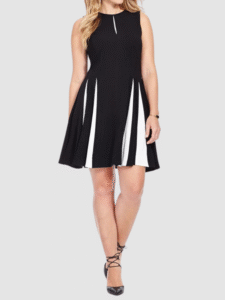
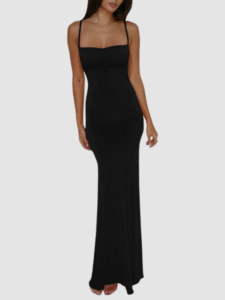
Think about Audrey’s little black dress in Breakfast at Tiffany’s—that simple yet stunning silhouette made evening wear accessible yet breathtakingly elegant. Designers like Givenchy and Dior elevated evening dresses to works of art—often handmade, sculptural, and utterly timeless. It was here that the idea of the evening dress as an investment piece really solidified.
Modern Marvels: Evening Dresses in the 21st Century
Jumping into recent decades, evening dresses have evolved in so many directions that choosing a style can feel like navigating a fashion labyrinth. Contemporary designers blend tradition with innovation—mixing flowing chiffons with bold cutouts, metallic fabrics with classic silhouettes, and sustainable materials with avant-garde designs.
There’s also been a lovely shift in who wears evening dresses and why. Today, it’s not just about formal balls or Hollywood galas. The dress code extends to charity events, festivals, proms, weddings, and even casual black-tie dinners. With the rise of designers like Zac Posen and Elie Saab, elegance is all about personal storytelling. Plus, let’s not forget the booming DIY culture where vintage evening dresses get a new life with a little creativity.
What Makes Evening Dresses So Enduringly Alluring?
Why do we keep coming back to evening dresses when trends threaten to pull us everywhere else? Because there’s something undeniably magical about a well-crafted evening gown. It’s a synthesis of craftsmanship, occasion, and emotion.
Evening dresses have this brilliant way of enhancing confidence without shouting it. They wrap you in a special kind of warmth and anticipation—a feeling that you’re about to be part of something memorable. And let’s be honest, the texture of silk or velvet against your skin during a chilly night makes you feel alive in a way casual wear never could.
Tips for Choosing Your Own Timeless Evening Dress
Here’s the thing about evening dresses—they’re a bit like good wine or classic literature: their charm lies in timeless appeal rather than flash-in-the-pan trends. So, if you’re picking one out, keep a few things in mind:
- Know your body type: An evening dress should highlight your favorite features. Whether it’s an hourglass figure or a more athletic build, there’s a style that complements you effortlessly.
- Prioritize comfort: A dress might look fantastic, but if you can’t move or breathe, it won’t feel like elegance. Look for fabrics and cuts that work with your lifestyle.
- Select versatile colors: Black and navy are classics for a reason. But don’t shy away from jewel tones or even pastels if they speak to your style.
- Think about the occasion: A gala calls for a different look than a cocktail party. Lace or subtle beading can be perfect for one, while sleek satin or minimalist designs suit the other.
Oh, and a little insider tip: pairing your evening dress with the right accessories—think statement earrings or a delicate clutch—can elevate your look without stealing the limelight.
Evening Dresses and Cultural Moments: More Than Just Fashion
Evening dresses have always reflected something bigger than the wearer. They often capture cultural shifts, political statements, or social breakthroughs. Remember the 1960s, for example? Designers played with new materials like polyester, aligning with the era’s fascination with futuristic looks and space age optimism.
In recent years, the #MeToo movement and a growing emphasis on body positivity have influenced evening wear aesthetics too. Dresses are now celebrating all shapes and sizes, acknowledging diversity in a way that traditional fashion never dared.
And let’s not forget the spotlight on sustainability. With brands adopting eco-friendly fabrics and ethical production, an evening dress can now embody values as well as style, which makes putting it on that much more meaningful.
A Look Ahead: What’s Next for Evening Dresses?
Fashion moves fast, but evening dresses have this stubborn, beautiful way of staying relevant. As technology evolves, expect even more exciting combinations—imagine dresses integrated with subtle lighting effects, or fabric that adapts to temperature.
There’s also a burgeoning trend for personalized, custom couture using digital tools like 3D printing—allowing customers to be co-creators of their gowns. Plus, as cultural boundaries blur, we’re likely to see a richer fusion of global styles blended into evening dresses, making the next generation of gowns more diverse and dynamic than ever.
So, in a world swirling with trends, evening dresses continue to remind us that true elegance is not fleeting; it’s a quiet, powerful celebration of who we are—and who we want to be under the spotlight.
FAQ – Your Evening Dress Questions, Answered
An evening dress is typically designed for formal or semi-formal occasions held in the evening. It often involves luxurious fabrics, longer lengths, and sophisticated detailing to distinguish it from casual or day dresses.
Focus on styles that highlight your best features and provide comfort. For example, A-line dresses flatter pear shapes, while empire waists suit those wanting to emphasize the bust or elongate the body.
Absolutely! Vintage evening dresses bring unique charm and history to your wardrobe. They can be a sustainable and stylish way to stand out, especially when paired with modern accessories.
Silk, satin, chiffon, velvet, and lace are popular choices due to their rich texture and elegant drape. Choice depends on season, occasion, and the desired silhouette.
Definitely! Timeless designs and quality fabrics mean many evening dresses can be re-worn for different events, especially with updated accessories or minor alterations.
Disclaimer
This article is intended for informational purposes only. Individual preferences and needs may vary. Always consider personal comfort, occasion appropriateness, and professional advice when selecting evening wear.
For more on fashion history, check out Victoria & Albert Museum. To explore sustainable evening wear options, visit Green Matters Fashion.
Categories
- Activewear (160)
- Athletic Jackets (12)
- Comfortable Leggings (14)
- Cozy Joggers (15)
- Functional Sports Shorts (20)
- Stylish Tank Tops (20)
- Supportive Sports Bras (20)
- Yoga Pants (20)
- Yoga Tops (18)
- Bottoms (43)
- Classic Capris (4)
- Comfortable Leggings (4)
- Fashion Shorts (3)
- Skirts (12)
- Stylish Jeans (4)
- Stylish Overalls (4)
- Tailored Trousers (4)
- Unique Jumpsuits (4)
- Curved Fashion (73)
- Dresses (148)
- Boho Dresses (6)
- Casual Dresses (5)
- Cocktail Dresses (4)
- Evening Dresses (10)
- Floral Dresses (15)
- Little Black Dresses (6)
- Maxi Dresses (5)
- Midi Dresses (5)
- Plus-Size Dresses (5)
- Summer Dresses (5)
- Fashion Trends (82)
- Luxury & Designer (94)
- Outfit Inspiration (73)
- Style Guides (67)
- Sustainable Fashion (66)
- Swimwear (122)
- Chic Cover-Ups (6)
- Maternity Swimwear (4)
- One-Piece Swimsuits (5)
- Plus-Size Swimwear (3)
- Stylish Bikinis (7)
- Swim Dresses (6)
- Swim Skirts (7)
- Trendy Tankinis (6)
- Tops (61)
- Button-Down Shirts (4)
- Casual T-Shirts (10)
- Comfortable Hoodies (6)
- Cozy Sweaters (5)
- Elegant Tunics (8)
- Feminine Blouses (8)
- Off-Shoulder Tops (5)
- Stylish Tank Tops (4)
- Trendy Crop Tops (6)
- Travel & Lifestyle Fashion (67)
- Trend Reports (88)
- Workwear & Professional (72)