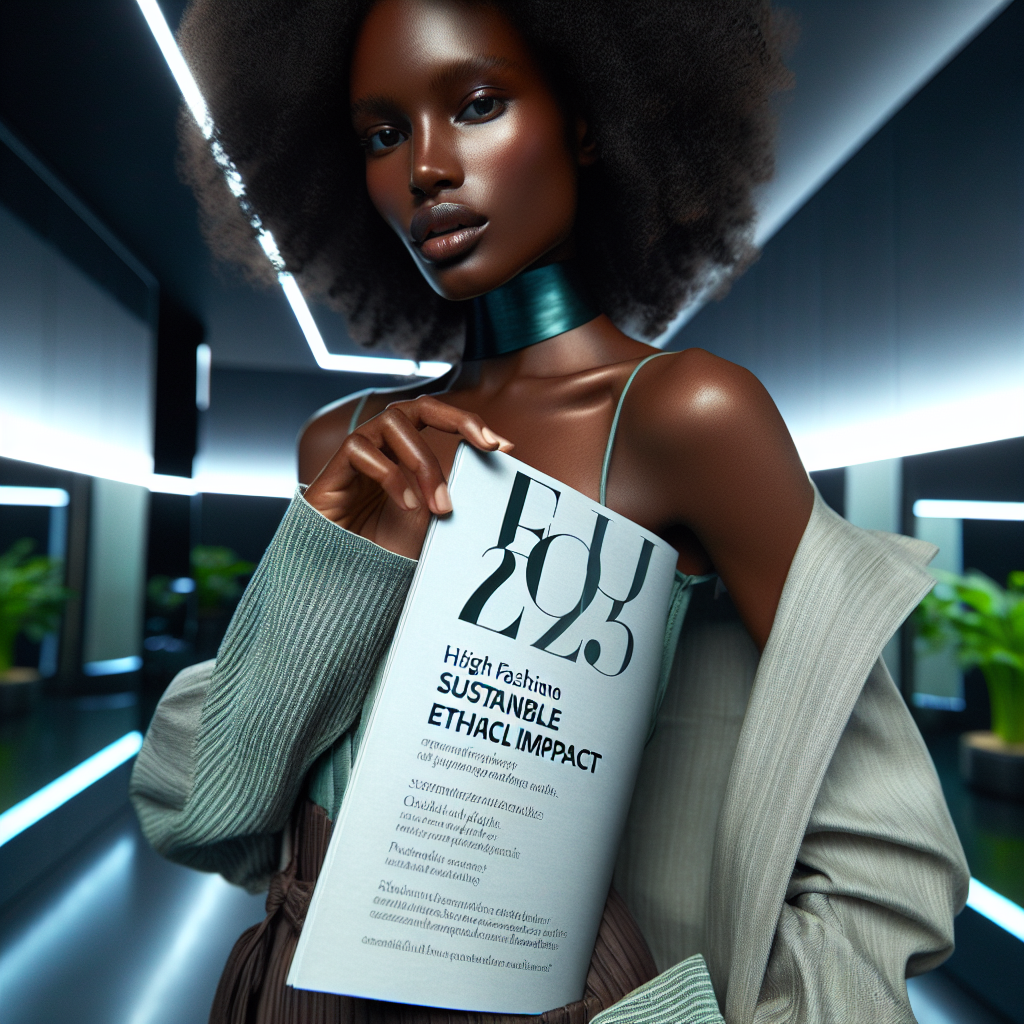
Effortless Style, Ethical Impact: Sustainable Women’s Fashion Brands You’ll Love in 2025
Hey there! Ever feel like your closet needs a makeover, but the thought of fast fashion’s impact on the planet just gives you the ick? You’re not alone. More and more of us are waking up to the fact that looking good shouldn’t cost the Earth (literally!).
So, let’s talk sustainable women’s fashion. Forget itchy hemp sacks – we’re talking about brands that blend cutting-edge style with serious ethical chops. Brands that prove you can be both a fashionista and a conscious consumer. By 2025, these are the names you’ll want to know.
What Exactly Makes Fashion “Sustainable,” Anyway?
Okay, before we jump in, let’s clear something up. “Sustainable fashion” isn’t just a buzzword. It’s about a whole lot more than just using slightly-less-bad materials. It’s a holistic approach, encompassing everything from how clothes are made to how they’re shipped, used, and eventually either recycled or composted. It’s the circle of life, but for your wardrobe.
Think about it: the fashion industry is a HUGE consumer of water, energy, and raw materials. Plus, the sheer amount of waste it produces is staggering. Sustainable fashion aims to address all of these issues, promoting practices that are better for the planet and the people who work in the industry. We’re talking fair wages, safe working conditions, reduced carbon emissions, and a whole lot more.
The Brands Leading the Charge
Alright, let’s cut to the chase. Who’s actually doing this stuff well? These are some of the brands that are making waves and setting the standard for sustainable women’s fashion in 2025 (and beyond!).
Reformation: The Cool Girl’s Go-To
Reformation is like that effortlessly stylish friend who always looks amazing without seeming to try. They’re all about sustainable materials (think recycled fabrics and Tencel) and transparent manufacturing. Plus, their designs are seriously on-trend. What’s not to love?
They even have a “RefScale” that tracks the environmental impact of each garment – so you know exactly how much water, energy, and carbon dioxide you’re saving by choosing their clothes. Talk about accountability!
Eileen Fisher: Timeless Style, Lasting Impact
Eileen Fisher has been a pioneer in sustainable fashion for decades. They’re known for their classic, minimalist designs that are made to last. And they’re deeply committed to ethical production and responsible sourcing.
But here’s the real kicker: their Renew program. They take back used Eileen Fisher clothing, clean it up, and resell it. It’s a brilliant example of circular fashion in action, keeping clothes out of landfills and giving them a second (or third, or fourth!) life.
People Tree: Fair Trade Fashion at Its Finest
People Tree is all about fair trade. They work directly with artisans and farmers in developing countries, ensuring they receive fair wages and safe working conditions. Their clothing is made from organic cotton and other eco-friendly materials.
Honestly, when you buy from People Tree, you’re not just buying a piece of clothing. You’re supporting a community and helping to create a more equitable world. It feels good, doesn’t it?
Stella McCartney: Luxury with a Conscience
Stella McCartney has proven that luxury fashion can be sustainable. Her brand is known for its commitment to cruelty-free and eco-friendly practices. She avoids using leather, fur, and PVC, instead opting for innovative materials like recycled nylon and organic cotton.
Her designs are always cutting-edge and coveted, proving that you don’t have to sacrifice style to be sustainable. More brands are taking notice and are following suit. See this article about her take on sustainability.
Patagonia: More Than Just Outdoor Gear
Okay, you might think of Patagonia as just an outdoor brand, but they’re actually doing some really cool things in the sustainability space. They’re known for their commitment to environmental activism and their use of recycled materials. They even have a program that allows you to trade in your used Patagonia gear for credit toward new purchases.
And let’s not forget their Worn Wear program, which repairs and resells used Patagonia clothing. It’s all about extending the life of their products and reducing waste. Plus, they’re super transparent about their supply chain, which is always a good sign.
Beyond the Brands: How to Build Your Own Sustainable Wardrobe
Choosing the right brands is a huge step, but building a truly sustainable wardrobe is about more than just buying new clothes. Here are a few other things you can do:
Embrace the Capsule Wardrobe
A capsule wardrobe is a collection of essential clothing items that can be mixed and matched to create a variety of outfits. It’s all about quality over quantity. Invest in a few well-made pieces that you love and will wear for years to come.
Think classic silhouettes, neutral colors, and versatile fabrics. A capsule wardrobe is not only more sustainable but also simplifies your life. No more staring into a closet full of clothes and feeling like you have nothing to wear!
Shop Secondhand (Thrifting, Vintage, Consignment)
Buying secondhand is one of the most sustainable ways to shop. You’re giving clothes a second life and keeping them out of landfills. Plus, you can often find unique and stylish pieces at a fraction of the original price.
Thrifting can be a treasure hunt, but it’s also a great way to discover hidden gems and express your personal style. Don’t underestimate the power of a good thrift store! You might even find designer pieces at bargain prices.
Take Care of Your Clothes
This might seem obvious, but taking good care of your clothes can significantly extend their lifespan. Wash them properly (cold water is your friend!), repair them when needed, and store them carefully. Learn basic sewing skills – you’d be surprised how easy it is to fix a ripped seam or replace a button.
The longer your clothes last, the less often you need to replace them, and the less waste you create. Plus, you’ll save money in the long run. It’s a win-win!
Rent, Borrow, or Swap
Need something special for a one-time event? Consider renting, borrowing, or swapping clothes with friends. There are now tons of clothing rental services that offer designer pieces for a fraction of the retail price. It’s a great way to try new styles without committing to buying.
Swapping clothes with friends is another fun and sustainable option. Host a clothing swap party and encourage everyone to bring items they no longer wear. You might just find your new favorite outfit!
The Future of Sustainable Fashion: What to Expect in 2025
So, what does the future hold for sustainable fashion? Expect to see even more innovation in materials, manufacturing, and business models. Here are a few trends to watch:
Increased Use of Innovative Materials
Companies are constantly experimenting with new and eco-friendly materials, such as plant-based fabrics, recycled fibers, and lab-grown materials. Expect to see a wider adoption of these materials in the coming years. Think pineapple leather, mushroom leather, and fabrics made from algae or orange peels.
These materials are not only more sustainable but also offer unique properties and textures. It’s an exciting time for material innovation!
More Transparency and Traceability
Consumers are demanding more transparency from brands about their supply chains. They want to know where their clothes are made, who made them, and what impact they have on the environment. Expect to see more brands providing detailed information about their production processes.
Blockchain technology is also being used to track the journey of garments from raw materials to finished product, ensuring transparency and accountability.
Circular Fashion Models Will Become the Norm
The traditional linear model of “take-make-dispose” is unsustainable. Circular fashion models aim to keep clothes in use for as long as possible through resale, repair, and recycling. Expect to see more brands adopting circular business models in the future.
This includes take-back programs, clothing rental services, and innovative recycling technologies that can turn old clothes into new ones.
Personalization and Made-to-Order Clothing
Technology is making it easier to create personalized and made-to-order clothing. This reduces waste by eliminating the need for mass production. Expect to see more brands offering custom-fit clothing that is made specifically for you.
3D printing is also being explored as a way to create custom clothing on demand. Imagine being able to design your own clothes and have them printed at home!
In Conclusion: Style with Substance
Sustainable fashion isn’t just a trend – it’s a movement. And it’s a movement that’s here to stay. By choosing sustainable brands, embracing the capsule wardrobe, shopping secondhand, and taking care of your clothes, you can build a wardrobe that’s both stylish and ethical. And that’s something to feel good about.
After all, shouldn’t fashion be about expressing yourself and feeling confident, without harming the planet? You know it should! So, go ahead and explore these awesome brands and start building your sustainable dream wardrobe today. You (and the Earth) will thank you for it!
FAQ: Your Burning Questions About Sustainable Fashion Answered
Still got questions? I thought you might. Here’s a quick FAQ to clear up any remaining doubts:
Choosing sustainable fashion reduces environmental impact, supports fair labor practices, and often leads to higher-quality, longer-lasting clothing. It’s a win-win for the planet and your wardrobe.
Look for certifications like GOTS (Global Organic Textile Standard) or Fair Trade. Also, research the brand’s supply chain and environmental practices. Transparency is key. If they’re not upfront about their processes, that’s a red flag.
It can be, but not always. While some sustainable brands are pricier, the higher quality often means the clothes last longer, making them a better investment. Plus, shopping secondhand is a fantastic way to find affordable sustainable options.
Wash in cold water, use gentle detergents, and avoid the dryer whenever possible. Air drying is much kinder to your clothes and the environment. Also, learn basic sewing skills to repair minor damages.
Absolutely! Focus on timeless pieces that can be styled in different ways to stay current. Shop secondhand or rent trendy items for special occasions. And remember, style is about more than just following trends – it’s about expressing your individuality.
Technology is pivotal in driving more sustainable practices throughout the fashion industry. The use of advanced machinery such as laser cutting and 3D printing can drastically reduce textile waste. Digital platforms enable clothing brands to monitor their supply chains transparently, assuring that ethical standards are kept. Moreover, developments in fabric processing and recycling technologies can reduce the load on the environment and promote the reuse of resources that were once considered trash, making fashion both innovative and responsible.
You can influence change beyond your own shopping decisions by supporting organizations that encourage ethical and ecologically responsible fashion. Inquire about and support companies that are open about their sustainability initiatives. Get involved in local activities or internet campaigns that raise awareness about problems with fashion, and urge for more responsible methods throughout the sector. By using your voice and purchasing decisions in favour of sustainable fashion, you may help to build a future in which fashion has a positive, rather than harmful, impact on society and the environment.
DISCLAIMER
This article offers suggestions for ethical and sustainable fashion brands based on available information up to the present date and estimates. While every attempt has been made to guarantee that this information is both correct and current, consumers should do their own research before making a purchase. The author and publisher disclaim any responsibility for damages incurred as a result of the use of the brands or practices discussed in this piece. It is essential to verify if brands match your personal standards for sustainability and ethics, and to remain updated on fashion industry norms and practices.
var acc = document.getElementsByClassName(“accordion”);
var i;
for (i = 0; i < acc.length; i++) {
acc[i].addEventListener(“click”, function() {
this.classList.toggle(“active”);
var panel = this.nextElementSibling;
if (panel.style.maxHeight) {
panel.style.maxHeight = null;
} else {
panel.style.maxHeight = panel.scrollHeight + “px”;
}
});
}
Categories
- Activewear (160)
- Athletic Jackets (12)
- Comfortable Leggings (14)
- Cozy Joggers (15)
- Functional Sports Shorts (20)
- Stylish Tank Tops (20)
- Supportive Sports Bras (20)
- Yoga Pants (20)
- Yoga Tops (18)
- Bottoms (43)
- Classic Capris (4)
- Comfortable Leggings (4)
- Fashion Shorts (3)
- Skirts (12)
- Stylish Jeans (4)
- Stylish Overalls (4)
- Tailored Trousers (4)
- Unique Jumpsuits (4)
- Curved Fashion (73)
- Dresses (148)
- Boho Dresses (6)
- Casual Dresses (5)
- Cocktail Dresses (4)
- Evening Dresses (10)
- Floral Dresses (15)
- Little Black Dresses (6)
- Maxi Dresses (5)
- Midi Dresses (5)
- Plus-Size Dresses (5)
- Summer Dresses (5)
- Fashion Trends (82)
- Luxury & Designer (94)
- Outfit Inspiration (73)
- Style Guides (67)
- Sustainable Fashion (66)
- Swimwear (122)
- Chic Cover-Ups (6)
- Maternity Swimwear (4)
- One-Piece Swimsuits (5)
- Plus-Size Swimwear (3)
- Stylish Bikinis (7)
- Swim Dresses (6)
- Swim Skirts (7)
- Trendy Tankinis (6)
- Tops (61)
- Button-Down Shirts (4)
- Casual T-Shirts (10)
- Comfortable Hoodies (6)
- Cozy Sweaters (5)
- Elegant Tunics (8)
- Feminine Blouses (8)
- Off-Shoulder Tops (5)
- Stylish Tank Tops (4)
- Trendy Crop Tops (6)
- Travel & Lifestyle Fashion (67)
- Trend Reports (88)
- Workwear & Professional (72)