

Eco Forecast: Minimalist Sustainable Outfits You Didn’t Know You Needed
Why Minimalism and Sustainability Are More Than Just Buzzwords
Here’s the thing — the fashion world has been spinning on its fast wheel for decades, churning out trends at a dizzying pace. Yet somewhere between the seasonal flurries of “must-haves” and “next big things,” a quieter movement has been building steam: minimalist sustainable fashion. Sounds like a mouthful, right? But honestly, it’s pretty straightforward and so much more than just charming words slapped on eco-friendly tags.
Minimalism in fashion is really about getting back to basics—think fewer pieces, but ones that speak volumes. They’re the kind of pieces that aren’t just pretty on the hanger but are packed with purpose. Then sustainability comes in, nudging us to rethink not just how our clothes look but how they’re made, who made them, and what impact those choices have on our planet.
What’s absolutely wild is how these two concepts, when melded together, create a style that’s not only sharp but thoughtful—like wearing a cause without even trying. Minimalist sustainable outfits might just be the best kept secret you didn’t know you needed. And honestly, they might be the answer to that nagging feeling you get staring into an overflowing closet yet feeling like you’ve got “nothing to wear.”
The Capsule Closet: More Than Just a Trend
You know the drill—when you hear the word “capsule wardrobe,” it’s tempting to think, “Isn’t that just a fancy way of saying ‘own less stuff’?” Well, sure, but it’s also a whole philosophy packed with practicality and, dare I say, a bit of magic.
The idea is simple but brilliant: curate a small collection of versatile pieces that mix and match effortlessly. Each item has to pull its weight, saving you the anxiety of outfit-making morning battles. But here’s what’s extra heartwarming—these aren’t just random choices. They’re selected with sustainability baked right in. Fabrics that breathe, dyes that don’t poison our soils, craftsmanship that respects workers.
Brands like Everlane and Patagonia have nailed this approach—they advocate transparency while delivering clean, purpose-packed designs perfect for that minimalist vibe. This is the kind of wardrobe that doesn’t just look good—it feels right.
Fabric Matters: What Are You Really Wearing?
Let’s take a slight detour — have you ever stopped mid-morning, tugged at your shirt, and wondered why it feels so… plastic-y? Yep, that’s the polyester talking. While synthetic fibers like polyester and nylon might seem like performance champs (and they are in some ways!), their environmental cost is a story worth knowing.
Natural fibers—think organic cotton, linen, hemp, and Tencel—are nature’s own textiles. They breathe, biodegrade, and have a lower carbon footprint. But here’s the catch: “organic” and “sustainable” aren’t always hand in hand. It’s a lot to parse through, but here’s a neat tip: if a label shows certifications like GOTS (Global Organic Textile Standard) or OEKO-TEX, it’s a pretty solid green flag that you’re looking at something truly earth-friendly.
Beyond the label, feel the fabric. Does it have that pleasant, natural texture or that synthetic stiffness? Small sensory clues help you learn the language of your own wardrobe. You start appreciating what your skin really craves—not just the fashion industry’s loud whispers.
Pieces That Pull Double Duty: Style Meets Substance
Minimalist sustainable fashion isn’t about stripping down to the basics in a boring way. It’s about smart choices that multitask like a pro—outfits that suit a casual brunch, a quick office meeting, or an evening with friends without missing a beat.
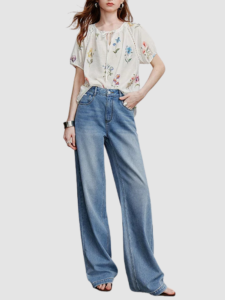
You know those classic white shirts? The ones that don’t scream for attention but quietly elevate everything else? When made sustainably, they’re golden. Pair it with tailored trousers or your go-to jeans—instant chic, no fuss. And it’s not just tops; think dresses that you can layer, pants that stretch just right without sagging, jackets that lose the bulk but keep the warmth.
Brands such as Nudie Jeans take pride in durable denim made from organic cotton, designed to age beautifully instead of rushing you into the landfill cycle. These quality pieces aren’t just clothes—they’re companions who stick around, with stories embroidered in the fades and frays.
Styling for the Planet and Yourself
Styling minimalist sustainable outfits is partly about creating harmony in your closet and partly about reflecting who you are. You might think minimalism means bland, but it really isn’t the case. It’s more like a quiet confidence—a gentle nod that you’ve got your sartorial stuff together without shouting.
Here’s the twist: sometimes, less is actually louder. When you strip away the noise, your personality shines through the fabric choices, the cuts, the little details. A silk scarf, a handcrafted belt, or even a vintage pair of boots can tell a richer story than a hundred mass-produced items.
And honestly, how satisfying is it to open your wardrobe and see a neat, harmonious collection that doesn’t cause overwhelm? It’s like your clothes finally make morning decisions easier, while your environmental conscience stays light.
Let’s Talk Care: Because Clothes Have Feelings Too
Once you’re in tune with your minimalist collection, it turns out that caring for these gems becomes a loving ritual—not a chore. Proper washing, mending, and mindful storage extend the lifespan of your favorites, keeping their story alive longer.
Take a swipe at washing labels—not just as rules to follow but as clues for keeping fabrics happy. Avoid harsh detergents and high heat where possible. And mending? It’s an underrated art! Ripping a seam or losing a button becomes an opportunity to bring a burst of creativity or simply extend the life of your treasure.
Many sustainable brands provide care guides that go beyond the usual advice, helping you treat your clothes like the investments they are. Plus, learning to fix your clothes can be weirdly meditative — almost like therapy. Who knew?
Here’s Why This Matters: The Planet’s Pamper Request
Let me pull back the curtain to a sobering fact: the global fashion industry ranks among the top contributors to pollution and waste. The numbers are staggering. But guess what? Consumers hold a surprising amount of power. Your wardrobe choices have the potential to ripple outward, nudging the cycle toward a gentler, more sustainable rhythm.
Minimalist sustainable outfits are like little emissaries of change, proving that style and responsibility don’t have to battle it out. They coexist beautifully, quietly tipping the scales.
And because this isn’t just about looking good (though isn’t that a lovely bonus?), it’s about feeling good, too. Feeling like you’re part of something bigger, something kinder. That palpable inner peace you get knowing your clothes aren’t taking more than they give back—that’s pretty priceless.
How to Start Your Journey Without Losing Your Mind
Honestly, building a minimalist sustainable wardrobe can seem overwhelming at first. Where do you start when your closet looks like a jungle and the options online look like alphabet soup of fiber names and certifications?
Start slow. Pick one piece to upgrade before your next shopping trip—a sustainable t-shirt, a pair of organic cotton socks, or a jacket made from recycled materials. Use resources like Good On You to check brand ethics before splurging, so you feel confident about where your money’s going.
Next, audit your current wardrobe. What do you actually wear? What can be repaired? And what has been hanging around collecting dust that maybe deserves a loving new home at a thrift or donation store?
Remember: this isn’t a sprint; it’s a gentle, rewarding stroll. Celebrate small wins. Revel in the little moments of discovery and connection with your clothes and values. You’ve got this.
Minimalist Sustainable Outfit Ideas to Inspire You
To wrap it all up, here are some outfit combos that marry minimalist vibes with sustainable choices perfectly. Think along these lines:
- A crisp organic cotton button-down, paired with hemp trousers and secondhand leather loafers.
- A linen midi dress with a recycled polyester blazer and plant-dyed accessories.
- Organic cotton turtleneck tucked into responsibly made denim jeans, finished with a hand-me-down wool coat.
- A mix of vintage pieces with newly sourced sustainable basics – layering is your friend here.
Each outfit isn’t just functional; they’re narratives — stories you tell without saying a word, stitched with intention and respect for the planet’s limits.
FAQs about Minimalist Sustainable Fashion
What exactly is minimalist sustainable fashion?
Minimalist sustainable fashion combines the idea of owning fewer, high-quality clothing pieces with the commitment to eco-friendly, ethical production methods. It’s about simplicity, versatility, and responsibility in your wardrobe choices.
How can I tell if a fabric is sustainable?
Look for natural fibers like organic cotton, hemp, linen, or Tencel, and check for certifications such as GOTS or OEKO-TEX. These labels help confirm that the fabric meets environmental and social standards.
Is sustainable fashion always more expensive?
Initially, sustainable pieces can cost more due to ethical production and better materials. However, their durability and timeless design often save money over time, as you don’t need to replace items frequently.
Can I apply minimalist sustainable principles on a budget?
Absolutely! Start by decluttering, buying secondhand, mending your clothes, and choosing key sustainable items over time. Thrift stores and swaps are gold mines for eco-conscious minimalists.
How do I care for sustainable clothes?
Follow care labels carefully, favoring gentle washing, line drying, and repairing damages promptly. This not only maintains appearance but reduces waste.
Where can I find sustainable minimalist brands?
Brands like Everlane, Patagonia, Nudie Jeans, and Eileen Fisher are notable for their commitment to sustainability and minimalist styles. Websites like Good On You provide excellent brand ethical ratings.
Why does minimalist fashion help the environment?
Minimalism encourages buying less and choosing quality, which reduces textile waste and resource consumption. Sustainable production methods lower pollution and ethical manufacturing supports fair labor practices.
Disclaimer
The information provided in this article is meant to inspire and guide thoughtful wardrobe choices and personal sustainability. As with any lifestyle change, individual results and effectiveness may vary based on unique circumstances and availability of products or brands. Readers should do their own research and consider their personal needs before making purchasing or lifestyle decisions.
Categories
- Activewear (160)
- Athletic Jackets (12)
- Comfortable Leggings (14)
- Cozy Joggers (15)
- Functional Sports Shorts (20)
- Stylish Tank Tops (20)
- Supportive Sports Bras (20)
- Yoga Pants (20)
- Yoga Tops (18)
- Bottoms (43)
- Classic Capris (4)
- Comfortable Leggings (4)
- Fashion Shorts (3)
- Skirts (12)
- Stylish Jeans (4)
- Stylish Overalls (4)
- Tailored Trousers (4)
- Unique Jumpsuits (4)
- Curved Fashion (73)
- Dresses (148)
- Boho Dresses (6)
- Casual Dresses (5)
- Cocktail Dresses (4)
- Evening Dresses (10)
- Floral Dresses (15)
- Little Black Dresses (6)
- Maxi Dresses (5)
- Midi Dresses (5)
- Plus-Size Dresses (5)
- Summer Dresses (5)
- Fashion Trends (82)
- Luxury & Designer (94)
- Outfit Inspiration (73)
- Style Guides (67)
- Sustainable Fashion (66)
- Swimwear (122)
- Chic Cover-Ups (6)
- Maternity Swimwear (4)
- One-Piece Swimsuits (5)
- Plus-Size Swimwear (3)
- Stylish Bikinis (7)
- Swim Dresses (6)
- Swim Skirts (7)
- Trendy Tankinis (6)
- Tops (61)
- Button-Down Shirts (4)
- Casual T-Shirts (10)
- Comfortable Hoodies (6)
- Cozy Sweaters (5)
- Elegant Tunics (8)
- Feminine Blouses (8)
- Off-Shoulder Tops (5)
- Stylish Tank Tops (4)
- Trendy Crop Tops (6)
- Travel & Lifestyle Fashion (67)
- Trend Reports (88)
- Workwear & Professional (72)