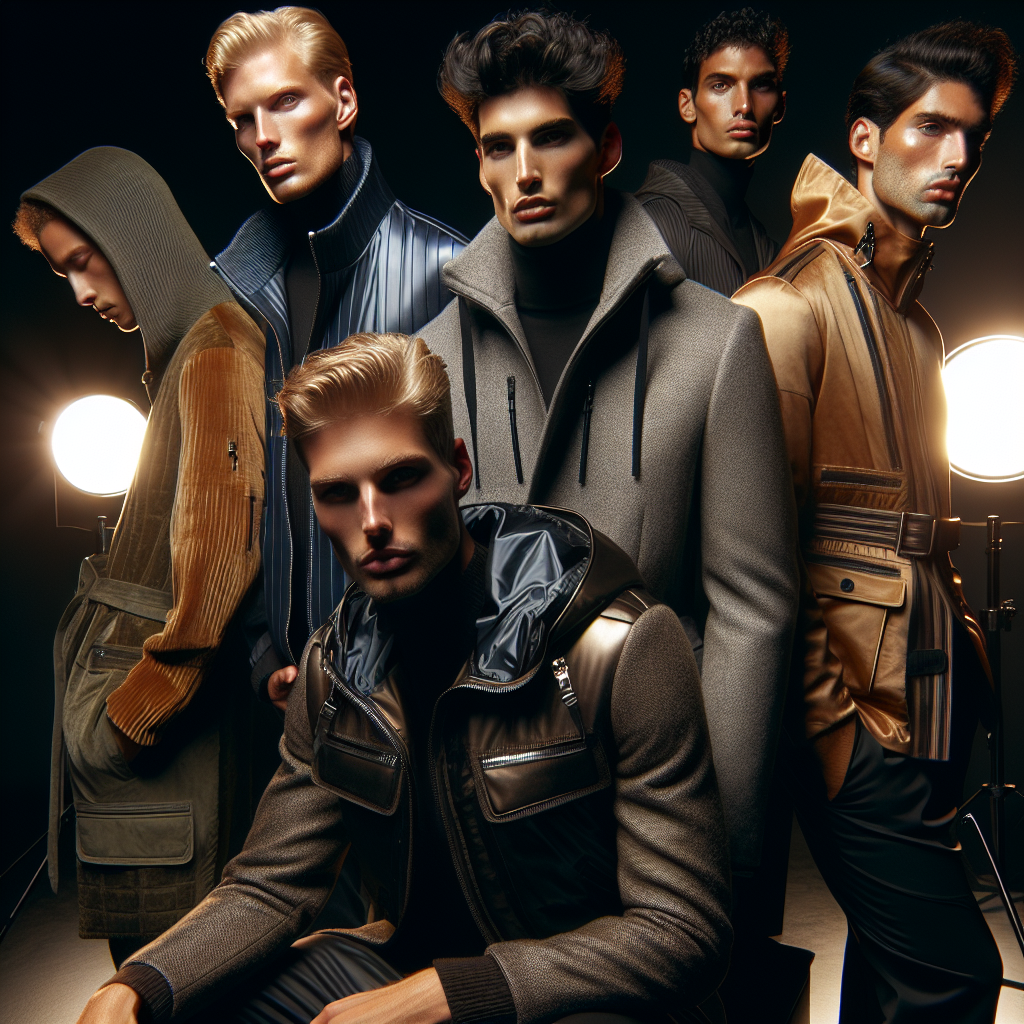
Ditch the Rest: These Editor-Approved Jackets Are Worth the Hype
Okay, let’s be real. You’re on the hunt for a new jacket, right? But wading through endless options online? It’s a real drag. Every brand promises the moon, but how do you know what’s actually worth your hard-earned cash? Well, you’re in luck. We’ve done the legwork, consulted the experts, and found the jackets that truly live up to the hype. From battling blustery winds to making a style statement, these are the pieces our editors swear by.
Why Should You Trust Us? (Spoiler: We’re Picky)
So, why should you listen to us, anyway? Good question! We’re not just pulling names out of a hat. Our team has spent years testing gear, dissecting designs, and understanding what makes a jacket truly exceptional. We’ve endured surprise downpours, braved sub-zero temperatures, and meticulously evaluated countless models. We’re talking about field tests ranging from the urban jungle to actual jungles! And let me tell you, comfort and performance are non-negotiable. If it doesn’t cut it, you won’t see it here. We care not just about looking good, but also about being practical and feeling great.
The All-Around MVP: The Versatile Parka
Ah, the Parka. It’s like the Swiss Army knife of outerwear. Weatherproof, adaptable, and stylish enough for weekend errands or a casual night out. You know, the kind of jacket you grab without thinking, and it just works?
A great parka should have several key features. First, a waterproof and windproof shell is essential. Think fabrics like Gore-Tex or a high-quality treated nylon. Look for taped seams – they matter. Second, insulation. Whether it’s down, synthetic fill, or even wool, it should keep you warm without feeling bulky. I used to think bulky was the only way to stay truly warm, but technology has come a long way!
Fit is also crucial. It should allow for layering without looking like you’re swimming in fabric. And pockets! You can never have too many pockets. Chest pockets, handwarmer pockets, internal pockets…the more, the merrier.
Editor’s Pick: Arc’teryx Therme Parka. It’s pricey, sure, but it’s also an investment. Bombproof construction, excellent warmth-to-weight ratio, and a sleek design that works anywhere. It’s like the James Bond of parkas.
For the Urban Explorer: The Stylish Bomber Jacket
Now, are you aiming for that effortlessly cool city vibe? Then a bomber jacket is your go-to. Its origins trace back to military aviation, but today’s iterations are all about modern style and comfort.
Bomber jackets come in tons of materials – leather, nylon, wool blends, even denim. Leather offers a classic, rugged look, while nylon is lightweight and often water-resistant. Wool blends provide warmth and texture. A quality bomber should have a sturdy zipper, ribbed cuffs and hem, and a comfortable lining.
Editor’s Pick: Everlane The Bomber Jacket. Simple, well-made, and affordable. It comes in a bunch of colors and pairs with pretty much anything. It’s the kind of jacket that elevates your basic jeans-and-t-shirt look.
The Trailblazer’s Choice: The Reliable Hardshell
If you’re serious about outdoor adventures, a hardshell jacket is non-negotiable. We mean hiking, climbing, skiing – anything where you need serious protection from the elements. Think of it as your personal force field against wind, rain, and snow.
The key here is performance. Look for a waterproof and breathable membrane like Gore-Tex (yes, it’s worth the hype) or similar technologies from other brands. Breathability is just as important as waterproofing – you don’t want to feel like you’re wearing a plastic bag. Features like a helmet-compatible hood, pit zips for ventilation, and articulated sleeves for freedom of movement are also essential.
Fit should be athletic but not restrictive. You want room to layer underneath. And don’t skimp on features like adjustable cuffs and hem – they help seal out the elements.
Editor’s Pick: Patagonia Torrentshell 3L Jacket. It’s a workhorse. Durable, waterproof, and surprisingly affordable for its performance level. It’s the kind of jacket that can handle anything you throw at it, from a drizzle to a downpour.
The Cozy Companion: The Fleece Jacket
Sometimes, you just need something soft and warm. Enter the fleece jacket. It’s perfect for layering on chilly days or wearing on its own when the temperature is just right. Think of it as a wearable hug.
Fleece comes in different weights – lightweight, midweight, and heavyweight. Lightweight fleece is great for layering, while heavyweight provides more warmth. Look for features like zippered pockets, a comfortable collar, and a fit that allows for movement.
Sustainability is also something to consider. Many brands now offer fleece made from recycled materials, which is a win for both you and the planet. You know, it’s always good to be just a little bit more conscious of where our stuff comes from.
Editor’s Pick: REI Co-op Groundbreaker Fleece Jacket. It’s soft, warm, and affordable. It also comes in a ton of colors. What’s not to love?
The Unexpected Star: The Quilted Jacket
Quilted jackets have made a serious comeback in recent years. Why? They’re stylish, lightweight, and surprisingly warm. Plus, they come in a huge variety of styles, from classic diamond quilting to more modern geometric patterns.
A good quilted jacket should have a durable outer shell (often nylon or polyester), insulation (usually down or synthetic fill), and a comfortable lining. Fit is key – it shouldn’t be too bulky or too tight. Look for thoughtful details like snap closures, zippered pockets, and a stand-up collar.
Editor’s Pick: Barbour Icons Durham Quilted Jacket. It’s a classic for a reason. Stylish, well-made, and versatile. It can easily be dressed up or down.
Thinking Ahead: Jacket Care & Maintenance
Alright, once you’ve invested in one of these editor-approved jackets, you want it to last, right? A little TLC goes a long way. It’s like taking care of a good pair of boots – they’ll serve you well for years to come if you treat them right.
Here are some quick tips:
- Read the care label: Seriously, do it. Every jacket is different, and the manufacturer knows best.
- Wash it properly: Use a gentle detergent and avoid fabric softeners, which can damage waterproof membranes.
- Dry it right: Tumble dry on low heat or hang it to dry. For down jackets, tossing in a few tennis balls can help restore fluffiness.
- Store it well: Hang your jacket in a cool, dry place. Avoid storing it in direct sunlight or in a damp environment.
- Treat stains promptly: Don’t let stains set. Spot clean with a gentle cloth and mild soap.
These simple steps can significantly extend the life of your jacket, saving you money and keeping you looking good for years to come.
Breaking the Bank? Finding the Right Jacket for Your Budget
Let’s be honest: quality outerwear can be expensive. But it doesn’t always have to break the bank. You can find excellent jackets at various price points if you know where to look. It’s like scouting out a good deal on a used car – a little research pays off big time.
Here are some strategies:
- Sales and discounts: Keep an eye out for seasonal sales, Black Friday deals, and end-of-season clearances.
- Outlet stores: Retailers like REI, Patagonia, and The North Face often have outlet stores with discounted items.
- Used gear markets: Websites like eBay, Poshmark, and GearTrade are great places to find gently used jackets at a fraction of the original price.
- Consider last year’s model: Brands often release new versions of their jackets each year. Last year’s model is usually just as good and can be found at a discount.
- Prioritize features: Decide which features are most important to you and focus on finding a jacket that excels in those areas. You might not need all the bells and whistles.
With a little patience and research, you can find a jacket that fits your needs and your budget.
What About Sustainability? Making Eco-Conscious Choices
In today’s world, it’s more important than ever to consider the environmental impact of our purchases. And that includes jackets! Fortunately, many brands are now offering more sustainable options, from using recycled materials to reducing water usage in production. It’s not just a feel-good thing – it’s the right thing to do.
Here are some things to look for:
- Recycled materials: Jackets made from recycled polyester or nylon are a great choice.
- Organic cotton: If the jacket includes cotton, look for organic options.
- Down certification: If you’re buying a down jacket, look for one that’s certified to the Responsible Down Standard (RDS). This ensures that the down comes from ethically treated birds.
- Bluesign certification: This certification ensures that the factory meets strict environmental and safety standards.
- Fair Trade certification: This certification ensures that the workers who made the jacket were paid fair wages and worked in safe conditions.
By choosing sustainable options, you can reduce your environmental footprint and support brands that are committed to responsible practices.
The Future of Jackets: What’s Next in Outerwear Tech?
Outerwear technology is constantly evolving. From smart fabrics to innovative insulation, the future of jackets is looking pretty exciting. It’s not just about staying warm and dry anymore; it’s about performance, versatility, and sustainability. Think of it as the difference between a flip phone and a smartphone – the possibilities are endless.
Here are some trends to watch:
- Smart fabrics: Fabrics that can regulate temperature, wick away moisture, and even generate electricity.
- Graphene: This super-strong and lightweight material is being used to create jackets that are both durable and highly conductive.
- 3D printing: Imagine being able to customize your jacket to fit your exact body shape and needs. 3D printing could make this a reality.
- Biomimicry: Designers are looking to nature for inspiration, creating jackets that mimic the properties of animal fur or plant leaves.
While some of these technologies are still in their early stages, they hold the promise of revolutionizing the outerwear industry.
Final Thoughts: Finding Your Perfect Match
So, there you have it: our editor-approved picks for the best jackets out there. Whether you’re looking for a versatile parka, a stylish bomber, a reliable hardshell, a cozy fleece, or a chic quilted jacket, there’s something on this list for everyone. And remember, the best jacket for you is the one that fits your needs, your style, and your budget. Happy shopping!
Now that you’re fully armed with knowledge, why not check out some other helpful articles? Outside Online has fantastic reviews and guides on all sorts of outdoor gear. And for sustainable fashion tips, Good On You is an excellent resource.
Frequently Asked Questions
Here are some common questions we get about jackets. Hopefully, this clears up any lingering doubts!
//Basic script to handle FAQ dropdown functionality
document.addEventListener(‘DOMContentLoaded’, function() {
const faqQuestions = document.querySelectorAll(‘.faq-question’);
faqQuestions.forEach(question => {
question.addEventListener(‘click’, function() {
const answer = this.nextElementSibling;
answer.classList.toggle(‘show’);
});
});
});
DISCLAIMER
This article provides general information about jackets and outerwear. We strive to offer accurate and reliable advice, but we recommend that you always consult with a professional if you have specific needs or concerns. Prices and availability of products may vary. Please verify details with retailers before making a purchase. We are not responsible for any damages or losses resulting from the information provided in this article.
Categories
- Activewear (160)
- Athletic Jackets (12)
- Comfortable Leggings (14)
- Cozy Joggers (15)
- Functional Sports Shorts (20)
- Stylish Tank Tops (20)
- Supportive Sports Bras (20)
- Yoga Pants (20)
- Yoga Tops (18)
- Bottoms (43)
- Classic Capris (4)
- Comfortable Leggings (4)
- Fashion Shorts (3)
- Skirts (12)
- Stylish Jeans (4)
- Stylish Overalls (4)
- Tailored Trousers (4)
- Unique Jumpsuits (4)
- Curved Fashion (73)
- Dresses (148)
- Boho Dresses (6)
- Casual Dresses (5)
- Cocktail Dresses (4)
- Evening Dresses (10)
- Floral Dresses (15)
- Little Black Dresses (6)
- Maxi Dresses (5)
- Midi Dresses (5)
- Plus-Size Dresses (5)
- Summer Dresses (5)
- Fashion Trends (82)
- Luxury & Designer (94)
- Outfit Inspiration (73)
- Style Guides (67)
- Sustainable Fashion (66)
- Swimwear (122)
- Chic Cover-Ups (6)
- Maternity Swimwear (4)
- One-Piece Swimsuits (5)
- Plus-Size Swimwear (3)
- Stylish Bikinis (7)
- Swim Dresses (6)
- Swim Skirts (7)
- Trendy Tankinis (6)
- Tops (61)
- Button-Down Shirts (4)
- Casual T-Shirts (10)
- Comfortable Hoodies (6)
- Cozy Sweaters (5)
- Elegant Tunics (8)
- Feminine Blouses (8)
- Off-Shoulder Tops (5)
- Stylish Tank Tops (4)
- Trendy Crop Tops (6)
- Travel & Lifestyle Fashion (67)
- Trend Reports (88)
- Workwear & Professional (72)