
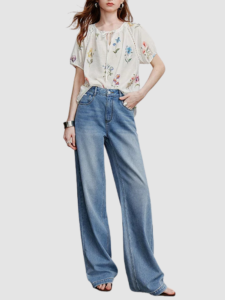
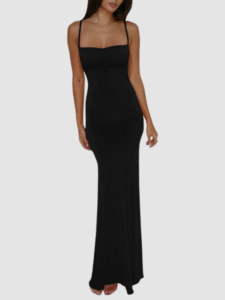
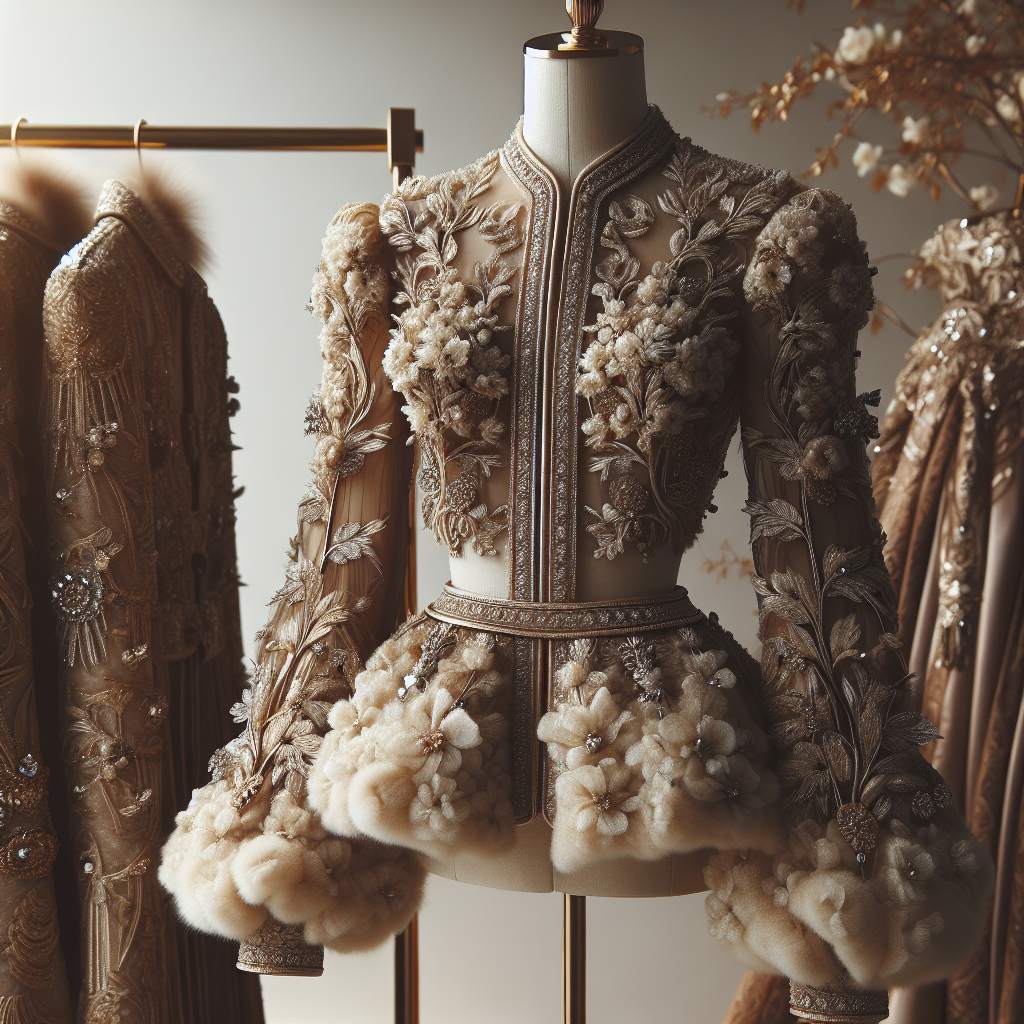
Consider your target audience: Are you speaking to fashion-forward trendsetters or practical, value-seeking shoppers?
Ever feel like you’re shouting into the void when you’re trying to sell something? Maybe your message just isn’t hitting the right ears. Honestly, understanding who you’re talking to—whether it’s the fashion-forward crowd or folks looking for the best bang for their buck—is the secret sauce to making your marketing efforts actually work. And it’s not just about demographics; it’s about psychographics, behaviors, and what makes them tick. So, let’s get down to brass tacks and figure out how to tailor your message for different audiences.
Why Knowing Your Audience is Non-Negotiable
Think of it like this: you wouldn’t serve a steak to a vegetarian, right? Similarly, you can’t expect a minimalist to be drawn in by flashy, over-the-top advertising. Knowing your audience isn’t just “nice to have”—it’s absolutely essential. It’s the bedrock on which you build your marketing strategy. Are you looking to target business owners or entrepreneurs? Remember to create content that resonates with their need to stay competitive, grow their network, and remain knowledgeable in their specific markets.
It’s about understanding their needs, desires, pain points, and what motivates them. This information dictates everything from the tone of your writing to the platforms you use for marketing. Get this wrong, and you might as well be throwing money down the drain.
For instance, consider two hypothetical companies: “StyleUp,” a high-end fashion brand, and “SavvyBuys,” a discount retailer. StyleUp likely targets fashion-conscious consumers willing to spend more for unique designs and luxury experiences. SavvyBuys, on the other hand, aims for budget-minded shoppers who prioritize cost savings over brand prestige. Their marketing tactics must be completely different to appeal to their respective audiences.
Trendsetters vs. Value Seekers: Spotting the Difference
Okay, so let’s break down these two core audience types. On one side, you’ve got the trendsetters—the early adopters, the fashionistas, the folks who are always looking for the next big thing. On the other, you’ve got value seekers—the bargain hunters, the coupon clippers, the people who want the most for their money. See the difference?
It’s important to identify which group your item appeals to, so here are some more details.
Trendsetters: The Early Adopters
Trendsetters are those individuals who are first in line for the latest gadgets, fashion pieces, or experiences. They thrive on innovation and are willing to pay a premium to be ahead of the curve. These folks are often influencers, whether formally or informally, shaping the tastes of those around them. They are often found on platforms like Instagram and TikTok, where visual appeal reigns supreme.
What makes a trendsetter tick? They’re often motivated by:
- Status and recognition
- Exclusivity
- The thrill of novelty
- Self-expression.
To reach them, focus on crafting a narrative that emphasizes exclusivity and innovation. Highlight what makes your product or service unique and how it can elevate their status.
For example, think about how luxury brands release limited-edition products or collaborate with renowned designers. These strategies cater directly to the trendsetter’s desire for something rare and coveted. Think Supreme, with its limited-edition drops that send hypebeasts into frenzies. Or Tesla, constantly pushing the boundaries of electric vehicle technology, attracting those who want to be seen as part of the future.
Value Seekers: The Savvy Shoppers
Value seekers are all about getting the most for their money. They meticulously compare prices, hunt for deals, and read reviews before making a purchase. They’re not necessarily cheap; they’re just smart about how they spend their hard-earned cash. They’re often found on platforms like Facebook and comparison shopping websites, where they can easily find the best deals.
What drives value seekers? It’s usually one of these:
- Practicality
- Savings
- Quality at a reasonable price
- Wise investments
To attract them, highlight the affordability, durability, and practicality of your product. Emphasize deals, discounts, and warranties. You want to reassure them that they’re making a smart purchase.
Think of brands like Costco, which offers bulk discounts and exclusive deals to its members. Or retailers like Aldi, which focuses on providing high-quality products at significantly lower prices than traditional supermarkets. These companies have built their entire business model around appealing to value seekers.
Crafting Your Message: Speaking the Right Language
Alright, so you’ve identified who you’re talking to. Now comes the fun part: crafting a message that resonates. This isn’t just about changing a few words; it’s about completely rethinking your approach. Let’s get granular.
The process of crafting your message is important to ensure your core values as a business are translated. Here’s how to do it.
For Trendsetters: Inspire and Intrigue
With trendsetters, you’re not just selling a product; you’re selling a lifestyle, an experience, and a sense of belonging to an exclusive club. Your messaging should be aspirational, intriguing, and visually stunning, so when selling to businesses it is important to inspire the user by sharing interesting insights.
- Focus on aesthetics: High-quality images and videos are a must. Think clean, modern, and visually captivating.
- Emphasize exclusivity: Use language that suggests limited availability and unique features. “Be among the first to experience…,” or “Introducing the limited-edition…”
- Tell a story: Create a narrative that connects your product to a broader cultural movement or trend. How does it influence popular culture?
- Engage influencers: Partner with relevant influencers who can showcase your product in an authentic and compelling way.
Here’s an example: Imagine a company selling a new type of electric scooter. For trendsetters, their messaging might focus on the scooter’s sleek design, advanced technology, and its ability to make them stand out from the crowd. They might partner with fashion bloggers or urban explorers to showcase the scooter in visually stunning urban settings.
For Value Seekers: Inform and Reassure
Value seekers are more interested in the nuts and bolts. They want to know how your product will make their lives easier, save them money, or provide long-term value. Honesty and transparency are key. Let me explain:
- Highlight benefits: Focus on the tangible advantages of your product. “Save money on gas with our fuel-efficient car,” or “Enjoy long-lasting durability with our premium cookware.”
- Provide social proof: Showcase positive customer reviews, testimonials, and ratings. Build trust by proving your product delivers on its promises.
- Offer guarantees: Provide warranties, return policies, and satisfaction guarantees. This reduces the perceived risk of making a purchase.
- Be transparent: Clearly communicate your pricing, shipping costs, and any other relevant information. Hidden fees are a major turnoff for value seekers.
In the electric scooter example, the messaging for value seekers would emphasize the scooter’s cost-effectiveness compared to public transport or car ownership. They would highlight its long lifespan, low maintenance costs, and any available warranties. They might also share customer reviews praising the scooter’s reliability and affordability.
Choosing the Right Channels: Where Does Your Audience Hang Out?
You know what they say: it’s not just what you say, but where you say it. Picking the right platforms to reach your target audience is a huge factor in making sure your efforts are not wasted. Think of it this way: you wouldn’t go fishing in a desert, would you?
Let’s break it down:
Trendsetters: Visual Platforms Reign Supreme
Trendsetters are typically active on visually driven platforms like Instagram, TikTok, and Pinterest. These platforms allow them to discover new trends, share their personal style, and engage with influencers. Don’t forget about YouTube; it’s good for tutorials, cool product showcases, and behind-the-scenes content.
To reach trendsetters on these platforms:
- Invest in high-quality visuals: Stunning images and videos are essential.
- Use relevant hashtags: Help trendsetters discover your content.
- Partner with influencers: Tap into their existing audience and credibility.
- Run engaging contests and giveaways: Generate excitement and buzz.
Value Seekers: Practical and Informative Channels
Value seekers are often found on platforms where they can easily compare prices, read reviews, and find deals. Think of Facebook, comparison-shopping websites, and coupon sites. They also appreciate informative content on blogs and YouTube, such as product reviews and money-saving tips.
To reach them on these platforms:
- Share deals and discounts: Make it easy for them to find your offers.
- Highlight positive reviews: Showcase social proof.
- Create informative content: Provide valuable information to help them make informed decisions.
- Run targeted ads: Reach value seekers with relevant offers.
Examples in Action: Real-World Scenarios
Okay, let’s tie this all together with some real-world examples. Honestly, seeing how other companies are doing it can be incredibly insightful.
Example 1: A Clothing Brand
Imagine a clothing brand launching a new line of sustainable apparel. For trendsetters, they might focus on the line’s unique designs, eco-friendly materials, and its connection to a broader movement of conscious consumerism. They might partner with ethical fashion influencers and host pop-up events in trendy urban locations.
For value seekers, they might emphasize the line’s durability, affordability, and the long-term savings of investing in high-quality, sustainable clothing. They might run promotions like “Buy one, get one 50% off” and highlight customer reviews praising the line’s comfort and value.
Example 2: A Tech Gadget
A tech company releasing a new noise-canceling headphones. To appeal to trendsetters, they’d highlight the headphones’ sleek design, cutting-edge technology, and ability to make a statement. They might have celebrity endorsements or showcase the headphones at exclusive tech events.
To appeal to value seekers, they’d emphasize the headphones’ superior sound quality, durability, and noise-canceling capabilities compared to competitors. They might offer deals like free extended warranty as well as free shipping on certain prices, or money-back guarantee and show customer reviews highlighting the headphones’ value for money.
Staying Adaptable: The Only Constant is Change
Here’s the thing: audiences aren’t static. Trends shift, economic conditions change, and consumer preferences evolve. It’s so important to keep your finger on the pulse and adapt your messaging accordingly or you will find what worked last quarter will not work this quarter.
Regularly re-evaluate your target audience by implementing these tips or tools:
- Gather feedback: Conduct surveys, polls, and focus groups to understand your audience’s current needs and preferences.
- Monitor social media: Track conversations, hashtags, and mentions related to your brand and industry.
- Analyze website data: Track user behavior, demographics, and engagement metrics on your website.
- Stay updated on industry trends: Read industry publications, attend conferences, and follow thought leaders to stay informed about the latest developments.
To gather feedback through surveys, polls, and focus groups, you can make use of tools like SurveyMonkey or Google Forms for online questionnaires. Services like UserTesting enable you to get insights from real users interacting with your product.
Brandwatch or Hootsuite Insights for social listening.
To analyze your website data, use tools such as Google Analytics and HubSpot to gain insights into user behavior, demographics, and engagement metrics on your site.
Tools like Feedly and Google Alerts allow you to stay updated on industry trends by aggregating information from various sources.
By staying adaptable and continuously refining your understanding of your target audience, you can ensure that your marketing efforts remain effective and drive results.
Let me explain this using an example.
Let’s say you’re a coffee shop targeting young professionals. Initially, your marketing focuses on the convenience of your location and quick service. However, after analyzing feedback and social media trends, you notice a growing interest in sustainability and ethical sourcing.
To adapt, you might start highlighting your commitment to fair trade coffee beans, eco-friendly packaging, and community involvement. You could also host events focused on sustainable living and partner with local environmental organizations. This shift in messaging would resonate with the evolving values of your target audience and help you stay competitive.
Link to a relevant external article
<!DOCTYPE html>
    <div class="faq-item">

        <button class="faq-question">

            **How do I figure out if my product appeals more to trendsetters or value seekers?**

        </button>

        <div class="faq-answer">

            Analyze your product's features and benefits. Does it offer cutting-edge design and exclusivity, or does it provide practical solutions at a reasonable price? Furthermore, research your competitors and how they're marketing to their respective target demographics.

        </div>

    </div>
<div class="faq-item">

        <button class="faq-question">

            **What if my product could appeal to both?**

        </button>

        <div class="faq-answer">

            Develop separate marketing campaigns tailored to each audience segment. Highlight different aspects of your product in each campaign.

        </div>

    </div>
<div class="faq-item">

        <button class="faq-question">

            **Are these the only two audience types I need to worry about?**

        </button>

        <div class="faq-answer">

            No, but they represent two ends of a spectrum. Your actual audience might fall somewhere in between or belong to an entirely different category.

        </div>

    </div>
<div class="faq-item">

        <button class="faq-question">

           **How important is online reputation management in attracting value seekers?**

        </button>

        <div class="faq-answer">

            For value seekers, online reputation is highly important. They carefully evaluate reviews, ratings, and testimonials before making a purchase. Positive reviews can reinforce their confidence in the product's value, while negative feedback may deter them. Thus, ensuring your online reputation is well managed and transparent is important in building trust and influencing their purchase decisions.

        </div>

    </div>
<div class="faq-item">

        <button class="faq-question">

            **What role does social media play in reaching trendsetters?**

        </button>

        <div class="faq-answer">

            Social media serves as a critical platform for engaging trendsetters. Trendsetters often turn to platforms like Instagram or TikTok for inspiration, novel trends, and self-expression. Creating visually appealing, high-quality content is key to reaching early adopters on these platforms.

        </div>

    </div>
<div class="faq-item">

        <button class="faq-question">

           **What strategies can be used to stay updated on changing audience preferences?**

        </button>

        <div class="faq-answer">

           Several strategies can be employed to effectively monitor and adapt to changing audience preferences. Start by encouraging active engagement with surveys to receive input on audience satisfaction and preferences.

        </div>

    </div>

</div>
<script>

    const faqQuestions = document.querySelectorAll('.faq-question');
faqQuestions.forEach(question => {

        question.addEventListener('click', () => {

            const answer = question.nextElementSibling;

            answer.classList.toggle('active');

        });

    });

</script>Categories
- Activewear (160)
- Athletic Jackets (12)
- Comfortable Leggings (14)
- Cozy Joggers (15)
- Functional Sports Shorts (20)
- Stylish Tank Tops (20)
- Supportive Sports Bras (20)
- Yoga Pants (20)
- Yoga Tops (18)
- Bottoms (43)
- Classic Capris (4)
- Comfortable Leggings (4)
- Fashion Shorts (3)
- Skirts (12)
- Stylish Jeans (4)
- Stylish Overalls (4)
- Tailored Trousers (4)
- Unique Jumpsuits (4)
- Curved Fashion (73)
- Dresses (148)
- Boho Dresses (6)
- Casual Dresses (5)
- Cocktail Dresses (4)
- Evening Dresses (10)
- Floral Dresses (15)
- Little Black Dresses (6)
- Maxi Dresses (5)
- Midi Dresses (5)
- Plus-Size Dresses (5)
- Summer Dresses (5)
- Fashion Trends (82)
- Luxury & Designer (94)
- Outfit Inspiration (73)
- Style Guides (67)
- Sustainable Fashion (66)
- Swimwear (122)
- Chic Cover-Ups (6)
- Maternity Swimwear (4)
- One-Piece Swimsuits (5)
- Plus-Size Swimwear (3)
- Stylish Bikinis (7)
- Swim Dresses (6)
- Swim Skirts (7)
- Trendy Tankinis (6)
- Tops (61)
- Button-Down Shirts (4)
- Casual T-Shirts (10)
- Comfortable Hoodies (6)
- Cozy Sweaters (5)
- Elegant Tunics (8)
- Feminine Blouses (8)
- Off-Shoulder Tops (5)
- Stylish Tank Tops (4)
- Trendy Crop Tops (6)
- Travel & Lifestyle Fashion (67)
- Trend Reports (88)
- Workwear & Professional (72)