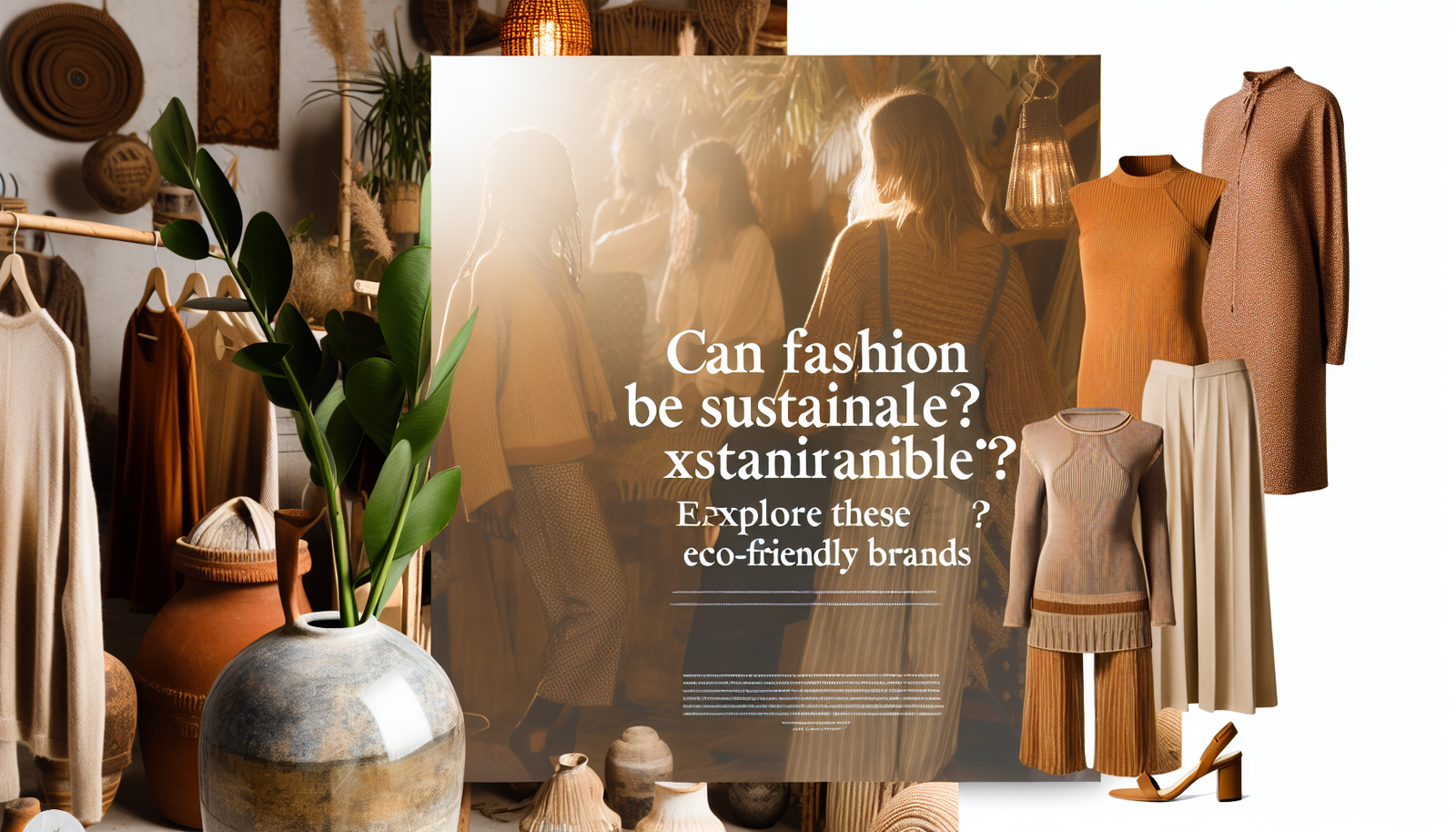
Can Fashion Be Sustainable? Explore These Women’s Eco-Friendly Brands
Can Fashion Be Sustainable? Exploring Eco-Friendly Brands Led by Women
Fashion. It’s an expression of who we are, a canvas reflecting our personalities and a vibrant industry worth billions. But let’s be real, the fashion industry also carries a heavy environmental footprint. From water consumption to textile waste, the impact is significant. You know what? It’s time for a change. So, can fashion *really* be sustainable? Let’s get into it.
The Harsh Truth About Fashion’s Environmental Impact
The truth is, the fashion industry is a major polluter. Let me explain: fast fashion encourages overconsumption, leading to mountains of discarded clothing. And the production processes? Well, they guzzle water, use harsh chemicals, and contribute significantly to carbon emissions.
Think about it: Cheap clothes come at a cost, just not one that’s always reflected on the price tag. The environmental repercussions affect everyone, so let’s peel back the layers.
- Water Consumption: It takes thousands of liters of water to produce a single cotton t-shirt. Seriously.
- Textile Waste: Fast fashion encourages a “wear-it-once” mentality, leading to overflowing landfills.
- Carbon Emissions: From manufacturing to shipping, the fashion industry’s carbon footprint is substantial and growing.
- Chemical Use: Dyes and other textile treatments often involve harmful chemicals that pollute water sources.
Is Sustainable Fashion Just a Trend, or Is It Here to Stay?
Honestly, I hope it’s here to stay. Sustainable fashion is more than just a fleeting trend; it’s a conscious movement towards creating clothing that respects both the planet and its people. We’re talking about designing garments that last longer, using eco-friendly materials, and ensuring fair labor practices.
Here’s the thing, sustainable fashion seeks to reduce the environmental impact of the fashion industry. How? By focusing on:
- Eco-Friendly Materials: Think organic cotton, recycled fibers, and innovative materials like Tencel.
- Ethical Production: Ensuring fair wages and safe working conditions for garment workers.
- Durability: Creating garments that are designed to last, reducing the need for constant replacement.
- Circular Fashion: Encouraging recycling, upcycling, and other methods to keep clothes in use longer.
Companies across the globe are coming up with awesome solutions to reduce their environmental impact and promote fair labor practices. The question is, are everyday consumers ready to embrace these changes and make more eco-conscious choices?
Meet the Women Championing Eco-Friendly Fashion
Alright, let’s spotlight some incredible women who are leading the charge in sustainable fashion! These entrepreneurs and designers are not only creating beautiful clothing, but are also committed to ethical and environmental responsibility. Talk about inspiring!
Eileen Fisher: Pioneering Sustainable Design
Eileen Fisher is a name synonymous with sustainable style. For decades, she’s been committed to creating timeless, versatile pieces that are made to last. Their Renew program takes back used Eileen Fisher clothing to be resold or remade into new designs which ensures that their garments stay in use longer and reduces waste. Check out Eileen Fisher here.
Stella McCartney: Luxury with a Conscience
Stella McCartney has been a vocal advocate for sustainability in the luxury fashion world. Her brand uses innovative materials like recycled cashmere and sustainably sourced viscose and avoids the use of leather and fur. She’s proving that high fashion doesn’t have to come at the expense of the planet. It is possible to create stunning pieces and be sustainable. Learn more about Stella McCartney’s sustainable practices.
Mara Hoffman: Bold Prints, Sustainable Practices
Mara Hoffman is known for her vibrant prints and commitment to sustainable practices. Her brand prioritizes using responsibly sourced materials, reducing waste, and promoting fair labor practices. Their dedication to transparency and conscious design sets a high standard for the industry. Explore Mara Hoffman’s collections.
How to Spot Greenwashing in the Fashion Industry (and Avoid It!)
Okay, let’s talk about greenwashing. It’s when companies try to appear more eco-friendly than they actually are. Honestly, it’s rampant in the fashion industry, so it’s important to be a savvy consumer. So, how can you spot it?
- Vague Language: Watch out for terms like “eco-friendly” or “sustainable” without specific details.
- Lack of Transparency: If a brand isn’t open about its production processes, that’s a red flag.
- Focus on One Aspect: Just because a company uses recycled packaging doesn’t mean their entire operation is sustainable.
- Third-Party Certifications: Look for certifications like GOTS (Global Organic Textile Standard) or Fair Trade to ensure accountability.
Instead of blindly trusting labels, dig deeper. Ask questions. Do your research. Informed consumers drive change.
Small Steps, Big Impact: How You Can Make a Difference
Making fashion more sustainable doesn’t require a complete wardrobe overhaul. It’s about making conscious choices and adopting new habits. Even small steps can contribute to a big difference!
- Buy Less, Choose Well: Invest in high-quality, durable pieces that you’ll love for years to come.
- Embrace Secondhand: Explore thrift stores, consignment shops, and online marketplaces.
- Support Sustainable Brands: Seek out companies committed to ethical and environmental practices.
- Care for Your Clothes: Wash your clothes less often, and hang them to dry to extend their lifespan.
- Recycle or Donate: Instead of throwing away unwanted clothing, donate them or recycle them through textile recycling programs.
Every purchase is a statement. Choose wisely, and you can help shape a more sustainable future for fashion. You got this!
The Future of Fashion: Innovation and Collaboration
The future of fashion hinges on innovation and collaboration. We need designers, manufacturers, and consumers to work together to create a more sustainable system. Imagine a world where fashion is circular, where waste is minimized, and where clothing is made with respect for both people and the planet.
That means:
- Material Innovation: Developing new materials that have a lower environmental impact.
- Technology: Using technology to improve efficiency and reduce waste in the production process.
- Collaboration: Brands working together to share resources and best practices.
- Consumer Education: Raising awareness about the environmental impact of fashion and empowering consumers to make informed choices.
This isn’t just a pipe dream. It’s a goal we can achieve if we work together. Fashion has the power to be a force for good—let’s make it happen!
Sustainable Fabrics: What Are Our Options?
When you’re trying to make better choices, knowing your fabrics is key. Let’s explore some awesome materials that support sustainability, so next time you’re shopping, you’ll know what to look for!
- Organic Cotton: Unlike regular cotton, organic cotton is grown without synthetic pesticides or fertilizers. This protects ecosystems, reduces water consumption, and keeps harmful chemicals away from the workers and our skin. It’s a win-win!
- Recycled Polyester: Did you know plastic bottles can get a new life as clothing? Recycled polyester, often made from recycled plastic bottles (rPET), reduces landfill waste and the dependency on virgin polyester, which comes from petroleum. Plus, it performs just as well!
- Tencel (Lyocell): Tencel is made from sustainably harvested wood pulp, usually eucalyptus, which requires less water and pesticides than cotton. It’s created in a closed-loop process, meaning the solvents used are recycled, minimizing environmental impact. Tencel is soft, breathable, and biodegradable.
- Linen: Linen is made from flax fibers, which are incredibly resilient and require little irrigation or pesticides. Flax also enriches the soil it grows in. Linen is durable, breathable, and gets softer with each wash.
- Hemp: Hemp is one of the most environmentally friendly fabrics. It grows quickly, needs very little water, and doesn’t require pesticides. Hemp fibers are strong and versatile, and can be used for everything from clothing to accessories.
- Recycled Denim: Denim production is notoriously water and energy-intensive. Recycled denim, made from post-consumer or pre-consumer denim scraps, reduces waste and the need for new resources.
The Role of Government and Policy in Sustainable Fashion
Alright, let’s zoom out a bit and think about how governments and policies can help steer the fashion industry toward sustainability. After all, it’s not just up to brands and consumers; we need some top-down support, too!
- Extended Producer Responsibility (EPR): EPR policies make producers responsible for the end-of-life management of their products. In the fashion world, this could mean brands have to take back old clothes for recycling or reuse.
- Textile Waste Bans: Policies banning textile waste from landfills can encourage recycling and reuse initiatives.
- Incentives for Sustainable Practices: Governments can offer tax breaks, subsidies, or other incentives to companies that adopt sustainable practices, use eco-friendly materials, or implement fair labor standards.
- Labeling Requirements: Standardized labeling can help consumers make informed choices by clearly showing the environmental and social impacts of clothing items.
- Regulations on Harmful Chemicals: Governments can restrict or ban the use of harmful chemicals in textile production, protecting workers and the environment.
- Support for Research and Development: Funding research into innovative, sustainable materials and production methods can drive breakthroughs in the industry.
- Trade Agreements: Trade policies can be designed to promote fair labor practices and environmental standards in the fashion industry, ensuring that sustainability isn’t sacrificed for cheaper production costs.
How Can We Encourage Transparency in the Fashion Supply Chain?
One of the biggest challenges in making fashion sustainable is the lack of transparency in the supply chain. From raw materials to finished products, there are often multiple layers of production, making it hard to track where items come from and how they’re made. So, how can we peel back the curtain and promote more transparency?
Here’s a few options:
- Blockchain Technology: Blockchain can be used to track every step of the supply chain, creating a permanent, tamper-proof record. This allows brands to verify the origin of their materials and the conditions under which their products are made.
- QR Codes and Digital Product Passports: QR codes on clothing labels can provide consumers with detailed information about the item’s origin, materials, and production process. Digital product passports can store comprehensive data that is accessible to consumers, regulators, and recyclers.
- Third-Party Certifications: Certifications like Fair Trade, GOTS (Global Organic Textile Standard), and OEKO-TEX ensure that products meet certain environmental and social standards. These certifications provide an independent verification of a brand’s claims.
- Supply Chain Mapping: Brands can map their entire supply chain, identifying all the suppliers and subcontractors involved in the production process. This allows them to monitor conditions, address potential risks, and work with suppliers to improve sustainability.
- Supplier Disclosure: Encouraging or requiring brands to disclose their suppliers can increase accountability and transparency. Consumers can then research the suppliers and assess their environmental and social performance.
- Audits and Inspections: Regular audits and inspections of factories and production facilities can help ensure that they meet ethical and environmental standards. These audits should be conducted by independent third parties to ensure impartiality.
- Multi-Stakeholder Initiatives: Collaborative initiatives involving brands, NGOs, governments, and other stakeholders can promote transparency and accountability across the fashion industry. These initiatives can develop common standards, share best practices, and monitor progress.
FAQ: Your Burning Questions About Sustainable Fashion Answered
DISCLAIMER
This article provides general information about sustainable fashion and eco-friendly brands. While we strive to offer accurate and up-to-date content, the fashion industry is constantly evolving. Readers are advised to conduct their own research and consult with experts before making purchasing decisions. The inclusion of specific brands does not constitute an endorsement, and we encourage consumers to evaluate products and brands based on their own criteria.
// JavaScript to handle FAQ accordion functionality document.addEventListener(‘DOMContentLoaded’, function() { const faqItems = document.querySelectorAll(‘.faq-item’); faqItems.forEach(item => { const question = item.querySelector(‘.faq-question’); question.addEventListener(‘click’, () => { // Close all other FAQ items faqItems.forEach(otherItem => { if (otherItem !== item && otherItem.classList.contains(‘active’)) { otherItem.classList.remove(‘active’); } }); // Toggle the current item item.classList.toggle(‘active’); }); }); });Categories
- Activewear (160)
- Athletic Jackets (12)
- Comfortable Leggings (14)
- Cozy Joggers (15)
- Functional Sports Shorts (20)
- Stylish Tank Tops (20)
- Supportive Sports Bras (20)
- Yoga Pants (20)
- Yoga Tops (18)
- Bottoms (43)
- Classic Capris (4)
- Comfortable Leggings (4)
- Fashion Shorts (3)
- Skirts (12)
- Stylish Jeans (4)
- Stylish Overalls (4)
- Tailored Trousers (4)
- Unique Jumpsuits (4)
- Curved Fashion (73)
- Dresses (148)
- Boho Dresses (6)
- Casual Dresses (5)
- Cocktail Dresses (4)
- Evening Dresses (10)
- Floral Dresses (15)
- Little Black Dresses (6)
- Maxi Dresses (5)
- Midi Dresses (5)
- Plus-Size Dresses (5)
- Summer Dresses (5)
- Fashion Trends (82)
- Luxury & Designer (94)
- Outfit Inspiration (73)
- Style Guides (67)
- Sustainable Fashion (66)
- Swimwear (122)
- Chic Cover-Ups (6)
- Maternity Swimwear (4)
- One-Piece Swimsuits (5)
- Plus-Size Swimwear (3)
- Stylish Bikinis (7)
- Swim Dresses (6)
- Swim Skirts (7)
- Trendy Tankinis (6)
- Tops (61)
- Button-Down Shirts (4)
- Casual T-Shirts (10)
- Comfortable Hoodies (6)
- Cozy Sweaters (5)
- Elegant Tunics (8)
- Feminine Blouses (8)
- Off-Shoulder Tops (5)
- Stylish Tank Tops (4)
- Trendy Crop Tops (6)
- Travel & Lifestyle Fashion (67)
- Trend Reports (88)
- Workwear & Professional (72)