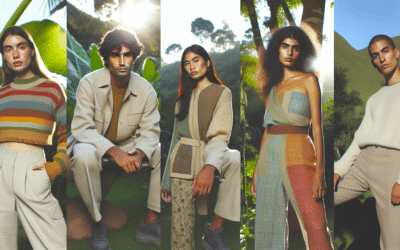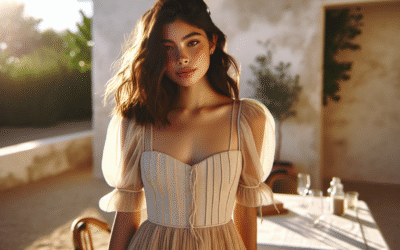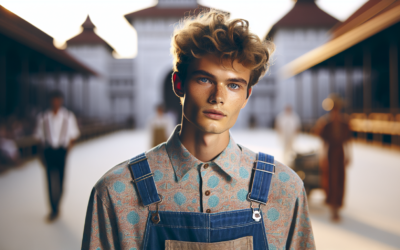
What’s the Deal With Plant-Based Fashion?
You might have noticed it—suddenly, everywhere you look, there’s a buzz about plant-based fabrics. But what makes them stand out in the crowded fashion world? Beyond just a green fad, plant-based fabrics offer a fresh way to think about clothing, particularly dresses that blend style with a conscience. Unlike synthetic fibers conjured up in labs or traditional cotton fields drenched with water and pesticides, fabrics sprouted from plants tell a story of nature, innovation, and a whisper of old-school craftsmanship meeting contemporary design.
Folks aren’t just chasing trends; they crave authenticity, comfort, and impact, all wrapped in one outfit. It’s like wearing a slice of the earth’s goodness, and honestly, isn’t that just dazzling in this era?
Plants as the New Textiles: A Quick Peek
From bamboo to hemp, to a bit more exotic contenders like nettle or pineapple leaves, plant-based fabrics are pulling up some surprising punches. Bamboo, for example, is a real crowd-pleaser—it’s soft, breathable, and demands way less water than cotton. Hemp, on the other hand, is the tough but chic cousin: sturdy, naturally antibacterial, and gets softer with every wash. Imagine slipping into a dress that only gets better with time, kind of like your favorite old leather jacket but way more breathable!
And, here’s something interesting: companies are also experimenting with Tencel (derived from eucalyptus), and even fabrics from apple waste or banana fibers. It’s like the fashion industry is turning into a modern-day farmer’s market, where innovation meets sustainability.
Why Dresses? Because They’re the Ultimate Canvas
Dresses have always been a playground for creativity—flirty, elegant, rebellious. When you pair that with plant-based fabrics, it’s like dressing in a poem spun from the earth’s bounty. The tactile sensation is different; it’s not your regular stiff, synthetic jacket hugging you. No, these dresses breathe, sway, and flow with you, almost like a second layer of skin that cares.
This union offers designers a new palette of textures and colors. Some fabrics come naturally muted, requiring less dye, which cuts down pollution a ton. Speaking of color, many plant fabrics absorb natural pigment brilliantly, adding to that “just-grown” freshness you can almost smell.
Fashion & Sustainability: Is It Really Possible to Have Both?
Some skeptics scoff at “eco-fashion,” thinking it’s either a compromise or just marketing fluff. But here’s the raw truth—plant-based fabrics are pushing us closer to garments that respect the planet without sacrificing style. They bring lighter manufacturing processes, less water dependence, and reduced chemical loading. This means the environment doesn’t scream every time you pick your outfit.
Yet, sustainability isn’t just about the fiber itself. It’s also about lifecycle—how often you wear the dress, how it ages, and what happens at the end of its runway journey. Plant fabrics, generally being biodegradable, ease the guilt of landfill overflow. Fashion is no longer a fast-food takeaway; it’s more like a thoughtful meal shared with the planet.
Can you imagine a future where runway shows highlight not just the newest silhouettes but the story of the plants sewn into each seam? It’s coming, step by eco-friendly step.
How to Tell a Plant-Based Dress When You See One
Not all plant-based fabrics look alike, and sometimes it’s tricky to spot the difference unless you’re in the know. You might notice:
- Softness that feels natural, not plastic-slick.
- A subtle matte finish rather than a fake sheen.
- More breathability that lets the fabric almost “breathe” with your skin.
- Lightweight feel yet surprisingly durable.
Brands like Peter Do or Reformation are pioneers, showcasing gorgeous plant-fiber pieces that blend effortlessly into your day or night plans. The key? Look for tags that say bamboo, hemp, lyocell/Tencel (a sustainable eucalyptus fiber), or even organic linen.
Trendspotting: Plant-Based Dresses on the Global Stage
From Milan to Tokyo, you’ll see plant-based fabric dresses gracing fashion weeks and Instagram feeds alike. The appeal crosses borders because it captures a mood of responsibility and chic minimalism combined. Plus, there’s an undeniable fresh vibe about wearing something that’s part of the solution, not the problem.
Street style mavens adore them because they’re versatile. Whether you’re sashaying down Main Street in a hemp sundress or attending a summer soiree in a bamboo gown, the pieces promise effortless style with an eco-friendly wink. Trends tend to cycle, but this one’s got roots—and branches—that look to last.
A Word to the Wise: Caring for Your Plant-Based Dresses
Here’s a little secret—it’s not just about buying sustainably, but caring sustainably too. Plant-based fabrics often demand a touch more TLC than their synthetic cousins. Think gentle washing, cold water, and air drying whenever possible. No harsh chemical detergents either; natural or eco-certified detergents preserve the integrity of those delicate fibers.
Honestly, when you handle your dress like a cherished friend, it reciprocates with longer life and better looks. And you get to tell a fabulous story every time you pull it out of your closet, knowing every fiber matters.
Honestly, What’s Next for Plant-Based Fashion?
The landscape is rapidly evolving, and the creativity bubbling beneath the surface is thrilling. Scientists and designers collaborate on textiles made from algae, mushroom roots (mycelium), and even coffee grounds—yes, coffee! It’s a fusion of biology and design that promises to shake up the textile game.
There’s also a push toward localizing fabric sources to reduce carbon footprints further, so you might find your next favorite dress was practically grown down the street. Community-supported fashion? It’s a beautiful idea, isn’t it?
Blooming Into a Greener Closet
When we think about style, we often think about how others perceive us. But with plant-based fabric dresses, it’s a little different. It’s about how we want the world to perceive us and, more importantly, how we want to *feel*. Connected to nature, conscious of impact, and still rocking that effortless flair.
You know what? It’s refreshing to imagine a wardrobe that feels lighter—not just in weight but in its ecological footprint. Choosing these fabrics is like planting a tiny garden with every stitch, blooming more vividly with each wear.
Let’s Bring It Home: Ready to Bloom in Style?
There’s never been a better moment to lean into the charm of plant-based fabric dresses. They offer a rare combo: a nod to nature, a wink at innovation, and a whole lot of style. Imagine stepping out knowing your dress isn’t just fashion-forward but earth-forward too.
So, whether you’re a fashion maven, a sustainability seeker, or just someone curious about what’s new and exciting, plant-based dresses beckon with a promise that’s hard to resist—a dress with a conscience, flair, and a story worth wearing around.
Plant-based fabrics are textiles made from natural fibers derived from various plants like bamboo, hemp, flax (linen), and others. They often require less water and fewer chemicals than conventional fabrics and biodegrade more easily at the end of their life.
Yes! Many plant-based fabrics like hemp and linen are known for their strength and durability. In fact, they often become softer and more comfortable over time while maintaining their structural integrity.
Generally, plant-based fabrics breathe well and are moisture-wicking, making them very comfortable, especially in warmer climates. Their natural fibers allow better air circulation, avoiding that sweaty, sticky feeling you sometimes get with synthetics.
Absolutely! Designers are embracing these fabrics to create stunning, fashion-forward dresses that range from casual to formal. The unique textures and natural hues offer fresh design possibilities that are both elegant and eco-friendly.
Prices vary widely. While some brands position plant-based fabric dresses as premium due to sustainable production costs, more affordable options are becoming available as demand grows and production scales.
It’s best to wash them gently, usually in cold water with mild detergent, and air dry when possible. This keeps the fibers fresh and extends the life of the dress.
Disclaimer
The information provided in this article is for educational and informational purposes only. Readers should always check garment labels and care instructions, as plant-based fabrics may vary depending on brand and production method. Any personal decisions regarding fashion or sustainability should be made considering individual preferences and values.
Categories
- Activewear (160)
- Athletic Jackets (12)
- Comfortable Leggings (14)
- Cozy Joggers (15)
- Functional Sports Shorts (20)
- Stylish Tank Tops (20)
- Supportive Sports Bras (20)
- Yoga Pants (20)
- Yoga Tops (18)
- Bottoms (43)
- Classic Capris (4)
- Comfortable Leggings (4)
- Fashion Shorts (3)
- Skirts (12)
- Stylish Jeans (4)
- Stylish Overalls (4)
- Tailored Trousers (4)
- Unique Jumpsuits (4)
- Curved Fashion (73)
- Dresses (148)
- Boho Dresses (6)
- Casual Dresses (5)
- Cocktail Dresses (4)
- Evening Dresses (10)
- Floral Dresses (15)
- Little Black Dresses (6)
- Maxi Dresses (5)
- Midi Dresses (5)
- Plus-Size Dresses (5)
- Summer Dresses (5)
- Fashion Trends (82)
- Luxury & Designer (94)
- Outfit Inspiration (73)
- Style Guides (67)
- Sustainable Fashion (66)
- Swimwear (122)
- Chic Cover-Ups (6)
- Maternity Swimwear (4)
- One-Piece Swimsuits (5)
- Plus-Size Swimwear (3)
- Stylish Bikinis (7)
- Swim Dresses (6)
- Swim Skirts (7)
- Trendy Tankinis (6)
- Tops (61)
- Button-Down Shirts (4)
- Casual T-Shirts (10)
- Comfortable Hoodies (6)
- Cozy Sweaters (5)
- Elegant Tunics (8)
- Feminine Blouses (8)
- Off-Shoulder Tops (5)
- Stylish Tank Tops (4)
- Trendy Crop Tops (6)
- Travel & Lifestyle Fashion (67)
- Trend Reports (88)
- Workwear & Professional (72)