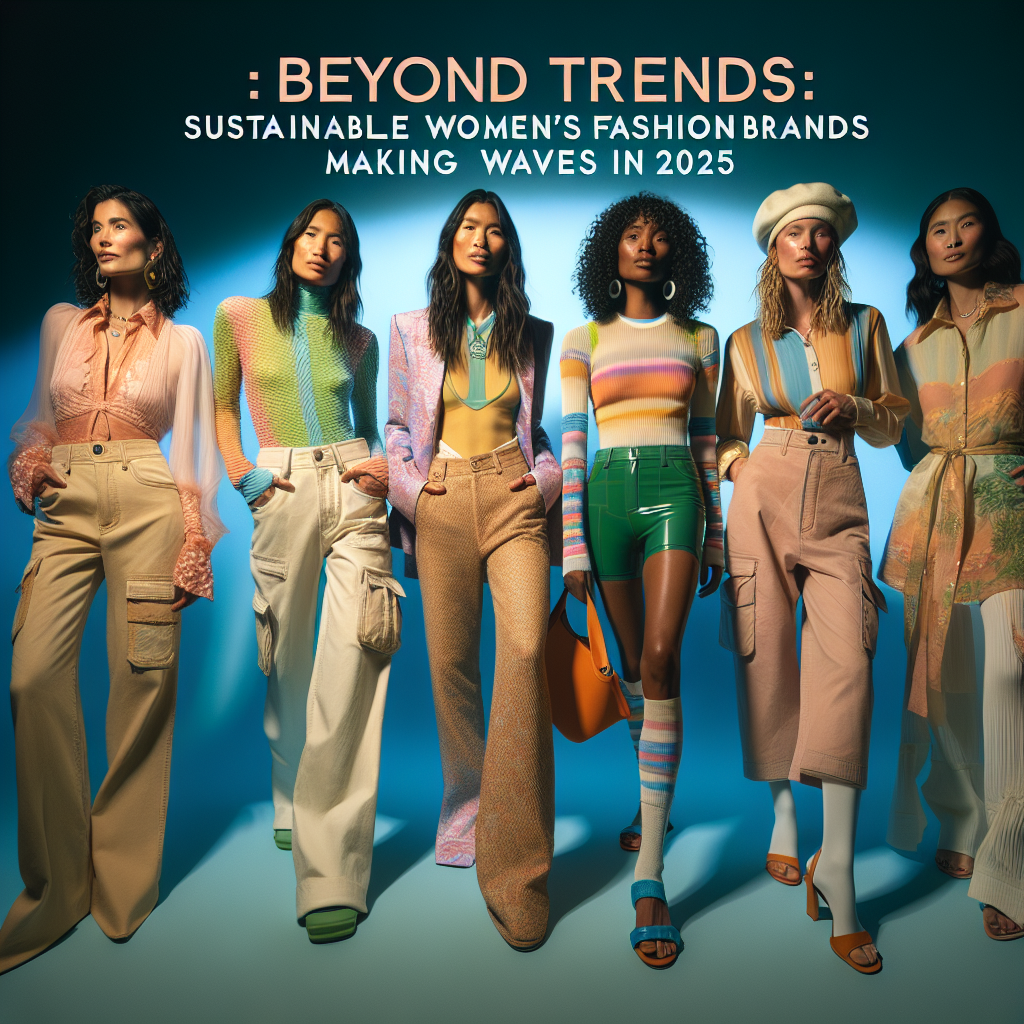
Beyond Trends: Sustainable Women’s Fashion Brands Making Waves in 2025
Okay, let’s talk fashion. Not just any fashion, though. We’re talking about a revolution brewing beneath the surface, a shift that’s turning the industry on its head. Forget fleeting fads; we’re zeroing in on sustainable women’s fashion brands actually making a difference as we head into 2025. It’s a big deal, and honestly, it’s about time.
The Rise of Conscious Consumerism – What’s the Buzz?
So, what’s fueling this whole sustainability surge? Well, for starters, people are waking up. We’re seeing the impact of fast fashion firsthand – mountains of textile waste, unethical labor practices, and a hefty carbon footprint. Nobody wants to be *that* person anymore, you know? The one blindly contributing to a system that’s, well, kinda messed up.
Conscious consumerism isn’t just a trend; it’s a fundamental value shift. People are more informed, more discerning, and more willing to put their money where their mouth is. They’re demanding transparency, ethical production, and eco-friendly materials. The question becomes, can brands keep up?
Spotlight on Innovative Materials – Beyond Organic Cotton
Here’s the cool part: the innovation happening in sustainable materials is seriously mind-blowing. It’s not just about organic cotton anymore (though, that’s still important!). We’re talking about fabrics made from pineapple leaves, mushroom leather, recycled ocean plastic, and even lab-grown materials. Seriously!
For example, Piñatex, made from pineapple leaf fibers, is a game-changer for vegan leather alternatives. Then there’s Mylo, a leather alternative grown from mycelium (mushroom roots). Brands are *really* getting creative, and these materials aren’t just eco-friendly; they’re often more durable and innovative than traditional textiles. Who knew?
Let me explain something that I picked up during my own research. Traditional cotton farming, while seemingly natural, can be quite resource-intensive, particularly when it comes to water use and pesticides. Organic cotton helps, but alternatives like hemp and linen are naturally more sustainable because they require less water and fewer pesticides. What’s also interesting is the development of closed-loop production systems, where materials are recycled and repurposed within the fashion cycle itself.
Top Sustainable Women’s Fashion Brands to Watch in 2025
Alright, let’s get down to brass tacks. Which brands are truly leading the charge? Here are a few that are making waves and are definitely worth keeping an eye on as we head into 2025:
- Stella McCartney: A long-time pioneer in luxury sustainable fashion, constantly pushing boundaries with innovative materials and ethical practices.
- Eileen Fisher: Known for timeless designs and a commitment to circularity through its Renew program.
- People Tree: Fair Trade pioneer, championing organic cotton and ethical production from the get-go.
- Reformation: Popular for its trendy styles with a focus on transparency and sustainable fabrics.
- Patagonia: While known for outdoor gear, its initiatives in recycled materials and environmental activism are noteworthy.
These brands aren’t just throwing around buzzwords; they’re walking the talk. They’re investing in sustainable supply chains, reducing waste, and advocating for ethical labor practices. By 2025, expect them to be even more influential and innovative. You know what? I bet we’ll see even *more* brands stepping up their game to compete.
The Role of Technology – Fashion’s Future is Digital
Okay, so how does technology figure into all of this? Big time! From supply chain transparency to virtual try-ons, technology is revolutionizing sustainable fashion.
Blockchain, for instance, is being used to track garments from raw material to finished product, ensuring transparency and accountability. This means consumers can actually *see* where their clothes came from and how they were made. Isn’t that wild? Then there are AI-powered platforms that can optimize fabric cutting to minimize waste. These advancements reduce the environmental impact and improve efficiency.
Challenges and Opportunities – It’s Not All Rainbows and Sunshine
Let’s be real, the sustainable fashion movement isn’t without its hurdles. Cost is a big one. Sustainable materials and ethical production often come with a higher price tag, which can be a barrier for some consumers. There’s also the issue of greenwashing—brands that make misleading claims about their sustainability efforts.
However, these challenges also present opportunities. As demand for sustainable fashion grows, economies of scale will help drive down costs. Also, increased consumer awareness and stricter regulations are making it harder for brands to get away with greenwashing. Honestly, it’s a matter of holding everyone accountable, including ourselves.
Consumer Empowerment – Your Choices Matter
Here’s the thing: we, as consumers, have more power than we realize. Every purchase is a vote. By supporting sustainable brands, demanding transparency, and making conscious choices, we can collectively drive change. It’s about shifting our mindset from “fast fashion” to “slow fashion”—investing in quality pieces that last longer and have a smaller impact.
Consider this: instead of buying five cheap shirts that fall apart after a few washes, invest in one well-made, ethically produced shirt that you actually love and will wear for years. Not only does it reduce waste, but it’s often more cost-effective in the long run. Plus, you’ll feel good knowing you’re contributing to a better world. It’s a win-win, right?
Let me explain one thing about consumer impact. Think of it like voting in an election. You’re not just buying a product; you are signaling to the market what you value. When you choose sustainable fashion, you tell brands that ethical and environmental considerations are important. These companies will invest more in sustainable practices which creates a positive feedback loop.
The Future of Sustainable Women’s Fashion – Looking Ahead to 2025 and Beyond
So, what does the future hold for sustainable women’s fashion? Well, expect to see even more innovation in materials, more transparency in supply chains, and more brands embracing circular business models. The lines between fashion, technology, and sustainability will become increasingly blurred. For example, 3D printing could allow for on-demand production, minimizing waste and customization that can be done with total precision.
The sustainable fashion movement is not just a trend; it’s a necessary evolution. It’s about creating a system that is both environmentally responsible and socially just. As we move closer to 2025, it’s crucial that we continue to support the brands that are leading the way and hold the industry accountable. The future of fashion depends on it.
Here’s the thing–as consumers grow more and more informed, I wouldn’t be surprised if we see consumer-created organizations dedicated to educating the public on the nuances of “sustainable fashion”. These watchdog groups could independently certify brands and push companies to adhere to new environment and labor laws. The time to innovate has really never been more ripe.
Frequently Asked Questions (FAQs)
Here are some commonly asked questions about sustainable women’s fashion. I hope this clears things up!
I want to give you a head’s up: As consumer demand for sustainable options increases, expect to see more greenwashing tactics from fast fashion brands! It’s never been more important to stay up do date on trends and best consumer practices!
So, there you have it. The world of sustainable women’s fashion is evolving rapidly, and it’s an exciting time to be part of it. By staying informed, making conscious choices, and supporting the brands that are doing it right, we can all contribute to a more sustainable and ethical future for fashion.
And as we look toward 2025, remember: fashion is more than just what we wear. It’s a reflection of our values and a powerful tool for change.
For more information, you might want to check out these resources:
DISCLAIMER
Please consult with a qualified professional before making any purchasing decisions. This article is intended for informational purposes only.
Categories
- Activewear (160)
- Athletic Jackets (12)
- Comfortable Leggings (14)
- Cozy Joggers (15)
- Functional Sports Shorts (20)
- Stylish Tank Tops (20)
- Supportive Sports Bras (20)
- Yoga Pants (20)
- Yoga Tops (18)
- Bottoms (43)
- Classic Capris (4)
- Comfortable Leggings (4)
- Fashion Shorts (3)
- Skirts (12)
- Stylish Jeans (4)
- Stylish Overalls (4)
- Tailored Trousers (4)
- Unique Jumpsuits (4)
- Curved Fashion (73)
- Dresses (148)
- Boho Dresses (6)
- Casual Dresses (5)
- Cocktail Dresses (4)
- Evening Dresses (10)
- Floral Dresses (15)
- Little Black Dresses (6)
- Maxi Dresses (5)
- Midi Dresses (5)
- Plus-Size Dresses (5)
- Summer Dresses (5)
- Fashion Trends (82)
- Luxury & Designer (94)
- Outfit Inspiration (73)
- Style Guides (67)
- Sustainable Fashion (66)
- Swimwear (122)
- Chic Cover-Ups (6)
- Maternity Swimwear (4)
- One-Piece Swimsuits (5)
- Plus-Size Swimwear (3)
- Stylish Bikinis (7)
- Swim Dresses (6)
- Swim Skirts (7)
- Trendy Tankinis (6)
- Tops (61)
- Button-Down Shirts (4)
- Casual T-Shirts (10)
- Comfortable Hoodies (6)
- Cozy Sweaters (5)
- Elegant Tunics (8)
- Feminine Blouses (8)
- Off-Shoulder Tops (5)
- Stylish Tank Tops (4)
- Trendy Crop Tops (6)
- Travel & Lifestyle Fashion (67)
- Trend Reports (88)
- Workwear & Professional (72)