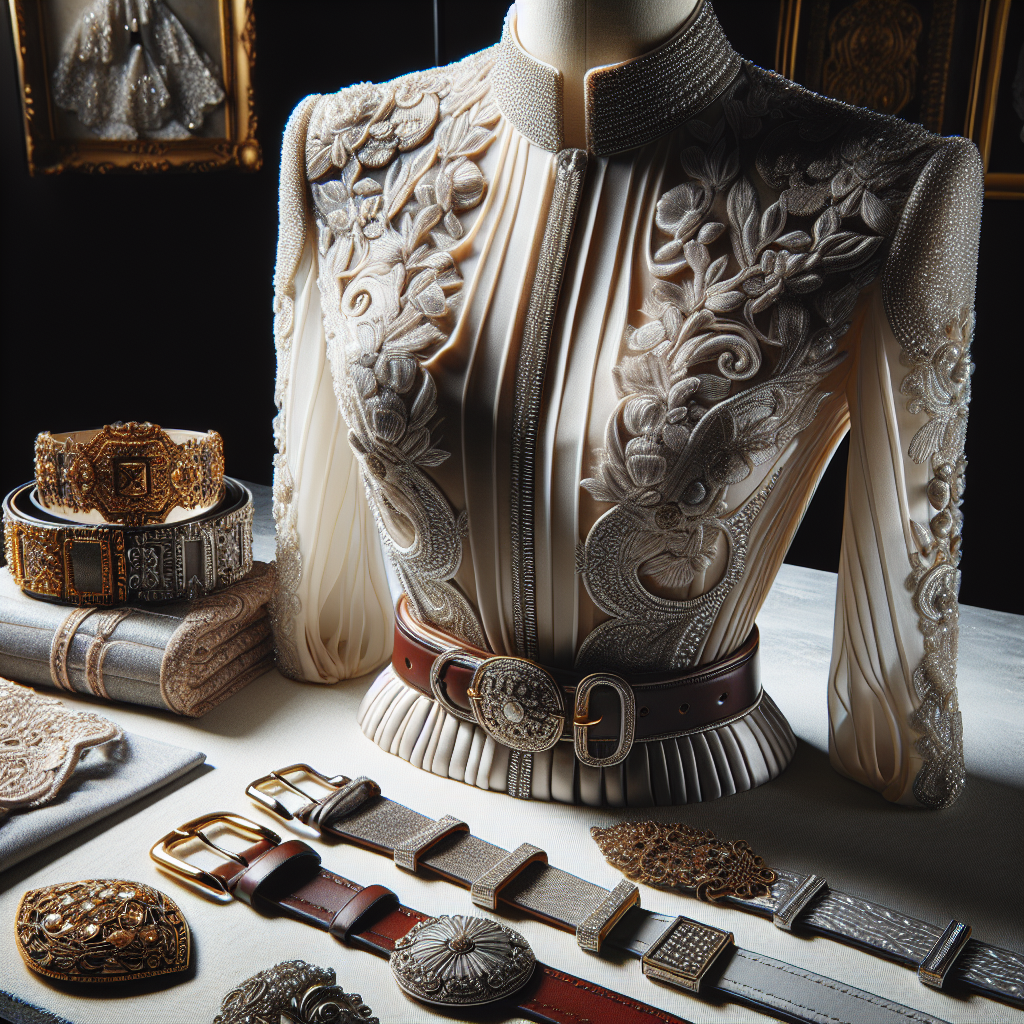
Ever stopped to really look at a belt? Not just as a functional piece holding up your trousers, but as… well, as a statement? We’re about to journey way beyond mere functionality and explore the rarified air of truly coveted belts. These aren’t your run-of-the-mill, off-the-rack accessories. These are stories woven in leather, metal, and pure, unadulterated craftsmanship.
Why a Belt? More Than Just Holding Up Your Pants
You know, it’s funny. We often overlook the humble belt. Think about it: it’s literally holding us together, day in and day out. But it’s more than just a utilitarian strap; it’s a subtle declaration of style, a whisper of personality. Think of the power suit, brought together by a polished leather band. Or the carefully curated denim look, punctuated by a worn, vintage buckle. The belt can elevate any outfit, sometimes without you even realizing it.
The Hallmarks of Highly Desirable Belts
So, what distinguishes a “coveted” belt from the everyday variety? It’s a confluence of factors, a perfect storm of quality, design, and, dare I say, a touch of mystique. Let’s unpack some of these key characteristics:
- Material Matters: Think full-grain leather, exotic skins, or even meticulously sourced, sustainable alternatives. We’re talking about materials that not only look good but also stand the test of time… and maybe even develop a beautiful patina along the way.
- Craftsmanship Counts: Hand-stitching, precisely finished edges, buckles forged with care – these are the hallmarks of true artistry. It’s that feeling that someone poured their skill and passion into creating something special, just for you.
- Buckle Brilliance: The buckle isn’t purely functional; it’s the jewelry of the belt. From solid brass to sterling silver, to unique designs and closures, the buckle is a crucial design element.
- The Story Behind It: A heritage brand with a rich history? A collaboration with a renowned artist? A belt made using traditional techniques passed down through generations? These kinds of origins add an immeasurable sense of value.
Material quality is paramount. You would not pick a belt that falls apart after a month, right? This leads us to ask… what are some of those ‘it’ materials?
Leather Legends: The Most Prized Belt Materials
Leather. Oh, leather! It’s practically synonymous with luxury and quality in the belt world. But not all leather is created equal, you see. Here, we’ll explore some of the most sought-after types.
- Full-Grain Leather: This is the crème de la crème. It uses the entire grain of the hide, showcasing its natural imperfections and strength. It just gets better with age; think of it like a fine wine developing character that others notice.
- Exotic Leathers: Crocodile, alligator, ostrich… these materials add a certain “wow” factor. They come with a higher price tag and require expert tanning and crafting, making them even more desirable. Of course, ethical sourcing is absolutely essential when dealing with exotic skins. It really is, and something to confirm.
- Vegetable-Tanned Leather: This is an older, more traditional tanning method using natural tannins found in plants. It results in leather with a distinctive color and feel that is favored by artisans.
Choosing the right leather not only affect aesthetics for your belt, but also durability and longevity.
Buckle Up: Decoding the Hardware
You know, the buckle is often an unsung hero. It’s not just about keeping your belt fastened; it’s a focal point, a piece of wearable art. Let’s delve into the world of the buckle. From classic designs to innovative mechanisms, buckles give character to any belt.
- Solid Brass: A timeless classic that offers durability and a beautiful, warm tone. If you ever see a brass buckle that’s older, you’ll notice how its acquired a beautiful patina.
- Sterling Silver: For those seeking sophistication, a sterling silver buckle elevates the belt to jewelry territory. They’re a bit more fragile, so extra care is a necessity.
- Unique Closures: Think of the Hermès “H” buckle or other proprietary designs that instantly signal a particular brand. These closures are instantly recognizable and highly coveted.
It’s not about the flash, but the quality and design when it comes to buckles. A well-designed buckle can truly enhance a belt’s appeal, while a poorly chosen one can ruin the whole look. Just like a watch can make or break an outfit!
The Makers: Brands That Set the Standard
Alright, let’s talk about brands. Some names just carry weight, an aura of quality built over decades (or even centuries!). They have consistently pushed the boundaries of belt design and manufacturing.
- Hermès: Iconic. Their belts are instantly recognizable, exuding timeless elegance. The Hermès “H” buckle is a status symbol in itself.
- Gucci: Known for bold designs and incorporation of their signature logo, Gucci belts are a statement piece.
- Salvatore Ferragamo: Italian craftsmanship at its finest. Ferragamo belts are known for their refined aesthetics and high-quality materials.
- Tanner Goods: If you want rugged, buy it for life level belts, Tanner Goods is it. Solid construction built to last.
These brands consistently rank high in the fashion world, but that’s just the start. Now, you might be asking, how can one ensure a belt they purchase is authentic? Let’s dive into some tips.
Spotting the Real Deal: Authenticity Checks
Sadly, the world of luxury goods is rife with counterfeits. How do you ensure you’re getting the genuine article? Pay close attention to the hallmarks of quality – the stitching, the material, the hardware. And of course, buy from reputable sources. You know, that old saying about ‘if it seems too good to be true…’ probably applies here.
- Check the Stitching: Authentic belts will have consistent, neat stitching. Irregularities can be a red flag.
- Examine the Material: Does the leather feel and look like the real deal? Compare it to known authentic examples if possible.
- Inspect the Hardware: Look for high-quality materials and precise finishing. Counterfeit buckles often have imperfections.
- Buy from Reputable Sources: Stick to authorized retailers or trusted resellers.
It’s important to remember that even the best fakes are rarely perfect. By paying attention to the details, you can protect yourself from getting ripped off.
Beyond the Waist: Styling Your Coveted Belt
Okay, you’ve got this amazing belt. Now what? How do you wear it to its full potential? The key is to consider the overall look you’re trying to achieve. A statement belt can be the focal point of an outfit, while a more understated one can add a touch of quiet sophistication.
- Dress it Up: A sleek leather belt with a classic buckle can elevate a tailored suit or dress.
- Dress it Down: A more casual belt, like a braided leather or canvas style, can add a touch of personality to jeans or chinos.
- Color Coordination: Match your belt to your shoes for a polished and cohesive look. Or, for a more daring approach, choose a contrasting color that pops.
Don’t be afraid to experiment and have fun with your belt! It’s an accessory that can truly transform an outfit.
Caring for Your Investment: Maintenance & Longevity
Once you’ve invested in a high-quality belt, you’ll want to keep it looking its best for years to come. Proper care and maintenance are essential for preserving the integrity of the leather and hardware.
- Regular Cleaning: Wipe down your belt with a soft, damp cloth to remove dirt and grime.
- Conditioning: Apply a leather conditioner every few months to keep the leather supple and prevent cracking.
- Proper Storage: Store your belt flat or rolled up to prevent creases and damage.
- Buckle TLC: Periodically polish the buckle to maintain its shine.
With a little bit of effort, your coveted belt will become a cherished piece in your wardrobe for years to come. You know, it’s like taking care of a classic car – the rewards are well worth the effort!
Ethical Considerations and Sustainable Options
So, this is important. In today’s world, it is important to consider the ethical and environmental impact of our purchases. Luckily, some companies are moving towards more sustainable ways to produce belt so there’s not only the luxury and feel good factor, but the environment is well taken care of too.
- Sustainable Materials: Look for belts made from recycled materials or vegetable-tanned leather, which is a more eco-friendly tanning process.
- Ethical Sourcing: Choose brands that prioritize fair labor practices and animal welfare.
By making conscious choices, you can enjoy the luxury of a coveted belt while minimizing your impact on the planet. It’s a win-win!
You know, finding a sustainable brand can be tricky, but trust me, it is often worth it, not just for the feeling, but for the improved quality!
The Future of Belts: Innovation and Trends
And what about what’s to come? The belt world isn’t standing still! We’re seeing new materials, innovative designs, and a greater focus on personalization. We can see new technologies in the works that allow for some amazing designs, especially for buckles.
Expect to see:
- New Materials: Innovative materials that are both sustainable and high-performance.
- Personalization: Custom buckles and straps that allow you to create a truly unique belt.
It’s an exciting time to be a belt aficionado! And it’s all heading toward personalization, comfort and of course, style.
This leads us to some frequently asked questions! Ever wondered about the perfect fit, or how to clean a delicate leather? Read on to find out!
Frequently Asked Questions
Resources for Further Exploration
Want to continue your journey into the world of coveted belts? Here are a few resources to explore:
DISCLAIMER
This article explores the world of coveted belts for informational and entertainment purposes only. Fashion choices are subjective, and personal preferences should always be prioritized. Consult professional stylists or experts for specific advice. Always verify claims and authenticity of products before purchasing. The author and publisher are not responsible for any decisions made based on the information provided in this article.
// JavaScript to handle FAQ accordion functionality
document.addEventListener(‘DOMContentLoaded’, function() {
const faqQuestions = document.querySelectorAll(‘.faq-question’);
faqQuestions.forEach(question => {
question.addEventListener(‘click’, function() {
const answer = this.nextElementSibling;
answer.classList.toggle(‘show’);
});
});
});
Categories
- Activewear (160)
- Athletic Jackets (12)
- Comfortable Leggings (14)
- Cozy Joggers (15)
- Functional Sports Shorts (20)
- Stylish Tank Tops (20)
- Supportive Sports Bras (20)
- Yoga Pants (20)
- Yoga Tops (18)
- Bottoms (43)
- Classic Capris (4)
- Comfortable Leggings (4)
- Fashion Shorts (3)
- Skirts (12)
- Stylish Jeans (4)
- Stylish Overalls (4)
- Tailored Trousers (4)
- Unique Jumpsuits (4)
- Curved Fashion (73)
- Dresses (148)
- Boho Dresses (6)
- Casual Dresses (5)
- Cocktail Dresses (4)
- Evening Dresses (10)
- Floral Dresses (15)
- Little Black Dresses (6)
- Maxi Dresses (5)
- Midi Dresses (5)
- Plus-Size Dresses (5)
- Summer Dresses (5)
- Fashion Trends (82)
- Luxury & Designer (94)
- Outfit Inspiration (73)
- Style Guides (67)
- Sustainable Fashion (66)
- Swimwear (122)
- Chic Cover-Ups (6)
- Maternity Swimwear (4)
- One-Piece Swimsuits (5)
- Plus-Size Swimwear (3)
- Stylish Bikinis (7)
- Swim Dresses (6)
- Swim Skirts (7)
- Trendy Tankinis (6)
- Tops (61)
- Button-Down Shirts (4)
- Casual T-Shirts (10)
- Comfortable Hoodies (6)
- Cozy Sweaters (5)
- Elegant Tunics (8)
- Feminine Blouses (8)
- Off-Shoulder Tops (5)
- Stylish Tank Tops (4)
- Trendy Crop Tops (6)
- Travel & Lifestyle Fashion (67)
- Trend Reports (88)
- Workwear & Professional (72)