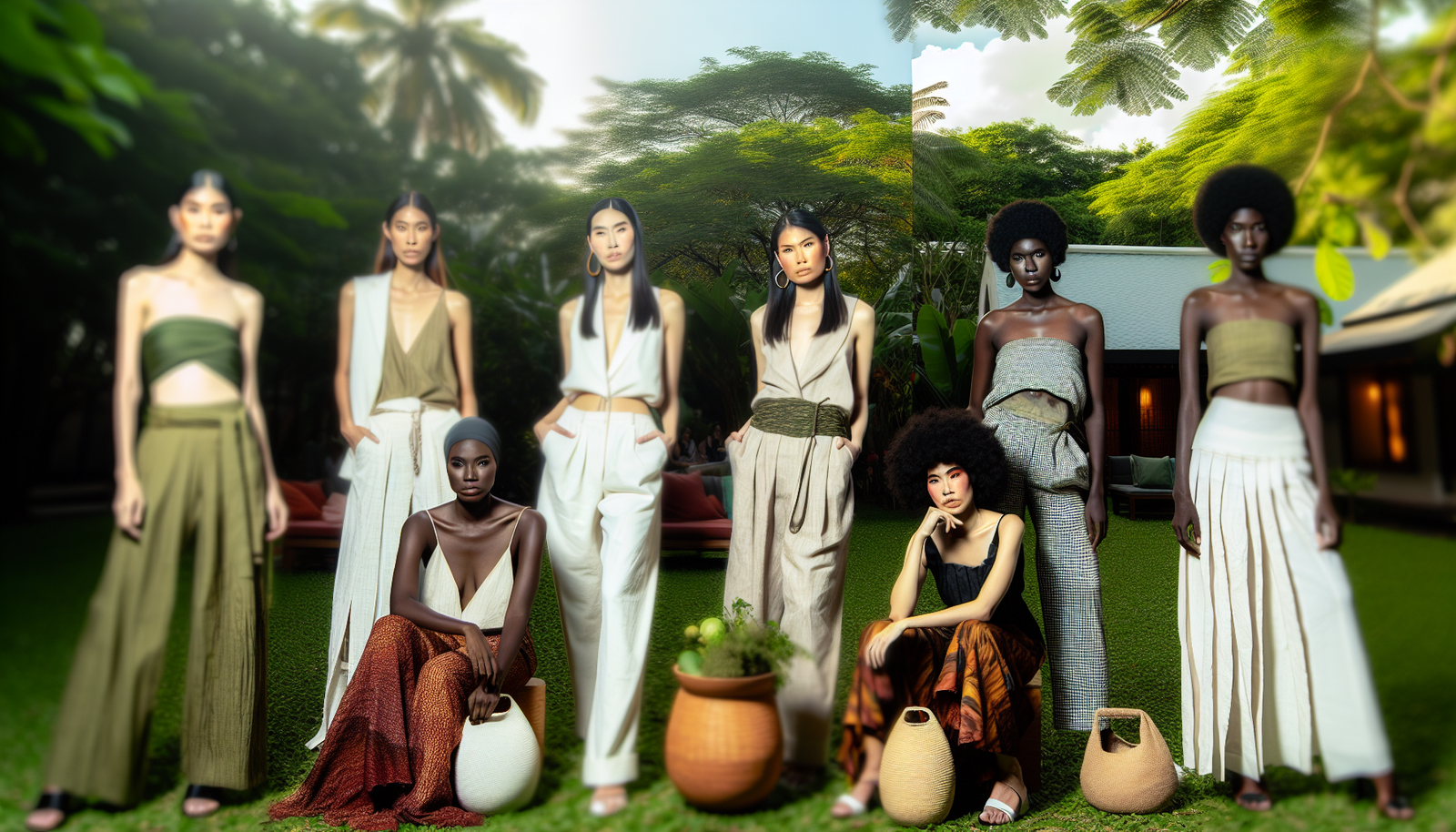
Alright, let’s talk about something important: clothes. We all wear them, right? But what if I told you that your wardrobe could actually be a force for good? That’s where eco-friendly brands come in, and trust me, they’re changing the game. Fast fashion is, well, fast—churning out trends quicker than you can say “capsule wardrobe.” But the environmental impact? Not so pretty. Let’s explore what’s out there.
Why Should You Care About Eco-Friendly Fashion?
So, why bother with eco-friendly fashion, anyway? Good question. Fast fashion’s siren song of cheap, trendy clothes often obscures a darker reality. We’re talking about environmental degradation, unethical labor practices, and a whole lot of waste. The fashion industry is a massive polluter. From the cotton farms that guzzle water and pesticides to the textile mills that dump dyes into rivers, the environmental toll is staggering. Not to mention the mountains of discarded clothing that end up in landfills. Seriously, it’s a lot.
And don’t even get me started on the human cost. Many fast fashion brands rely on underpaid workers in unsafe conditions. These are real people, often women, working long hours for little pay. You know what? We can do better. By choosing eco-friendly brands, you’re supporting companies that prioritize sustainability, fair labor, and ethical production. You’re reducing your carbon footprint and helping to create a better world for everyone.
What Exactly Makes a Brand “Eco-Friendly”?
Okay, so what does “eco-friendly” even mean in the fashion world? It’s not just about slapping a “green” label on something and calling it a day. A truly eco-friendly brand considers its impact every step of the way. Think about it: from the raw materials to the finished product, and everything in between.
Here are some key factors that make a brand genuinely eco-friendly:
- Sustainable Materials: Organic cotton, recycled polyester, Tencel (made from sustainably harvested wood), and innovative materials like Piñatex (made from pineapple leaf fibers) are all great choices.
- Ethical Production: Fair wages, safe working conditions, and respect for workers’ rights are non-negotiable. Look for certifications like Fair Trade.
- Low-Impact Manufacturing: Brands that minimize water usage, reduce waste, and use eco-friendly dyes are leading the way.
- Transparency: A brand that’s open about its supply chain and production processes is one you can trust.
- Circular Economy: Brands that offer recycling programs, take-back initiatives, or design for durability and longevity are helping to close the loop and reduce waste.
Honestly, it can be a bit overwhelming to navigate all the eco-jargon. But the more you learn, the easier it becomes to spot the real deal from the greenwashing.
Top Eco-Friendly Brands for Women: Your New Go-Tos
Alright, let’s get to the good stuff: which brands are actually walking the walk when it comes to eco-friendly fashion? There are so many amazing companies out there doing incredible things, so I’ve rounded up a few of my favorites to get you started.
Brand spotlight: Patagonia
Patagonia is a big name for a reason. This company is practically synonymous with sustainability. They’ve been doing it for years, and they’re pioneers in using recycled materials, supporting environmental activism, and promoting fair labor practices. Their clothes are built to last, which is a huge win for reducing waste. Plus, they have a killer repair program. If something breaks, they’ll fix it, keeping your gear out of the landfill. See their commitment to sustainability here.
Brand spotlight: Eileen Fisher
Eileen Fisher is all about timeless style and sustainable design. They use organic cotton, recycled fibers, and responsible dyeing practices. But what really sets them apart is their Renew program, where they take back used Eileen Fisher clothing and resell it or recycle it into new designs. How cool is that?
Brand Spotlight: People Tree
People Tree has been a leader in fair trade fashion for over two decades. They work with artisans and farmers in developing countries, providing them with fair wages and sustainable livelihoods. Their clothes are made from organic cotton and natural dyes, and they have a wide range of stylish and ethically made pieces.
Brand Spotlight: Reformation
Reformation is known for its trendy, eco-conscious designs. They use sustainable materials, track their environmental impact, and are transparent about their production processes. Plus, their clothes are seriously stylish. What’s not to love?
Brand Spotlight: Veja
Love sneakers? Veja is your go-to. This brand makes stylish kicks using organic cotton, wild rubber from the Amazon, and recycled materials. They work directly with producers, ensuring fair prices and sustainable farming practices. My go-to everyday shoe, no joke.
Building Your Eco-Friendly Wardrobe: Practical Tips
Ready to make the switch to a more sustainable wardrobe? It doesn’t have to be an overnight transformation. Small changes can make a big difference. Here are some practical tips to get you started:
- Start with What You Have: The most sustainable clothes are the ones you already own. Take care of your existing wardrobe by washing clothes less often, repairing them when needed, and storing them properly.
- Shop Secondhand: Thrift stores, consignment shops, and online marketplaces are treasure troves of pre-loved clothing. You can find unique pieces at a fraction of the price of new clothes, and you’re giving them a new life. Seriously, the thrill of the hunt is real!
- Invest in Quality Pieces: Instead of buying a bunch of cheap, trendy clothes that will fall apart after a few washes, invest in a few well-made, timeless pieces that will last for years.
- Read Labels Carefully: Look for sustainable materials like organic cotton, recycled polyester, and Tencel. Check for certifications like GOTS (Global Organic Textile Standard) and Fair Trade.
- Support Brands with Transparent Supply Chains: Choose brands that are open about their production processes and working conditions.
- Rent or Borrow: For special occasions, consider renting a dress or borrowing clothes from a friend. It’s a great way to reduce consumption and save money.
Beyond Buying: Other Ways to Be a Sustainable Fashionista
Going eco-friendly doesn’t just mean buying different clothes. It’s about changing your mindset and habits. It’s about valuing quality over quantity, and consciously considering the impact of your choices.
Here are some other ways to be sustainable:
- Wash Your Clothes Less: Honestly, most clothes don’t need to be washed after every wear. Spot clean when possible, and air out clothes to freshen them up.
- Use Eco-Friendly Laundry Products: Conventional laundry detergents can contain harsh chemicals that pollute waterways. Switch to eco-friendly detergents that are biodegradable and free of phosphates and other harmful substances.
- Repair, Reuse, Recycle: Don’t toss clothes just because they have a small tear or stain. Learn basic sewing skills and repair them yourself, or take them to a tailor. Donate or sell clothes you no longer wear, or recycle them through textile recycling programs.
- Educate Yourself and Others: The more you know about the impact of fast fashion, the more empowered you’ll be to make informed choices. Share your knowledge with friends and family, and encourage them to join you on your sustainable fashion journey.
The Future of Fashion: What’s Next?
The fashion industry is changing. Consumers are demanding more sustainable and ethical options, and brands are starting to listen. We’re seeing more innovation in sustainable materials, more transparency in supply chains, and more brands embracing circular economy models.
Here are some exciting trends to watch:
- Biomaterials: Materials made from renewable biological resources, such as algae, mushrooms, and bacteria.
- 3D Printing: Creating custom-fit clothing on demand, reducing waste and minimizing transportation.
- Blockchain Technology: Tracking the entire supply chain, from raw materials to finished product, ensuring transparency and accountability.
I truly believe that the future of fashion is sustainable. It’s a future where clothes are made with respect for people and the planet. And you, my friend, have the power to help create that future. By making conscious choices about what you buy and how you care for your clothes, you can make a real difference.
Navigating Greenwashing: How to Spot False Claims
Let me explain: as eco-consciousness grows, so does the rise of greenwashing—misleading consumers into believing a company is more environmentally friendly than it really is. Brands may use terms like “eco-friendly” or “sustainable” without providing concrete evidence.
Here’s what to look for:
- Vague Language: Terms like “natural” or “eco-friendly” without specifics.
- Irrelevant Claims: Highlighting a small eco-friendly aspect while ignoring larger issues.
- Hidden Trade-offs: Focusing on one environmental aspect while neglecting others.
- Lack of Transparency: Avoiding detailed information about supply chains and processes.
Dig deeper. Check for certifications, read brand reports, and seek independent verification. Transparency is key.
Eco-Friendly Fashion on a Budget: Yes, It’s Possible!
Honestly, one of the biggest misconceptions about sustainable fashion is that it’s only for people with deep pockets. I hear you. But trust me, it’s totally possible to build an eco-friendly wardrobe without breaking the bank. Here’s the thing: it’s all about being smart and creative:
- Thrift like a pro: Hit up your local thrift stores, consignment shops, and vintage boutiques. You can find amazing, one-of-a-kind pieces at super affordable prices. And honestly, the thrill of the hunt is half the fun.
- Swap with friends: Organize a clothing swap with your friends. It’s a great way to refresh your wardrobe without spending any money. Plus, it’s a fun way to hang out and catch up.
- Shop sales and discounts: Keep an eye out for sales and discounts at eco-friendly brands. Sign up for their email lists so you don’t miss out.
- Rent for special occasions: For events like weddings or parties, consider renting a dress instead of buying a new one. It’s a more sustainable and budget-friendly option.
- DIY and upcycle: Get crafty! Repair your clothes, alter them to fit better, or upcycle old items into something new. There are tons of tutorials online to get you started.
You can still look good, feel good, and do good for the planet. It’s all about making conscious choices and finding creative solutions.
DISCLAIMER
Please note that while I strive to provide accurate and up-to-date information, the eco-friendly landscape is constantly evolving. Always conduct your own research and due diligence before making purchasing decisions. Brands may change their practices, and certifications can vary in their rigor. Shop responsibly and be an informed consumer.
var acc = document.getElementsByClassName(“faq-question”);
var i;
for (i = 0; i < acc.length; i++) {
acc[i].addEventListener(“click”, function() {
this.classList.toggle(“active”);
var faqAnswer = this.nextElementSibling;
if (faqAnswer.style.maxHeight) {
faqAnswer.style.maxHeight = null;
} else {
faqAnswer.style.maxHeight = faqAnswer.scrollHeight + “px”;
}
});
}
Categories
- Activewear (160)
- Athletic Jackets (12)
- Comfortable Leggings (14)
- Cozy Joggers (15)
- Functional Sports Shorts (20)
- Stylish Tank Tops (20)
- Supportive Sports Bras (20)
- Yoga Pants (20)
- Yoga Tops (18)
- Bottoms (43)
- Classic Capris (4)
- Comfortable Leggings (4)
- Fashion Shorts (3)
- Skirts (12)
- Stylish Jeans (4)
- Stylish Overalls (4)
- Tailored Trousers (4)
- Unique Jumpsuits (4)
- Curved Fashion (73)
- Dresses (148)
- Boho Dresses (6)
- Casual Dresses (5)
- Cocktail Dresses (4)
- Evening Dresses (10)
- Floral Dresses (15)
- Little Black Dresses (6)
- Maxi Dresses (5)
- Midi Dresses (5)
- Plus-Size Dresses (5)
- Summer Dresses (5)
- Fashion Trends (82)
- Luxury & Designer (94)
- Outfit Inspiration (73)
- Style Guides (67)
- Sustainable Fashion (66)
- Swimwear (122)
- Chic Cover-Ups (6)
- Maternity Swimwear (4)
- One-Piece Swimsuits (5)
- Plus-Size Swimwear (3)
- Stylish Bikinis (7)
- Swim Dresses (6)
- Swim Skirts (7)
- Trendy Tankinis (6)
- Tops (61)
- Button-Down Shirts (4)
- Casual T-Shirts (10)
- Comfortable Hoodies (6)
- Cozy Sweaters (5)
- Elegant Tunics (8)
- Feminine Blouses (8)
- Off-Shoulder Tops (5)
- Stylish Tank Tops (4)
- Trendy Crop Tops (6)
- Travel & Lifestyle Fashion (67)
- Trend Reports (88)
- Workwear & Professional (72)