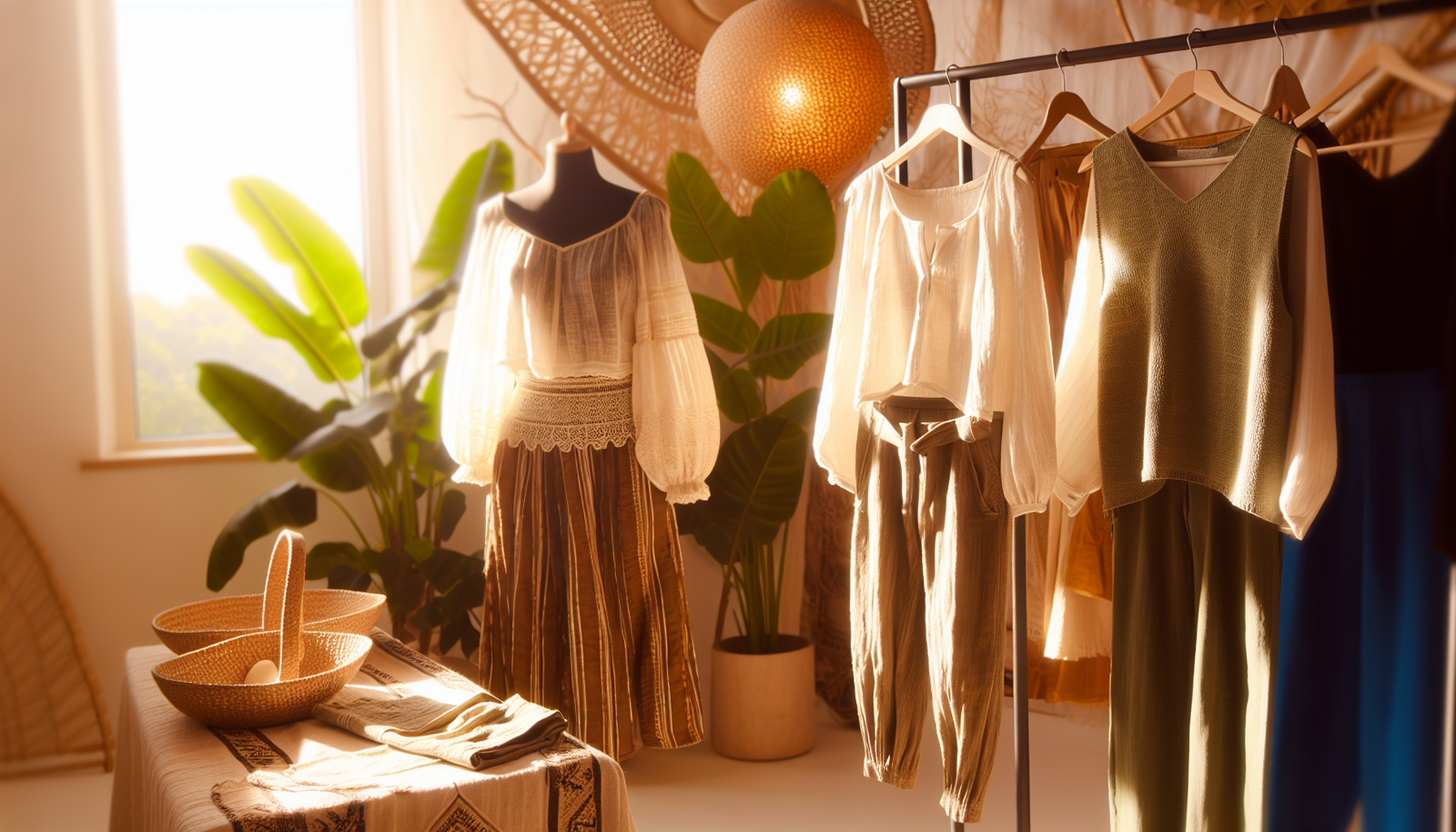
Are You Ready to Dress Greener? Eco-Friendly Women’s Clothing Brands Revealed
Are You Ready to Dress Greener? Eco-Friendly Women’s Clothing Brands Revealed
Beyond the Buzzwords: What Does “Eco-Friendly” Even Mean for Your Wardrobe?
Honestly, these days, it feels like every brand is slapping “eco-friendly” or “sustainable” on their labels, right? You see it everywhere, from your morning coffee cup to, yep, even your clothes. But what does that actually mean when we’re talking about fashion for women? Is it just clever marketing, or is there some real substance behind it? Well, let me tell you, it’s a bit of both, but we’re here to peel back those layers.
When I think about “eco-friendly” clothing, I’m really thinking about a whole spectrum of practices. It’s not just about, say, using organic cotton—though that’s a fantastic start! It encompasses everything from the raw materials used to how the garment is made, how workers are treated, and even what happens once you’re done wearing it. We’re talking about minimizing environmental impact, sure, but also promoting social equity. It’s a big picture, a whole ecosystem, if you will, of conscientious decisions. Imagine a ripple effect: every choice a brand makes sends out waves, and we want those waves to be positive, not polluting our beautiful planet. Seriously, it’s about making sure your cute new dress isn’t costing the Earth more than its price tag lets on.
Why Should We Even Care? The Earth’s Silent Cry and Our Closet Conundrum
Okay, so why bother? You might be thinking, “I just need a new top for Friday night!” And I get it, instant gratification is powerful. But here’s the thing: the fashion industry is, regrettably, one of the biggest polluters on the planet. It’s a bit like that messy drawer we all have, overflowing with things we barely use, except imagine that drawer is global and impacting everything from water scarcity to mountains of textile waste.
From cotton fields guzzling unimaginable amounts of water and pesticides to dye processes dumping toxic chemicals into rivers, the environmental cost is staggering. Not to mention the CO2 emissions from manufacturing and transportation. And don’t even get me started on fast fashion’s ‘wear-it-once-and-toss-it’ mentality. It’s created this enormous problem where landfills are literally bursting with clothes that could have had a much longer life. When you choose eco-friendly, you’re not just buying a dress; you’re casting a vote for a healthier planet, for cleaner water, and for a future where fashion doesn’t leave such a destructive footprint. It’s about feeling good, looking good, and doing good all at once. What’s not to love about that?
The Fabric of Our Future: Materials That Matter (and Some That Don’t)
Let’s get down to the threads, shall we? Because the very building blocks of our clothes make a world of difference. It’s like building a house; you wouldn’t want a shaky foundation, right?
- Organic Cotton: The Unsung Hero: This isn’t your grandma’s cotton, though she probably would have loved it! Organic cotton is grown without harmful synthetic pesticides or fertilizers, which means cleaner soil, less water pollution, and safer conditions for farmers. It feels soft against your skin, and you can feel good knowing it didn’t harm the earth in its journey to your wardrobe. It’s a definite upgrade from conventional cotton, which is notoriously “thirsty” and pesticide-heavy.
- Linen & Hemp: Nature’s Resilient Fibers: These two are powerhouses! Linen, made from flax, requires very little water and pesticides to grow. Hemp is even more amazing; it grows super fast, needs minimal water, and actually improves soil health. Both are incredibly durable, naturally breathable, and get softer with every wash. They’re like the quiet, strong types of the fabric world – understated but incredibly reliable.
- Recycled Materials (Polyester, Nylon, etc.): Giving Old Things New Life: This is where innovation really shines. Imagine turning plastic bottles fished out of the ocean into a swanky new swimsuit or activewear. That’s what recycled polyester (rPET) and recycled nylon do. It diverts waste from landfills and oceans and reduces the need for new virgin materials. It’s a circular approach that’s pretty darn clever, don’t you think?
- TENCEL™ Lyocell & Modal: Silky Smooth and Sustainably Sourced: These are often made from eucalyptus or beechwood trees, using a “closed-loop” production process. This means almost all the water and solvents used are recaptured and reused, significantly reducing waste. They feel incredibly soft, drape beautifully, and are super breathable. Think of them as the luxurious, guilt-free sisters of rayon.
- Innovative & Upcycled: The Future Is Now: This is where things get really exciting! Brands are experimenting with everything from mushroom leather to fabrics made from coffee grounds or fruit waste. Upcycling, too, is a fantastic movement, taking existing textiles or garments and transforming them into something new and fashionable. It’s about creatively reducing waste and pushing boundaries.
Of course, it’s not always black and white. Some materials, like conventional wool, can have their own set of environmental and ethical concerns (think sheep welfare, land practices), while others, like bamboo—unless it’s processed in a closed-loop system—can sometimes be more ‘greenwashed’ than genuinely green. It’s a complex tapestry, but knowing the main players helps.
The Ethical Thread: Beyond Fibers to Fairness
You know, sometimes we get so caught up in the environmental side of things—and rightfully so!—that we forget about the human element. But honestly, for a brand to be truly eco-friendly, it *has* to be ethical. What does that mean? It means looking beyond the fabric tag to the people who made your clothes.
We’re talking about fair wages, safe working conditions, and absolutely no child labor. It’s about respecting human rights throughout the entire supply chain. Think about garment workers in factories, often in developing countries, who might be toiling away for incredibly low pay in unsafe environments just to make that trendy top affordable for us. That’s simply not right. Ethical brands prioritize transparency and ensure their workers are treated with dignity and paid a living wage. They might even invest in community programs or empower women in their supply chain. It’s not just about a product; it’s about people. Supporting these brands empowers workers and promotes a more just, equitable industry. It’s about ensuring that the cost of your clothing isn’t reflected in someone else’s suffering. A true eco-chick cares about the whole picture, don’t you agree?
Decoding the Labels: Certifications and What They Actually Tell You
It can feel a bit like deciphering hieroglyphs sometimes, can’t it? All these logos and certifications promising transparency and sustainability. But which ones can you actually trust? Here’s a little cheat sheet to cut through the noise.
- GOTS (Global Organic Textile Standard): If you see this, breathe a sigh of relief! GOTS is the gold standard for organic fibers. It means that the entire textile supply chain, from harvesting the raw materials to environmentally and socially responsible manufacturing, right up to labeling, is certified. It covers everything from water usage and chemical restrictions to fair labor practices. Super important.
- OEKO-TEX® Standard 100: This one focuses on harmful substances. If a product has this label, it means every component of the product, from the fabric to the thread and accessories, has been tested for harmful substances and is therefore harmless in human ecological terms. So, you know your clothes aren’t going to leach nasty chemicals onto your skin.
- Fair Trade Certified™: This certification is all about people. It ensures that farmers and workers receive fair prices, safe working conditions, and that communities can invest in their future. It often means a minimum price is paid, providing a safety net for producers. This is crucial for the ethical side of the equation.
- Bluesign®: This certification aims to minimize the environmental impact throughout the entire textile production process. It’s like an environmental passport system for fabrics, chemicals, and processes, ensuring that resources are used responsibly and that processes are as clean as possible.
- B Corp Certification: While not specific to textiles, a B Corp certification signals that a company meets rigorous standards of social and environmental performance, accountability, and transparency. It means they’re balancing profit and purpose. A B Corp truly walks the walk, not just talks the talk.
Looking for these badges of honor really helps you choose wisely. They’re like little trust signals in a crowded market. It’s like having a knowledgeable friend whisper in your ear, “Yeah, this one’s legit.” They give you the confidence that the claims aren’t just fluff.
Ready to Refresh Your Closet? Top Eco-Friendly Women’s Clothing Brands!
Alright, enough with the theory! You’re probably itching to know some real brands that are doing it right. And trust me, there are so many incredible companies out there making gorgeous, durable, and genuinely ethical fashion. Here are a few that consistently impress, covering different styles and price points. Remember, this isn’t an exhaustive list, just a great starting point for your greener fashion journey!
Patagonia: The Outdoor Stalwart with a Conscience
Patagonia. You know ’em, you love ’em. They’re practically synonymous with sustainability in the outdoor industry, and honestly, they set the bar high. Their women’s line, while focused on adventure gear, seamlessly blends into everyday wear with its practical, high-quality, and timeless designs.
What makes them so great? For starters, they’ve been using recycled materials, especially recycled polyester, for ages – long before it was cool. Their commitment to fair labor is unwavering, and they’re transparent about their supply chain. They also encourage repairing clothes rather than replacing them, even offering a repair service. Imagine that! They literally tell you not to buy their stuff sometimes if you don’t need it or can fix what you have. Talk about anti-fast fashion! Plus, they donate a portion of their sales to environmental causes. When you buy a Patagonia fleece or jacket, you’re investing in something that’s built to last, made with care for both people and the planet, and backed by a company that truly lives its values.
Reformation: Sustainable Style That’s Seriously Chic
Oh, Reformation. If you want to dress greener but absolutely refuse to compromise on style, this brand is your new best friend. They’ve perfected the art of making effortlessly cool dresses, tops, and jeans that are, refreshingly, good for the earth.
Reformation is all about transparency. They provide a “RefScale” for every product, showing its environmental savings (water, waste, carbon dioxide emissions) compared to conventional clothing. Their fabrics lean heavily on sustainable options like Tencel™ Lyocell, recycled materials, and sustainably sourced viscose. They also manufacture a significant portion of their clothing in their own sustainable factory in Los Angeles, ensuring fair labor practices and minimizing their carbon footprint. Think flowy, feminine silhouettes, playful prints, and a commitment to making you look good while doing good. It’s a win-win, truly.
Eileen Fisher: Timeless Elegance with an Ethical Core
For those who appreciate classic, versatile pieces that transcend fleeting trends, Eileen Fisher is a true pioneer. Their aesthetic is all about comfort, quality, and minimalist sophistication, making their garments wardrobe staples you’ll cherish for years.
What sets Eileen Fisher apart is their holistic approach to sustainability. They prioritize organic and recycled fibers, and they’ve been leaders in circularity with initiatives like “Renew,” where customers can return old Eileen Fisher clothes to be resold or remade into new designs. This is huge! It means less waste and a longer life for garments. They also focus heavily on fair labor practices and transparency in their supply chain. While their price point is higher, you’re not just buying a piece of clothing; you’re investing in impeccable quality, ethical production, and a garment designed to last, which ultimately reduces consumption in the long run. It’s truly a testament to slow fashion done right.
Tentree: Planting a Greener Future, One Garment at a Time
The name says it all, doesn’t it? Tentree isn’t just about selling clothes; it’s about actively regenerating our planet. For every item purchased, they plant ten trees. How cool is that?
Their women’s collection is full of comfortable, casual basics: tees, hoodies, leggings, and loungewear, all made for an active, eco-conscious lifestyle. They use super soft, sustainable materials like organic cotton, recycled polyester, TENCEL™ Lyocell, and hemp. Beyond the tree planting (which is admittedly a brilliant marketing and ecological strategy), they’re also deeply committed to ethical manufacturing, ensuring fair wages and safe conditions. If you’re looking for everyday wear that makes a tangible positive impact with every purchase, Tentree is an absolutely fantastic choice. You get comfy clothes, and the planet gets more trees – it’s a brilliant synergy.
Girlfriend Collective: Activewear That Feels Good and Does Good
Who says activewear can’t be sustainable *and* super stylish? Girlfriend Collective burst onto the scene with a mission to prove that athleisure can be both chic and ethically made.
Their leggings, bras, and shorts are famously made from recycled plastic bottles (rPET) and fishing nets, transforming waste into wonderfully soft, supportive fabrics. Seriously, they feel amazing. They use certified factories that ensure fair wages and safe working conditions, and they are incredibly transparent about their processes. Plus, their size inclusivity is something to be celebrated. So, whether you’re hitting the gym, practicing yoga, or just lounging at home, you can feel confident that your activewear isn’t adding to the planet’s plastic problem, but instead, actively helping to solve it. It’s functional fashion with a powerful purpose.
Becoming a Conscious Consumer: It’s Not Just About Buying New
Okay, so we’ve talked about some amazing brands, and that’s a huge step. But true eco-conscious living goes beyond just buying new items from sustainable brands. It’s about changing our whole relationship with our wardrobe, adopting a mindset that values longevity and mindful consumption.
Embrace the “3 Rs”: Reduce, Reuse, Recycle (But Add a Few More!)
Remember these from school? They’re still incredibly relevant!
- Reduce: Do you *really* need another black top? Often, the most sustainable item is the one you already own. Before buying, ask yourself: do I truly love this? Will I wear it at least 30 times? Is it versatile? Less is often more, simplifying your life and your impact.
- Reuse & Repair: Mend that torn seam! Replace that lost button! Learning basic mending skills or taking items to a tailor extends their life dramatically. Even better, consider swapping clothes with friends, or exploring consignment stores and platforms like ThredUp or Poshmark. Someone else’s pre-loved gem could be your next favorite outfit.
- Recycle (Responsibly): When an item truly reaches the end of its wearable life, don’t just toss it in the trash. See if it can be recycled. Many brands now offer take-back programs, or local textile recycling initiatives can repurpose materials.
But let’s add a few more “Rs”:
- Research: Before you buy, do a quick Google search! Look into the brand’s sustainability claims, check for certifications, and read reviews.
- Rent: For special occasions, consider renting rather than buying a dress you’ll wear once. Services like Rent the Runway are making this a super accessible and eco-friendly option.
- Reimagine: Can you upcycle an old garment into something new? A pair of jeans into shorts, a big shirt into a cute crop top? Get creative!
It’s about being more intentional, moving away from that impulsive, fast-fashion cycle. It’s a journey, not a destination, and every small step adds up to a significant positive impact.
The Fashion Revolution: Your Power as a Consumer
You might think, “What difference can *my* choices make?” But honestly, your choices have immense power. Every dollar you spend is a vote. When you choose to support eco-friendly and ethical brands, you’re telling the industry, loud and clear, that you demand better.
This collective demand creates pressure on conventional brands to clean up their act. It encourages innovation, pushes for greater transparency, and ultimately helps steer the entire fashion industry towards a more sustainable and equitable future. It’s a ripple effect, like I mentioned before, and you’re part of creating those positive ripples. By dressing greener, you’re not just making a personal statement; you’re participating in a larger movement, a fashion revolution that champions integrity, environmental stewardship, and human dignity. How empowering is that? So, what’s your next sustainable fashion pick going to be? Let’s make it count!
Frequently Asked Questions About Eco-Friendly Clothing
DISCLAIMER
The information provided in this article is for general knowledge and informational purposes only. While every effort has been made to ensure accuracy, the sustainable fashion landscape is constantly evolving. Brands’ practices, certifications, and product offerings can change. Readers are advised to conduct their own research and verify claims directly with brands before making purchasing decisions. The inclusion of any specific brand in this article does not constitute an endorsement, but rather an example of a company making efforts towards sustainability. Always consider your individual needs and circumstances.
Categories
- Activewear (160)
- Athletic Jackets (12)
- Comfortable Leggings (14)
- Cozy Joggers (15)
- Functional Sports Shorts (20)
- Stylish Tank Tops (20)
- Supportive Sports Bras (20)
- Yoga Pants (20)
- Yoga Tops (18)
- Bottoms (43)
- Classic Capris (4)
- Comfortable Leggings (4)
- Fashion Shorts (3)
- Skirts (12)
- Stylish Jeans (4)
- Stylish Overalls (4)
- Tailored Trousers (4)
- Unique Jumpsuits (4)
- Curved Fashion (73)
- Dresses (148)
- Boho Dresses (6)
- Casual Dresses (5)
- Cocktail Dresses (4)
- Evening Dresses (10)
- Floral Dresses (15)
- Little Black Dresses (6)
- Maxi Dresses (5)
- Midi Dresses (5)
- Plus-Size Dresses (5)
- Summer Dresses (5)
- Fashion Trends (82)
- Luxury & Designer (94)
- Outfit Inspiration (73)
- Style Guides (67)
- Sustainable Fashion (66)
- Swimwear (122)
- Chic Cover-Ups (6)
- Maternity Swimwear (4)
- One-Piece Swimsuits (5)
- Plus-Size Swimwear (3)
- Stylish Bikinis (7)
- Swim Dresses (6)
- Swim Skirts (7)
- Trendy Tankinis (6)
- Tops (61)
- Button-Down Shirts (4)
- Casual T-Shirts (10)
- Comfortable Hoodies (6)
- Cozy Sweaters (5)
- Elegant Tunics (8)
- Feminine Blouses (8)
- Off-Shoulder Tops (5)
- Stylish Tank Tops (4)
- Trendy Crop Tops (6)
- Travel & Lifestyle Fashion (67)
- Trend Reports (88)
- Workwear & Professional (72)