Affordable & Sustainable: Women’s Eco-Friendly Clothing on a Budget
Let’s be real for a sec. The fashion world, especially for us women, sometimes feels like a whirlwind, doesn’t it? One minute you’re trying to keep up with trends, the next you’re worried about your impact on the planet, all while trying to stick to a budget. It’s a tricky dance, finding that sweet spot between looking good, feeling good, and doing good. But what if I told you that scoring stylish, eco-friendly clothes without emptying your wallet isn’t just a pipe dream? It’s totally achievable.
Why Does Sustainable Fashion Even Matter?
Honestly, it’s a big deal. The traditional fashion industry—what folks sometimes call “fast fashion”—is, well, fast in more ways than one. It churns out clothes at an incredible pace, encouraging us to buy more, wear less, and toss quickly. This rapid cycle creates a mountain of waste and uses up a shocking amount of resources, from water to energy. Think about it: that cute top you wore once might have a surprisingly large footprint. And it’s not just about the environment; it’s also about the people making our clothes, who often work in less-than-ideal conditions. Knowing this, it’s hard to just
go back to buying blindly, isn’t it?
So, sustainable fashion is basically the antidote to all that. It’s about making clothes in ways that respect both the planet and its people. This means using materials that are kinder to Mother Earth, like organic cotton or recycled fabrics, and ensuring workers are treated fairly. For us, it means making conscious choices, looking for quality over quantity, and maybe even falling in love with a piece for its story as much as its style. It’s a journey, not a destination, but every little step helps, wouldn’t you agree?
Demystifying “Eco-Friendly”: What Are We Actually Talking About?
Okay, so “eco-friendly” can sound a bit like a buzzword sometimes, right? Like, what does it really mean when we’re talking about clothes? It’s not just one thing; it’s a whole basket of considerations. At its core, it means minimizing harm to the environment at every stage of a garment’s life, from how the fibers are grown or made, to how the fabric is dyed, to how it’s sewn, and even what happens when you’re done with it. It’s like thinking about a meal: you don’t just care about how it tastes, but also where the ingredients came from, how they were cooked, and if anything went to waste. Clothes are kinda similar.
We’re talking about materials that are either natural and renewable, like organic linen or hemp, or recycled materials that give old stuff a new life, like polyester made from plastic bottles. Then there’s the production process itself: using less water, fewer chemicals, and cleaner energy. And let’s not forget about durability. A piece that lasts ages? That’s super eco-friendly because it means you’re not replacing it constantly. See? It’s more than just a label; it’s a mindset.
Budget-Savvy & Eco-Chic: Is It Really Possible?
Here’s the million-dollar question, or perhaps the ten-dollar question, in our case! Many folks hear “sustainable fashion” and immediately picture designer labels with price tags that make your eyes water. And yes, some sustainable brands can be a bit pricier upfront. But hear me out: that initial cost often reflects the true value—ethical labor, quality materials, and a commitment to responsible production. It’s a bit like buying a really good coffee maker Versus those cheap plastic ones; the investment pays off in the long run. Plus, it’s not the only way to do it. You don’t need a high-end designer wardrobe to be sustainable. Not at all!
The beauty of affordable sustainable fashion is that it’s about smart choices, not just big spending. It’s about shifting your mindset from fast fashion’s fleeting trends to timeless pieces that serve you season after season. Think about it this way: buying one durable, ethically made sweater that you adore and wear constantly is financially and environmentally smarter than buying three cheap, trendy sweaters that fall apart after a few washes. So yes, it’s absolutely possible. It just takes a little savvy and a dash of creativity.
Your Style Compass: Decoding Sustainable Fabrics Without a Science Degree
Let’s talk fabric, because honestly, it’s the heart of sustainable clothing. You don’t need to be a textile engineer to understand the basics, though. It’s just about knowing what to look for on those clothing tags. Remember, the goal is materials that are kind to the earth, whether they’re grown, recycled, or innovated. So, what’s on the good list?
- Organic Cotton: This one’s a superstar! It’s grown without harmful pesticides and synthetic fertilizers, meaning cleaner soil, cleaner water, and healthier farming communities. It feels great against your skin too, offering that familiar softness we all love.
- Hemp & Linen: These ancient fibers are seriously impressive. They require way less water than cotton, grow like weeds without much fuss, and are incredibly durable. Plus, linen has this lovely, breathable quality that’s just perfect for warmer weather or layering.
- Recycled Materials (RPET, Recycled Cotton, etc.): Giving new life to old things is always a win, right? RPET, which is recycled polyester made from plastic bottles, helps reduce plastic waste and uses less energy than virgin polyester. Recycled cotton salvages textile scraps, keeping them out of landfills. It’s like magic, turning trash into treasure!
- Tencel™ Lyocell & Modal: These are semi-synthetic fibers, but don’t let that scare you! They’re made from sustainably sourced wood pulp using a “closed-loop” process, which means almost all the water and chemicals are recycled. They’re super soft, breathable, and drape beautifully – feels luxurious, but it’s conscious.
- Deadstock & Upcycled Materials: This is where creativity really shines! Deadstock fabrics are leftover materials from other fashion productions that would normally go to waste. Upcycled items are existing garments or textiles transformed into something new. It’s basically fashion’s version of “reduce, reuse, recycle,” and it often leads to some truly unique pieces.
Knowing these few key players makes all the difference when you’re browsing. It’s like having a secret decoder ring for your wardrobe choices!
The Thrill of the Hunt: Secondhand & Vintage Finds
Okay, hands down, this is one of my absolute favorite ways to build a sustainable and affordable wardrobe. Think of it as a treasure hunt where every discover is uniquely yours! Buying secondhand and vintage clothes is fantastic for a few reasons. First, it’s incredibly budget-friendly. You can snag high-quality pieces, sometimes even designer labels, for a fraction of their original price. Who doesn’t love a good deal, right?
But beyond the savings, it’s a powerful act of sustainability. You’re giving clothes a second, third, or even fourth life, keeping them out of landfills and extending their useful journey. This drastically reduces the demand for new production, saving water, energy, and raw materials. Plus, vintage pieces often have a unique character, a story woven into their fabric that you just don’t get with brand-new items. It’s about building a wardrobe that’s distinctly you, full of pieces that spark joy and tell a tale. What could be better than that?
Where to Dig for Gold: Your Secondhand Playbook
So, where do you even start this fabulous treasure hunt? The options are endless, truly! It’s like finding different kinds of sweet treats in various shops:
- Thrift Stores (Charity Shops): These are your classic go-tos. Places like Goodwill, Salvation Army, or smaller local charities often have an absolute wealth of items. You have to be patient, dig a bit, and have an open mind, but the rewards can be amazing. I once found a perfectly preserved silk scarf for a couple of dollars – it was like hitting the jackpot!
- Consignment Stores: These are a step up from thrift stores, often curated with higher-end or more contemporary pieces. You might pay a bit more, but the quality and selection are usually more reliable. Think of them as pre-loved boutiques.
- Vintage Shops: If you love unique, historical pieces, vintage shops are your jam. They specialize in older clothing, often with specific styles from different decades. The prices can vary wildly depending on the rarity and condition, but the finds? Oh, they’re legendary.
- Online Marketplaces: The internet has revolutionized secondhand shopping! Sites like ThredUp and Depop are massive online consignment stores. Poshmark lets you buy and sell directly from other users, and then there’s eBay, the OG. These platforms offer a huge selection, often with filters for specific brands, sizes, and styles, making the search a breeze.
- Local Swap Events & Clothing Libraries: Keep an eye out for local clothing swap parties or services like clothing rental libraries. Swapping clothes is not only free but also a fun way to refresh your wardrobe with friends!
A little tip for online shopping: always check measurements! Sizes can vary a lot, especially with vintage items. And don’t be afraid to try things on when shopping in person. It’s all part of the adventure!
Clever Shopping Strategies: Making Every Penny Count
Alright, so we’ve talked about what materials to look for and where to dig for secondhand gems. Now, let’s get tactical. Because even when you’re buying sustainable or pre-loved, it’s about making smart decisions that align with your budget and your values. It’s not just about what you buy, but how you buy it.
The “Buy Less, Choose Well, Make it Last” Mantra
This isn’t just a catchy phrase; it’s practically the Eleventh Commandment of sustainable fashion. Instead of impulse buying a dozen things you’ll wear twice, shift your focus. Invest in fewer, higher-quality pieces that you genuinely love and that will stand the test of time. Think about the cost per wear. A beautifully made, slightly pricier pair of jeans you wear weekly for five years is a far better investment than several cheap pairs that fray and lose their shape after a few months. It’s an adjustment, moving from that instant gratification rush to a more thoughtful approach, but it pays off in spades – both for your wallet and the planet.
Capsule Wardrobe Magic: The Ultimate Budget Hack
Ever heard of a capsule wardrobe? It’s essentially a small collection of versatile clothing items that can be mixed and matched to create numerous outfits. Think of it like a perfectly curated playlist with all your favorite songs that always sound good together. The beauty of this approach is that it forces you to be intentional about every single piece you own. You’ll find yourself reaching for these cherished items again and again because they work so well!
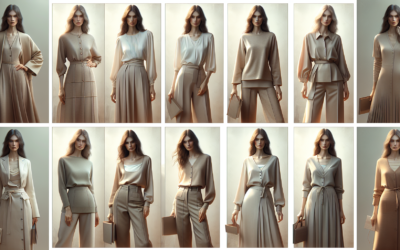
The core idea is to focus on classic, timeless pieces, mostly in neutral colors, and then inject personality with a few colorful accessories or statement pieces. This minimizes decision fatigue in the mornings, reduces wasted purchases, and stretches your budget further. Seriously, once you try it, you’ll wonder how you ever managed without it. A well-constructed capsule wardrobe is like the Swiss Army knife of sustainable style!
Sales, Discounts, and Ethical Bargains
Who doesn’t love a good sale? Even ethical brands have them. Keep an eye out for end-of-season clearances, flash sales, or special promotions. Signing up for newsletters from your favorite sustainable brands can give you a heads-up on these opportunities. Sometimes, brands will also have “imperfect” sections where items with minor flaws are sold at a discount—a win-win since you get a great deal and prevent a garment from going to waste. It’s all about being a savvy shopper who knows when and where to pounce!
Caring for Your Clothes: The Lengthening Life Hack
You know, often we focus so much on buying new (or new-to-us) clothes that we forget one of the most powerful things we can do for sustainability: simply taking care of what we already have. It’s like tending a garden; a little consistent effort goes a long way. Proper garment care drastically extends the life of your clothes, reducing the need to replace them and keeping them looking fresh. This is probably the cheapest and most impactful sustainability hack out there, honestly.
Washing Wisely: Less Is More (Often)
Let’s be honest, how many of us toss things into the wash after a single wear, even if they’re not really dirty? Most of us, probably! But frequent washing can really break down fabric fibers, fade colors, and use up a lot of water and energy. So, before you load up that machine, ask yourself: does it really need a full wash?
- Spot Clean First: For small spills or marks, try spot cleaning with a damp cloth and a mild soap. It’s often all you need.
- Air It Out: For items that aren’t stained but just need a refresh (like a sweater you wore for a few hours), simply hang them outdoors or in a well-ventilated area for a few hours. The fresh air can work wonders.
- Cold Water & Gentle Cycle: When you do wash, opt for cold water. It’s kinder to your clothes, prevents shrinkage and fading, and saves energy. Choose a gentle cycle, especially for delicates.
- Eco-Friendly Detergents: Use detergents that are free from harsh chemicals and phosphates. They’re better for your clothes and the waterways.
It’s a small habit change, but the cumulative effect is huge – for your utility bill and the planet.
Drying & Storing Smart: A Gentle Touch
The dryer can be a real villain when it comes to shrinking clothes and wearing them out. Heat is tough on fabrics! Air-drying is always the best option. Hang clothes on a line or drying rack. It saves energy, maintains the integrity of the fabric, and frankly, some clothes just smell nicer after line drying.
When it comes to storage, think about what each garment needs. Fold heavy sweaters to prevent stretching; hang delicate blouses on padded hangers. Keep clothes in a clean, dry, and well-ventilated space to prevent mildew or pests. Those cedar blocks aren’t just for show, you know!
The Power of Repair: Give It Another Life
A small tear, a loose button, a hem coming undone – these are not death sentences for your clothes! Learning a few basic mending skills can be incredibly empowering and save you from tossing perfectly good items. A simple needle and thread can fix so much, and there are tons of free tutorials online for basic repairs. If it’s something more complicated, consider taking it to a local tailor or seamstress. They’re often more affordable than you think, and supporting local businesses is another win. Besides, there’s a real satisfaction that comes from fixing something yourself, a little bit of pride in extending its story.
The Bigger Picture: Beyond Your Closet
So far, we’ve talked a lot about what you can do as an individual to make more sustainable fashion choices, which is fantastic! Every conscious decision we make ripples outwards. But it’s also important to remember that we’re part of a larger system. Our individual actions are powerful, yes, but when we combine them with a broader awareness and a willingness to speak up, that’s when real, systemic change starts to happen. It’s kinda like voting, right? Your individual vote matters, but it also contributes to a collective voice.
Supporting Brands That Get It (Ethical & Transparent)
When you do buy new, try to spend your hard-earned money with brands that are genuinely committed to sustainability and ethical practices. How do you find them? Look for transparency. Do they openly share information about their supply chains, their labor practices, and their environmental impact? Do they have certifications like GOTS (Global Organic Textile Standard) or Fair Trade? Brands that are proud of their efforts usually highlight them. Remember, “greenwashing” is a thing—some companies use vague eco-friendly language without actually doing much. So, a little healthy skepticism and research go a long way. Websites like Good On You offer great ratings and insights into various brands’ ethical standing.
Advocacy: Your Voice Matters
Don’t underestimate the power of simply talking about sustainable fashion with friends, family, or on social media. Share your amazing thrift store finds, discuss documentaries like “The True Cost” (which is an eye-opener, by the way), or promote brands you admire. This conversation helps raise awareness and shift cultural norms. You can also support organizations working to improve the fashion industry, sign petitions, or contact brands directly to ask questions about their practices. Every voice adds to the chorus, pushing the industry towards a more responsible future. It’s about building a better world, thread by thread.
A Few More Tips for the Eco-Conscious Shopper
- Rent for Special Occasions: Have a wedding or a fancy event? Instead of buying something you’ll wear once, consider renting! Services like Rent the Runway or local rental boutiques are perfect for this. It’s sustainable, budget-friendly, and you get to wear something fabulous without the buyer’s guilt.
- DIY & Upcycling: Got an old t-shirt? Look up tutorials for turning it into a crop top or a shopping bag. That faded denim jacket? Add some embroidery or patches. This is where your creativity can really shine, giving old items a fresh lease on life and saving you money.
- The 30-Wear Rule: Before buying something new, ask yourself: Will I wear this at least 30 times? If the answer is yes, then it’s likely a good investment. This simple rule helps curb impulse buys and encourages thoughtful purchases.
Wrapping It Up: Your Sustainable Style Journey Awaits
So, there you have it. Stepping into the world of affordable and sustainable women’s fashion might seem like a lot at first, but it’s really a journey of small, conscious choices. It’s about empowering yourself with knowledge, embracing creativity, and making decisions that feel good, look good, and do good. Imagine a closet full of clothes that not only reflect your unique style but also align with your values – a wardrobe that tells stories, respects the planet, and didn’t require you to take out a second mortgage! It’s not just possible; it’s within your reach. Happy conscious shopping!
Frequently Asked Questions About Affordable Sustainable Fashion
Is sustainable fashion always expensive?
What are the most budget-friendly ways to start building a sustainable wardrobe?
What materials should I look for if I want eco-friendly clothing?
How does a capsule wardrobe help with sustainable fashion on a budget?
What is “greenwashing” and how can I avoid it?
Can I truly make a difference as an individual shopper?
DISCLAIMER
Please note that while I strive to provide accurate and helpful information, the fashion industry and sustainability standards are constantly evolving. Always do your own research and choose what best fits your personal values and budget. Brands and certifications mentioned are for illustrative purposes and not exhaustive endorsements.
{
“@context”: “https://schema.org”,
“@type”: “FAQPage”,
“mainEntity”: [
{
“@type”: “Question”,
“name”: “Is sustainable fashion always expensive?”,
“acceptedAnswer”: {
“@type”: “Answer”,
“text”: “Not at all! While some high-end sustainable brands can be pricey, affordable sustainable fashion is entirely possible through smart shopping. Think secondhand stores, sales, capsule wardrobes, and caring for your existing clothes to extend their life. It’s about looking for long-term value over fast fashion’s fleeting trends.”
}
},
{
“@type”: “Question”,
“name”: “What are the most budget-friendly ways to start building a sustainable wardrobe?”,
“acceptedAnswer”: {
“@type”: “Answer”,
“text”: “The absolute best ways to start on a budget are thrifting, shopping at consignment stores, and exploring online secondhand marketplaces. Also, learning to mend and care for your current clothes is incredibly cost-effective and sustainable.”
}
},
{
“@type”: “Question”,
“name”: “What materials should I look for if I want eco-friendly clothing?”,
“acceptedAnswer”: {
“@type”: “Answer”,
“text”: “Look for natural fibers like organic cotton, hemp, or linen. Recycled materials such as RPET (recycled polyester) or recycled cotton are also great. Innovations like Tencel™ Lyocell and Modal, made from sustainably sourced wood pulp, are also excellent choices.”
}
},
{
“@type”: “Question”,
“name”: “How does a capsule wardrobe help with sustainable fashion on a budget?”,
“acceptedAnswer”: {
“@type”: “Answer”,
“text”: “A capsule wardrobe streamlines your choices by focusing on a few versatile, high-quality pieces that mix and match easily. This reduces impulse buys, maximizes the wearability of each item, and ensures you’re investing in durable classics rather than disposable trends, saving you money in the long run.”
}
},
{
“@type”: “Question”,
“name”: “What is “greenwashing” and how can I avoid it?”,
“acceptedAnswer”: {
“@type”: “Answer”,
“text”: “Greenwashing is when companies mislead consumers about their environmental practices or the ecological benefits of their products. To avoid it, look for transparency (brands sharing detailed info about supply chains), certifications (like GOTS or Fair Trade), and avoid brands making vague “eco-friendly” claims without evidence. Researching on sites like Good On You can help.”
}
},
{
“@type”: “Question”,
“name”: “Can I truly make a difference as an individual shopper?”,
“acceptedAnswer”: {
“@type”: “Answer”,
“text”: “Absolutely! Every conscious purchasing decision contributes to reducing demand for fast fashion and supports ethical brands. By choosing sustainable options, caring for your clothes, and even just talking about it, you contribute to a growing movement that pushes the entire industry towards more responsible practices.”
}
}
]
}
document.addEventListener(‘DOMContentLoaded’, function() {
const faqQuestions = document.querySelectorAll(‘.faq-question’);
faqQuestions.forEach(question => {
question.addEventListener(‘click’, function() {
const answer = this.nextElementSibling;
if (answer.style.display === ‘block’) {
answer.style.display = ‘none’;
} else {
answer.style.display = ‘block’;
}
});
});
});
Categories
- Activewear (160)
- Athletic Jackets (12)
- Comfortable Leggings (14)
- Cozy Joggers (15)
- Functional Sports Shorts (20)
- Stylish Tank Tops (20)
- Supportive Sports Bras (20)
- Yoga Pants (20)
- Yoga Tops (18)
- Bottoms (43)
- Classic Capris (4)
- Comfortable Leggings (4)
- Fashion Shorts (3)
- Skirts (12)
- Stylish Jeans (4)
- Stylish Overalls (4)
- Tailored Trousers (4)
- Unique Jumpsuits (4)
- Curved Fashion (73)
- Dresses (148)
- Boho Dresses (6)
- Casual Dresses (5)
- Cocktail Dresses (4)
- Evening Dresses (10)
- Floral Dresses (15)
- Little Black Dresses (6)
- Maxi Dresses (5)
- Midi Dresses (5)
- Plus-Size Dresses (5)
- Summer Dresses (5)
- Fashion Trends (82)
- Luxury & Designer (94)
- Outfit Inspiration (73)
- Style Guides (67)
- Sustainable Fashion (66)
- Swimwear (122)
- Chic Cover-Ups (6)
- Maternity Swimwear (4)
- One-Piece Swimsuits (5)
- Plus-Size Swimwear (3)
- Stylish Bikinis (7)
- Swim Dresses (6)
- Swim Skirts (7)
- Trendy Tankinis (6)
- Tops (61)
- Button-Down Shirts (4)
- Casual T-Shirts (10)
- Comfortable Hoodies (6)
- Cozy Sweaters (5)
- Elegant Tunics (8)
- Feminine Blouses (8)
- Off-Shoulder Tops (5)
- Stylish Tank Tops (4)
- Trendy Crop Tops (6)
- Travel & Lifestyle Fashion (67)
- Trend Reports (88)
- Workwear & Professional (72)