
Understanding the Appeal of Swim dresses
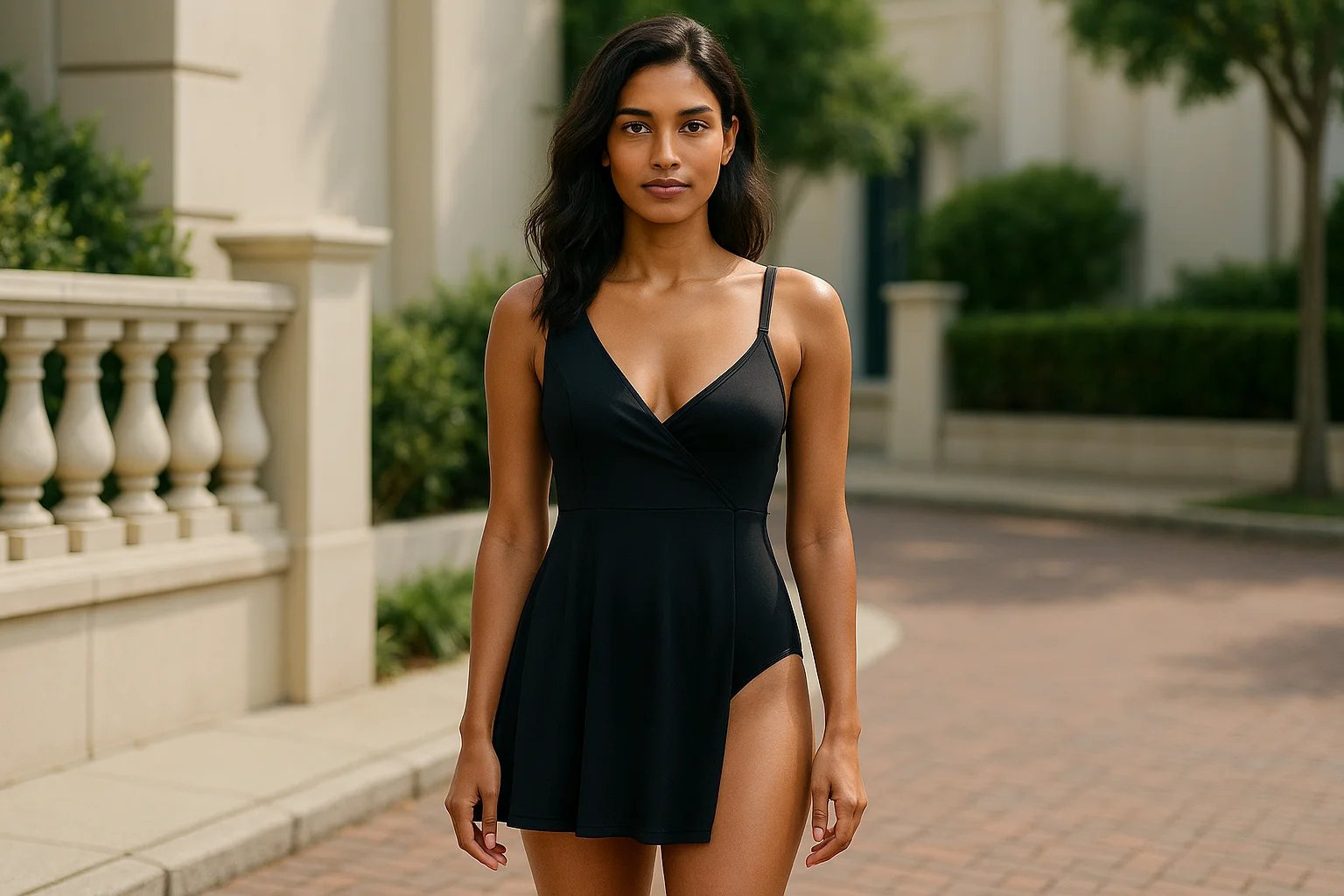
Swim dresses offer a stylish alternative to traditional swimsuits, merging the charm of a dress with the practicality of swimwear. Their flowing skirts can provide extra coverage and a touch of elegance, making them a favorite for those who appreciate modesty without sacrificing fashion.
Besides adding a flattering silhouette, swim dresses give wearers the freedom to transition easily from poolside lounging to café outings. The soft fabrics are designed for water wear yet feel gentle against the skin, creating a balance between comfort and style that traditional suits often don’t provide.
What Makes Traditional Swimsuits a Classic Choice?
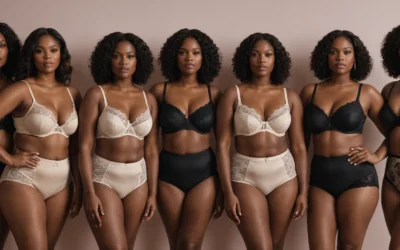
Traditional swimsuits come in many shapes—from bikinis to one-piece suits—and their design focuses on performance and sleekness. These suits hug the body, offering ease of movement and often feature quick-drying fabrics that stay light in the water.
They suit a wide range of activities, from swimming laps to sunbathing, with styles tailored for practicality and fashion. The streamlined shape of traditional swimsuits gives a sporty, modern look that many find appealing. For years, they’ve been the go-to for swimmers prioritizing functionality combined with feminine design.
Fit and Comfort: Which Suits Your Shape Best?
Fit and comfort play a crucial role when choosing between swim dresses and traditional swimsuits. Swim dresses tend to be especially flattering for pear-shaped or hourglass figures because the skirt gently skims the hips, balancing proportions gracefully.
On the other hand, traditional swimsuits often provide adjustable features such as straps and ruching to accommodate different body types with precision. Those preferring minimal fabric and freedom of movement might lean toward traditional suits that are designed to minimize drag and maximize support.
Taking the time to try on both styles is vital since personal comfort varies widely. Focus on what feels easy to wear for extended periods, especially if you plan to be active in the water or outdoors.
Fabric Feel and Movement in Water
Swim dresses typically use lightweight, stretchy materials such as nylon blends or polyester spandex, allowing fluid movement while maintaining shape. The skirt portion adds an element of gentle flow in water, offering a graceful and feminine dynamic.
Traditional swimsuits, with their tighter fit, excel when it comes to streamlined swimming and ease of motion. Fabrics used are often engineered for rapid drying and durability. This functional approach ensures that performance isn’t sacrificed for style, catering to active swimmers and sun lovers alike.
Exploring swimwear from reputable sources like the Council of Textile and Apparel helps one understand common fabric treatments that enhance comfort and longevity, making swimwear choices more informed.
Styling Versatility: Dressing Up Your swimwear
Swim dresses naturally extend beyond the beach or pool area, pairing well with sandals, light jackets, or hats for casual daytime outings. Their skirted design lends itself to creative layering without looking like typical swimwear, which can feel limiting for some.
Traditional swimsuits, while sleek and often minimalist, may require additional separates like sarongs, shorts, or cover-ups to achieve similar versatility. Their simplicity, however, allows for accessorizing with bold statement pieces like oversized sunglasses or vibrant wraps.
The visual balance between swim dresses and traditional suits largely depends on the wearer’s lifestyle and personal aesthetic. Both have their place in a summer wardrobe that values adaptability.
Seasonal Considerations: When to Choose Which
Though swimwear is often associated with warm weather, subtle seasonal thinking can influence the best choice. Swim dresses, with their added fabric and coverage, might feel more comfortable during mild spring or early fall outings when the breeze is cooler.
Traditional swimsuits shine in the height of summer heat, offering minimal coverage to maximize sun exposure and cooling. Fabrics designed for UV protection and chlorine resistance also come into play here, helping both styles hold up under varying conditions.
Understanding the climate and intended use can guide whether swim dresses or traditional suits better suit your seasonal needs without compromising comfort.
Caring for Your Swim Dress or Traditional Swimsuit
Proper care extends the life of any swimwear, yet the different styles sometimes call for subtle differences in maintenance. Swim dresses, with their extra fabric, benefit from careful washing that avoids stretching or fading of the skirt portion.
Traditional swimsuits require diligent rinsing and drying to protect elastic fibers that sustain fit and support. Using mild detergents and avoiding harsh sunlight during drying keeps colors vibrant and textures soft.
Trusted fashion sites like Vogue often share expert advice on caring for swimwear fabrics, ensuring that your pieces look fresh through many seasons. Taking these steps keeps your swimwear comfortable and visually appealing for longer.
Environmental Impact and Sustainable Choices
The environmental footprint of swimwear is increasingly important to consider. Both swim dresses and traditional suits are frequently made from synthetic fabrics derived from petroleum, contributing to microplastic pollution.
Seeking sustainably produced swimwear options incorporating recycled materials helps reduce this impact. Many emerging brands emphasize responsible manufacturing processes and quality that lasts, benefiting wearers and the planet alike.
External resources like Fashion Revolution provide insights into sustainability practices within the apparel industry, helping consumers make conscious purchase decisions without sacrificing style.
Personal Confidence: The Ultimate Factor
Ultimately, what matters most is how your swimwear makes you feel. Some find the gentle draping of a swim dress boosts confidence through coverage and flattering shape, enhancing comfort in social or family settings.
Others prefer the sleek, form-fitting appeal of traditional swimsuits for their boldness and sporty edge. Both styles offer unique ways to express individual personality and mood at the beach or pool.
Trust your instincts and personal preference—feeling good is the best accessory no matter which swimwear you choose.
FAQ
Are swim dresses suitable for active swimming?
Swim dresses can be suitable for light to moderate water activities, but their skirted design may restrict vigorous swimming. Traditional swimsuits generally provide better freedom of movement for lap swimming or water sports.
Do swim dresses provide UV protection?
Many swim dresses are made with fabrics that offer some degree of UV protection, but the level varies by brand and material. It’s advisable to check product specifications to ensure adequate sun defense.
How do I choose the right size for a swim dress?
Choosing the right size involves considering both bust measurement and how the skirt fits around the hips. Since swim dresses often have stretch, selecting your usual swimwear size is a good starting point, but reviewing size guides can ensure a comfortable fit.
Are traditional swimsuits better for tanning?
Traditional swimsuits typically expose more skin than swim dresses, making them preferable for tanning. Swim dresses offer more coverage which may result in fewer tan lines.
Can I wear a swim dress for pool parties or beach weddings?
Yes, swim dresses are often styled to look elegant enough for social occasions like pool parties or beach weddings. Their flattering silhouette can easily be dressed up with accessories.
Do traditional swimsuits work well with waterproof makeup?
Traditional swimsuits pair well with waterproof makeup since they’re designed for active water use, but makeup longevity depends more on application and waterproof formulas than just swimwear style.
Is a swim dress more flattering for certain body types?
Swim dresses often flatter pear-shaped and hourglass figures by providing balance and gentle coverage. However, individual preferences and fit trials are essential to finding what feels best.
What fabrics are best for swim dresses?
Swim dresses made from soft, stretchy nylon and polyester blends tend to offer the best comfort and durability. These fabrics dry quickly and maintain color vibrancy even after repeated use.
Can I find sustainable options in both swim dresses and traditional swimsuits?
Yes, sustainable swimwear options exist in both categories, often featuring recycled fabrics and eco-friendly production. Researching brands committed to sustainability can guide responsible choices.
How should I care for a swim dress differently than a traditional swimsuit?
Swim dresses may require gentler washing to protect the skirt fabric from stretching or damage. Both styles benefit from rinsing in cool water and avoiding harsh detergents or wringing.
Disclaimer
This article provides general information on swimwear styles and considerations. Individual preferences and body types vary, and it is recommended to consult specific product details and professional advice for personal fit and suitability.
Categories
- Activewear (160)
- Athletic Jackets (12)
- Comfortable Leggings (14)
- Cozy Joggers (15)
- Functional Sports Shorts (20)
- Stylish Tank Tops (20)
- Supportive Sports Bras (20)
- Yoga Pants (20)
- Yoga Tops (18)
- Bottoms (43)
- Classic Capris (4)
- Comfortable Leggings (4)
- Fashion Shorts (3)
- Skirts (12)
- Stylish Jeans (4)
- Stylish Overalls (4)
- Tailored Trousers (4)
- Unique Jumpsuits (4)
- Curved Fashion (73)
- Dresses (148)
- Boho Dresses (6)
- Casual Dresses (5)
- Cocktail Dresses (4)
- Evening Dresses (10)
- Floral Dresses (15)
- Little Black Dresses (6)
- Maxi Dresses (5)
- Midi Dresses (5)
- Plus-Size Dresses (5)
- Summer Dresses (5)
- Fashion Trends (82)
- Luxury & Designer Archive (94)
- Outfit Inspiration (73)
- Style Guides (67)
- Sustainable Fashion (66)
- Swimwear (122)
- Chic Cover-Ups (6)
- Maternity Swimwear (4)
- One-Piece Swimsuits (5)
- Plus-Size Swimwear (3)
- Stylish Bikinis (7)
- Swim Dresses (6)
- Swim Skirts (7)
- Trendy Tankinis (6)
- Tops (61)
- Button-Down Shirts (4)
- Casual T-Shirts (10)
- Comfortable Hoodies (6)
- Cozy Sweaters (5)
- Elegant Tunics (8)
- Feminine Blouses (8)
- Off-Shoulder Tops (5)
- Stylish Tank Tops (4)
- Trendy Crop Tops (6)
- Travel & Lifestyle Fashion (67)
- Trend Reports Archive (88)
- Workwear & Professional (72)