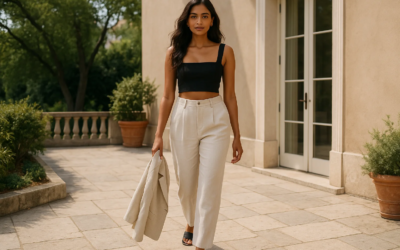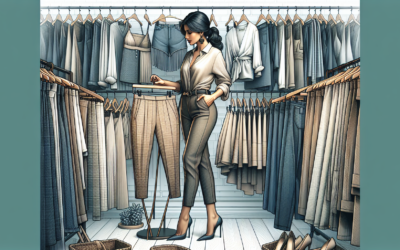

You know what? Our closets have stories hidden between the seams—stories of fleeting trends, impulse buys, and forgotten garments tucked away collecting dust. But beneath that mountain of yesterday’s fashion lies a growing movement, quietly challenging the frantic cycle of consumption. Sustainable wardrobe swaps—sounds promising, right? It’s not just about switching clothes, but switching mindsets. Let me explain why these changes might just ripple through the way we dress forever.
Why Sustainable Wardrobe Choices Matter
Before jumping into the nuts and bolts of swapping out wardrobes, it’s worth considering why this matters beyond just being a hip, green thing to do. Did you know the fashion industry ranks second only to oil in pollution? That t-shirt you casually toss in the laundry contributes to microplastic pollution, and the cotton shirt you bought for a weekend brunch might have guzzled thousands of liters of water to exist. It’s overwhelming, I get that. But here’s the thing: every garment has a footprint, one often buried deep beneath labels boasting “fast fashion.” So, when we talk sustainable swaps, it’s not just about greener fabric choices—it’s about rethinking consumption altogether. Every swap is a conversation with the planet.
From Fast Fashion to Slow Wardrobes: A Cultural Shift
Remember when clothes were built to last, handed down or lovingly mended? Now, racks overflow with cheap, disposable fashion—stuff that looks great for a season but quickly fizzles out in quality and style. Enter the slow wardrobe philosophy, which challenges this throwaway culture. It encourages mixing minimalism with sustainability—think fewer pieces, higher quality, and timeless designs. But it’s more than just about style; it’s also deeply personal. Adopting slow fashion means investing in items you truly love and will wear for years, a way to break the trance of mindless shopping binges.
Sure, this takes a little patience, and there’s something almost romantic about hunting for that perfect, ethically-made jacket rather than grabbing a bargain off a fast fashion rack. Many brands, from Patagonia to Eileen Fisher, have championed transparency in production, proving that sustainability isn’t just a buzzword but a commitment.
Sustainable Fabric Choices: Feels Good, Looks Good
Let’s get real—fabric talks. Choosing sustainably made materials is not just an environmental win; it impacts how you feel every time you wear something. For example, organic cotton is grown without synthetic pesticides and fertilizers, meaning it’s gentler on the earth and your skin. Hemp? Tough, durable, and breathes like a dream. Bamboo fabrics may sound new-fangled but take a second look—they’re soft, renewable, and tough on bacteria.
There’s also the emerging world of recycled fabrics—imagine a stylish jacket made from recycled ocean plastics. Cool, right? Brands like Rothy’s craft shoes and bags from such materials, literally turning waste into wardrobe treasures. Wearing these pieces isn’t just a fashion statement—it’s a daily act of respect for nature.
The Joy of Swapping Clothes: It’s Not Just Secondhand, It’s Social
Swapping clothes might sound like a backyard garage sale, but it’s so much more fun—and impactful—than that. Wardrobe swaps are often social events where you bring clothes you no longer wear and exchange them for new-to-you pieces. The beauty? It avoids waste and keeps clothing in rotation longer. Plus, you get the thrill of finding someone else’s forgotten gem without spending a dime.
On a side note, it’s surprisingly refreshing. When was the last time your jeans sparked joy or your shirt connected you to a conscious community? Places like community centers, colleges, or even Instagram groups host swaps regularly. And with apps like Depop and Poshmark, swapping has gone digital, turning your phone into a fashion marketplace where sustainability meets style.
Washing and Caring: Less Is More
Here’s a little secret—how you care for your clothes matters just as much as what you buy. The more you wash, the quicker clothes fade, stretch, or lose shape. Sustainable wardrobes thrive on loving your garments instead of wearing them out. Hang drying instead of tumble drying, washing in cold water, or even spot cleaning can save a lot of premature wear and tear.
Ever heard about the ‘Fashion Revolution’ movement’s “Who made my clothes?” campaign? It encourages transparency, but it also nudges consumers to treat garments like cherished possessions, not disposable commodities. This mindful approach prolongs the life of sustainable swaps and reduces environmental strain.
Capsule Wardrobes: The Ultimate Sustainable Swap Hack
If sustainable swaps had a poster child, it’d be the capsule wardrobe. Picture this: a carefully curated collection of versatile clothes that mix and match effortlessly. Minimal pieces, maximum outfit combos. You strip back to quality over quantity, ditching trend-chasing chaos for a closet that’s both efficient and personal.
The charm is in the challenge—how to express your style without filling a room with clutter? It’s a bit like solving a puzzle. Plus, it removes decision fatigue when picking outfits and even sparks creativity. Many find themselves more confident, less wasteful, and surprisingly playful with color and texture when they downsize.
Tech Meets Tradition: Digital Wardrobe Management
Okay, so this is a funny blend of old and new. We’ve talked about social swaps and deliberate consumption, but technology is also lending a serious hand. Apps like Cladwell or Stylebook let you photograph your wardrobe, plan outfits, and track your clothing use. It’s like having a stylist in your pocket who encourages mindful wearing.
You might think tech is impersonal, but it can actually deepen your connection with your clothes. Seeing your favorite pieces on screen encourages you to wear them more often, breaking the habit of forgotten hangers. Plus, many apps suggest eco-friendly brands or swap events around your area. Isn’t it neat how helping the planet can sometimes come down to swiping on your phone?
A Little Goes a Long Way: Everyday Tips for Wardrobe Sustainability
Before I let you run off to raid your closet, here are some simple habits worth sneaking in. They sound small, but like drops in a bucket, they make a huge splash.
- Patch up or re-style clothes instead of chucking them
- Borrow something special from friends for one-off events
- Choose natural fibers and dyes over synthetics when you shop
- Donate or consign instead of trashing unwanted items
- Try thrift stores—sometimes the coolest vintage pieces hide there
Honestly, it’s more about the mindset than spending big bucks. You’re saying yes to creativity and no to waste, even if it means wearing that quirky sweater a few seasons longer. Who says sustainability can’t be a little fun and a touch rebellious?
Reflecting on the Bigger Picture
At the end of the day (avoiding clichés as promised!), sustainable wardrobe swaps aren’t just a trend or a feel-good movement. They’re a quiet revolution reshaping how we relate to clothing. It’s about respect—for the people who make our clothes, for the environment that provides the materials, and for ourselves as mindful consumers. Changing the way we dress by swapping mindsets and garments alike holds the potential for meaningful change that echoes well beyond the closet door.
If this sounds like a journey you want to start, you’re definitely not alone. Whether it’s a capsule wardrobe, a friendly swap event, or simply caring more for your existing clothes, every little step nudges the fashion industry closer to sustainability’s doorstep.
FAQ: Your Burning Questions About Sustainable Wardrobe Swaps
What exactly is a sustainable wardrobe swap?
A sustainable wardrobe swap is an event or process where people exchange clothing items they no longer use with others, promoting reuse and reducing clothing waste. It’s a social and eco-friendly alternative to buying new.
How can I start swapping clothes if I don’t know many people interested?
Look for local swap events on community boards or social media platforms. Alternatively, apps like Depop, Vinted, or Poshmark offer online swapping options, connecting you with shoppers and swappers worldwide.
Are secondhand clothes really better for the environment?
Yes! Reusing garments delays them entering landfills and reduces the demand for new textile production, which saves water, energy, and reduces pollution.
How do I care for sustainable fabrics?
Generally, wash clothes in cold water, avoid harsh detergents, hang dry when possible, and repair minor damages rather than discarding garments. These actions extend the lifespan of garments and keep them looking good longer.
Is a capsule wardrobe really practical for everyday life?
Absolutely. Capsule wardrobes focus on versatile, mix-and-match pieces that fit your lifestyle. Many find they save time and reduce clutter while still expressing personal style.
Can technology really help me be more sustainable with my clothes?
Definitely. Apps that catalog your wardrobe help you see what you own, plan outfits intelligently, and reduce unnecessary purchases, supporting a more conscious consumption habit.
Disclaimer
The information provided here aims to inspire sustainable habits in wardrobe management. Individual results may vary based on personal circumstances, and it’s recommended to research and tailor approaches to fit your lifestyle and preferences.
For more info on sustainable textiles and fashion, check out the Fashion Revolution and Sustainability Times.
Categories
- Activewear (160)
- Athletic Jackets (12)
- Comfortable Leggings (14)
- Cozy Joggers (15)
- Functional Sports Shorts (20)
- Stylish Tank Tops (20)
- Supportive Sports Bras (20)
- Yoga Pants (20)
- Yoga Tops (18)
- Bottoms (43)
- Classic Capris (4)
- Comfortable Leggings (4)
- Fashion Shorts (3)
- Skirts (12)
- Stylish Jeans (4)
- Stylish Overalls (4)
- Tailored Trousers (4)
- Unique Jumpsuits (4)
- Curved Fashion (73)
- Dresses (148)
- Boho Dresses (6)
- Casual Dresses (5)
- Cocktail Dresses (4)
- Evening Dresses (10)
- Floral Dresses (15)
- Little Black Dresses (6)
- Maxi Dresses (5)
- Midi Dresses (5)
- Plus-Size Dresses (5)
- Summer Dresses (5)
- Fashion Trends (82)
- Luxury & Designer Archive (94)
- Outfit Inspiration (73)
- Style Guides (67)
- Sustainable Fashion (66)
- Swimwear (122)
- Chic Cover-Ups (6)
- Maternity Swimwear (4)
- One-Piece Swimsuits (5)
- Plus-Size Swimwear (3)
- Stylish Bikinis (7)
- Swim Dresses (6)
- Swim Skirts (7)
- Trendy Tankinis (6)
- Tops (61)
- Button-Down Shirts (4)
- Casual T-Shirts (10)
- Comfortable Hoodies (6)
- Cozy Sweaters (5)
- Elegant Tunics (8)
- Feminine Blouses (8)
- Off-Shoulder Tops (5)
- Stylish Tank Tops (4)
- Trendy Crop Tops (6)
- Travel & Lifestyle Fashion (67)
- Trend Reports Archive (88)
- Workwear & Professional (72)
![Fall/Winter [Year]: The Seasonal Colors Every Woman Should Know](https://moopsi.com/wp-content/uploads/2025/11/FallWinter-Year-The-Seasonal-Colors-Every-Woman-Should-Know-400x250.png)