

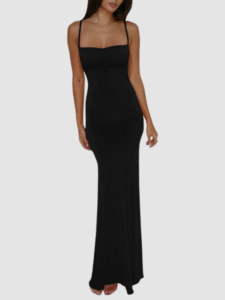

The New Age of Regenerative Cotton Trends Taking Over the Runway
Fashion’s Fresh Thread: Why Regenerative Cotton Is Turning Heads
Imagine this: you’re flipping through the latest fashion magazine, and suddenly, it hits you—this season, there’s an undeniable buzz about cotton, but not the kind you’re used to. This cotton has a story, a soul, and a purpose. Regenerative cotton is taking the spotlight, and honestly, it’s about time.
Why all the fuss? Well, cotton has always been a wardrobe staple, but it’s also been infamous for soaking up tons of water, chemicals, and soil nutrients. That old image of cotton as the thirsty, resource-guzzling crop is getting a makeover. The new age of regenerative cotton isn’t just about looking good on the runway—it’s about healing the earth while doing so.
Here’s the thing: regenerative agriculture isn’t just a buzzword tossed around by eco-warriors. It’s a genuine, ground-level approach aimed at restoring soil health, improving biodiversity, and reducing carbon footprints. When cotton brands and designers commit to this path, their creations don’t just dress you—they make a statement, a difference.
It’s not just about sustainability but about regeneration—that idea of giving back even more than you take. That’s a powerful message for an industry often criticized for waste and excess.
Getting Under the Fabric: What Makes Regenerative Cotton Different?
Alright, so what really sets regenerative cotton apart? It’s more than just “organic” slapped onto a tag. While organic cotton shuns synthetic pesticides and fertilizers, regenerative cotton takes that a few steps further.
Picture farmers rotating crops to keep the soil pumped full of nutrients, planting cover crops that protect the earth in the off-season, and even integrating livestock to naturally fertilize the fields. It’s a holistic system where cotton is just one player in a much bigger, healthier ecosystem.
This method boosts soil carbon sequestration—that’s a fancy way of saying it helps pull carbon dioxide out of the air and lock it safely underground. Plus, it helps prevent erosion, enhances water retention, and even supports local wildlife. Nature’s own win-win.
We’re talking about cotton grown in soils that breathe new life, rather than strip it away. It’s analogous to the difference between eating junk food and savoring a balanced, nutrient-dense meal—your body (and the planet) can tell the difference.
And guess what? The fabric that comes out of regenerative cotton fields tends to be more resilient, less prone to damage. This means clothes that last longer, too—so your closet benefits in the long haul.
Runways That Speak Volumes: Designers Weaving a Greener Future
You might wonder, who’s actually sponsoring this change? Who’s buying into regenerative cotton besides the farmers and scientists nodding excitedly about soil microbes?
Enter the fearless frontrunners on the fashion runways worldwide. Labels big and small, from sustainably minded startups to iconic luxury brands, are embracing regenerative cotton. They’ve realized environmental stewardship can mesh beautifully with trendsetting design.
Take Stella McCartney, for instance—she’s been championing eco-conscious fabrics for years. Or Kering Group, which owns Gucci and Saint Laurent, pledging to incorporate regenerative materials as a core part of their supply chains. These brands aren’t just tapping a trend; they’re laying groundwork for industry-wide shifts.
The impact is visible. When regenerative cotton appears in collections, it often carries that extra layer of meaning consumers crave—the feeling of wearing something crafted not just with skill, but with respect for the planet. A piece becomes a conversation starter, inspiring others to consider where their clothes come from.
And frankly, it’s refreshing. In a world awash with fast fashion’s fleeting thrills, regenerative cotton feels like a breath of fresh, earthy air.
More Than a Trend? The Cultural Shift Behind Regenerative Cotton’s Rise
Let me ask you something—how much do you consider a garment’s origin before it ends up in your wardrobe? If your answer includes “not much,” you’re hardly alone. But that’s changing fast.
Regenerative cotton’s surge isn’t just about the fabric. It reflects a wider cultural awakening—people demanding transparency, accountability, and meaning in the things they buy. It’s part of a bigger conversation about how we consume, what stories our purchases tell, and how our choices ripple through communities and environments.
Social media, celebrity endorsements, and investigative journalism have played their part, shedding light on the plight of cotton farmers and the toll conventional practices take on them and their land. Suddenly, buyers don’t just want pretty clothes; they want clothes that align with their values.
Interestingly, this shift connects with a deeper craving for connection—to nature, to heritage, and to craftsmanship. Regenerative cotton, grown in harmony with the earth, becomes a symbol of that lost connection being restored.
It’s not perfect, no—and criticism remains about costs and scalability—but it marks a hopeful turn.
The Science Side: Digging Into Soil, Seeds, and Sustainability Metrics
For the gearheads and number lovers, regenerative cotton isn’t a vague feel-good notion; it’s rooted in measurable, earth-friendly science.
Farmers rely on soil microbiology tests, water usage tracking devices, and satellite imagery to tune their operations toward sustainability. Advances in seed genetics have developed cotton variants that thrive with fewer chemical inputs but maintain fiber strength and softness.
Then there’s life cycle assessment (LCA), a rigorous way to map out a product’s environmental footprint from seed to shelf. Regenerative cotton often scores favorably, showing reduced greenhouse gas emissions, lower energy consumption, and better water conservation compared to its conventional counterpart.
These technical victories matter because they set benchmarks—not just storylines. They guide brands in tweaking practices, report progress transparently, and educate consumers with hard facts, not just feel-good slogans.
Understanding the biology behind soil carbon sequestration, for example, opens up an exciting world where agriculture becomes a part of climate solutions, not part of the problem.
It also ties in with policy goals and funding incentives, encouraging more farmers to join the regenerative revolution.
What About You? How Regenerative Cotton Changes Your Wardrobe and Beyond
You might be thinking, “Sounds great, but what’s it mean for me and my style?”
Well, regenerative cotton doesn’t just make your clothes ‘eco-friendly’ in a vague sense—it improves the very fabric’s quality. Imagine slipping on a t-shirt that feels softer, lasts longer, and carries a sense of story sewn right into the threads. It’s clothing you can feel good about, literally and figuratively.
Shopping for regenerative cotton also nudges your wardrobe choices toward mindful consumption—not buying for fleeting trends, but investing in pieces with integrity.
Many brands now provide transparency tools through QR codes or digital tags, so you can track the journey of your garment from seed to stash. It’s like having a backstage pass to the fashion show of sustainability.
And this ripple effect matters. Demand drives supply. When more consumers seek regenerative cotton, factories, farmers, and designers respond, creating a positive feedback loop for the environment.
Honestly, it feels like holding a small but meaningful power in your hands—the power to wear your values and influence change.
Challenges and Skepticism: Keeping It Real About Regenerative Cotton
Before you get too starry-eyed, let’s keep things real. Regenerative cotton isn’t a silver bullet—it comes with challenges and skeptics.
Scaling up regenerative practices is complex—different climates, farm sizes, and economic pressures can make adoption uneven. Some critics argue that claims about carbon sequestration or biodiversity benefits get exaggerated or aren’t universally verified.
Also, clothes made from regenerative cotton sometimes come with steeper price tags, putting them out of reach for many shoppers used to bargain-bin deals.
Transparency isn’t always crystal clear, either. Without standardized certifications, “regenerative” can risk sounding like just another marketing buzzword.
Still, these hurdles don’t overshadow the progress made. Instead, they highlight the need for ongoing innovation, education, and collaboration among farmers, brands, scientists, and consumers.
And frankly, isn’t that the way progress usually works? Messy, complex, but worth every struggle and push.
Bringing It Home: How Regenerative Cotton Trends Could Shape Fashion’s Future
Picture the fashion landscape a decade from now: runways showcasing not just stunning fabrics and cuts but garments grown in partnership with the earth itself.
Regenerative cotton is more than an eco-friendly thread; it’s weaving a narrative of responsibility, resilience, and hope. It invites designers to innovate beyond aesthetics—to think about the footprint their collections leave behind.
As regenerative cotton continues to gain momentum, it could redefine how we value clothing—not as disposable commodities, but as enduring expressions of creativity and care.
What’s exciting is how regenerative cotton fits into the bigger story of sustainable fashion—alongside recycled fabrics, circular economies, and zero-waste designs. It’s a comprehensive, hopeful movement that proves style and conscience don’t have to be strangers.
And who knows? Maybe wearing regenerative cotton will soon be as normal as wearing blue jeans, only a lot kinder to the planet.
Quick Summary: Why You Should Keep an Eye on Regenerative Cotton
So, pulling all this together, why should regenerative cotton grab your attention?
– It heals the soil while producing high-quality fabric.
– It offers a way for fashion to reduce its environmental footprint responsibly.
– It carries a powerful cultural message about reconnecting with nature and mindful consumption.
– Its growth is supported by measurable science and promising innovations.
– It faces real challenges but sparks optimism for a fashion future rooted in care.
Next time you’re browsing a collection or planning a closet refresh, consider this: the cotton your shirt’s made from might just have a story worth wearing.
—
Frequently Asked Questions About Regenerative Cotton
Regenerative cotton is cotton grown using agricultural practices that restore soil health, improve biodiversity, and reduce environmental impact—moving beyond organic standards by focusing on ecosystem regeneration.
While organic cotton avoids synthetic chemicals, regenerative cotton adds practices like crop rotation, cover cropping, and holistic soil management to actively improve soil and ecosystem health, not just maintain it.
Typically, yes. The additional care, labor, and lower yields involved can make regenerative cotton garments pricier. However, many consumers see value in investing in sustainable, longer-lasting clothing.
Yes, by improving soil carbon sequestration and reducing emissions associated with conventional farming, regenerative cotton contributes positively to climate change mitigation efforts.
Currently, there isn’t a widely recognized, standardized certification exclusively for regenerative cotton. However, some organizations and brands use their own verification systems or combine certifications like organic and regenerative agriculture standards.
function toggleFaq(button) {
const expanded = button.getAttribute(‘aria-expanded’) === ‘true’;
const faqContent = document.getElementById(button.getAttribute(‘aria-controls’));
button.setAttribute(‘aria-expanded’, !expanded);
if (expanded) {
faqContent.hidden = true;
} else {
faqContent.hidden = false;
}
}
For more in-depth insights on regenerative agriculture and cotton, check out resources from the Regenerative Agriculture Foundation and the Cotton Incorporated Sustainability Initiative.
DISCLAIMER
The information provided in this article is for educational purposes only and should not be taken as professional advice. Readers are encouraged to research and consult with experts before making decisions related to cotton sourcing, farming practices, or fashion purchasing.
Categories
- Activewear (160)
- Athletic Jackets (12)
- Comfortable Leggings (14)
- Cozy Joggers (15)
- Functional Sports Shorts (20)
- Stylish Tank Tops (20)
- Supportive Sports Bras (20)
- Yoga Pants (20)
- Yoga Tops (18)
- Bottoms (43)
- Classic Capris (4)
- Comfortable Leggings (4)
- Fashion Shorts (3)
- Skirts (12)
- Stylish Jeans (4)
- Stylish Overalls (4)
- Tailored Trousers (4)
- Unique Jumpsuits (4)
- Curved Fashion (73)
- Dresses (148)
- Boho Dresses (6)
- Casual Dresses (5)
- Cocktail Dresses (4)
- Evening Dresses (10)
- Floral Dresses (15)
- Little Black Dresses (6)
- Maxi Dresses (5)
- Midi Dresses (5)
- Plus-Size Dresses (5)
- Summer Dresses (5)
- Fashion Trends (82)
- Luxury & Designer Archive (94)
- Outfit Inspiration (73)
- Style Guides (67)
- Sustainable Fashion (66)
- Swimwear (122)
- Chic Cover-Ups (6)
- Maternity Swimwear (4)
- One-Piece Swimsuits (5)
- Plus-Size Swimwear (3)
- Stylish Bikinis (7)
- Swim Dresses (6)
- Swim Skirts (7)
- Trendy Tankinis (6)
- Tops (61)
- Button-Down Shirts (4)
- Casual T-Shirts (10)
- Comfortable Hoodies (6)
- Cozy Sweaters (5)
- Elegant Tunics (8)
- Feminine Blouses (8)
- Off-Shoulder Tops (5)
- Stylish Tank Tops (4)
- Trendy Crop Tops (6)
- Travel & Lifestyle Fashion (67)
- Trend Reports Archive (88)
- Workwear & Professional (72)