
Ultimate Guide to Choosing Stretch-Optimized Sports Bras for High-Intensity Workouts
Why Choosing the Right Sports Bra is More Than Just a Comfort Thing
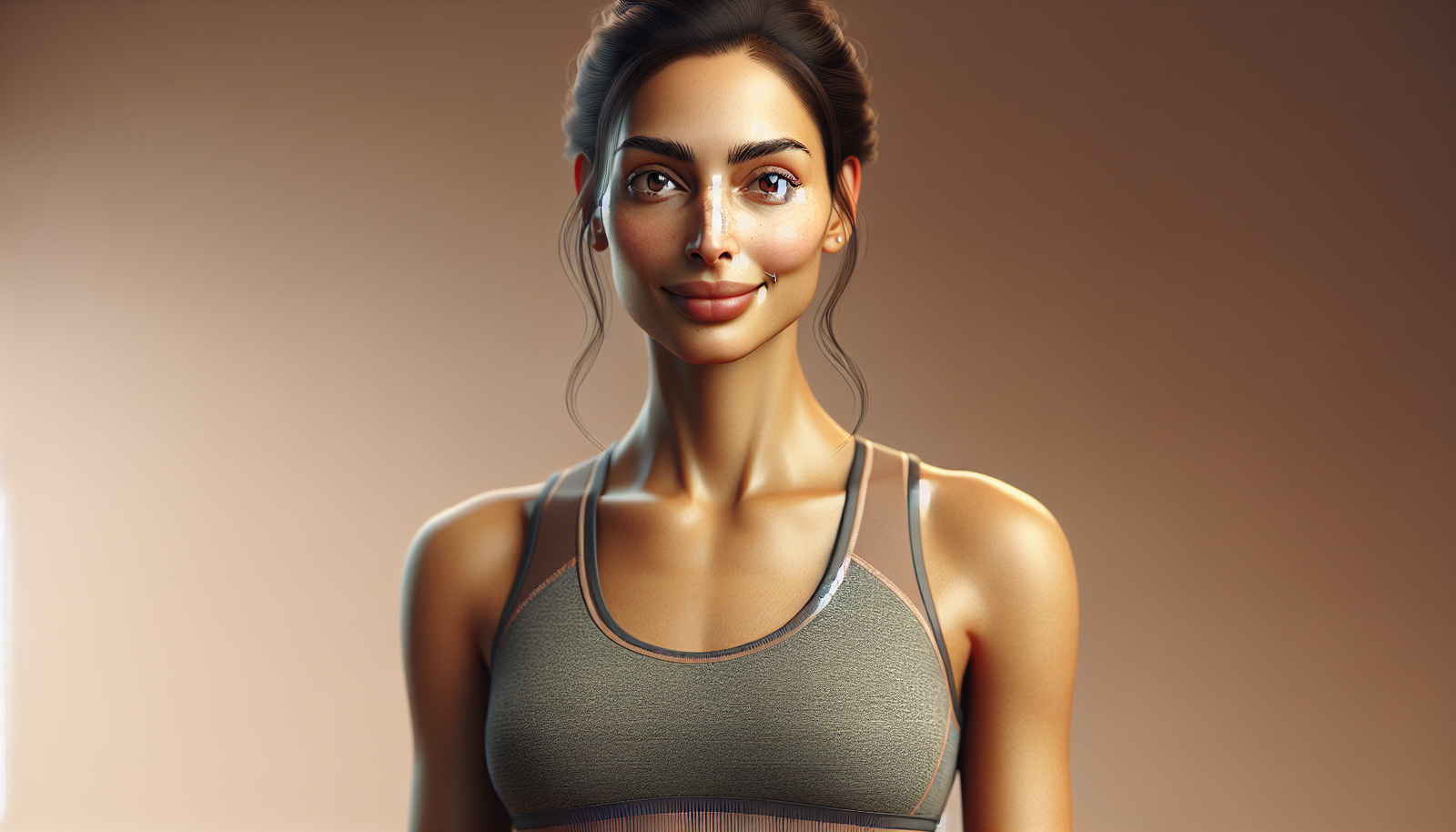
You ever notice how some sports bras just don’t cut it during those heart-pounding, sweat-drenching workouts? It’s not just about comfort—though that’s huge—it’s about how the bra supports you when you’re pushing your limits. High-intensity workouts like spinning classes, HIIT, or trail running demand a bra that moves with you, stretches just right, and keeps everything in place. You know, like a trusted partner that never lets you down.
Now, before we get tangled up in the jargon and fitness fashion, let me break down why this matters. Imagine running and feeling that annoying bounce—ugh, the distraction! It can knock your confidence, affect your posture, even cause real soreness. The right sports bra is like armor but soft, flexible armor that hugs the right spots while stretching where needed.
If you’re the type who’s tried just grabbing any old bra on sale, hoping it’ll do the trick, you’re not alone. But let’s be honest—there’s a lot more going on behind those stretch fabrics and subtle design twists than meets the eye.
Details Matter: What Does “Stretch-Optimized” Really Mean?
“Stretch-optimized” sounds fancy—and a heap better than “stretchy,” right? But what’s the deal? It means the bra is designed to move with your body’s natural flow, without losing support or shape. A stretch-optimized sports bra uses fabrics and construction techniques that balance elasticity and firmness, so you’re not swimming or squeezing in bits.
Think of it like the difference between a worn-out rubber band and a top-quality resistance band. One snaps back perfectly after pulling; the other just sags or pinches painfully. The secret sauce involves materials like Lycra, spandex blends, and engineered knit patterns that stretch selectively—more where you need freedom, less where you want hold.
This isn’t just a matter for fit nerds. It impacts your sweat management, muscle fatigue, and overall workout mojo. Cool, breathable fabrics that stretch right can make you forget you’re even wearing a bra; while inferior ones can turn a killer workout into a constant distraction.
The Anatomy of High-Intensity Support: More Than Just Cups and Straps
Let’s get a little technical but keep it easy, shall we? When it comes to high-impact workouts, your sports bra needs to tackle three types of support: compression, encapsulation, and proper tension distribution.
– Compression means the bra presses your breasts close to your chest—think of it like a firm handshake that keeps you steady.
– Encapsulation separates and supports each breast individually, reducing bounce on all fronts.
– Tension Distribution is about how the bra spreads the force of movement across straps, band, and cups—so no one area has to bear the brunt.
Stitching and fabric play a huge role here. Seamless bras with strategic reinforcements can help avoid chafing while locking down support. Wide, padded straps spread the load on your shoulders. And a snug, wide underband acts like a trusty anchor. You know what? Many women tend to overlook the band, but that’s where a surprising amount of support happens.
It’s a neat little physics problem wrapped in fabric—a balancing act carefully engineered by brands who know their stuff. It’s not just guesswork; it’s science mixed with a lot of trial and error on real workout floors.
Let’s Talk Fabric: The Unsung Hero of Your Next Sports Bra
Have you ever stopped to think about what your sports bra is made of? Probably not—until you’re stuck with a sweaty, scratchy mess post-workout. Fabric choice can make or break your gym experience.
Ideal stretch fabrics combine elasticity, moisture wicking, and durability. Polyester blends with spandex are big winners here. CoolMax and nylon blends are also popular for their quick-dry and lightweight feel. And what about that “mesh panel” everyone raves about? It’s not just for shows; ventilation zones are crucial to keep airflow humming during intense workouts.
Fabrics like bamboo or modal mixes pop up too—they’re soft on skin but not always up for the serious stretch and snap-back that high-impact workouts demand. So, while softness feels heavenly, it can sometimes compromise the hard-earned bounce control.
You know what’s funny? Sometimes the best sports brass come with that slightly weird, plasticky feel right out of the package—that’s the technical magic woven in to keep everything tight and dry.
Size & Fit: Are You Wearing the Right One (or At Least Close)?
Grabbing the correct size can feel like cracking a code worthy of escape room fame. But here’s the thing: your size might not be what you think it is.
Most women wear the wrong bra size—sports bras included—and even small miscalculations can cause serious discomfort or lack of support. Your regular bra size and sport bra size aren’t always identical because the stretch and support mechanics aren’t the same.
During a high-intensity workout, your rib cage expands with deep breaths and movement. So a sports bra should fit snugly but never choke you. The band should sit firmly, straps shouldn’t dig, and cups should fully enclose without gaps or spillage.
Pro tip: try the “jump test” at home—wear the bra and jump. If you feel too much bounce or side-to-side movement, keep trying. And don’t forget to check under-arms and backs for extra fabric or bulges. The bra should feel like a second skin, not an awkward wrestling match.
The Design Dance: Straps, Closures, and More
Here’s where things get interesting—the fun stuff like adjustable straps, hook-and-eye closures, racerbacks, and front zippers. Sports bras come in a buffet of styles just waiting for you to grab.
Straps can be thin or wide, fixed or adjustable. Wide straps usually spread pressure better and reduce shoulder strain, but slender straps can feel less bulky under tight workout clothes. Racerbacks tend to offer more stability, preventing straps from slipping, but sometimes sacrifice adjustability.
Closures matter too. Pull-on bras are easy and seamless but can be tricky to get on/off especially after a sweaty session. Hook-and-eye let you tweak tightness but may add a bit of weight or chafing if not designed well. Some clever brands even use front zippers or magnetic clasps for quick changes.
Choosing your favorite combo boils down to comfort and convenience on your usual workout types. What feels like a charm in yoga might be a nightmare during interval sprints.
Sweat Management and Breathability: Because You’re Gonna Sweat
Come on, if you’re going high intensity, sweat is inevitable. But that doesn’t mean you need to drown in discomfort.
Breathable, moisture-wicking fabrics pull sweat away from skin, helping it evaporate quickly. This keeps you dry, cool, and free from irritation. Ever had a bra that felt soggy or heavy halfway into your workout? Yup, that’s a fabric failing.
Seam placement can also impact chafing risks in high-sweat areas. Some bras boast “anti-chafe” stitching or laser-cut edges for smooth transitions. Mesh panels or laser-cut perforations might look tiny, but they dramatically improve airflow.
Here’s a nugget: if you’re tackling outdoor adventures in the heat, consider bras labeled with UPF (ultraviolet protection factor) for some added sun shield.
Testing Time: How to Tell if a Sports Bra Truly Supports High-Intensity Efforts
Trying on a sports bra is one thing; testing it in motion is another beast entirely. You actually want to move — think jumping jacks, running in place, bouncing around—to gauge true support and comfort.
If you feel pinching, straps slipping, painful pressure, or anything just off, you’ll be distracted during workouts. Before declaring a bra “the one,” wear it for longer than a minute. Sometimes problems appear after 10 or 15 minutes.
And honestly, if you can find a store with a treadmill or bike in the dressing room (some high-end sports stores do), use it. There’s no substitute for real-world stress tests.
Brands Worth Mentioning—Who’s Actually Doing Stretch-Optimized Right?
Okay, I can’t help myself but mention some names that balance tech and comfort impressively. Brands like Lululemon with their “Energy Bra,” Under Armour’s “UA Infinity,” and Nike’s “Alpha Bra” technology feature fabrics engineered for stretch and lockdown. They often provide sizing guides and wear-tested designs geared for the high-impact crowd.
European brand Anita and shock-absorber specialists also focus heavy on encapsulation plus stretch. Meanwhile, smaller emerging brands focus on sustainable fabrics with smart stretch blends, worth checking out if you’re eco-conscious.
If you want to geek out on textiles, websites like TextileSchool have deep dives into fabric tech.
Care Tips for Your Stretch-Optimized Sports Bra: Keep That Magic Alive
Sports bras aren’t cheap and you want yours to last. Care makes or breaks longevity—here’s the lowdown.
– Wash in cold water to preserve elasticity.
– Skip fabric softeners; they can kill moisture-wicking ability.
– Hand wash or use a delicate cycle in a mesh bag.
– Air dry—avoid tumble dryers that degrade spandex fibers.
– Rotate bras so you’re not abusing just one piece.
Trust me, it’s worth the effort. A saggy, worn-out bra doesn’t just lose support; it can lead to skin irritation or downright discomfort.
Last Thoughts: Because Your Workout Deserves the Right Partner
Finding the right stretch-optimized sports bra for high-intensity workouts can feel like a mini quest, but it’s totally worth it. With the right balance of fit, fabric, and design, you’re not just buying gear—you’re investing in confidence, comfort, and performance.
The next time you’re pushing through those last grueling reps or chasing your fastest mile, you want a bra that’s got your back (and front) like a champion. Don’t settle for less. Your body and workout will thank you.
—
Disclaimer
This guide is for informational purposes only and is not a substitute for professional medical or fitness advice. Always consult with a specialist if you have concerns about choosing the right sports bra for your specific body type or workout routine. Individual comfort and needs may vary.
Categories
- Activewear (160)
- Athletic Jackets (12)
- Comfortable Leggings (14)
- Cozy Joggers (15)
- Functional Sports Shorts (20)
- Stylish Tank Tops (20)
- Supportive Sports Bras (20)
- Yoga Pants (20)
- Yoga Tops (18)
- Bottoms (43)
- Classic Capris (4)
- Comfortable Leggings (4)
- Fashion Shorts (3)
- Skirts (12)
- Stylish Jeans (4)
- Stylish Overalls (4)
- Tailored Trousers (4)
- Unique Jumpsuits (4)
- Curved Fashion (73)
- Dresses (148)
- Boho Dresses (6)
- Casual Dresses (5)
- Cocktail Dresses (4)
- Evening Dresses (10)
- Floral Dresses (15)
- Little Black Dresses (6)
- Maxi Dresses (5)
- Midi Dresses (5)
- Plus-Size Dresses (5)
- Summer Dresses (5)
- Fashion Trends (82)
- Luxury & Designer Archive (94)
- Outfit Inspiration (73)
- Style Guides (67)
- Sustainable Fashion (66)
- Swimwear (122)
- Chic Cover-Ups (6)
- Maternity Swimwear (4)
- One-Piece Swimsuits (5)
- Plus-Size Swimwear (3)
- Stylish Bikinis (7)
- Swim Dresses (6)
- Swim Skirts (7)
- Trendy Tankinis (6)
- Tops (61)
- Button-Down Shirts (4)
- Casual T-Shirts (10)
- Comfortable Hoodies (6)
- Cozy Sweaters (5)
- Elegant Tunics (8)
- Feminine Blouses (8)
- Off-Shoulder Tops (5)
- Stylish Tank Tops (4)
- Trendy Crop Tops (6)
- Travel & Lifestyle Fashion (67)
- Trend Reports Archive (88)
- Workwear & Professional (72)