From Interview to Boardroom: Affordable Professional Outfits for Every Stage of Your Career
Let’s be honest: navigating the world of professional attire can feel like a labyrinth, right? Especially when you’re just starting out, or maybe you’re making a career pivot. The idea of building a wardrobe that screams “competent and stylish” without emptying your bank account? It seems almost impossible. But trust me, it’s not. In fact, it’s more achievable than you think. This isn’t just about looking good; it’s about feeling confident, making a lasting impression, and frankly, giving yourself that mental edge. We’re going to talk about how to dress for every single stage of your career journey, from that nerve-wracking first interview to confidently striding into the boardroom, all while keeping your budget in check. Because, really, who said professional style had to break the bank?
Explore Workwear & Professional
The First Impression: Acing Your Interview Attire Without Overspending
So, you’ve landed the interview – fantastic! This is your moment to shine, and that includes what you wear. Remember, before you even open your mouth, your clothes are doing a lot of talking. They’re telling the hiring manager about your attention to detail, your respect for the opportunity, and even a little bit about your personality. But here’s the kicker: you don’t need a designer suit to make an impact. Most entry-level positions, and even many mid-career roles, don’t require bespoke tailoring. It’s all about strategic choices.
Nail the Basics: Foundation Pieces That Work Hard
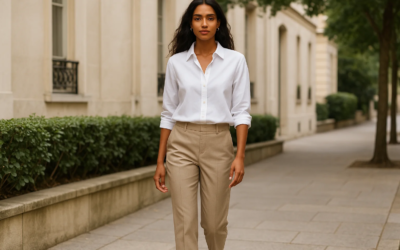
Think of your interview outfit as your professional uniform. For men, a well-fitting suit (or at least a sharp blazer and coordinated trousers) is almost always a safe bet. Colors like charcoal gray, navy blue, or even a subtle black convey seriousness and professionalism. For women, a tailored pantsuit or a skirt suit offers a similar polished look. If suits aren’t your jam, a classic sheath dress with a blazer or a smart blouse with tailored trousers can be equally effective. The key word here is “tailored.” Ill-fitting clothes, no matter how expensive, just look sloppy.
And when I say “basics,” I mean investing in pieces that are versatile. A good quality white or light blue button-down shirt, for example, can be paired with almost anything. For women, a neutral-colored blouse (think cream, light pink, or even a muted print) offers flexibility. These aren’t just for interviews; they’ll become staples in your everyday work wardrobe, too. It’s about getting the most bang for your buck, right?
Accessorize Smartly: The Small Touches That Make a Big Difference
Accessories can either elevate or detract from your look. The goal for an interview? Subtle sophistication. For men, a tasteful tie that complements your suit, a simple watch, and polished dress shoes are essential. No cartoon ties, please! For women, delicate jewelry – a simple necklace, stud earrings, or a classic watch – adds a touch of elegance without being distracting. A structured handbag or briefcasethat holds your resume neatly is also a must. And shoes! Oh, the shoes. They need to be clean, scuff-free, and appropriate for the office environment. Both men and women should shy away from overly casual footwear. Comfort is important, but professionalism trumps trendy sneakers for an initial meeting.
Here’s a little secret: check out consignment shops or even reputable online marketplaces for gently used accessories. You’d be surprised what high-quality items you can find for a fraction of their original price. It’s like a treasure hunt, but for your career!
The Daily Grind: Building a Versatile and Affordable Work Wardrobe
Okay, so you got the job – congratulations! Now comes the real challenge: dressing professionally every single day without feeling like you’re wearing a costume, and definitely without blowing your budget on a whole new wardrobe. This is where building a versatile capsule wardrobe really comes into its own. It’s all about mixing and matching, making each piece work overtime for you.
Capsule Wardrobe Magic: Less Is Truly More
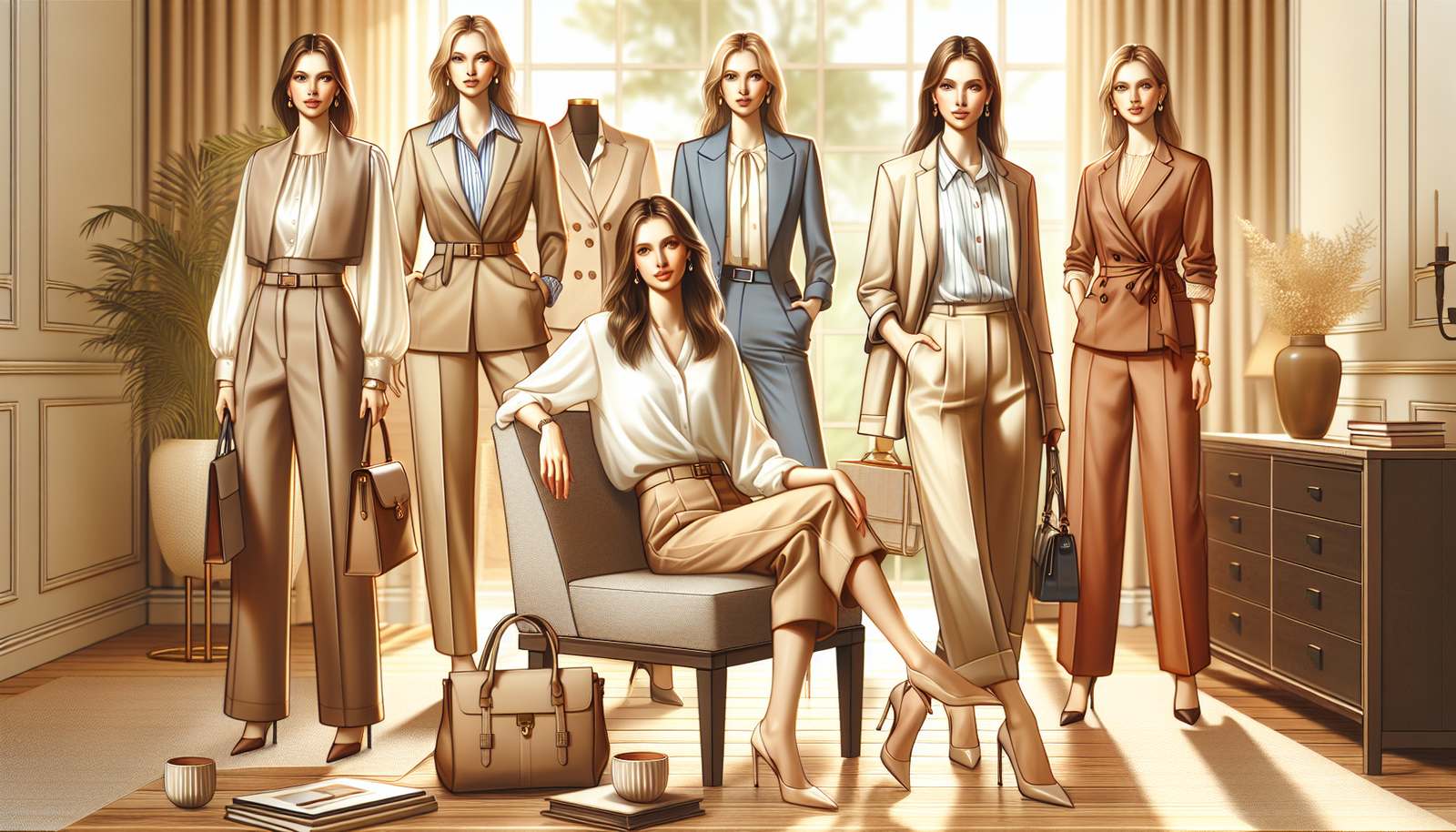
A capsule wardrobe, for the uninitiated, is a collection of a few essential items of clothing that can be easily interchanged to create numerous outfits. Think about it: a few pairs of quality trousers or skirts, some versatile tops, a couple of blazers, and maybe a dress or two. The magic happens when these pieces are in complementary colors and styles, allowing you to create different looks with minimal effort. This approach not only saves you money in the long run but also drastically cuts down on that morning “what do I wear?” panic.
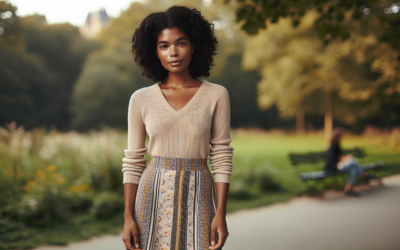
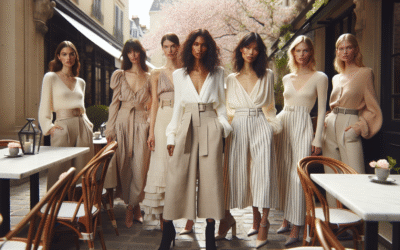
Start with neutrals: black, navy, gray, white, beige. These are your building blocks. Then, add a few pops of color or subtle patterns through blouses, ties, or scarves. Suddenly, that navy blazer isn’t just for interviews; it’s a casual Friday hero over a striped tee and dark jeans, or a power player with tailored trousers and a silk blouse. The Minimalists have some great resources on this philosophy, if you want to dig deeper.
Smart Shopping Strategies: Where to Find Those Bargains
Building an affordable work wardrobe doesn’t mean sacrificing quality. It means shopping smart. Outlet malls, clearance racks, and even online sales events are your best friends. Don’t underestimate the power of a good thrift store find – a gently used wool blazer or a classic leather belt can be a gem. Check out stores like Uniqlo for high-quality basics that often come at surprisingly reasonable prices. They do amazing foundational pieces that last.
Another tip? Shop off-season. Winter coats go on sale in spring, and summer dresses get discounted in the fall. Buy what you know you’ll need next year, and save a bundle. And always, always check the fabric content. Natural fibers like cotton, wool, and linen generally last longer and look better than cheap synthetics, even if the initial price point is a little higher. It’s an investment in your look and your wallet.
Mid-Career Momentum: Elevating Your Style as You Climb
As you gain experience and move up the career ladder, your professional identity naturally evolves, and so should your wardrobe. This isn’t about a complete overhaul every time you get a promotion; it’s about strategic upgrades and refining your personal brand. You’re no longer just showing up; you’re leading, mentoring, and influencing. Your clothes should reflect that growing authority and confidence.
Quality Over Quantity: Investing in Key Pieces
At this stage, you might start thinking about investing in fewer, but higher-quality, pieces. Instead of buying three cheap blazers, consider one really well-made, versatile blazer that will stand the test of time. A good quality watch, a well-crafted leather bag, or a pair of classic shoes can make a significant difference. These items aren’t just accessories; they’re statements. They signal that you value quality and attention to detail, traits that are highly regarded in leadership positions.
Think about the silhouettes that flatter you most and stick with them. Understand your personal style and infuse it into your professional attire without compromising formality. Maybe it’s a killer pair of tailored trousers in a unique color, or a statement necklace that isn’t flashy but is undeniably chic. It’s about being memorable for the right reasons.
Defining Your Professional Aesthetic: Beyond the Dress Code
Here’s where it gets fun: you get to play a bit more with your professional aesthetic. While entry-level roles often demand a more conservative approach, as you climb, you have more leeway to express your personality, granted it aligns with your company culture. This means exploring colors beyond the usual neutrals, experimenting with different textures, and finding cuts that truly make you feel powerful. This isn’t about being flashy; it’s about curated self-expression.
For example, if you’re a woman, maybe that means a beautifully draped silk blouse or a sleek pencil skirt in a sophisticated pattern. For men, perhaps a subtly patterned suit, unique cufflinks, or a vibrant pocket square. These small elements distinguish you without shouting for attention. It’s about confidence, not arrogance, you know?
The Executive Suite: Dressing for Leadership and Influence
Alright, you’ve made it. You’re in the executive suite, leading teams, making big decisions, and influencing strategy. Your clothing at this level isn’t just about looking good; it’s about projecting authority, competence, and reliability. This is where your personal brand truly crystallizes, and your wardrobe becomes a powerful tool in your leadership arsenal. You’re setting the tone, both literally and figuratively.
Power Dressing with Panache: Commanding Respect
At this level, power dressing takes on a refined edge. For men, this often means impeccably tailored suits – perhaps even custom-made or made-to-measure – in fine wools or luxurious blends. The fit is paramount. Colors might still lean towards navy, charcoal, and gray, but perhaps with richer tones or subtle pinstripes. High-quality dress shirts, silk ties, and polished leather shoes are non-negotiable. For women, tailored suits are still a strong choice, but you might also explore sophisticated dresses in luxurious fabrics with elegant silhouettes. Think structured blazers, silk blouses, and impeccable trousers or skirts.
It’s about conveying a sense of gravitas and meticulousness. You’re not just dressed; you’re attired. Every detail, from the crispness of your shirt collar to the shine on your shoes, contributes to the overall impression of competence and control. This isn’t about showing off; it’s about demonstrating that you understand the expectations that come with your position.
Comfort and Confidence: The Unspoken Language of Leadership
Interestingly, at the executive level, there’s also a subtle shift towards comfort, but not at the expense of professionalism. This isn’t about sweatpants in the boardroom (unless it’s a very progressive tech CEO, maybe!), but rather about clothing that allows you to move freely, feel at ease, and focus on the task at hand rather than tugging at an uncomfortable collar. High-quality fabrics that breathe, well-cut garments that don’t restrict movement, and shoes that are both stylish and comfortable become essential.
Because, let’s be real, when you’re comfortable, you exude a natural confidence that can’t be faked. It’s that ease that speaks volumes. It says, “I’ve got this.” This often means investing in higher-end pieces that offer superior fit and fabrication. It might seem like an indulgence, but it’s an investment in your focus and executive presence. And trust me, the difference is palpable.
Beyond the Outfit: The Often-Overlooked Elements of Professional Presentation
Okay, we’ve talked a lot about clothes, haven’t we? But here’s the thing: your professional presentation extends far beyond the fabric you wear. It’s a holistic package that includes grooming, body language, and even how you carry yourself. These “soft” elements can sometimes make an even bigger impact than your expensive suit or dress, especially when you’re looking to convey polish and attention to detail without spending a fortune.
Grooming: The Final Polish
Let’s not forget the basics of personal grooming. This is crucial at every career stage, from intern to CEO. Clean, well-maintained hair, trimmed nails, and good personal hygiene are non-negotiable. For men, a clean shave or a neatly trimmed beard makes a world of difference. For women, hair should be styled neatly, and makeup (if worn) should be professional and understated. Subtle fragrance is fine, but avoid anything overpowering. Think about it: you could be wearing the most expensive suit in the world, but if your hair is a mess or your nails are grubby, that whole illusion of professionalism crumbles. It’s the little things, you know?
Body Language and Demeanor: Speaking Without Words
This is huge. Your posture, your eye contact, your handshake – they all communicate volumes. Walking into a room with confidence, maintaining open body language, and offering a firm, confident handshake are powerful signals. Slouching, avoiding eye contact, or fidgeting can instantly undermine your credibility, regardless of how perfectly dressed you are. Practice in front of a mirror if you need to! It sounds silly, but it works. A confident demeanor is one of the most affordable, yet impactful, additions to your professional presence.
The Power of a Smile: An Underestimated Asset
Seriously, a genuine smile can disarm, connect, and convey warmth and approachability. In a professional setting, it shows confidence and a positive attitude. It makes you memorable in a good way. And the best part? It’s completely free. Combine all these non-verbal cues with your well-chosen outfit, and you’ve got a formidable professional presence that commands respect and inspires confidence.
FAQs: Your Burning Questions About Professional Wardrobes Answered
- How do I dress professionally on a really tight budget?
-
Start with foundational pieces in neutral colors like black, navy, or gray. Look for sales, thrift stores, and discount retailers. Focus on classic styles that won’t go out of fashion quickly. One good blazer, a few versatile tops/shirts, and a couple of pairs of tailored trousers or skirts can form the basis of many outfits. Remember, fit and cleanliness often matter more than brand or price.
- Is it okay to wear the same blazer or suit to multiple interviews at different companies?
-
Absolutely! Most interviewers won’t remember your specific outfit, and it’s highly unlikely they’ll compare notes. As long as your suit or blazer is clean, pressed, and fits well, it’s perfectly acceptable. Change up your shirt, tie, or accessories to give it a slightly different look if you’re particularly worried.
- What’s the difference between business casual and business professional?
-
Great question! Business professional is typically what you’d wear for an interview or a very formal office: a full suit (matching jacket and trousers/skirt), dress shirt/blouse, and polished shoes. Business casual is a bit more relaxed but still neat and polished. This might mean tailored trousers or a skirt with a button-down shirt, a polo shirt, or a nice sweater (no blazer required, but often a good addition). Jeans are usually a no-go for business casual unless explicitly stated as acceptable by your workplace.
- How important are shoes in a professional wardrobe?
-
Extremely important! Shoes can make or break an outfit. For men, polished leather dress shoes (oxfords, loafers) are standard. For women, closed-toe pumps, low heels, or elegant flats are appropriate. Avoid sneakers, flip-flops, or overly casual sandals. Your shoes should always be clean, scuff-free, and in good repair.
- Can I incorporate trendy pieces into my professional wardrobe?
-
You can, but sparingly and thoughtfully! The key is to balance trends with classic, professional pieces. A trendy blouse under a classic blazer, or a fashionable accessory like a unique watch, can add personality without appearing unprofessional. Avoid anything too distracting, revealing, or overly casual. When in doubt, err on the side of classic.
- How do I keep my clothes looking professional without spending a lot on dry cleaning?
-
Many professional items like blazers and trousers can be spot cleaned for minor spills. Invest in a good steamer; it’s a game-changer for removing wrinkles and refreshing garments without a full wash. Hand-wash delicate blouses or sweaters at home. For items that truly need dry cleaning, try to extend the time between cleanings by wearing an undershirt to protect garments from sweat and body oils.
And there you have it! From that first shaky interview to owning the boardroom, building a professional wardrobe doesn’t have to be a daunting or expensive endeavor. It’s about smart choices, understanding your personal brand, and recognizing that confidence is truly your best accessory. So go forth, dress smart, and rock your career journey!
DISCLAIMER
This article offers general advice on professional attire and is not a substitute for personal fashion consultation. Dress code expectations vary significantly by industry, company culture, and geographic location. Readers are encouraged to observe and adapt to their specific workplace environment and consult HR guidelines where available. Individual results and experiences may differ.
Categories
- Activewear (160)
- Athletic Jackets (12)
- Comfortable Leggings (14)
- Cozy Joggers (15)
- Functional Sports Shorts (20)
- Stylish Tank Tops (20)
- Supportive Sports Bras (20)
- Yoga Pants (20)
- Yoga Tops (18)
- Bottoms (43)
- Classic Capris (4)
- Comfortable Leggings (4)
- Fashion Shorts (3)
- Skirts (12)
- Stylish Jeans (4)
- Stylish Overalls (4)
- Tailored Trousers (4)
- Unique Jumpsuits (4)
- Curved Fashion (73)
- Dresses (148)
- Boho Dresses (6)
- Casual Dresses (5)
- Cocktail Dresses (4)
- Evening Dresses (10)
- Floral Dresses (15)
- Little Black Dresses (6)
- Maxi Dresses (5)
- Midi Dresses (5)
- Plus-Size Dresses (5)
- Summer Dresses (5)
- Fashion Trends (82)
- Luxury & Designer Archive (94)
- Outfit Inspiration (73)
- Style Guides (67)
- Sustainable Fashion (66)
- Swimwear (122)
- Chic Cover-Ups (6)
- Maternity Swimwear (4)
- One-Piece Swimsuits (5)
- Plus-Size Swimwear (3)
- Stylish Bikinis (7)
- Swim Dresses (6)
- Swim Skirts (7)
- Trendy Tankinis (6)
- Tops (61)
- Button-Down Shirts (4)
- Casual T-Shirts (10)
- Comfortable Hoodies (6)
- Cozy Sweaters (5)
- Elegant Tunics (8)
- Feminine Blouses (8)
- Off-Shoulder Tops (5)
- Stylish Tank Tops (4)
- Trendy Crop Tops (6)
- Travel & Lifestyle Fashion (67)
- Trend Reports Archive (88)
- Workwear & Professional (72)