
– Pastel Playbook: Tips for Balancing Color, Texture, and Proportion
You know, there’s something undeniably captivating about pastels. They just have this way of whispering rather than shouting, don’t they? It’s not about making a huge statement, but more about creating an atmosphere – soft, serene, and utterly inviting. But here’s the thing: achieving that perfect, dreamy pastel aesthetic isn’t as simple as just throwing a bunch of light colors together. Oh no. It’s an art, really, a delicate dance of balancing color, texture, and proportion to create a cohesive and captivating space or look. And honestly, it can be a little tricky because pastels, for all their gentle charm, can sometimes fall flat if you don’t know how to give them some oomph. Let’s unpack the secrets to making pastels sing, shall we?
Why Pastels Are More Than Just Pretty Hues
Think about it for a second. What comes to mind when you picture pastels? Maybe Easter eggs, a baby’s nursery, or those delightful macarons from a chic Parisian bakery. They evoke feelings of softness, innocence, and tranquility. But their power goes so much deeper than just being “pretty.” Psychologically, these desaturated colors—think mint green, blush pink, sky blue, lavender, or butter yellow—have a calming effect. They reduce stress and can even make a small space feel larger and more open. It’s almost like they expand the visual horizon, you know? They’re incredibly versatile too, capable of being either delightfully whimsical or surprisingly sophisticated, depending on how you play your cards right.
I find it fascinating how different cultures interpret and use pastels. In some settings, they’re synonymous with springtime and rebirth, while in others, they might be integrated into traditional attire for celebrations. It just goes to show that while the colors themselves are gentle, their meaning and impact can be quite profound and varied around the world. It’s not just about a pretty shade; it’s about the feeling that shade evokes, and that feeling can be quite universal, even with subtle cultural twists.
Getting to Grips with Color: More Than Just Pink and Blue
So, you’re ready to dip your toes into the pastel pool. Excellent! But where do you start? My advice? Don’t limit yourself to the usual suspects. While blush and baby blue are classics, there’s a whole universe of muted shades waiting to be explored. Think soft peach, gentle sage, pale lilac, or even a muted seafoam. The key here isn’t just picking colors you like, but understanding how they interact with each other. It’s a bit like assembling a choir; each voice is beautiful on its own, but together, they create harmony.
- Mixing Warm and Cool: A Gentle Hug for Your Eyes. One common mistake folks make is sticking to all warm or all cool pastels. While a monochromatic scheme can be lovely, sometimes it needs a little contrast to really pop. Imagine a room with soft blush pinks and creams (warm) alongside a delicate sky blue or a whisper of lavender (cool). The subtle interplay creates a sense of depth and nuance that a single temperature palette might miss. It’s like a cool breeze on a warm summer day – just right.
- The Power of the Neutral Companion: Let Pastels Shine. Pastels can sometimes get washed out if they don’t have something to anchor them. That’s where neutrals come in. Think warm whites, soft grays, gentle beiges, or even light wood tones. They provide a quiet backdrop, allowing your pastels to truly sing without competing for attention. It’s like a good stage manager; they don’t steal the show, but they make sure the stars look their absolute best. A muted sage green wall paired with creamy white trim, maybe some natural oak furniture – see how that just works? It feels balanced, grounded, and utterly chic.
- A Touch of the Unexpected: Because Life’s Too Short for Predictable. Don’t be afraid to throw in a tiny, unexpected pop of color, even if it’s not a pastel. A deep terracotta pot with a thriving plant, a brass accent, or even a piece of art with a more vibrant hue. These little surprises provide a point of visual interest, preventing the overall pastel scheme from becoming too saccharine or bland. It’s like adding a dash of cayenne to a sweet dish – just enough to make it exciting.
And speaking of interaction, have you ever noticed how the light in a room completely changes how a pastel color appears? A dusty rose might look vibrant in natural daylight but turn subtly muted under warm lamp light. It’s worth testing swathes of color on different walls, observing them throughout the day. Seriously, it’s a game-changer. What looks perfect in the midday sun might feel gloomy in the evening, and vice versa. It’s all part of the fun, really, getting to know your space and how it breathes with color.
Texture Talk: Adding Depth to Softness
Okay, so you’ve got your dreamy color palette sorted. Now, let’s talk texture. This is HUGE for pastels. Without varied textures, a pastel scheme can feel flat, one-dimensional, almost like a watercolor painting without any brushstrokes. Texture is what gives your eye something to latch onto, something to feel and explore, even if it’s just visually. It adds that tactile quality, that warmth, that sense of lived-in comfort that makes a space truly inviting.
- Soft & Supple: Embracing Coziness. Think about the snuggle factor. Plush velvet cushions in a soft lavender, a chunky knit throw in a delicate mint, or a sheepskin rug in creamy ecru. These textures invite you to touch, to sink in, to get comfortable. They absorb sound too, which contributes to that serene, calming atmosphere pastels are so good at creating. Honestly, there’s nothing quite like the feel of a soft, woven fabric against your skin.
- Rough & Refined: The Art of Contrast. To prevent things from getting too soft and ethereal, introduce some contrasting textures. A raw linen curtain, a jute rug, or a ceramic vase with an unglazed finish. These more rugged elements provide a satisfying counterpoint to the smooth and plush, creating visual interest and preventing the space from feeling too “fluffy.” It’s like how a perfectly toasted marshmallow tastes even better with a slightly crisp exterior. That contrast is everything.
- Smooth & Reflective: A Touch of Polish. Don’t forget about shiny surfaces! A lacquered side table, a polished brass lamp, or a subtle mirrored accent. These smooth, reflective textures catch and bounce light, adding a touch of sophistication and making the pastels feel a bit more elevated. It’s not about bling; it’s about subtle gleam, a gentle shimmer that catches your eye. Imagine a soft pink wall with a frameless mirror; the reflection adds another layer of visual intrigue.
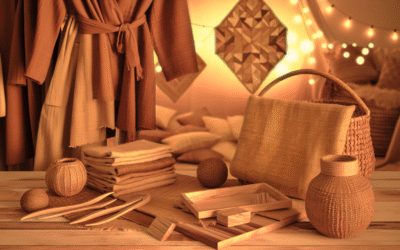
- Natural Wonders: Bringing the Outdoors In. Incorporate natural textures like wood, rattan, and houseplants. A light-colored wooden coffee table, a woven basket for storage, or some lush greenery in a pastel ceramic pot. These elements ground the space, adding an organic, earthy feel that beautifully complements the airiness of pastels. There’s something inherently calming about natural elements, and they bring life into your pastel palette.
And here’s a pro tip for you: don’t be afraid to layer textures. A smooth wooden floor with a textured rug, topped with a soft throw blanket on a plush sofa. Each layer adds a new dimension, building a rich tapestry of tactile experiences. It’s about creating an orchestra of senses, not just individual notes.
The Golden Rule of Proportion: Making Everything Feel Just Right
Now, let’s tackle proportion. This is often the unsung hero of good design. It’s about how different elements relate to each other in terms of size, scale, and placement. Without a good grasp of proportion, even the most beautiful colors and textures can fall flat, making a space feel either cluttered or sparse. Think of it like cooking: too much salt ruins the dish, too little leaves it bland. Proportion is that perfect seasoning.
A personal anecdote: I once saw a living room with the most stunning pastel artwork, truly gorgeous. But it was hung over a tiny, almost dollhouse-sized sofa. The whole thing felt off, you know? The scale was just wrong, and it detracted from both pieces. It’s a subtle thing, but it makes a huge difference.
- Scaling Up and Down: Finding the Right Fit. When working with pastels, especially in interior design, consider the size of your furniture relative to the room and to other pieces. A large, plush pastel sofa might need a substantial coffee table to balance it out, rather than a tiny, spindly one. Conversely, a delicate pastel accent chair might look lost next to an oversized recliner. It’s about achieving visual equilibrium, making sure nothing feels out of place or dwarfed.
- Playing with Height: Giving the Eye a Journey. Don’t make everything the same height! Vary the heights of your decor and furniture to create visual interest and lead the eye around the room. A tall, elegant floor lamp in a pale gold, a mid-height bookshelf with pastel-spined books, and a low-slung pastel ottoman. This variety prevents the space from looking static and boring. It’s like a landscape with hills and valleys, more engaging than a flat plain.
- Negative Space: The Unsung Hero. Sometimes, what you don’t put in a space is just as important as what you do. Negative space (the empty areas around and between objects) allows your pastel elements to breathe. Don’t overcrowd a room with too many pastel accessories. Let each piece have its moment to shine. A beautifully composed painting often has large areas of empty canvas around the subject; the same principle applies here. It’s not about filling every inch, but curating.
- Repetition with a Twist: Creating Cohesion. While you want variety, a touch of repetition in form or shape can create a cohesive feel. Perhaps a round pastel cushion mirrors the shape of a round pastel vase across the room. These subtle echoes tie the space together without being overly matchy-matchy. It adds a gentle rhythm, a quiet harmony.
Honestly, getting proportion right is often about trial and error. Don’t be afraid to move things around, step back, and really look at how the sizing and placement feel. Sometimes, just shifting a rug a few inches or swapping out a smaller lamp for a larger one can completely transform the vibe of a room. It’s a continuous edit, a playful adjustment until it just feels right.
Beyond Interiors: Pastels in Fashion and Everyday Life
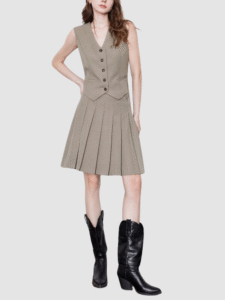
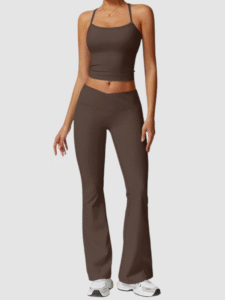
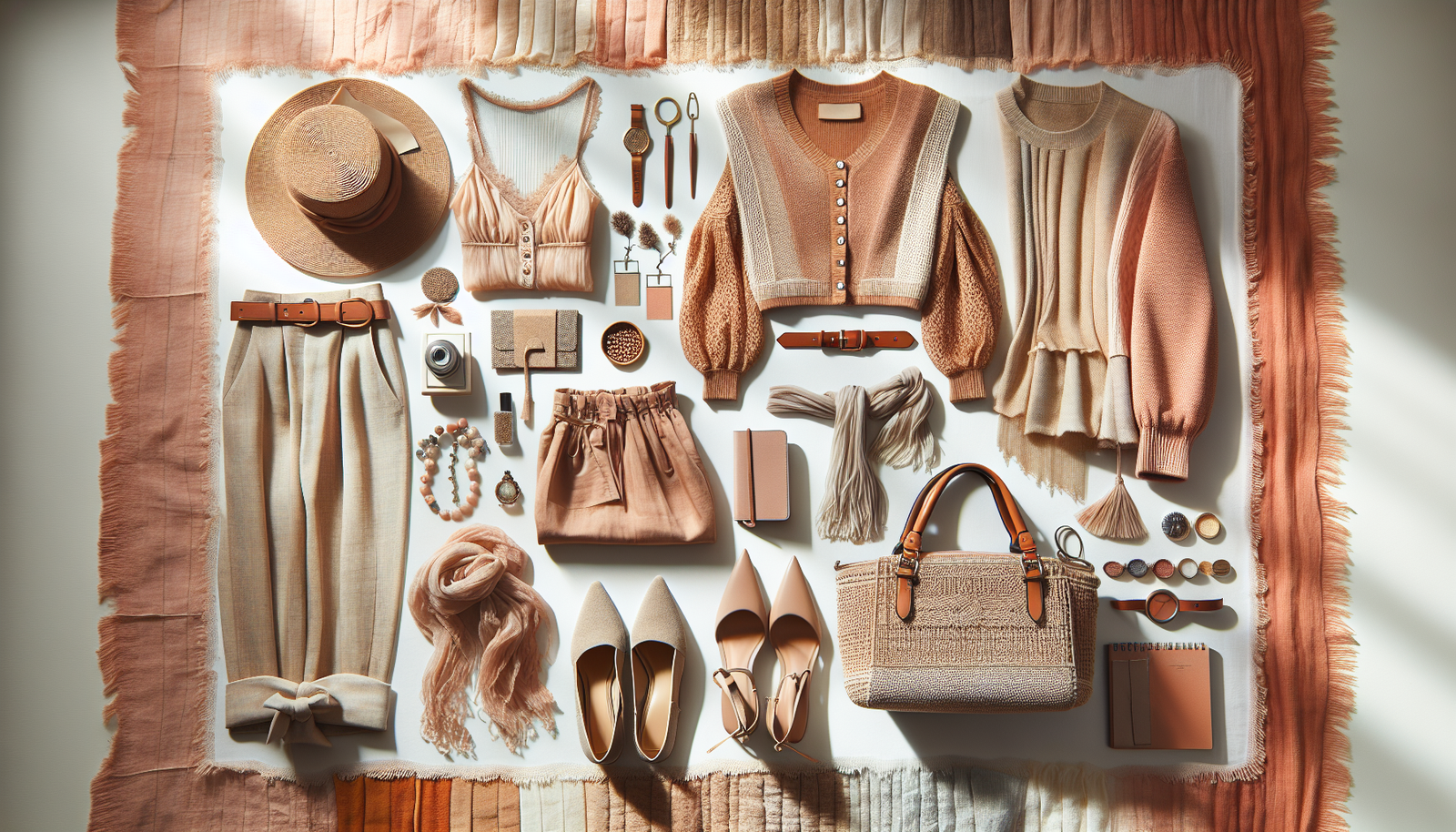
Now, while we’ve spent a lot of time talking about interiors, these principles of color, texture, and proportion aren’t just for your home. Oh no! They apply beautifully to fashion, graphic design, and even event planning. Think about it: a perfectly curated pastel outfit isn’t just about the color; it’s about the fabric choice (texture!) and how different pieces fit together (proportion!).
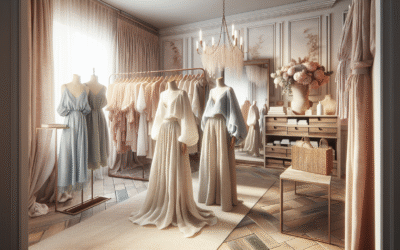
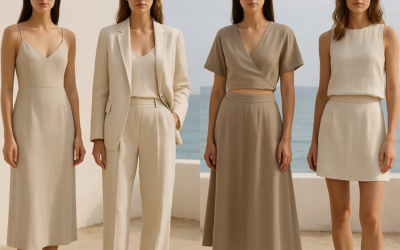
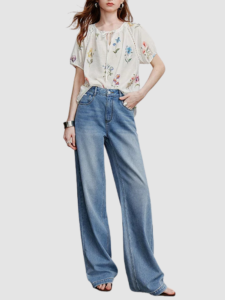
- Fashion Forward in Pastels. Remember that gorgeous runway look from a few seasons ago that featured a soft lavender silk blouse tucked into high-waisted mint green tailored trousers? The silk (smooth texture) juxtaposed with the structured wool of the trousers (refined texture), all balanced by the sharp lines of the tailoring (proportion). It wasn’t just pretty colors; it was an ensemble that spoke volumes. Or consider a chunky knit pastel sweater paired with distressed light-wash jeans – the rough denim works as a fantastic counterpoint to the softness of the knit. It’s about creating that visual narrative with your clothes.
- Branding with Soft Hues. Even brands are catching on. Many start-ups and wellness companies are using pastel palettes in their branding and websites because they evoke feelings of calm, approachability, and trustworthiness. It’s smart, really, because these colors communicate a certain ethos without saying a word. They understand the emotional resonance these colors carry.
- Pastels in the Kitchen. And hey, even your kitchen can get in on the action! Think about the surge in popularity of pastel-colored kitchen appliances – stand mixers, toasters, even refrigerators. It brings a touch of whimsy and personality to what can sometimes be a purely functional space. It’s all about creating joy in everyday moments, isn’t it?
It boils down to the same core ideas: understand your colors, layer those textures, and ensure everything sits just right in relation to each other. Once you get these principles, you’ll start seeing them everywhere, and you’ll wonder how you ever lived without them!
Common Pitfalls and How to Sidestep Them
Alright, so you’re armed with knowledge, buzzing with pastel possibilities. But before you go full speed ahead, let’s quickly touch on some of the easy traps folks fall into. Honestly, we all make mistakes, and learning from them (or better yet, avoiding them!) is part of the creative process. It’s like learning to ride a bike; you might wobble a bit at first, but with a few pointers, you’ll be cruising in no time.
- Too Much of a Good Thing: The Pastel Overload. As much as we love pastels, saturating every single surface and item in a space with them can become overwhelming rather than serene. It can make a room feel like a giant marshmallow – cute, but a bit much. Remember those neutrals and contrasting textures we talked about? They’re your best friends here. A pastel feature wall, yes! An entire room in neon pastel yellow, maybe not. It’s about careful curation.
- Ignoring Undertones: The “Something’s Off” Feeling. Pastels, like all colors, have undertones – hints of yellow, blue, or even gray that affect how they interact. A cool-toned lavender against a warm-toned peach might clash subtly if not handled carefully. Pay attention to whether your chosen pastels lean warm or cool, and try to build a cohesive palette with that in mind. It’s like mixing paint; a little bit of the wrong hue can throw everything off.
- Forgetting About Light: The Mood Killer. We briefly touched on this before, but it bears repeating. Natural and artificial light drastically change how pastels appear. A delicate mint green might look vibrant in a bright, south-facing room but turn dull in a north-facing, darker space. Always test colors in your specific environment and at different times of day to avoid disappointment. It’s like buying clothes; you wouldn’t just buy something based on how it looks on the hanger without trying it on in good lighting, right?
- Lack of Contrast: The Bland Zone. This goes back to texture and the occasional pop of unexpected color. If everything is soft and muted, the eye has nowhere to rest, nothing to spark interest. A pastel space needs moments of visual contrast – a darker wood tone, a sharper metallic accent, or a deeply textured piece – to keep it engaging and prevent it from becoming visually monotonous. It’s the visual equivalent of a flat song without dynamic range.
Just approach it all with an open mind and a willingness to experiment. The beauty of pastels is their forgiving nature; they’re much harder to mess up than, say, bold, saturated colors. So, play around, trust your gut, and enjoy the process of creating something truly beautiful.
Final Thoughts: Your Pastel Journey Awaits!
Alright, friends, we’ve covered a lot of ground today, haven’t we? From the subtle psychology of pastels to the nitty-gritty of balancing color, texture, and proportion, you’re now equipped with a whole playbook of ideas. Remember, the true magic of pastels lies in their ability to create a sense of calm, joy, and understated elegance. It’s not about being loud; it’s about being profoundly impactful in a gentle way.
Whether you’re revamping a room, putting together an outfit, or simply appreciating the beauty around you, keep these principles in mind. Trust your instincts, play with different combinations, and don’t be afraid to experiment. After all, design is a journey, not a destination. And with pastels, it’s a wonderfully dreamy journey at that! So, go forth and create something wonderfully soft, delightfully tactile, and perfectly proportioned. Your pastel masterpiece awaits!
FAQs: Your Pastel Playbook Questions Answered
Q: Can pastels work in a minimalist aesthetic?
A: Absolutely! In fact, pastels are fantastic for minimalism. Their inherent softness complements clean lines and uncluttered spaces beautifully. Choose a limited pastel palette, perhaps one or two shades alongside lots of white or light gray, and focus on simple forms and natural textures. Think a blush-pink linen throw on a minimalist white sofa, or a single sage green ceramic vase on a bare wooden shelf. It’s all about intentionality and allowing each piece to make a quiet statement.
Q: How do I keep pastels from looking too childish or saccharine?
A: Great question! The trick is to infuse sophistication. Avoid overly bright or primary pastels; opt for more muted, desaturated versions. Crucially, pair them with mature elements: rich textures like velvet, linen, or raw wood, metallic accents (brass, matte black), and structured shapes. A pastel pink paired with deep charcoal gray and a gleaming gold lamp, for example, feels instantly grown-up. Also, inject a bit of “edge” with something unexpected, like a modern art print or a geometric pattern, to prevent it from feeling overly sweet.
Q: What’s a good way to introduce pastels if I’m nervous about committing to a full pastel scheme?
A: Start small, friend! Think accent pieces. Throw pillows, a cozy blanket, a piece of art, a vase, or even a few books with pastel spines. These small touches allow you to test the waters without a big commitment. Another easy way is with fresh flowers – a bouquet of soft peonies or hydrangeas in pastel shades can instantly transform a space temporarily. You can always build up from there once you feel more comfortable.
Q: Are there any specific lighting considerations for pastel rooms?
A: Oh, definitely! Pastels are particularly sensitive to light. In rooms with cooler, north-facing light, warm-toned pastels (like peach or warm yellow) can prevent the space from feeling too cold. Conversely, in bright, south-facing rooms, cooler pastels (like mint or sky blue) can feel refreshingly serene. Always use warm white light bulbs (around 2700K-3000K) for artificial lighting; anything too cool can make pastels look stark, and anything too yellow can make them look dingy. Natural light is always king, so maximize it where you can!
Q: Can I mix different pastel shades in one room, or should I stick to one?
A: Mix away! Mixing different pastel shades is actually how you achieve that beautiful depth and interest we talked about. The trick is to ensure there’s a common thread – either a similar undertone (all warm or all cool pastels), or a balance of warm and cool with plenty of neutrals to ground them. Don’t be afraid to combine blush, mint, and sky blue, for instance, as long as you’ve got some grounding elements and varied textures to tie it all together. It’s all about creating visual harmony, not strict uniformity.
Q: What are some current trends in using pastels?
A: Right now, we’re seeing pastels used with a touch more earthiness. Think muted sage greens, dusty rose, and a gentle terracotta blush, often paired with natural wood tones, organic textures like linen, and even some darker, grounding colors like deep olive or charcoal. The “cottagecore” aesthetic often incorporates pastels in a whimsical, romantic way. We are also seeing pastels used in more sophisticated, architectural styles, giving a soft edge to modern minimalist designs. It’s less about cutesy, and more about nuanced elegance. You can check out Pantone’s seasonal color palettes for more current insights!
Disclaimer
The information provided in this article is for general informational purposes only and does not constitute professional design advice. While we strive to offer accurate and helpful insights, individual results may vary based on personal preferences, specific environments, and project requirements. Always consider consulting with a qualified design professional for personalized guidance on your projects.
Categories
- Activewear (160)
- Athletic Jackets (12)
- Comfortable Leggings (14)
- Cozy Joggers (15)
- Functional Sports Shorts (20)
- Stylish Tank Tops (20)
- Supportive Sports Bras (20)
- Yoga Pants (20)
- Yoga Tops (18)
- Bottoms (43)
- Classic Capris (4)
- Comfortable Leggings (4)
- Fashion Shorts (3)
- Skirts (12)
- Stylish Jeans (4)
- Stylish Overalls (4)
- Tailored Trousers (4)
- Unique Jumpsuits (4)
- Curved Fashion (73)
- Dresses (148)
- Boho Dresses (6)
- Casual Dresses (5)
- Cocktail Dresses (4)
- Evening Dresses (10)
- Floral Dresses (15)
- Little Black Dresses (6)
- Maxi Dresses (5)
- Midi Dresses (5)
- Plus-Size Dresses (5)
- Summer Dresses (5)
- Fashion Trends (82)
- Luxury & Designer Archive (94)
- Outfit Inspiration (73)
- Style Guides (67)
- Sustainable Fashion (66)
- Swimwear (122)
- Chic Cover-Ups (6)
- Maternity Swimwear (4)
- One-Piece Swimsuits (5)
- Plus-Size Swimwear (3)
- Stylish Bikinis (7)
- Swim Dresses (6)
- Swim Skirts (7)
- Trendy Tankinis (6)
- Tops (61)
- Button-Down Shirts (4)
- Casual T-Shirts (10)
- Comfortable Hoodies (6)
- Cozy Sweaters (5)
- Elegant Tunics (8)
- Feminine Blouses (8)
- Off-Shoulder Tops (5)
- Stylish Tank Tops (4)
- Trendy Crop Tops (6)
- Travel & Lifestyle Fashion (67)
- Trend Reports Archive (88)
- Workwear & Professional (72)