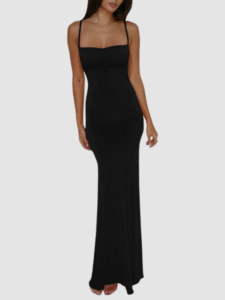

What to Wear When You Care: Eco-Friendly Women’s Fashion Brands
What to Wear When You Care: Your Guide to Eco-Friendly Women’s Fashion
Beyond the Buzzwords: What Does “Eco-Friendly Fashion” Really Mean?
You know, it feels like every other brand these days is slapping an “eco-friendly” sticker on their label, right? But honestly, what does that even *mean*? It’s not just about a pretty green leaf on a tag; it’s a whole shift in how we think about clothes, from the cotton field to the closet. We’re talking about a commitment to ethical production, minimal environmental impact, and a true respect for both people and the planet. It’s a big deal. This isn’t just a trend; it’s a movement. Fast fashion, with its cheap thrills and even cheaper labor, has really messed things up. Mountains of discarded clothes, polluted rivers from toxic dyes, workers barely making ends meet – it’s a grim picture. So, when we talk about eco-friendly fashion, we’re looking for brands that actively try to heal that damage, or at least stop contributing to it. Think materials that don’t harm the earth, processes that conserve water, and fair wages for everyone involved. It’s about choosing clothes that make you feel good, not just because they look good, but because they *do* good.
Why Bother? The Real Cost of Our Wardrobes (Spoiler Alert: It’s More Than Money)
Let’s get real for a second. That super cute, ridiculously cheap top you snagged last week? It probably came with a hidden price tag, one that our planet and vulnerable communities are paying. Think about it: conventional cotton growing uses a *ton* of pesticides and water. Polyester, while durable, is basically plastic and sheds microplastics into our oceans every time we wash it. And don’t even get me started on the human cost – factory workers in developing countries often labor in terrible conditions for next to nothing. It’s a sobering thought, isn’t it? Here’s the thing: our fashion choices have ripple effects. Every garment we buy, every trend we chase, contributes to a global system. Choosing eco-friendly isn’t just a personal preference; it’s a powerful statement. It tells brands that we demand better. It tells the world that we care about more than just the latest fad. It’s about aligning our values with our wardrobe, making sure what we wear reflects the kind of world we want to live in. And honestly, isn’t that a beautiful thing? You get to feel stylish *and* responsible. What’s not to love?
Decoding the Design: Sustainable Fabrics That’ll Make You Feel Good (Inside and Out)
Alright, so you’re bought into the idea. That’s fantastic! But now comes the nitty-gritty: how do you spot truly sustainable stuff? A big part of it comes down to the fabric. Not all materials are created equal, and knowing the difference can turn you into a savvy, planet-friendly shopper. It’s like becoming a detective for textiles! Let’s break down some of the superstars in the sustainable fabric world: * **Organic Cotton:** This is probably the most widely recognized one. Unlike conventional cotton, organic cotton is grown without harmful pesticides, synthetic fertilizers, or GMOs. Less pesticide means healthier soil, cleaner water, and safer working conditions for farmers. It feels soft, breathes well, and is just generally a better choice all around. When you see GOTS-certified organic cotton, you know it’s the real deal from cultivation to manufacturing. * **Linen:** Oh, linen! This isn’t just for fancy summer shirts anymore. Made from flax plants, linen requires significantly less water and pesticides to grow than cotton. Plus, the entire flax plant can be used, leaving little waste. It’s incredibly durable, breathable, and gets softer with every wash. A real workhorse, if you ask me. * **Tencel™ Lyocell and Modal:** These are fantastic semi-synthetic fibers made from sustainably sourced wood pulp, usually eucalyptus, birch, or beech. The magic here is the “closed-loop” production process, meaning almost all the water and solvents used are recycled and reused. This dramatically reduces waste and pollution. Tencel feels silky smooth, drapes beautifully, and is surprisingly strong. It’s like a luxury fabric that’s also incredibly kind to the environment. * **Recycled Materials (Polyester, Nylon, Cotton):** This is a game-changer! Imagine taking old plastic bottles, fishing nets, or even textile scraps and turning them into brand-new clothes. That’s what recycled materials do. Recycled polyester (rPET) reduces our reliance on virgin crude oil and keeps plastic out of landfills and oceans. Recycled nylon (ECONYL® is a great example) does the same for nylon waste. And recycled cotton saves water and prevents textile waste. It’s literally turning trash into treasure. * **Hemp:** Now, hemp is truly an underdog. It grows super fast, requires very little water and no pesticides, and enriches the soil it grows in. It’s incredibly strong, durable, and gets softer over time, much like linen. While it’s been a bit misunderstood historically, hemp is making a huge comeback in fashion, and for good reason! * **Innovative Materials (Pinatex, Mylo™):** The future is wild! We’re seeing amazing innovations like Pinatex, a leather alternative made from pineapple leaf fibers. And labs are even growing materials like Mylo™, which is mushroom-based ‘leather.’ These cutting-edge fabrics are pushing the boundaries of what’s possible, offering stylish, ethical alternatives to traditional, often problematic, materials. Choosing items made from these materials sends a clear signal: you value innovation and responsibility. It’s not just about feeling good in your clothes; it’s about feeling good about your choices.
More Than Materials: The Ethical Threads of Production
Okay, so we’ve talked fabrics, which is a huge piece of the puzzle. But sustainable fashion isn’t just about what your clothes are made of; it’s also profoundly about *how* they’re made and *who* makes them. This is where the ethical side of things really shines – or, unfortunately, sometimes fails. Think about the journey a piece of clothing takes from raw material to your wardrobe. There are countless hands involved, from farmers to weavers, dyers to seamstresses. If any part of that chain involves unfair wages, unsafe working conditions, or child labor, then no matter how organic the cotton, it’s not truly ethical, is it? This is why certifications like **Fair Trade** are so important. When you see a Fair Trade label, it means an independent third party has verified that a brand adheres to strict standards for workers’ rights, environmental protection, and sustainable livelihoods. It ensures things like fair wages, safe workplaces, and the absence of child labor. It’s empowering to know that your purchase helps support dignified work and strong communities. Then there’s the **supply chain transparency**. This is a big one. Truly ethical brands don’t hide where their clothes come from. They’ll often tell you about their factories, their workers, and their processes. They’re proud of their ethical practices and want you to know about them. This transparency builds trust and helps you make informed decisions. Brands that are cagey about their supply chain? That’s usually a red flag. Let’s not forget about **water conservation and waste reduction**. Dyeing textiles can be incredibly water-intensive and polluting. Sustainable brands often use innovative dyeing techniques that require less water or non-toxic dyes. They also focus on minimizing waste throughout production, perhaps by reusing fabric scraps or designing clothes that generate less waste. Some even embrace a “circular fashion” model, designing products with their end-of-life in mind, aiming to keep materials in use for as long as possible. It’s all about making sure we’re not just taking from the planet, but also giving back, or at least treading lightly.
Meet the Game Changers: Eco-Friendly Women’s Fashion Brands You’ll Adore
Alright, enough theory! Let’s get to the good stuff – the brands that are actually doing it right. These aren’t just companies; they’re visionaries, crafting beautiful clothes with a conscience. They prove that you don’t have to sacrifice style for sustainability. In fact, many of them offer truly unique and stunning pieces you won’t find on the fast-fashion racks. Here are some of my absolute favorites, brands that consistently impress with their commitment to both ethics and aesthetics: * **Patagonia:** Okay, so maybe you think of them for outdoor gear, but Patagonia is a sustainability pioneer across the board. Their women’s line includes everything from cozy fleeces made from recycled polyester to practical yet stylish casual wear. They’re legendary for their commitment to repairing clothes, using recycled materials, and their deep-rooted environmental activism. Honestly, if you want a brand that walks the talk, Patagonia is it. They even have Worn Wear, a program for buying and selling used Patagonia gear, which epitomizes circularity. * **Reformation:** If you’re looking for chic, effortless style with a vintage vibe, Reformation is your go-to. They are all about sustainable practices, using eco-friendly materials like Tencel, organic cotton, and recycled fabrics. Each product page even shows you the environmental savings for that particular garment – how cool is that? Their dresses are particularly swoon-worthy, often made in their Los Angeles factory where they invest heavily in fair wages and working conditions. They make being green look incredibly good. * **Eileen Fisher:** For timeless, elegant pieces that scream quality and comfort, Eileen Fisher is a master. They’ve been on the sustainable path for decades, focusing on ethical sourcing, organic fibers, and responsible dyeing processes. Their circular initiatives, like the Renew program where they take back old Eileen Fisher clothes for resale or recycling, are truly inspiring. It’s an investment, yes, but these are pieces designed to last a lifetime, cutting down on consumption. * **Girlfriend Collective:** Activewear, but make it ethical and incredibly stylish! Girlfriend Collective makes beautiful leggings, bras, and activewear from recycled plastic bottles. Their process is transparent, their colors are divine, and their commitment to inclusivity (offering a wide range of sizes and diverse models) is truly refreshing. They even recycle old Girlfriend Collective textiles back into new products. It’s fitness fashion that makes you feel strong and good about your environmental impact. * **Tentree:** As the name suggests, for every item purchased, Tentree plants ten trees. How amazing is that for a tangible impact? They focus on comfortable, casual wear – think super soft hoodies, tees, and loungewear made from sustainable materials like organic cotton, Tencel, and recycled polyester. They’re all about making a positive impact on the planet, one tree and one garment at a time. Their clothes are perfect for everyday adventure and comfort. * **Harvest & Mill:** This brand focuses on something truly special: US-grown, US-manufactured organic cotton clothing that’s undyed. Yep, you heard that right – undyed. Their approach significantly reduces water usage and eliminates harmful chemicals associated with conventional dyeing. Their simple, classic styles are incredibly comfortable and pure, embodying minimalism and true sustainability. It’s a testament to how beautiful simplicity can be. * **Kotn:** For super soft, luxurious basics made from ethically sourced Egyptian cotton, Kotn is a gem. They work directly with cotton farmers in Egypt, ensuring fair wages and helping to revive the country’s once-thriving cotton industry. Their supply chain is incredibly transparent, and they prioritize community development, building schools in the areas where their cotton is grown. When you wear Kotn, you’re wearing comfort and making a real difference. These brands aren’t just selling clothes; they’re selling a vision. A vision where fashion can be beautiful, responsible, and empowering. By supporting them, you’re part of that vision, helping to shape a more conscious industry.
Navigating the Greenwash: How to Spot a Truly Ethical Brand (and Avoid the Fakes)
Okay, so you’ve got your list of amazing brands, but let’s be honest, the world is full of sneaky marketing. “Greenwashing” is a real thing, where companies try to make themselves look more eco-friendly than they actually are. It’s like putting lipstick on a pig and calling it a supermodel. We don’t want to fall for that! So, how do you become a super-sleuth for genuine sustainability? Here are some trusty tips to help you cut through the fluff: * **Look for Certifications:** These are your best friends! Organizations like GOTS (Global Organic Textile Standard), Fair Trade Certified, OEKO-TEX Standard 100, and bluesign® are independent third parties that verify claims. If a product has these labels, it means it’s been rigorously checked for environmental and/or social standards. It’s like a stamp of approval you can trust. * **Transparency is Key:** Does the brand tell you where their materials come from? Do they share details about their factories and workers? The more information they provide, the better. Brands that are truly committed to sustainability have nothing to hide. Red flags often pop up when brands are vague or use flowery language without concrete details. * **Specificity, Not Generality:** Beware of vague terms like “eco-friendly,” “natural,” or “sustainable” without further explanation. What *kind* of eco-friendly? Organic? Recycled? If they just say “natural,” does that mean it’s chemically treated wood pulp or genuinely raw fiber? Specifics indicate genuine effort; generalities often hide a lack of it. * **Check Their “About Us” or “Sustainability” Page:** A reputable brand will have a detailed section on their website outlining their environmental and social initiatives. They’ll talk about their goals, their progress, and their challenges. It won’t be a perfect, glossy picture, because genuine sustainability is an ongoing journey, not a destination. * **Read Reviews and Independent Articles:** Don’t just take their word for it. What are others saying? Are there independent journalists or non-profits that have reviewed the brand’s practices? Sites like Good On You (goodonyou.eco) offer ratings and detailed analyses of brands’ ethical and environmental performance. It’s a fantastic resource! * **Consider the Price (Sometimes):** While not always a rule, truly sustainable and ethically made clothing often costs a bit more. This is because fair wages are paid, higher quality materials are used, and production processes are more responsible. If a brand claims to be sustainable but its prices are suspiciously low (fast-fashion low), it’s worth being skeptical. Quality, ethics, and sustainability typically come with a justifiable price tag. It’s an investment, really – an investment in better quality, longer-lasting clothes, and a better world. It takes a little effort, yes, but think of it as empowering yourself. You become a smarter consumer, capable of making choices that genuinely align with your values. And honestly, isn’t that a great feeling?
Beyond Buying: Embracing the Circular Wardrobe (Repair, Re-wear, Recycle)
We’ve talked about what to buy, which is a fantastic first step. But let’s broaden our perspective a bit, shall we? Because true sustainable fashion isn’t just about the initial purchase; it’s about a whole new relationship with our clothes. It’s about shifting from a linear “take-make-dispose” model to a beautiful, continuous “circular” one. This means falling in love with what you already own, giving old pieces new life, and making sure nothing goes to waste. It’s surprisingly liberating! * **Repair, Don’t Replace:** Got a snag? A lost button? A small tear? Don’t toss it! Learn some basic mending skills (YouTube is a treasure trove of tutorials!), or find a local tailor. Extending the life of an item, even by just a few months, significantly reduces its environmental impact. Patagonia, for instance, offers fantastic repair services, encouraging us to fix things rather than constantly buying new. It actually feels pretty great to mend something and bring it back from the brink, you know? * **Re-wear and Re-style:** We often feel pressured to constantly have new outfits, but that’s a fast-fashion myth. Get creative with what’s in your closet! Mix and match. Layer differently. Add accessories. A simple scarf or a different belt can utterly transform an outfit. Challenge yourself: how many different ways can you wear that one dress? You might be surprised. The “30 Wears Test” is a great mental exercise – if you won’t wear something at least 30 times, maybe reconsider buying it. * **Embrace Secondhand:** This is one of the most powerful ways to be sustainable! Thrifting, consignment stores, online marketplaces like Poshmark or Depop, and even clothing swaps with friends are incredible resources. You can find unique, high-quality pieces, often at a fraction of the original price, and you’re keeping clothes out of landfills. It’s like a treasure hunt for your wardrobe! Shopping secondhand prevents the need for new production, saving resources and reducing pollution. * **Recycle (Responsibly!):** When an item truly reaches the end of its wearable life – like, really, really end, beyond repair – don’t just throw it in the trash. Many textile recycling programs exist, from store drop-offs (H&M, for example, has collection bins) to municipal initiatives. These textiles can often be shredded and used for insulation, wiping cloths, or even new fibers. Just make sure it’s clean and dry! * **Rent or Borrow:** For special occasions, consider renting a dress or an outfit instead of buying something you’ll only wear once. Services like Rent the Runway offer a fantastic way to enjoy high-fashion pieces without the commitment or environmental guilt. Or, even simpler, borrow from a friend! It’s a fun, social way to refresh your look. Adopting a circular mindset changes everything. It’s not about deprivation; it’s about appreciation. It’s about valuing craftsmanship, extending usefulness, and finding joy in creativity and resourcefulness. It’s a more mindful, more sustainable, and dare I say, more *satisfying* way to engage with fashion.
Your Style, Your Statement: Making a Difference, One Outfit at a Time
So, here we are, at the end of our little journey through the world of eco-friendly fashion. And what have we learned? That your clothes can be so much more than just fabric and trends. They can be a reflection of your values, a statement of your commitment, and a powerful tool for change. Choosing eco-friendly women’s fashion brands isn’t about being perfect; it’s about making conscious choices. It’s about asking questions, seeking transparency, and supporting brands that are genuinely trying to do good. It’s about appreciating the journey a garment takes, from the earth to your body, and understanding the impact at each step. Every time you choose organic cotton over conventional, every time you repair a beloved sweater, every time you pick up a secondhand gem, you are casting a vote for a better future. You’re telling the fashion industry, and indeed the world, that sustainability, ethics, and care matter. And honestly, that’s not just dressing well. That’s living well. That’s dressing with purpose. And you, my friend, are absolutely rocking it. So go on, wear your values, wear your heart on your sleeve, and know that your choices are making a tangible difference. It’s a wonderful feeling, isn’t it?
FAQ: Your Eco-Fashion Questions, Answered!
Often, yes, but not always! Sustainable materials, ethical labor practices, and conscious production methods usually come with a higher initial price tag. However, these clothes are often higher quality and designed to last much longer, reducing the need for frequent replacements. Think of it as an investment in durability and value.
Look for specific certifications like GOTS, Fair Trade, or bluesign. Transparency is key: genuine brands will share details about their supply chain, materials, and ethical practices on their website. Vague terms without evidence are red flags. Tools like Good On You can also help assess a brand’s sustainability ratings.
Top choices include organic cotton, linen, Tencel™ Lyocell and Modal (made from sustainable wood pulp with closed-loop processes), recycled materials (like recycled polyester or nylon), and hemp. These materials generally require fewer resources and cause less pollution than conventional alternatives.
Embrace the “circular wardrobe!” Repair clothes when they tear, re-wear and re-style what you already own, shop secondhand at thrift stores or online marketplaces, and responsibly recycle textiles that are beyond repair. Consider renting outfits for special occasions too!
Absolutely! Key certifications include GOTS (Global Organic Textile Standard) for organic fibers, Fair Trade Certified for ethical labor, OEKO-TEX Standard 100 for absence of harmful substances, and bluesign® for environmental impact in manufacturing. These are fantastic indicators of a brand’s commitment.
Not necessarily. While vegan fashion avoids animal products, some synthetic alternatives (like conventional pleather made from PVC or PU) can still have significant environmental impacts due to their reliance on fossil fuels and chemical processes. Look for vegan materials made from innovative, plant-based, or recycled sources for truly eco-conscious choices.
Disclaimer
Categories
- Activewear (160)
- Athletic Jackets (12)
- Comfortable Leggings (14)
- Cozy Joggers (15)
- Functional Sports Shorts (20)
- Stylish Tank Tops (20)
- Supportive Sports Bras (20)
- Yoga Pants (20)
- Yoga Tops (18)
- Bottoms (43)
- Classic Capris (4)
- Comfortable Leggings (4)
- Fashion Shorts (3)
- Skirts (12)
- Stylish Jeans (4)
- Stylish Overalls (4)
- Tailored Trousers (4)
- Unique Jumpsuits (4)
- Curved Fashion (73)
- Dresses (148)
- Boho Dresses (6)
- Casual Dresses (5)
- Cocktail Dresses (4)
- Evening Dresses (10)
- Floral Dresses (15)
- Little Black Dresses (6)
- Maxi Dresses (5)
- Midi Dresses (5)
- Plus-Size Dresses (5)
- Summer Dresses (5)
- Fashion Trends (82)
- Luxury & Designer Archive (94)
- Outfit Inspiration (73)
- Style Guides (67)
- Sustainable Fashion (66)
- Swimwear (122)
- Chic Cover-Ups (6)
- Maternity Swimwear (4)
- One-Piece Swimsuits (5)
- Plus-Size Swimwear (3)
- Stylish Bikinis (7)
- Swim Dresses (6)
- Swim Skirts (7)
- Trendy Tankinis (6)
- Tops (61)
- Button-Down Shirts (4)
- Casual T-Shirts (10)
- Comfortable Hoodies (6)
- Cozy Sweaters (5)
- Elegant Tunics (8)
- Feminine Blouses (8)
- Off-Shoulder Tops (5)
- Stylish Tank Tops (4)
- Trendy Crop Tops (6)
- Travel & Lifestyle Fashion (67)
- Trend Reports Archive (88)
- Workwear & Professional (72)