Code Red (or Black, or Blue): Unlocking the World of Limited Drop Shoes
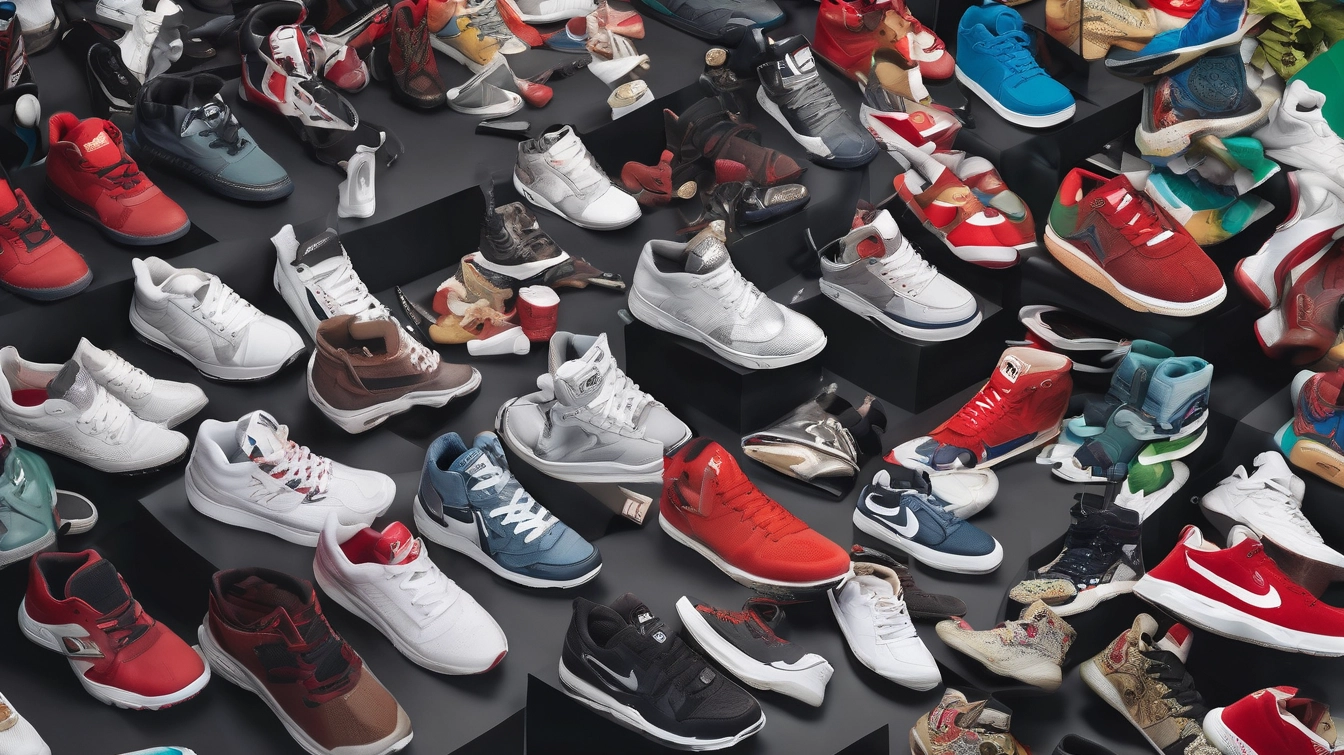
You ever find yourself scrolling through your feed, minding your own business, and then BAM!—a sneaker drops? Not just any sneaker, mind you, but *the* sneaker. The one that’s been hyped for weeks, maybe months, the one everyone’s been talking about. Suddenly, your casual browsing turns into a full-blown mission, a frantic race against the clock and thousands of other hopefuls. That, my friend, is the intoxicating, often maddening, world of limited drop shoes. It’s a phenomenon that’s reshaped fashion, fueled a subculture, and, let’s be honest, probably given more than a few of us prematurely gray hairs.
So, What’s the Big Deal with “Limited Drops”?
It’s more than just scarcity; it’s a masterclass in desire.
Honestly, you might be wondering, “Why all the fuss over a pair of shoes?” And I get it. To an outsider, it probably seems a bit mad, this obsession with what are essentially glorified foot coverings. But here’s the thing: limited drops aren’t just about the shoes themselves. They’re about the hunt, the exclusivity, the story behind them, and the feeling of snagging something truly special. It’s like finding a rare comic book or an elusive vinyl record – it’s a badge of honor, a testament to your dedication. Think about it: a regular shoe, you walk into a store, buy it, done. A limited drop? That’s a whole different ballgame. It’s a strategic release, often with very little stock available, making each pair feel like a treasure. Call it planned obsolescence for hypebeasts, or brilliant marketing, but it works.
The Anatomy of a Release: It’s Not Just About Clicking “Buy”
There’s a whole ecosystem at play here, folks.
When we talk about limited drops, we’re not just talking about a simple product launch. Oh no, that’s far too pedestrian. This is a carefully orchestrated event, a symphony of marketing, manufacturing, and distribution designed to ignite demand. Sneaker brands, often in collaboration with designers, artists, or even other brands, tease these drops for weeks. They’ll release snippets of images, cryptic countdowns, and behind-the-scenes glimpses that get the community buzzing. This isn’t accidental; it’s a psychological tactic to build anticipation to a fever pitch. By the time the release day arrives, thousands, sometimes millions, of people are primed and ready, fingers hovering over their keyboards. It’s like a digital version of those old Black Friday queues, but amplified by the internet’s sheer scale. And the tools? We’re talking sophisticated bots, online queues, raffles, and even in-store lotteries. It’s a full-on arms race to acquire these coveted items.
From Humble Beginnings to Hype Culture: A Brief History Lesson
It wasn’t always this wild, you know.
To truly appreciate the insanity of today’s limited drops, we need to rewind a bit. Back in the day, special editions weren’t quite the same beast. Sure, there were limited-edition sneakers, but they were often tied to specific events, athletes, or anniversaries, and the demand, while present, wasn’t this frenetic, global phenomenon. The shift really began to gain momentum in the early 2000s, with brands like Nike leading the charge with their SB Dunk collaborations. These releases, often with skate shops and artists, created a blueprint for exclusivity. Then social media exploded, giving collectors a platform to show off their finds and fueling a new level of “fear of missing out” (FOMO). Suddenly, what started as a niche hobby for a few dedicated enthusiasts became a mainstream cultural touchstone. It’s fascinating how technology can accelerate and transform a market, isn’t it?
The Psychology of Scarcity: Why We Want What We Can’t Easily Have
It’s hardwired into us, this need for the rare.
Psychology plays a huge role in the success of limited drops. It’s not just about the design or the brand name; it’s about scarcity. Humans are inherently drawn to things that are rare or difficult to obtain. It makes us feel special, unique, like we’re part of an exclusive club. When you see a “limited edition” tag, it triggers something in our brains, signaling that this is an opportunity that may not come again. This isn’t just about sneakers, either; it applies to everything from art to collectible toys to luxury cars. When something is readily available, we tend to value it less. But when it’s just out of reach, or only a few exist, its perceived value skyrockets. Brands harness this understanding brilliantly, creating an artificial scarcity that drives demand through the roof. It’s a clever trick, and honestly, we fall for it every time, don’t we?
The Resale Market: Where Hype Meets Hard Cash
This is where things get really interesting, and sometimes, a little controversial.
Once a limited drop sells out in minutes – which it almost always does – a whole new market springs to life: the resale market. This is where those coveted shoes, often purchased at retail price, are flipped for sometimes astronomical sums. Platforms like StockX and GOAT have essentially formalized this secondary market, acting as authenticators and middlemen. For some, the resale market is a goldmine, a way to turn a quick profit. For others, it’s a frustrating barrier, making it nearly impossible for genuine enthusiasts to get their hands on a pair without paying exorbitant prices. You know, it’s a bit of a double-edged sword. While it certainly adds to the hype and financial allure for some, it also pushes the original intent of many collaborations towards pure monetary gain rather than artistic expression or community building. It begs the question: is it still about the love of the shoe, or just the potential ROI? It’s a constant debate within the community, and there’s no easy answer.
Bots, Raffles, and the Race Against Time: The Battle for the ‘W’
Trying to cop a limited drop? You better have your game face on.
So, you’ve set your alarms, cleared your schedule, and maybe even said a little prayer to the sneaker gods. Release day is here. What happens next is often a blur of refresh buttons, CAPTCHA tests, and agonizing “add to cart” failures. Many major releases employ online raffles, where you enter your details and hope the digital lottery gods smile upon you. Then there are the notorious online drops, often on brand websites, where speed is absolutely everything. This is where the battle against bots comes in. “Bots,” short for robots, are automated software programs designed to snatch up shoes faster than any human ever could. They’re a massive pain point for genuine buyers, making the already difficult task of securing a pair even harder. Brands are constantly trying to combat them, but it’s an ongoing cat-and-mouse game. It seriously feels like a digital Thunderdome out there sometimes, doesn’t it? The feeling of getting a “W” (a win) is euphoric, but experiencing an “L” (a loss) is a stinging reminder of the fierce competition.
Collaborations: The Secret Sauce of Hype
It’s not just about a shoe; it’s about a story, a connection.
One of the biggest drivers of limited drop frenzy is collaboration. Think about it: when a brand like Nike teams up with a powerhouse like Travis Scott, or when Adidas works with a luxury fashion house, it creates a cultural earthquake. These aren’t just two names smushed together; they’re often thoughtfully crafted partnerships that merge different aesthetics, fan bases, and narratives. The result? A product that transcends its individual components, becoming something greater than the sum of its parts. Collaborations leverage existing brand loyalty and introduce new audiences to both parties. They create a buzz that a single brand release often can’t achieve on its own. It’s a smart strategy, really, because it taps into multiple communities and doubles the excitement. It’s like when your favorite band does a song with another artist you admire—there’s an instant curiosity and a heightened sense of specialness, isn’t there?
The Impact on Fashion and Culture: Beyond Just Footwear
Limited drops aren’t just changing how we buy shoes; they’re changing everything.
You might think this whole sneaker thing is just a niche hobby, but honestly, its influence stretches far beyond the realm of footwear. Limited drops have fundamentally reshaped consumer culture, influencing how brands across various industries approach marketing, product releases, and brand building. Fast fashion, believe it or not, has taken cues from the quick turnover and limited availability model, albeit with entirely different production ethics. The “drop” model has seeped into everything from makeup to gaming consoles, demonstrating a widespread adoption of this scarcity-driven demand. Moreover, sneakers have moved from being purely functional items to genuine cultural artifacts, sparking discussions about art, design, race, and economics. They’ve become status symbols, conversation starters, and an integral part of modern identity for many. It’s wild to think a pair of shoes can carry so much weight, but they truly do.
Caring for Your Grail: Preservation and Display
Once you’ve got ’em, you gotta look after ’em, right?
So, you’ve managed to snag that elusive pair, your “grail.” Now what? For many, especially those who view these shoes as investments or pieces of art, preservation is key. We’re talking specialized cleaning kits, moisture-wicking packets, plastic wraps, and sometimes even display cases. It’s not just about wearing them; it’s about maintaining their condition, which directly impacts their long-term value, both monetary and sentimental. You wouldn’t leave a valuable painting exposed to the elements, would you? The same goes for these sneakers. Some collectors display them in elaborate setups, often with custom lighting, turning their shoe collection into a personal gallery. It’s a testament to the emotional attachment and perceived worth that these items hold. It might seem excessive to some, but for those who understand, it’s all part of the commitment.
The Future of the Drop: What’s Next for Sneaker Culture?
The landscape is always shifting, and it’s exciting to imagine what’s coming.
What does the future hold for limited drop shoes? That’s the million-dollar question, isn’t it? We’re seeing brands constantly innovating, trying new approaches to combat bots, enhance the customer experience, and maintain hype. We might see more personalized releases, perhaps leveraging data to offer specific drops to loyal customers. There could be an increased focus on sustainability within the limited edition sphere, with brands exploring recycled materials or more eco-conscious manufacturing. Augmented reality (AR) and virtual reality (VR) could play a bigger role in how we “experience” drops, blurring the lines between the digital and physical. And honestly, with the way Web3 and NFTs are developing, it’s not a stretch to imagine digital sneakers or authenticated ownership certificates becoming part of the mix. The core desire for exclusivity and connection will likely remain, but how brands fulfill that desire is constantly evolving. It’s a dynamic world, and it keeps us on our toes, literally.
The Good, the Bad, and the Ugly: A Balanced View
Like anything popular, it’s got its ups and downs.
Let’s be real, this whole limited drop phenomenon isn’t without its downsides. On the one hand, it fosters incredible community engagement, fuels creativity, and gives passionate individuals a platform for expression and even financial gain. It’s exciting, a thrill, a challenge to overcome. On the flip side? The rampant botting, the sometimes-unaffordable resale prices, and the sheer frustration of consistently taking “L”s can be incredibly disheartening. It often feels exclusionary, prioritizing those with the fastest internet, the most money, or the best bot setup. There’s also the environmental impact of rapid production and consumption to consider. But here’s the interesting paradox: despite these challenges, the allure remains incredibly strong. It highlights the complex relationship we have with consumerism, desire, and digital culture. It’s complicated, messy, and absolutely fascinating.
So, Is It All Worth It? A Personal Reflection
That’s a question only you can answer, isn’t it?
After all this talk about hype, bots, and the chase, you might be asking yourself, “Is it really worth all the effort?” And honestly, that’s a deeply personal question. For some, the thrill of the hunt, the satisfaction of a “W,” and the pride of owning a rare piece of footwear is absolutely worth it. It’s a hobby, a passion, a way to connect with a global community. For others, the frustration and expense might outweigh the benefits. Maybe it’s about the feeling of being part of something larger, a shared cultural moment. Or perhaps it’s simply a love for innovative design and storytelling. There’s no right or wrong answer here. But whether you’re an avid collector or just an interested observer, one thing is clear: the world of limited drop shoes isn’t going anywhere anytime soon. It’s a vibrant, ever-evolving landscape that continues to push boundaries and capture imaginations. So, next time you see a “Code Red” drop approaching, you’ll know exactly what’s brewing beneath that exciting surface. Will you join the chase? Only time will tell.
Frequently Asked Questions About Limited Drop Shoes
Disclaimer
The information provided in this article is for general informational purposes only and does not constitute financial, investment, or purchasing advice. The resale market for limited drop shoes can be highly volatile, and prices are subject to change. Readers should conduct their own research and exercise caution when participating in product drops or engaging in secondary market transactions. We do not endorse any specific bots or tactics for acquiring limited edition products.
Categories
- Activewear (160)
- Athletic Jackets (12)
- Comfortable Leggings (14)
- Cozy Joggers (15)
- Functional Sports Shorts (20)
- Stylish Tank Tops (20)
- Supportive Sports Bras (20)
- Yoga Pants (20)
- Yoga Tops (18)
- Bottoms (43)
- Classic Capris (4)
- Comfortable Leggings (4)
- Fashion Shorts (3)
- Skirts (12)
- Stylish Jeans (4)
- Stylish Overalls (4)
- Tailored Trousers (4)
- Unique Jumpsuits (4)
- Curved Fashion (73)
- Dresses (148)
- Boho Dresses (6)
- Casual Dresses (5)
- Cocktail Dresses (4)
- Evening Dresses (10)
- Floral Dresses (15)
- Little Black Dresses (6)
- Maxi Dresses (5)
- Midi Dresses (5)
- Plus-Size Dresses (5)
- Summer Dresses (5)
- Fashion Trends (82)
- Luxury & Designer Archive (94)
- Outfit Inspiration (73)
- Style Guides (67)
- Sustainable Fashion (66)
- Swimwear (122)
- Chic Cover-Ups (6)
- Maternity Swimwear (4)
- One-Piece Swimsuits (5)
- Plus-Size Swimwear (3)
- Stylish Bikinis (7)
- Swim Dresses (6)
- Swim Skirts (7)
- Trendy Tankinis (6)
- Tops (61)
- Button-Down Shirts (4)
- Casual T-Shirts (10)
- Comfortable Hoodies (6)
- Cozy Sweaters (5)
- Elegant Tunics (8)
- Feminine Blouses (8)
- Off-Shoulder Tops (5)
- Stylish Tank Tops (4)
- Trendy Crop Tops (6)
- Travel & Lifestyle Fashion (67)
- Trend Reports Archive (88)
- Workwear & Professional (72)