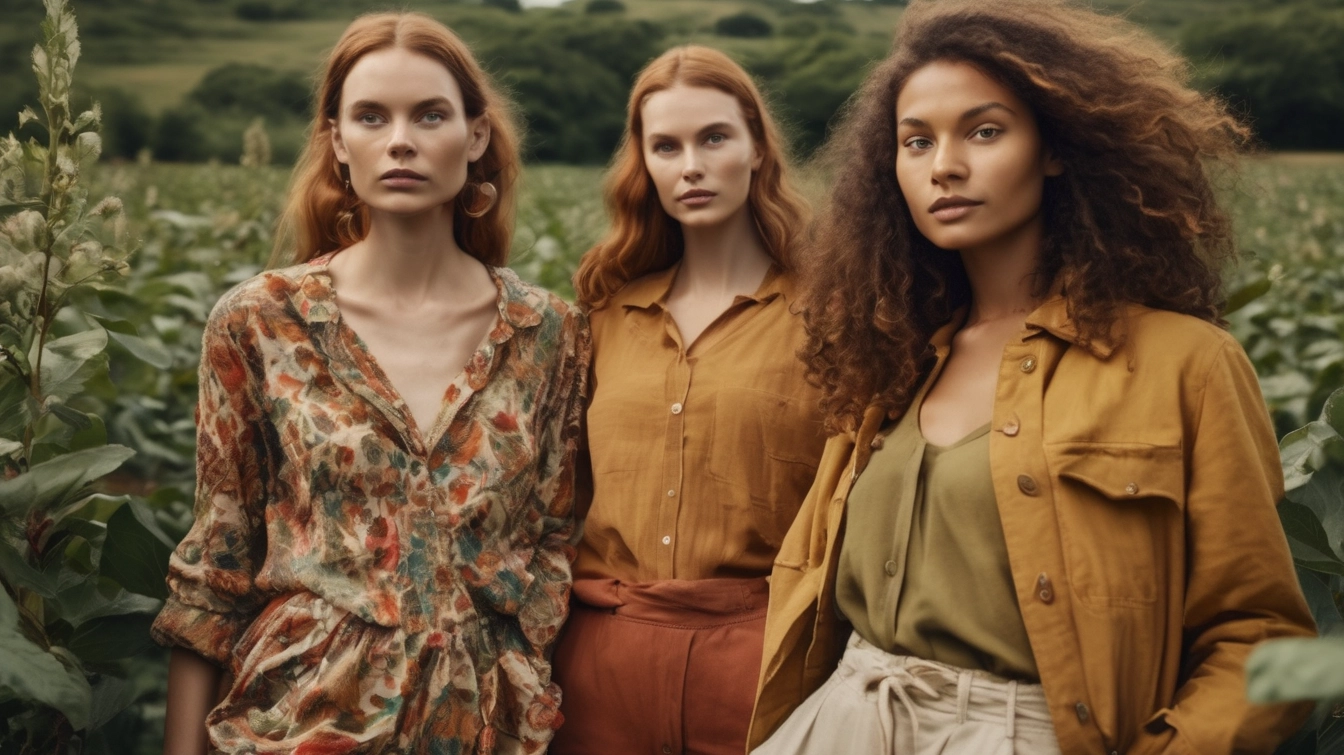
Hey there! Ready to revamp your wardrobe with pieces that are not only stylish but also kind to our planet? You’ve come to the right place. Let’s face it, the fashion industry has a pretty significant environmental footprint. But, good news! There are tons of amazing brands out there working hard to do things differently. This guide will walk you through some of the best sustainable women’s clothing brands, what makes them special, and how you can make more eco-conscious choices when you shop.
Why Sustainable Fashion Matters (Like, Really Matters)
So, why should you even care about sustainable fashion? Well, honestly, the fast fashion industry—you know, those trendy clothes that are super cheap and then fall apart after a few washes—has some serious downsides. We’re talking about pollution, unethical labor practices, and mountains of textile waste. It’s a whole thing.
Fast fashion’s impact is huge. Think about it: mass production, tons of water used, and dyes that can pollute rivers. Workers are often underpaid and work in unsafe conditions. And then, bam, your cute top ends up in a landfill after just a few wears. It’s a cycle we need to break, and switching to sustainable brands is a great way to start.
What Makes a Brand “Sustainable,” Anyway?
Okay, so what does “sustainable” even mean when we’re talking about clothing? Good question! Here’s a rundown of key factors:
- Eco-Friendly Materials: Think organic cotton, recycled fabrics (like from plastic bottles!), and innovative materials like Tencel or hemp.
- Ethical Production: Fair wages, safe working conditions, and respect for workers’ rights.
- Transparency: Brands that are open about their supply chain and manufacturing processes. No secrets here!
- Lower Waste: Using techniques like zero-waste design, upcycling, and offering repair services.
- Durability: Clothes that are made to last, not fall apart after a few wears. Quality over quantity, always.
Top Sustainable Women’s Clothing Brands You’ll Love
Alright, let’s get to the good stuff: some fantastic brands that are making a real difference. Get ready to discover some new favorites!
1. Patagonia: For the Outdoor Enthusiast (and Everyone Else)
Patagonia isn’t just a brand; it’s a lifestyle. Known for its commitment to environmental activism and durable outdoor gear, Patagonia uses recycled materials extensively and has a take-back program where you can recycle your old gear. They also donate a percentage of their sales to environmental causes. They’re practically shouting, “We love the planet!”
They’re not just about hiking gear, either. Patagonia offers a range of stylish and versatile clothing that you can wear every day. And their Ironclad Guarantee? It’s legendary. Seriously, if you’re looking for quality clothes that will last and a company that puts its money where its mouth is, Patagonia is a solid choice.
2. Eileen Fisher: Timeless Style, Sustainable Practices
Eileen Fisher has been a pioneer in sustainable fashion for decades. They’re all about creating classic, timeless pieces that you can wear for years. Their Renew program takes back used Eileen Fisher clothing and resells or recycles it—pretty neat, right?
Plus, they’re committed to ethical production and fair labor practices. Their clothes are simple, elegant, and designed to be mixed and matched. If you’re building a capsule wardrobe or just appreciate understated style, Eileen Fisher is definitely worth checking out.
3. People Tree: Fair Trade Fashion at Its Finest
People Tree is a fair trade fashion brand that works directly with artisans and farmers in developing countries. They use organic cotton and natural dyes, and they’re all about empowering communities through sustainable employment. Their designs are colorful, unique, and ethically made.
You know what? Supporting People Tree is like giving a hug to the planet and helping people at the same time. If you love clothes with a story and want to make a positive impact with your purchases, give them a look.
4. Reformation: Trendy and Transparent
Reformation is all about making sustainable fashion cool and trendy. They use sustainable materials, track their environmental impact, and are super transparent about their supply chain. Their clothes are stylish, flattering, and perfect for the modern woman.
They even have a RefScale that shows the environmental footprint of each garment. How cool is that? Reformation proves that you don’t have to sacrifice style to be sustainable. Now, that’s something to get excited about!
5. ABLE: Empowering Women Through Fashion
ABLE is a brand that focuses on empowering women by providing economic opportunities. They create beautiful leather goods, jewelry, and clothing, and they’re committed to fair wages and safe working conditions. Their mission is to end generational poverty by investing in women.
Honestly, their products are gorgeous, and their story is inspiring. When you buy from ABLE, you’re not just buying a piece of clothing, you’re supporting a movement. That’s a purchase you can feel good about.
6. Kotn: Egyptian Cotton That Makes a Difference
Kotn works directly with cotton farmers in Egypt to source high-quality, sustainable cotton. They’re committed to fair wages, education, and providing access to healthcare for farming communities. Their clothing is simple, comfortable, and made to last.
Kotn’s mission goes beyond just making clothes. They’re working to make a real difference in the lives of the people who grow their cotton. If you love soft, sustainable basics, Kotn is a brand you’ll want to get to know.
7. Everlane: Radical Transparency, Quality Basics
Everlane is known for its “radical transparency.” They tell you exactly how much it costs to make each garment and what their markup is. They focus on creating high-quality, timeless basics that you can wear for years. Plus, they partner with ethical factories and use sustainable materials whenever possible.
Everlane is a great choice if you’re looking for wardrobe staples that are both stylish and sustainable. They offer everything from tees and sweaters to jeans and outerwear. And with their commitment to transparency, you can be confident that you’re making a responsible purchase.
How to Spot Greenwashing: Don’t Be Fooled!
Okay, so here’s the thing: not every brand that claims to be sustainable *actually* is. Some companies engage in “greenwashing,” which is basically making misleading claims about their environmental practices. How do you avoid falling for it?
- Look for certifications: GOTS (Global Organic Textile Standard), Fair Trade, and Bluesign are all reputable certifications that verify sustainable practices.
- Check the materials: Look for organic cotton, recycled fabrics, and other eco-friendly materials.
- Read the fine print: Don’t just take a brand’s word for it. Dig into their website and see if they provide detailed information about their supply chain and manufacturing processes.
- Ask questions: If you’re not sure about a brand’s sustainability claims, reach out to them! A transparent company will be happy to answer your questions.
Building a Sustainable Wardrobe: Tips and Tricks
Ready to start building your own sustainable wardrobe? Here are a few tips to get you started:
- Buy less, choose well: Focus on quality over quantity. Invest in pieces that you love and that will last for years.
- Shop secondhand: Thrift stores, consignment shops, and online marketplaces are great places to find unique and affordable clothes.
- Rent or borrow: For special occasions, consider renting a dress or borrowing from a friend instead of buying something new.
- Take care of your clothes: Wash your clothes in cold water, hang them to dry, and repair them when needed. This will extend their lifespan and reduce their environmental impact.
- Support sustainable brands: Choose brands that are committed to ethical and environmental practices.
The Future of Sustainable Fashion: What’s Next?
Sustainable fashion is evolving rapidly, and that’s a good thing! We’re seeing more innovations in materials, manufacturing processes, and business models. Here are a few trends to watch:
- Circular Fashion: Designing clothes to be reused, recycled, or repurposed, creating a closed-loop system.
- Technology and Innovation: Using technology to track supply chains, reduce waste, and create more sustainable materials.
- Increased Transparency: Consumers are demanding more transparency from brands, and companies are responding by providing more information about their practices.
- Collaboration: Brands, designers, and consumers are working together to create a more sustainable fashion industry.
You know what? The future of fashion looks bright—as long as we all do our part to support sustainable practices.
Let’s Talk Fabrics: The Good, The Bad, and The Earth-Friendly
Which fabrics should I seek out?
Choosing the right fabrics can make a huge difference in reducing your fashion footprint. It really boils down to being informed and considering the whole lifecycle of a garment. I mean, you wouldn’t want to swap one problem for another, right?
Here’s a rundown of some earth-friendly fabric superstars:
- Organic Cotton: Grown without synthetic pesticides and fertilizers, it’s gentler on the environment and better for your skin.
- Recycled Polyester (rPET): Made from plastic bottles, it keeps waste out of landfills and reduces the need for new petroleum.
- Tencel (Lyocell): Derived from sustainably harvested wood pulp, using a closed-loop production process that minimizes waste and water usage.
- Hemp: A super-crop that requires very little water and no pesticides. Plus, it’s incredibly strong and durable.
- Linen: Made from flax fibers, it’s naturally moth-resistant and doesn’t require much water or pesticides.
And which ones should I avoid from a earth perspective?
On the flip side, there are some fabrics that come with a heavier ecological cost. Knowing which materials to avoid can help you make more responsible choices. I mean, who wants to accidentally contribute to environmental damage, right?
- Conventional Cotton: It’s heavily sprayed with pesticides and uses a lot of water, making it one of the dirtiest crops around.
- Polyester: A synthetic fabric made from petroleum. It’s cheap, but it’s not biodegradable and contributes to microplastic pollution.
- Viscose (Rayon): While it’s derived from wood pulp, the production process often involves harsh chemicals that can pollute waterways and harm workers.
- Acrylic: Another synthetic fabric derived from petroleum. It’s cheap but not breathable, and it sheds microplastics when washed.
By opting for eco-friendly fabrics and shunning the problematic ones, you’ll steer clear of potential greenwashing traps and ensure that your wardrobe aligns with your sustainability goals. It’s about making informed choices, one garment at a time. You’ve got this!
Caring for Your Sustainable Clothes: Make Them Last!
You know, sometimes we put so much effort into buying sustainable clothing, but then we kind of drop the ball when it comes to taking care of them. But hey, no judgment here—we’ve all been there. The thing is, how you care for your clothes can significantly impact their lifespan and the environment. So, let’s talk about how to make your sustainable wardrobe last as long as possible.
Wash Less Often
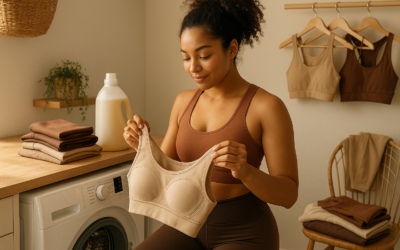
Seriously, do you really need to wash that shirt after just one wear? Unless it’s visibly dirty or smelly, give it a pass. Over-washing fades colors, breaks down fibers, and wastes water and energy. Plus, all that friction in the washing machine releases microplastics into our waterways—not cool.
Wash in Cold Water
Hot water can damage fabrics, fade colors, and use a ton of energy. Switch to cold water, and you’ll save energy and prolong the life of your clothes. It’s a small change that makes a big difference.
Use a Gentle, Eco-Friendly Detergent
Harsh chemicals in conventional detergents can damage fabrics and pollute waterways. Look for detergents that are biodegradable, phosphate-free, and made with natural ingredients.
Skip the Dryer
Dryers are energy hogs and can shrink and damage your clothes. Instead, hang your clothes to dry. It’s better for the environment, and it’ll help your clothes last longer. If you absolutely must use a dryer, use a low heat setting.
Repair and Mend
Don’t toss that sweater just because it has a small hole. Learn basic sewing skills or find a local tailor to repair your clothes. Mending is a great way to extend the life of your garments and reduce waste.
Store Properly
How you store your clothes can also impact their lifespan. Fold sweaters and delicate items to prevent stretching, and hang clothes that wrinkle easily. Store clothes in a cool, dry place to prevent mold and mildew.
Sustainable Shopping: Your Checklist
Alright, you’re armed with all this amazing info. Ready to hit the (virtual) stores? Before you do, let’s run through one more time a quick checklist so you can shop with confidence.
- Material Matters: Prioritize organic cotton, recycled polyester, Tencel, hemp, and linen. These materials are gentler on the planet.
- Certifications Count: Seek out certifications like GOTS, Fair Trade, and Bluesign. They verify sustainable practices and give you peace of mind.
- Transparency is Key: Don’t just take a brand’s word for it. Dig into their website and see if they provide detailed information about their supply chain and manufacturing processes.
- Ethical Practices: Check if the brand supports fair wages, safe working conditions, and worker empowerment.
- Durability: Invest in pieces that are designed to last. Read reviews, check the quality, and choose timeless styles that you’ll love for years.
- Ask Questions: If in doubt, reach out to the brand. A transparent company will be happy to answer your questions and address your concerns.
Final Thoughts: You’ve Got This!
Switching to sustainable fashion isn’t about being perfect; it’s about making conscious choices and doing what you can. Every little bit counts! By supporting sustainable brands, caring for your clothes, and being mindful of your consumption habits, you can make a positive impact on the planet and the people who make our clothes. So go ahead, revamp your wardrobe and feel good about what you wear. You’ve got this!
Frequently Asked Questions (FAQs)
What exactly does “sustainable fashion” mean?
How can I tell if a brand is truly sustainable or just “greenwashing”?
Are sustainable clothes more expensive?
What are some eco-friendly materials I should look for?
Can I still be fashionable while being sustainable?
Where can I find sustainable clothing brands?
How can I care for my sustainable clothes to make them last longer?
Here’s a quick reference to a site that advocates for sustainable shopping: Ethical Consumer. And if you want to get even deeper into the material science behind sustainable fabrics, check out Textile Exchange.
DISCLAIMER
Please note that while we strive to provide accurate and up-to-date information, the world of sustainable fashion is constantly evolving. We encourage you to do your own research and make informed decisions based on your values and priorities. Brand practices and materials may change, so always verify the latest information from the brand directly.
// Simple JavaScript to handle FAQ accordion functionality
document.addEventListener(‘DOMContentLoaded’, function() {
const faqContainers = document.querySelectorAll(‘.faq-container’);
faqContainers.forEach(container => {
const question = container.querySelector(‘.faq-question’);
question.addEventListener(‘click’, function() {
// Toggle the active class on the clicked question
question.classList.toggle(‘active’);
// Select the answer associated with the question
const answer = container.querySelector(‘.faq-answer’);
// If this question is now active, show its answer; otherwise, hide it
if (question.classList.contains(‘active’)) {
answer.style.display = ‘block’;
} else {
answer.style.display = ‘none’;
}
});
});
});
Categories
- Activewear (160)
- Athletic Jackets (12)
- Comfortable Leggings (14)
- Cozy Joggers (15)
- Functional Sports Shorts (20)
- Stylish Tank Tops (20)
- Supportive Sports Bras (20)
- Yoga Pants (20)
- Yoga Tops (18)
- Bottoms (43)
- Classic Capris (4)
- Comfortable Leggings (4)
- Fashion Shorts (3)
- Skirts (12)
- Stylish Jeans (4)
- Stylish Overalls (4)
- Tailored Trousers (4)
- Unique Jumpsuits (4)
- Curved Fashion (73)
- Dresses (148)
- Boho Dresses (6)
- Casual Dresses (5)
- Cocktail Dresses (4)
- Evening Dresses (10)
- Floral Dresses (15)
- Little Black Dresses (6)
- Maxi Dresses (5)
- Midi Dresses (5)
- Plus-Size Dresses (5)
- Summer Dresses (5)
- Fashion Trends (82)
- Luxury & Designer Archive (94)
- Outfit Inspiration (73)
- Style Guides (67)
- Sustainable Fashion (66)
- Swimwear (122)
- Chic Cover-Ups (6)
- Maternity Swimwear (4)
- One-Piece Swimsuits (5)
- Plus-Size Swimwear (3)
- Stylish Bikinis (7)
- Swim Dresses (6)
- Swim Skirts (7)
- Trendy Tankinis (6)
- Tops (61)
- Button-Down Shirts (4)
- Casual T-Shirts (10)
- Comfortable Hoodies (6)
- Cozy Sweaters (5)
- Elegant Tunics (8)
- Feminine Blouses (8)
- Off-Shoulder Tops (5)
- Stylish Tank Tops (4)
- Trendy Crop Tops (6)
- Travel & Lifestyle Fashion (67)
- Trend Reports Archive (88)
- Workwear & Professional (72)