Top Eco-Friendly Women’s Clothing Brands: Style Without Sacrifice
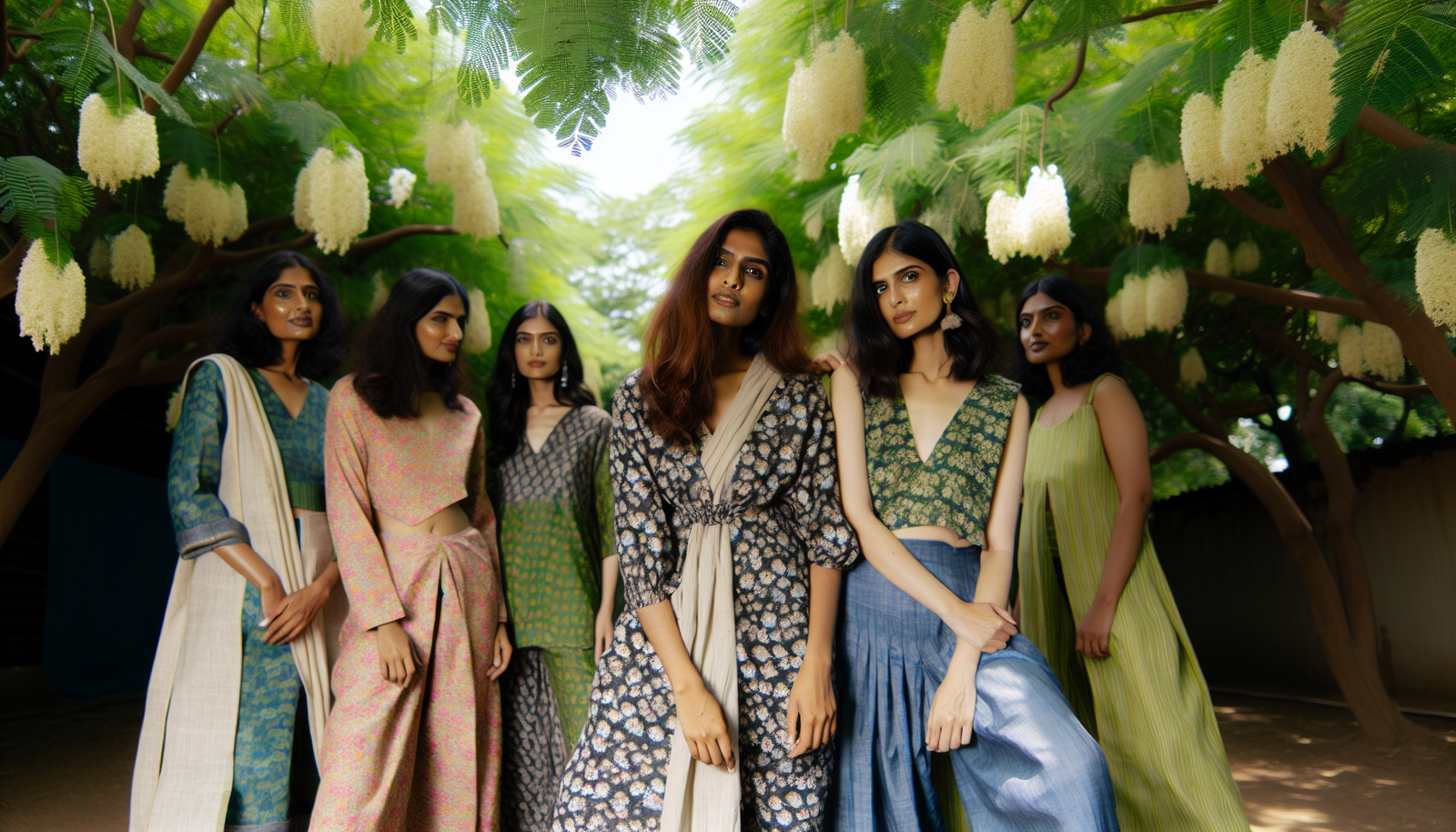
Let’s face it: fashion can be a fickle beast. We all love a new outfit, but the environmental impact of our clothing choices can be pretty scary. Fast fashion contributes to pollution, waste, and unethical labor practices. But what if you could look good and feel good about your clothes, too? Here’s the deal: you absolutely can. Eco-friendly women’s clothing brands are stepping up to offer stylish, sustainable options that don’t compromise your values – or your wardrobe.
Why Should You Care About Eco-Friendly Fashion?
Okay, let’s get real for a second. Why should you even bother switching to eco-friendly fashion? Well, it’s not just about hugging trees (though, hey, if you’re into that, go for it!). It’s about making smarter choices that benefit the planet and the people who live on it.
Think about it: traditional clothing production often involves harmful chemicals, excessive water consumption, and unethical labor practices. By choosing sustainable brands, you’re supporting companies that prioritize:
- Reduced Environmental Impact: Using organic, recycled, or upcycled materials to minimize pollution and waste.
- Ethical Labor Practices: Ensuring fair wages and safe working conditions for garment workers.
- Transparency: Providing clear information about their supply chain and production processes.
- Durability: Creating high-quality garments that last longer, reducing the need for constant replacements.
Honestly, it’s a win-win situation. You get to rock stylish clothes, and you’re contributing to a more sustainable, ethical fashion industry. What’s not to love?
What Makes a Brand “Eco-Friendly” Anyway?
So, what does it really mean for a clothing brand to be “eco-friendly”? It’s not just a buzzword; it’s about a whole range of practices and principles. Let me explain what to look for:
- Sustainable Materials: This is a big one. Think organic cotton (grown without harmful pesticides), recycled polyester (made from plastic bottles), hemp, linen, Tencel (made from sustainably sourced wood pulp), and other innovative materials that have a lower environmental footprint.
- Ethical Production: Fair wages, safe working conditions, and respect for workers’ rights are crucial. Look for brands that are Fair Trade certified or have transparent supply chains.
- Water Conservation: Traditional textile dyeing and finishing processes use a ton of water and can pollute waterways. Eco-friendly brands are finding ways to reduce water consumption and use less harmful dyes.
- Waste Reduction: This can involve using recycled materials, designing for durability, and implementing take-back programs where customers can return old clothes for recycling or repurposing.
- Transparency: Brands should be open about their practices and supply chain. Look for certifications like GOTS (Global Organic Textile Standard) or OEKO-TEX, which verify that products meet certain environmental and social standards.
It’s also important to note that no brand is perfect. Sustainability is a journey, not a destination. But the brands that are actively working to improve their practices deserve our support.
Our Top Picks: Eco-Friendly Women’s Clothing Brands That Nail It
Alright, ready to get shopping? Here are some of our favorite eco-friendly women’s clothing brands, each with its own unique style and approach to sustainability:
1. Patagonia: The OG of Sustainability
Patagonia is practically synonymous with sustainability. They’ve been committed to environmental activism and responsible manufacturing for decades. They’re known for their durable, high-quality outdoor apparel, but they also have a great selection of everyday clothing for women which is incredibly versatile. Plus, they have a great repair program. See how awesome sustainable fashion can be?
2. Eileen Fisher: Timeless Style, Sustainable Practices
Eileen Fisher is all about creating timeless, versatile pieces that can be mixed and matched for years. They use sustainable materials like organic cotton and recycled fibers, and they have a robust take-back program where customers can return gently used Eileen Fisher clothing for resale or recycling. You know what? This is good for your wardrobe too!
3. People Tree: Fair Trade Fashion Pioneer
People Tree has is one of the first brands to give Fair Trade fashion prominence. With a focus on organic cotton and artisan craftsmanship, they create beautiful, ethically made clothing that supports communities in developing countries. If you’re looking for something really authentic, they’re a great place to start.
4. Reformation: Sustainable Style for the Modern Woman
Reformation is a brand that’s super popular now and really delivers on effortlessly chic, sustainable clothing. They use sustainable materials, track their environmental impact, and are committed to ethical production. Plus, their clothes are seriously stylish.
5. Vetta: The Capsule Wardrobe Dream
Vetta is all about creating capsule wardrobes. They design versatile pieces that can be mixed and matched to create multiple outfits, reducing the need for a closet full of clothes. They use sustainable materials and ethical production practices, making it easy to build a sustainable wardrobe.
6. Pact: Comfortable and Affordable
Pact makes organic cotton basics that are super comfortable and surprisingly affordable. They’re committed to fair labor practices and use sustainable materials, making them a great option for everyday essentials like t-shirts, underwear, and loungewear.
7. BAM (Bamboo Clothing): Eco-Friendly Activewear and Loungewear
BAM specializes in clothing made from bamboo, a super-sustainable material that’s soft, breathable, and moisture-wicking. They have a great selection of activewear, loungewear, and everyday basics for women. Honestly, bamboo clothing feels amazing!
8. Thought Clothing: Sustainable and Stylish Everyday Wear
Thought Clothing offers a wide range of sustainable and stylish clothing for women, using materials like organic cotton, hemp, and bamboo. They have a focus on ethical production and fair labor practices, making them a great choice for conscious consumers.
Beyond the Brands: Tips for Building a Sustainable Wardrobe
Choosing eco-friendly brands is a great start, but building a truly sustainable wardrobe involves more than just buying new clothes. Here are some tips to help you make your wardrobe more sustainable:
- Buy Less: This might seem obvious, but it’s the most important step. Before buying something new, ask yourself if you really need it. Can you borrow it from a friend or find it secondhand?
- Choose Quality Over Quantity: Invest in well-made pieces that will last longer, rather than buying cheap, trendy clothes that fall apart after a few washes.
- Shop Secondhand: Thrifting, vintage shopping, and consignment stores are great ways to find unique, affordable clothes and give them a new life.
- Take Care of Your Clothes: Wash your clothes in cold water, hang them to dry, and repair them when needed. This will extend their lifespan and reduce the need to replace them.
- Upcycle or Repurpose: Get creative and find new uses for old clothes. Turn old t-shirts into cleaning rags, or use fabric scraps to make quilts or other crafts.
- Rent Clothing: For special occasions, consider renting clothing instead of buying something new. There are many clothing rental services that offer a wide range of styles and sizes.
- Support Circular Fashion Initiatives: Look for brands that offer take-back programs, repair services, or other initiatives that promote circularity.
Building a sustainable wardrobe is a journey, not a race. Start small, make conscious choices, and don’t be afraid to experiment. Every little bit counts!
The Future of Fashion: Why Sustainability is Here to Stay
The fashion industry is changing. Consumers are becoming more aware of the environmental and social impact of their clothing choices, and they’re demanding more sustainable options. Brands are responding, and we’re seeing a growing number of innovative materials, ethical production practices, and circular fashion initiatives. In other words, the fashion industry is going through it’s very own renaissance.
Sustainability isn’t just a trend; it’s the future of fashion. As technology advances and consumer awareness grows, we can expect to see even more sustainable options become available. Together, we can create a fashion industry that is both stylish and sustainable.
And that, my friends, is a future worth investing in.
FAQ About Eco-Friendly Women’s Clothing Brands
That’s it, go be sustainable!
Disclaimer
Readers should consult with a qualified professional for any specific health or financial concerns. The information provided in this article is for general informational purposes only and does not constitute professional advice.
const faqItems = document.querySelectorAll(‘.faq-item’);
faqItems.forEach(item => {
const question = item.querySelector(‘.faq-question’);
question.addEventListener(‘click’, () => {
item.classList.toggle(‘active’);
});
});
Categories
- Activewear (160)
- Athletic Jackets (12)
- Comfortable Leggings (14)
- Cozy Joggers (15)
- Functional Sports Shorts (20)
- Stylish Tank Tops (20)
- Supportive Sports Bras (20)
- Yoga Pants (20)
- Yoga Tops (18)
- Bottoms (43)
- Classic Capris (4)
- Comfortable Leggings (4)
- Fashion Shorts (3)
- Skirts (12)
- Stylish Jeans (4)
- Stylish Overalls (4)
- Tailored Trousers (4)
- Unique Jumpsuits (4)
- Curved Fashion (73)
- Dresses (148)
- Boho Dresses (6)
- Casual Dresses (5)
- Cocktail Dresses (4)
- Evening Dresses (10)
- Floral Dresses (15)
- Little Black Dresses (6)
- Maxi Dresses (5)
- Midi Dresses (5)
- Plus-Size Dresses (5)
- Summer Dresses (5)
- Fashion Trends (82)
- Luxury & Designer Archive (94)
- Outfit Inspiration (73)
- Style Guides (67)
- Sustainable Fashion (66)
- Swimwear (122)
- Chic Cover-Ups (6)
- Maternity Swimwear (4)
- One-Piece Swimsuits (5)
- Plus-Size Swimwear (3)
- Stylish Bikinis (7)
- Swim Dresses (6)
- Swim Skirts (7)
- Trendy Tankinis (6)
- Tops (61)
- Button-Down Shirts (4)
- Casual T-Shirts (10)
- Comfortable Hoodies (6)
- Cozy Sweaters (5)
- Elegant Tunics (8)
- Feminine Blouses (8)
- Off-Shoulder Tops (5)
- Stylish Tank Tops (4)
- Trendy Crop Tops (6)
- Travel & Lifestyle Fashion (67)
- Trend Reports Archive (88)
- Workwear & Professional (72)