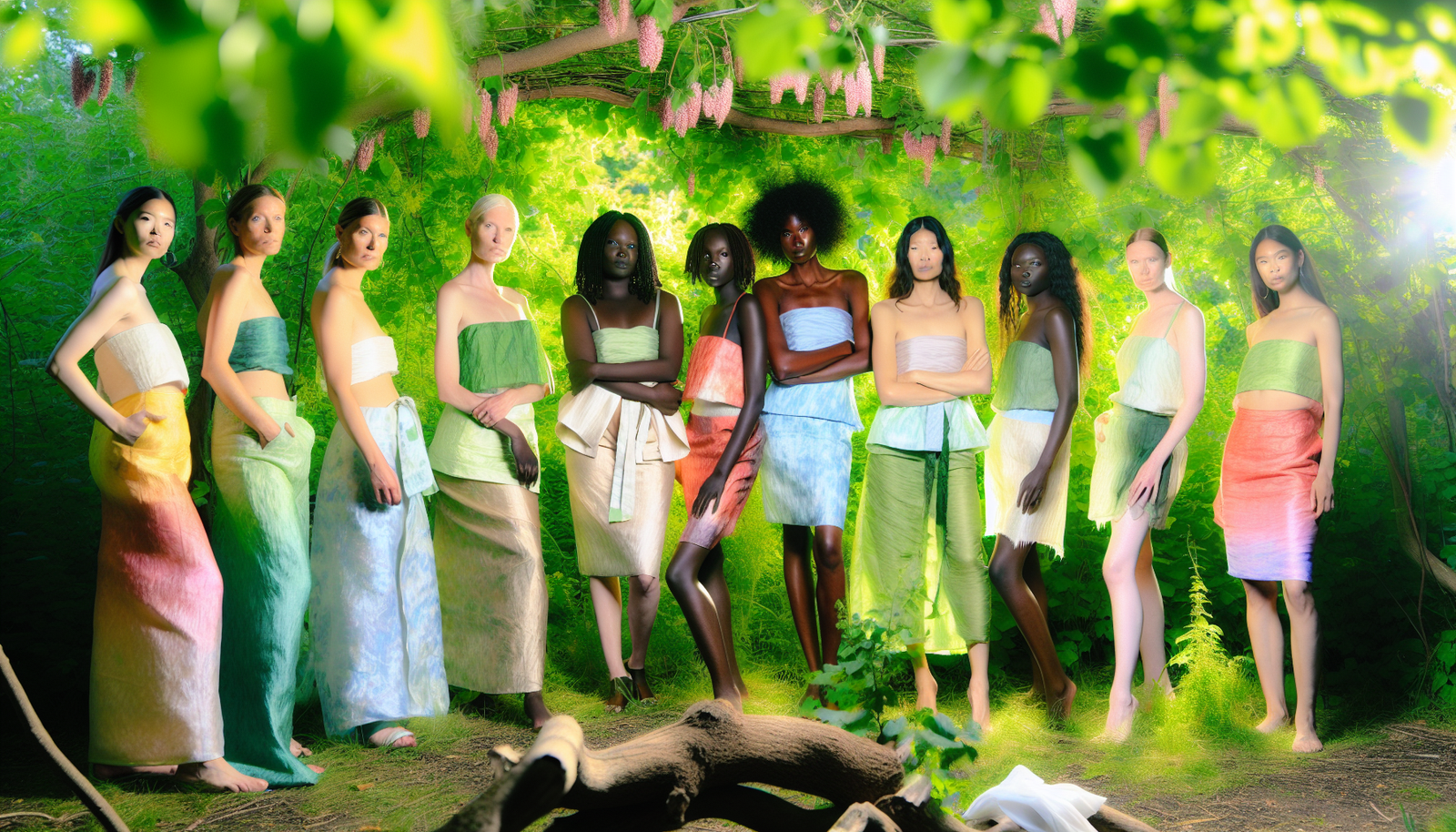
Alright, let’s talk about something important: your clothes. I mean, really talk about them. Not just which ones look great (though that’s definitely a factor!), but where they come from, what they’re made of, and how they impact the planet. Because honestly? What you wear speaks volumes about what you care about. And if you care about Mother Earth, you’re in the right place.
Why Eco-Friendly Clothing Matters (and Why You Should Care)
Okay, so you might be thinking, “Another thing to worry about? Seriously?” I get it. Life is busy. But consider this: the fashion industry is a major polluter. We’re talking about tons of waste, excessive water consumption, and some pretty nasty chemicals. It’s a bigger deal than many realize.
Choosing sustainable clothing isn’t just some trendy thing; it’s about making a real difference. It’s about reducing your carbon footprint, supporting fair labor practices, and saying “no” to fast fashion’s throwaway culture. It’s about investing in pieces that last, both in style and durability. Think of it like this: you’re voting with your wallet. Each purchase is a statement.
Decoding the Labels: What to Look For
Navigating the world of eco-friendly fashion can feel like learning a new language. Seriously, so many terms! But don’t worry, I’m here to help you translate. Look out for these buzzwords:
- Organic Cotton: Grown without pesticides or synthetic fertilizers, which is better for the environment and the farmers. You know what? Conventional cotton is one of the dirtiest crops out there.
- Recycled Materials: Think clothes made from recycled plastic bottles or reclaimed fabrics. Genius, right? It gives waste a new life.
- Tencel/Lyocell: Made from sustainably harvested wood pulp, using a closed-loop production process that minimizes waste and water usage. Trust me, it feels amazing, too. Silky smooth!
- Linen: Made from flax plants, which require very little water and pesticides. Plus, it’s super breathable—perfect for summer. Think breezy sophistication.
- Hemp: A highly sustainable fiber that grows quickly and requires minimal resources. It’s strong, durable, and naturally resistant to pests. Hemp clothing is becoming increasingly popular!
Also, keep an eye out for certifications like GOTS (Global Organic Textile Standard) and Oeko-Tex. They verify that the products meet certain environmental and social criteria. It’s like a little seal of approval you can trust!
Beyond the Fabric: Ethical Production and Fair Labor
Sustainable fashion is about more than just eco-friendly materials; it’s about the people who make our clothes. Fair labor practices are a crucial part of the equation. We want to support brands that treat their workers with respect and provide fair wages and safe working conditions. But how can you tell?
Look for brands that are transparent about their supply chain. Do they share information about their factories and workers? Do they have certifications like Fair Trade? These are good signs. It’s all about ensuring that the people making your clothes are treated fairly and humanely. After all, a clear conscience is the best accessory!
Honestly, it boils down to doing a little research. Check out the brand’s website, read reviews, and see what others are saying. Knowledge is power, my friend.
Finding Brands That Align With Your Values
Okay, so you’re ready to start shopping sustainably. Great! But where do you begin? There are so many brands out there, it can be overwhelming, right?
Start by considering what’s important to you. Are you passionate about reducing waste? Look for brands that use recycled materials. Do you want to support fair labor? Seek out Fair Trade certified companies. What about supporting smaller, local businesses?
Here are a few brands that are doing it right:
- Patagonia: Known for their commitment to environmental activism and sustainable practices like using recycled materials. They also have a great repair program to extend the life of their clothes.
- Eileen Fisher: A pioneer in sustainable fashion, using organic and recycled materials and focusing on timeless designs that last.
- People Tree: A Fair Trade pioneer that partners with artisans and farmers in developing countries to create beautiful, ethical clothing.
Don’t be afraid to branch out and find smaller, independent brands too! Often, they are the ones pushing the boundaries of sustainable innovation. Use resources like Good On You, a directory that rates fashion brands based on their environmental and ethical impact.
Building a Sustainable Wardrobe: Tips and Tricks
Building a wardrobe that’s both stylish and sustainable isn’t about buying a whole new closet full of clothes overnight. It’s about making conscious choices and gradually incorporating eco-friendly pieces into your existing collection. Trust me, it’s a journey, not a race.
Here are some tips to get you started:
- Shop Your Closet: Before buying anything new, take a look at what you already have. You might be surprised at what you can create with a little creativity. Get reacquainted with your clothes!
- Buy Secondhand: Thrifting is a fantastic way to find unique, affordable, and sustainable pieces. Plus, you’re giving clothes a second life. You know what they say. …one person’s trash is another person’s treasure.
- Invest in Versatile Pieces: Choose clothing that can be mixed and matched to create multiple outfits. Think classic styles that will never go out of fashion. So basically, build a capsule wardrobe.
- Take Care of Your Clothes: Proper care can extend the life of your garments. Follow the washing instructions, repair any damage promptly, and store your clothes properly. I swear, dry cleaning is the enemy!
- Embrace Minimalism: Do you really need that tenth black t-shirt? Probably not. Focus on quality over quantity. Less is more, remember?
Caring for Your Eco-Friendly Clothes: Making Them Last
So, you’ve invested in some beautiful, sustainable clothes. Now what? Well, you want to make sure they last, right? Proper care is essential to prolonging the life of your garments and reducing your environmental impact.
- Wash Less: Seriously, do you every item after every wear? Unless something is visibly dirty or smelly, it probably doesn’t need to be washed. Over-washing can damage fabrics and fade colors.
- Wash in Cold Water: Hot water can fade colors and shrink fabrics. Cold water is gentler and more energy-efficient.
- Use a Gentle, Eco-Friendly Detergent: Harsh chemicals can damage fabrics and pollute waterways. Choose a detergent that’s biodegradable and free of harmful ingredients.
- Hang Dry or Line Dry: Tumble dryers use a lot of energy and can damage clothes. Hang your clothes to dry whenever possible. Plus, the sun is a natural disinfectant!
Remember, a little extra care can go a long way! And using a drying rack feels old school in a good way, right?
The Future of Sustainable Fashion: Innovation and Beyond
The field of sustainable fashion is constantly evolving, with new innovations and technologies emerging all the time. From bio-based materials to closed-loop recycling systems, the possibilities are endless.
We’re seeing so much innovation in textiles right now, which is exciting, like fabrics made from algae, mushrooms (yes, mushrooms!), and even orange peels. Scientists and designers are getting really creative!
But it’s not just about new materials; it’s also about rethinking the way we design, produce, and consume clothing. Think about circular fashion models, where clothes are designed to be reused, repaired, and recycled. It’s a whole new way of looking at things. This includes clothing rental services, or being able to return clothes to a company after you’re done with them, so they can recycle the raw materials.
The more we embrace sustainability, the brighter the future of fashion will be. It’s a trend that is, gratefully, unlikely to go away.
Making a Difference, One Outfit at a Time
Ultimately, dressing your values is about aligning your actions with your beliefs. It’s about making conscious choices that reflect your commitment to a better world.
It’s not about being perfect; it’s about doing your best. Every small step counts. Every eco-friendly purchase, every secondhand find, every conscious decision makes a difference.
So, go ahead, dress your values. You’ll look good, feel good, and do good—all at the same time. Talk about a win-win!
Common Questions About Eco-Friendly Clothing
Initially, it can seem that way but think long-term. Eco-friendly clothes are often made to last longer, so you won’t have to replace them as often. Plus, you can save money by shopping secondhand and caring for your clothes properly.
Many online retailers and brick-and-mortar stores specialize in sustainable fashion. Check out directories like Good On You and look for brands with certifications like GOTS and Fair Trade.
Organic cotton, recycled materials, Tencel/Lyocell, linen, and hemp are all great choices. Look for fabrics that are grown or produced in a sustainable way, with minimal environmental impact.
Look for brands that are transparent about their supply chain and ethical practices. Check for certifications like GOTS and Fair Trade, and read reviews from other customers. A little research goes a long way!
Absolutely! Many charities and textile recycling programs accept donations of old clothing. You can also look for brands that offer take-back programs, where you can return your old clothes for recycling or reuse.
Sustainable fashion focuses on environmental impact, while ethical fashion focuses on social impact. Both are important aspects of responsible fashion, and many brands strive to address both.
There really aren’t any downsides. Okay, the variety may not be quite as large as in conventional fashion, but the sustainable sector is growing rapidly! Any price differences are an investment, not an expense. And it’s better for the planet so….
DISCLAIMER
This article provides general information about eco-friendly fashion. While we strive to provide accurate and up-to-date information, we recommend that readers conduct their own research and consult with professionals before making any purchasing decisions. The brands and resources mentioned in this article are for informational purposes only and do not constitute an endorsement. Please check labels and product details before cleaning.
var acc = document.getElementsByClassName(“accordion”);
var i;
for (i = 0; i < acc.length; i++) {
acc[i].addEventListener(“click”, function() {
this.classList.toggle(“active”);
var panel = this.nextElementSibling;
if (panel.style.display === “block”) {
panel.style.display = “none”;
} else {
panel.style.display = “block”;
}
});
}
Categories
- Activewear (160)
- Athletic Jackets (12)
- Comfortable Leggings (14)
- Cozy Joggers (15)
- Functional Sports Shorts (20)
- Stylish Tank Tops (20)
- Supportive Sports Bras (20)
- Yoga Pants (20)
- Yoga Tops (18)
- Bottoms (43)
- Classic Capris (4)
- Comfortable Leggings (4)
- Fashion Shorts (3)
- Skirts (12)
- Stylish Jeans (4)
- Stylish Overalls (4)
- Tailored Trousers (4)
- Unique Jumpsuits (4)
- Curved Fashion (73)
- Dresses (148)
- Boho Dresses (6)
- Casual Dresses (5)
- Cocktail Dresses (4)
- Evening Dresses (10)
- Floral Dresses (15)
- Little Black Dresses (6)
- Maxi Dresses (5)
- Midi Dresses (5)
- Plus-Size Dresses (5)
- Summer Dresses (5)
- Fashion Trends (82)
- Luxury & Designer Archive (94)
- Outfit Inspiration (73)
- Style Guides (67)
- Sustainable Fashion (66)
- Swimwear (122)
- Chic Cover-Ups (6)
- Maternity Swimwear (4)
- One-Piece Swimsuits (5)
- Plus-Size Swimwear (3)
- Stylish Bikinis (7)
- Swim Dresses (6)
- Swim Skirts (7)
- Trendy Tankinis (6)
- Tops (61)
- Button-Down Shirts (4)
- Casual T-Shirts (10)
- Comfortable Hoodies (6)
- Cozy Sweaters (5)
- Elegant Tunics (8)
- Feminine Blouses (8)
- Off-Shoulder Tops (5)
- Stylish Tank Tops (4)
- Trendy Crop Tops (6)
- Travel & Lifestyle Fashion (67)
- Trend Reports Archive (88)
- Workwear & Professional (72)