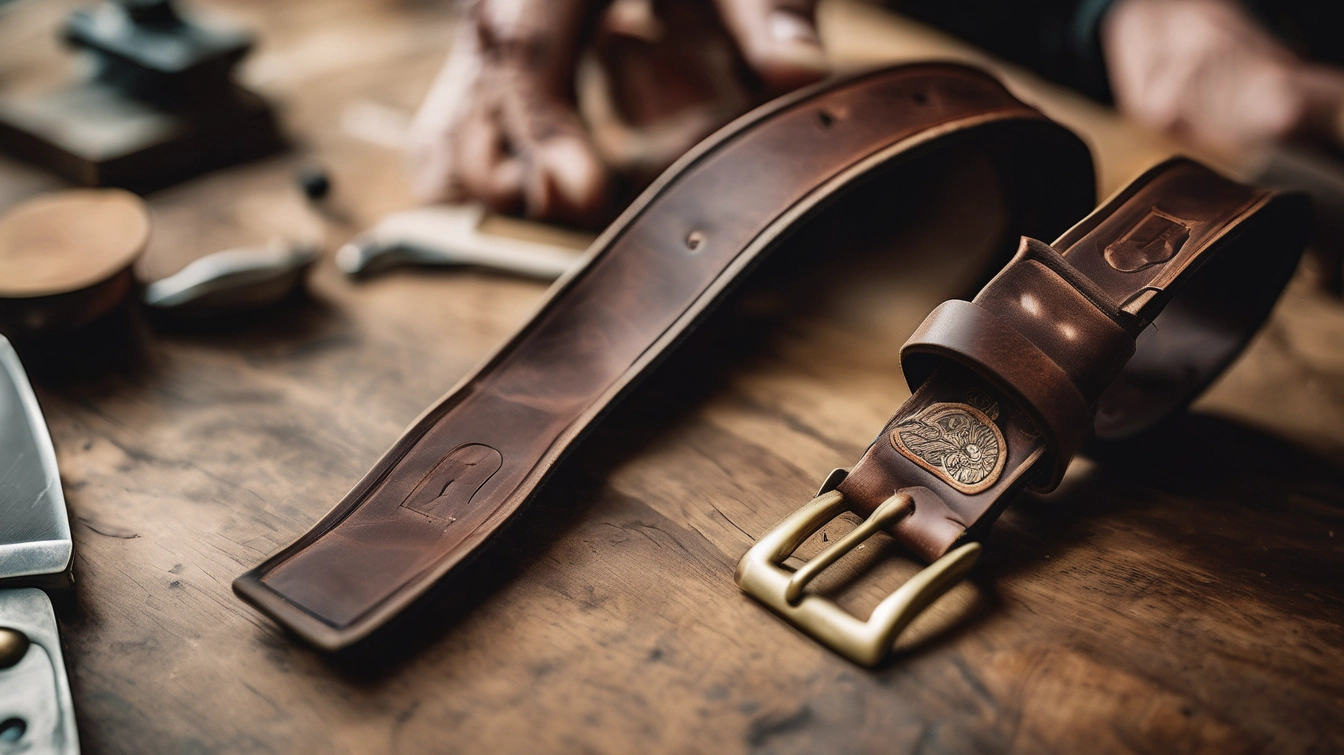
Handmade to Last: Investing in Exclusive Belts That Tell a Story
You know, there’s something undeniably special about things made by hand—especially when it comes to something you wear every single day. We talk a lot about fashion statements, about trends, about fleeting fads. But what about those pieces that truly stand the test of time? We’re talking about more than just an accessory here; we’re talking about an investment, a legacy, a real story. And honestly, when it comes to that, nothing beats a truly exclusive, handmade belt.
Think about it: how many belts have you owned that just… fell apart? Stitching frayed, buckle corroded, leather cracked. It’s a common tale, isn’t it? But then there are those rare finds, the ones that feel different from the moment you hold them. They have a weight, a texture, a character that speaks volumes before you even put them on. That’s the magic of handmade goods, especially the really good ones. They’re not just mass-produced items; they carry the soul of the maker.
The Unspoken Language of Quality: Why Handmade Belts Matter
It’s not just about looking good, it’s about a deeper connection to what you own.
So, why all this fuss about handmade belts? Is it just some fancy, overpriced fad? Absolutely not. It’s about a philosophy of quality and craftsmanship that’s sadly been lost in much of our fast-fashion world. When a belt is handmade, it’s not just assembled; it’s crafted. Every cut, every stitch, every polish is done with intention, with skill passed down through generations, or perhaps honed through years of dedicated practice. It’s a personal touch you just can’t replicate on an assembly line.
And let’s be real, a good belt isn’t just for holding up your trousers. It’s the silent anchor of an outfit, a punctuation mark that can elevate your entire look from “meh” to “wow.” It pulls everything together, literally and figuratively. Seriously, it’s funny how often people overlook the belt, only to realize later how crucial it is to a polished aesthetic. It’s like the foundation of a house; you don’t see it, but without it, everything crumbles.
What Makes a Belt Truly “Handmade”? (And why it’s not just a marketing gimmick)
When we say “handmade,” we’re not talking about some machine that someone occasionally touches. This is the real deal.
Ah, the classic question: what exactly qualifies as “handmade” these days? You hear the term thrown around a lot, often as a marketing buzzword. But the genuine article is quite distinct. True handmade means exactly what it sounds like: a human being, using their hands and perhaps some basic, non-automated tools, to create the item from start to finish. Think about it: a craftsperson meticulously selecting the hide, cutting it by hand, skiving the edges (that’s thinning them out, a crucial step for a clean finish), punching holes, and stitching it all together—stitch by stitch. This isn’t a quick process, and it shouldn’t be.
It’s the opposite of automation. Mass-produced belts might tell you they’re “hand-finished” or “hand-stitched” (a few stitches, maybe!). But true handmade means the entire construction process is guided by the artisan. This careful, slower approach allows for attention to detail that machines simply can’t provide. Subtle imperfections—a slight variation in the stitch length, a unique texture in the leather—aren’t flaws; they’re hallmarks of authentic craftsmanship. They tell you a human was involved, giving it character, giving it soul.
The Journey of a Leather Hide: From Ranch to Waistline
Understanding the raw materials makes you appreciate the final product so much more.
Before it ever becomes a stylish accessory, that leather has a whole life. It starts, quite literally, with the hide. The type of leather used is perhaps the most critical factor in a belt’s longevity and character. We’re talking about full-grain, top-grain, or perhaps even exotic leathers. Full-grain, for example, is the crème de la crème. It’s the strongest, most durable part of the hide, retaining its natural grain and imperfections, which develop a beautiful patina over time. It tells a story with every scratch and wear mark.
Then there’s the tanning process—another art form in itself. Vegetable tanning, an ancient method, uses natural tannins found in plants, bark, and leaves. This process is time-consuming, taking weeks or even months, but it produces leather that’s incredibly durable, develops a rich patinathing, and often smells wonderfully earthy. Chrome tanning, on the other hand, is much faster, using chemicals to create a softer, more pliable leather. While both have their uses, for a truly lasting belt, many artisans prefer vegetable-tanned leather for its stiffness, strength, and ability to age gracefully.
The journey from a raw hide to a finished belt involves a series of transformations: cleaning, de-hairing, tanning, drying, oiling, and finally, cutting and finishing. Every step impacts the final product. A skilled artisan doesn’t just cut a piece of leather; they analyze the hide, searching for the best sections, avoiding blemishes, and understanding how the grain will behave. It’s like a sculptor looking at a block of marble, seeing the finished form within it.
The Artisanal Touch: Crafting a Legacy, Stitch by Stitch
This is where the magic happens, where raw materials become something truly special.
Once the perfect hide is selected and prepped, the real artistry begins. This isn’t just assembly; it’s a careful dance of precision and patience. A true artisan approaches each belt with the dedication of a painter to their canvas or a musician to their instrument.
Precision Cutting and Skiving: Details That Make a Difference
Ever wonder why some belts feel chunky and others just right? It’s all in the details.
First, the cutting. It sounds simple, right? Just cut a strip. But no! The artisan uses specialized tools—razor-sharp knives and accurate straight edges—to cut the leather precisely, often along the grain for maximum strength. Any deviation here means a crooked belt or one that won’t wear evenly. Then comes skiving: thinning the edges of the leather. Why do this? It reduces bulk where the leather folds, particularly around the buckle or where it might overlay, making the belt more comfortable and giving it a cleaner, more refined look. It also makes for easier, flatter stitching. This step is often skipped in mass-produced belts, and you can definitely feel the difference. It’s like the subtle difference between a tailor-made suit and one off the rack—the fit is just better.
Hand Stitching vs. Machine Stitching: A Telling Distinction
You might think stitching is stitching, but oh, you’d be wrong.
Here’s a big one: hand stitching versus machine stitching. Most belts you buy today are machine-stitched. It’s fast, cheap, and uniform. However, machine-stitched belts use a “lock stitch,” where two threads interlock in the middle of the leather. If one thread breaks, the whole seam can unravel relatively quickly. It’s like a chain of dominoes; one falls, and they all go down.
Hand stitching, typically using two needles and a single piece of wax-coated thread (like a saddle stitch), is incredibly robust. Each stitch passes completely through the leather, and the threads cross over each other on both sides. If one stitch breaks, the others hold strong. It’s virtually impossible for a hand-stitched seam to unravel. It takes significantly longer and requires immense skill, but the result is a seam that’s far more durable and aesthetically pleasing, with a subtle, textured appearance. Think about how a good shoemaker meticulously stitches a pair of boots; it’s that same level of dedication.
Edge Finishing: The Unsung Hero of Belt Durability
This little detail might seem minor, but it speaks volumes about quality and longevity.
The edges of a leather belt are its most vulnerable points. In mass production, edges are often left raw, painted with a cheap edge paint that soon cracks and peels, or simply folded over and glued. A quality handmade belt, however, will have meticulously finished edges. This could involve careful sanding, beveling (rounding off the sharp corners), burnishing (rubbing them vigorously with a tool, often with a little water or compound, to create a smooth, sealed, and polished edge), or applying durable edge paints in multiple layers, each meticulously dried and sanded. This process not only looks beautiful but also seals the leather fibers, protecting them from moisture and wear, extending the belt’s life for years. It’s a painstaking process, but it’s what separates the lasting piece from the throwaway item.
Exclusive Materials: Beyond Just Leather
Sure, leather is king, but the right supporting cast can make all the difference.
While the leather itself is paramount, the other components of an exclusive belt are just as carefully considered. We’re talking about the buckle, the hardware, and even the internal stabilizers. Each piece contributes to the belt’s overall story and its longevity.
Buckles That Tell a Tale: From Solid Brass to Sterling Silver
A belt buckle isn’t just a fastener; it’s often the centerpiece, a statement in itself.
You ever notice how a cheap buckle can just… cheapen an entire belt? It’s true! Exclusive belts use buckles made from high-quality, durable metals. Solid brass is a common favorite for its strength, corrosion resistance, and ability to develop a beautiful patina over time. Stainless steel offers a modern, sleek look and incredible durability. And for those truly luxurious pieces, you might even find sterling silver or other precious metals, perhaps handcrafted by a jeweler. These aren’t just stamped pieces of metal; they might be hand-cast, hand-finished, or even custom-designed, elevating the belt from a functional item to a piece of wearable art. Sometimes, a vintage buckle is sourced, bringing its own history and character to the new piece.
Exotic Leathers: A World of Texture and Prestige
Feeling a bit adventurous? There’s a whole spectrum beyond cowhide.
And then there’s the world of exotic leathers. While traditional bovine leather is fantastic, some artisans work with truly unique hides for those who seek something extraordinary. Think about the striking patterns of genuine alligator or crocodile, the textured bumps of stingray, the subtle elegance of ostrich quill, or the distinct grain of shell cordovan. Each of these leathers brings its own unique character, challenges in working with it, and yes, often a higher price tag. But the result is a belt that’s undeniably distinctive and sometimes truly a collector’s item. These aren’t just about showing off; they’re about appreciating unique textures and patterns derived from nature’s artistry.
You know, some folks might wonder if using exotic leathers is ethical. And that’s a fair question! Reputable artisans and suppliers ensure that these leathers are sourced responsibly and ethically, often from controlled farms or under strict regulatory guidelines, like those provided by the Convention on International Trade in Endangered Species of Wild Fauna and Flora (CITES). It’s about ensuring sustainability and respecting wildlife.
The Narrative Thread: How a Belt Becomes a Story
It’s not just about what it’s made from, but what it means to you.
This is where the investment truly pays off. A handmade belt isn’t just an accessory; it’s a living testament to time and experience. Like a good leather jacket or a beloved pair of boots, it molds to you, takes on your character, and becomes uniquely yours.
Patina: The Beautiful Mark of Time and Wear
It’s not just getting old; it’s getting better.
The concept of “patina” is crucial here. Patina is that soft sheen, that rich color, that unique texture that develops on natural materials like leather or brass over years of use and exposure. It’s not dirt or damage; it’s evidence of life, of experiences. A high-quality full-grain leather belt will develop a stunning patina, darkening in places, softening in others, reflecting every adventure it’s been on. It tells a story unique to you—how it’s been worn, where it’s traveled, how it’s aged right alongside you. It’s why vintage leather goods often command so much respect and admiration; they have character that factory-new items simply can’t replicate. It’s like the wrinkles on a wise old face—they tell a story of a life well-lived.
Customization and Bespoke Creations: Your Story, Woven In
Want something truly unique? This is where it gets personal.
One of the most appealing aspects of investing in an exclusive, handmade belt is the possibility of customization. Many artisans offer bespoke services, allowing you to choose everything from the type of leather and its color, to the buckle style, thread color, and even personal embossing or engraving. Imagine having your initials discreetly stamped on the inside, or a significant date. This isn’t just buying a belt; it’s commissioning a piece that reflects your personal style, your values, and perhaps even a significant moment in your life. It becomes more than an object; it becomes a personal artifact. This level of personalized attention is simply unimaginable in mass production, and it really elevates the emotional connection you form with the piece.
Sustainability and Ethical Considerations: More Than Just a Purchase
Buying well means doing good, not just for you, but for the planet and its people.
Beyond the aesthetic and tactile pleasure, there’s a deeper, more conscious reason to invest in handmade goods: sustainability and ethical production. Fast fashion, with its endless cycles of cheap, disposable items, has a massive environmental footprint. The chemicals used, the vast amounts of waste generated, the sometimes questionable labor practices—it’s a problem we can’t ignore.
The Environmental Imprint of Fast Fashion vs. Lasting Quality
Think about it: how much “stuff” do we really need that just ends up in a landfill?
When you buy a handmade belt designed to last a lifetime, you’re making a conscious choice against that disposability. You’re reducing demand for products that contribute to landfill waste and pollution from mass manufacturing. Artisans often work with responsibly sourced materials, perhaps even using salvaged or repurposed leather. The longer a product lasts, the less often it needs to be replaced, naturally reducing consumption. It’s a simple equation: buy less, buy better. This paradigm shift can significantly decrease your personal environmental footprint. It’s not just about a belt; it’s about a mindful approach to consumerism. An interesting read on the environmental impact of fashion can be found at UN Environment Programme.
Supporting Artisans and Local Economies: A Ripple Effect
Your money isn’t just going to a corporation; it’s supporting a person, a family, a community.
Choosing a handmade belt also means supporting individual artisans and small businesses. Your purchase directly contributes to their livelihood, allowing them to continue their craft, preserve traditional skills, and often, support their local communities. This is a far cry from funding large corporations and their often-detached supply chains. It creates a more personal connection—you know that an artist, with hands and heart, benefited from your choice. It’s a beautiful ripple effect, isn’t it? This type of support helps keep unique skills alive and fosters a culture of quality over quantity. Check out organizations like The Ethical Fashion Forum for more insights into how consumer choices impact ethical practices in the industry.
Caring for Your Investment: Ensuring It Truly Lasts
Even the best things need a little love to stay that way.
So, you’ve invested in this magnificent, storytelling belt. Now what? Just like any cherished possession, it needs a little care to ensure it truly lasts not just years, but decades. Believe it or not, leather is quite resilient, but it’s not invincible.
Cleaning, Conditioning, and Storage: The ABCs of Belt Longevity
It’s not rocket science, but a little routine goes a long way!
First off, cleaning. Wipe your belt down periodically with a slightly damp cloth to remove surface dirt. Avoid harsh chemicals! Then, conditioning is key. Leather is skin, and just like your own skin, it needs moisture to stay supple and prevent cracking. Use a good quality leather conditioner or balm every few months, or as needed, depending on how often you wear it and the climate you live in. Apply it sparingly, let it soak in, and then buff gently. Finally, storage. Don’t just toss your belt in a drawer in a crumpled heap. Hang it straight or roll it loosely to prevent creases and maintain its shape. Keep it away from direct sunlight and excessive humidity – these are leather’s arch-nemeses. Trust me, a little prevention here will save you a lot of heartache (and money) down the line.
When to Seek Professional Help (for your belt, that is!)
Sometimes, a little expertise is worth every penny.
Even with the best care, sometimes things happen. A buckle might get scratched too deeply, or a stitch might fray after years of hard wear. Don’t despair! For serious issues, consider seeking out a professional leather repair specialist or even the original artisan if possible. Many skilled craftspeople offer repair and restoration services for their own goods or for other high-quality leather items. They can carefully restitch, replace hardware, or even re-dye faded areas, bringing your beloved belt back to life. Think of it like taking a classic car to a specialized mechanic; sometimes, you need someone who truly understands the mechanics of quality craftsmanship.
The Future of Fashion: Slow, Deliberate, and Meaningful
Maybe it’s time we all slowed down a bit and appreciated the craftsmanship.
It’s becoming increasingly clear that the future of fashion isn’t about faster, cheaper, more. It’s about slowing down, making deliberate choices, and investing in pieces that truly resonate with us, that tell a story. Handmade, exclusive belts are just one example of this beautiful movement.
Beyond Trends: Building a Timeless Wardrobe
Trends come and go, but true style lasts forever.
A handmade belt, with its timeless design and enduring quality, helps you build a truly timeless wardrobe. These aren’t pieces that will be “out” next season. They are foundational elements that complement any style, adapting and aging gracefully alongside your evolving taste. This is about curating a collection of essential, high-quality items that serve you for years, rather than chasing fleeting trends. It’s a mature, confident approach to personal style, focusing on substance over superficiality. And honestly, it’s far less stressful than trying to keep up with every new thing that pops up.
The Personal Connection: Why Some Things Just Feel Right
There’s a subtle alchemy that happens when an object truly connects with you.
Ultimately, investing in an exclusive handmade belt is about more than just economics or aesthetics. It’s about the human connection. It’s about the artisan’s dedication, the story embedded in the leather, and the unique history you create with the piece as you wear it. It’s about owning something that has soul, something that was made with care and intention, and something that will be with you for years, silently witnessing your life’s adventures. And in a world filled with ephemeral goods, isn’t that a truly refreshing and meaningful prospect? It just feels right, doesn’t it?
FAQ: Your Burning Questions About Exclusive Belts, Answered!
Got more questions? We figured you might. Here are some of the most common ones we hear.
▾
Full-grain leather is the highest quality and most durable, retaining the entire grain of the hide, including natural imperfections. It develops a beautiful patina over time. Top-grain leather has had the top layer lightly sanded or buffed to remove imperfections, making it more uniform but slightly less durable than full-grain and less prone to developing a rich patina. For a belt that truly lasts and ages gracefully, full-grain is usually preferred.
▾
It depends on wear and climate, but generally every 3-6 months is a good rule of thumb. If your belt feels dry or looks dull, it’s probably time for a little conditioning. In drier climates or with very frequent wear, you might do it more often. Just be sure to use a good quality leather conditioner.
▾
Absolutely, yes! While the upfront cost is higher, you’re paying for superior materials, expert craftsmanship, and exceptional durability. A handmade belt is designed to last decades, potentially a lifetime, whereas cheaper, mass-produced belts often need replacing every year or two. Over time, the cost per wear of a quality handmade belt will be far lower, not to mention the aesthetic and emotional value.
▾
Definitely! Custom sizing is one of the main advantages of commissioning a handmade belt. Artisans can craft a belt to your exact measurements, ensuring a perfect fit, which is crucial for comfort and wear. Just provide them with your preferred measurement and they’ll get it right.
▾
Look for specific clues: genuine hand-stitching (like a saddle stitch, where the threads angle slightly and are visibly distinct, not perfectly uniform), carefully burnished or painted edges (not just raw or cracked), and natural variations in the leather indicating full-grain. Most importantly, ask the maker! A true artisan will proudly explain their process and materials. And sometimes, you can just feel the difference in quality and character.
▾
Vegetable tanning is an old, natural process using organic materials like tree bark, taking weeks or months. This results in very dense, durable leather that holds its shape well, ages beautifully with a rich patina, and often has a distinct, earthy smell. It’s more environmentally friendly than chrome-tanned leather, which uses chemicals and is faster but creates a softer, more pliable leather. For a stiff, long-lasting belt, vegetable-tanned is usually the top choice.
document.addEventListener(‘DOMContentLoaded’, () => {
const accordionHeaders = document.querySelectorAll(‘.accordion-header’);
accordionHeaders.forEach(header => {
header.addEventListener(‘click’, () => {
const content = header.nextElementSibling;
const arrow = header.querySelector(‘span:last-child’);
if (content.style.display === ‘block’) {
content.style.display = ‘none’;
arrow.innerHTML = ‘▾’; // Down arrow
} else {
content.style.display = ‘block’;
arrow.innerHTML = ‘▲’; // Up arrow
}
});
});
});
Disclaimer
The information provided in this article is for general informational purposes only and does not constitute professional advice. While we strive for accuracy, currency, and exhaustiveness, we make no guarantees about the completeness, reliability, or accuracy of this content. Any reliance you place on such information is strictly at your own risk. Always consult with a qualified expert or conduct your own research before making any purchasing decisions or attempting any care techniques on valuable items.
Categories
- Activewear (160)
- Athletic Jackets (12)
- Comfortable Leggings (14)
- Cozy Joggers (15)
- Functional Sports Shorts (20)
- Stylish Tank Tops (20)
- Supportive Sports Bras (20)
- Yoga Pants (20)
- Yoga Tops (18)
- Bottoms (43)
- Classic Capris (4)
- Comfortable Leggings (4)
- Fashion Shorts (3)
- Skirts (12)
- Stylish Jeans (4)
- Stylish Overalls (4)
- Tailored Trousers (4)
- Unique Jumpsuits (4)
- Curved Fashion (73)
- Dresses (148)
- Boho Dresses (6)
- Casual Dresses (5)
- Cocktail Dresses (4)
- Evening Dresses (10)
- Floral Dresses (15)
- Little Black Dresses (6)
- Maxi Dresses (5)
- Midi Dresses (5)
- Plus-Size Dresses (5)
- Summer Dresses (5)
- Fashion Trends (82)
- Luxury & Designer Archive (94)
- Outfit Inspiration (73)
- Style Guides (67)
- Sustainable Fashion (66)
- Swimwear (122)
- Chic Cover-Ups (6)
- Maternity Swimwear (4)
- One-Piece Swimsuits (5)
- Plus-Size Swimwear (3)
- Stylish Bikinis (7)
- Swim Dresses (6)
- Swim Skirts (7)
- Trendy Tankinis (6)
- Tops (61)
- Button-Down Shirts (4)
- Casual T-Shirts (10)
- Comfortable Hoodies (6)
- Cozy Sweaters (5)
- Elegant Tunics (8)
- Feminine Blouses (8)
- Off-Shoulder Tops (5)
- Stylish Tank Tops (4)
- Trendy Crop Tops (6)
- Travel & Lifestyle Fashion (67)
- Trend Reports Archive (88)
- Workwear & Professional (72)