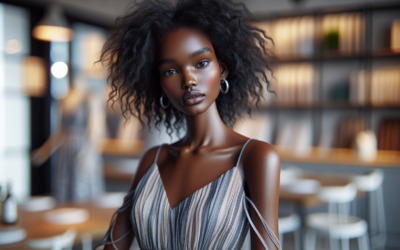
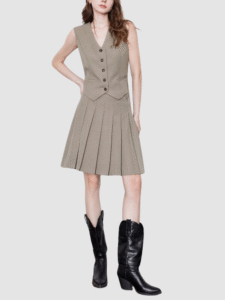
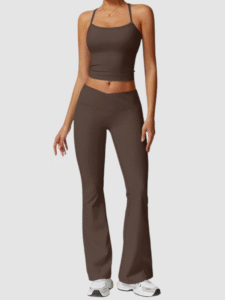
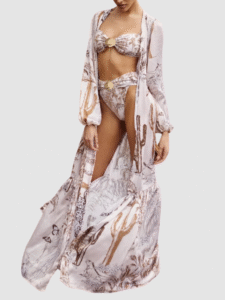
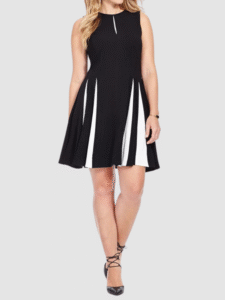
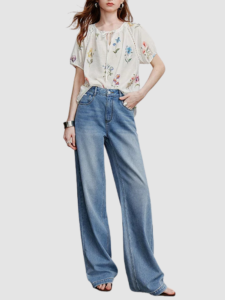
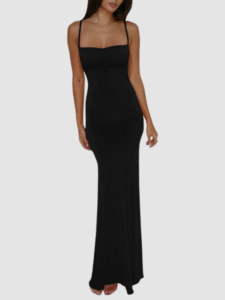

Okay, let’s talk fashion. But not just any fashion—we’re talking about sustainable women’s fashion. And we’re not just talking about *today* (though that’s important, too!). We’re peeking into our crystal ball, or rather, the runways and design labs, to see what’s shaping up for 2025 and beyond. Think consciously crafted clothes, innovative materials, and a whole lot of style that doesn’t cost the earth. Literally.
Why Should You Even Care About Sustainable Fashion?
Because honestly? The fashion industry has a pretty huge footprint. We’re talking about water usage, carbon emissions, waste, and ethical labor practices. It’s a tangled web, but basically, where and how clothes are made has got to improve. You buying smarter supports that change. When you buy consciously, you’re not just getting a new outfit; you’re voting for a better future. So, maybe you’re asking yourself, “Is my wardrobe making a difference?”. Here’s why going green in your closet matters more than ever.
What’s the Vibe in Women’s Fashion Leading Up to 2025?
Here’s the thing: the fashion landscape is changing faster than you can say “fast fashion.” We’re seeing a massive shift from disposable trends to investment pieces. Think capsule wardrobes curated with timeless essentials that last for years, not just seasons. And the overall aesthetic? It’s leaning towards comfort, versatility, and a touch of individuality. Imagine clothing that effortlessly transitions from the office to a weekend getaway.
Key Trends Shaping Sustainable Women’s Fashion in 2025
So, what exactly does this future of conscious clothing look like? Let’s break down some of the major trends that are getting us excited:
-
- Upcycled & Repurposed Materials: Giving old fabrics and garments a new lease on life is getting seriously creative. Think denim patchwork dresses, vintage silk scarf tops, or even discarded fishing nets turned into chic activewear.
-
- Innovative Fabrics: From plant-based leathers (mushroom leather, anyone?) to recycled ocean plastic textiles, the material science world is working overtime. Imagine wearing clothes made from orange peel waste – neat, right?
-
- Transparency & Traceability: Knowing where your clothes come from and who made them is becoming non-negotiable. Brands are increasingly sharing supply chain information and using technologies like blockchain to ensure ethical production.
-
- Circular Design: Clothes designed to be easily recycled or disassembled at the end of their life are becoming crucial. This is about minimizing waste and maximizing resource reuse. It’s like the clothing equivalent of a closed-loop system.
-
- Rental & Resale Markets: Owning less and sharing more is catching on in a big way. Renting special occasion outfits or buying pre-owned designer pieces is becoming the savvy (and sustainable) choice, because who really has room for more stuff?
Upcycled and Repurposed Treasures: The Art of Giving Second Life
Upcycling isn’t just about slapping a patch on a ripped jean; it’s a creative revolution. Designers are turning discarded materials into high-fashion pieces. Picture this: A flowy dress crafted from vintage silk scarves, each with its own story to tell. Or a structured jacket made from repurposed denim, showcasing intricate patchwork designs. It’s fashion with a soul, and it’s gaining serious traction.
Fabrics of the Future: Innovation in Sustainable Textiles
Forget everything that you thought about textiles; we’re entering a new era of material magic. Brands are actively looking for alternatives that have a lower impact. Here are some of the fabrics popping up:
-
- Piñatex: Made from pineapple leaf fibers – a byproduct of the pineapple harvest.
-
- Mylo: A leather alternative grown from mycelium (mushroom roots).
-
- Seaqual Initiative: Yarns made from recycled marine plastic.
-
- Tencel: A sustainable fiber made from wood pulp.
These new materials not only reduce waste but also often require less water and energy to produce. It’s a win-win, honestly.
Transparency: Peeking Behind the Curtain of Fashion
Consumers are demanding to know more about where their clothes come from. Brands are responding by sharing their supply chains, disclosing factory locations, and highlighting their ethical practices. Technology plays a crucial role here. Blockchain, for example, can track a garment’s journey from raw material to your closet, ensuring transparency every step of the way. It’s about building trust and holding brands accountable.
Circular Design: Closing the Loop on Fashion Waste
The traditional “take-make-dispose” model of fashion is unsustainable. Circular design aims to change that. It focuses on creating clothes that can be easily recycled, repaired, or disassembled. Brands are exploring mono-material designs (using only one type of fabric) to simplify recycling, and designing clothes with replaceable parts to extend their lifespan. Circularity is no longer a buzzword; it’s a necessity.
Renting and Reselling: The Sharing Economy Comes to Your Closet
Why buy when you can rent? Rental services are booming, offering access to designer pieces without the commitment of ownership. Imagine having a constantly rotating wardrobe of on-trend outfits for a fraction of the retail price. Resale platforms are also flourishing, providing a marketplace for pre-owned clothing. It’s a great way to declutter your closet, earn some cash, and give your clothes a second life.
The Role of Technology in Sustainable Fashion’s Rise
Let me explain this: Technology is not just about fancy gadgets; it’s a key enabler of sustainable practices. From AI-powered design tools to automate material cutting and waste management, to technologies that help with fiber-to-fiber recycling, technology is influencing all aspects of the fashion industry. It’s helping brands become more efficient, transparent, and eco-conscious.
How to Build Your 2025 Sustainable Women’s Fashion Wardrobe Today
Okay, so how do you get in on this action, right now? It’s not about throwing everything out and starting from scratch. It’s about making conscious choices and building a wardrobe thoughtfully. Here are some pointers:
-
- Start with what you have: Before buying anything new, assess your current wardrobe. What do you love? What do you wear? What can be altered or repurposed? A little creativity can go a long way.
-
- Invest in quality over quantity: Buy fewer, better-made items that will last longer. Look for timeless styles that you can wear for years to come.
-
- Choose sustainable materials: Look for organic cotton, recycled polyester, Tencel, and other eco-friendly fabrics.
-
- Support ethical brands: Do your research and support brands that prioritize fair labor practices and environmental responsibility.
-
- Embrace secondhand shopping: Explore thrift stores, consignment shops, and online resale platforms. You might be surprised at the hidden gems you can find.
-
- Care for your clothes properly: Wash your clothes in cold water, hang them to dry, and repair them when needed. Proper care can significantly extend the lifespan of your garments.
The Future is Bright (and Green): Sustainable Fashion Beyond 2025
Looking beyond 2025, the future of sustainable women’s fashion is undeniably bright. We’re talking bio-fabricated materials, personalized clothing made on-demand to minimize waste, and even more radical innovations we can’t yet imagine. The key is to keep pushing the boundaries of creativity and technology, while staying true to our commitment to people and the planet.
Beyond the Trends: The Core Goal of Sustainable Fashion
Fashion, at its core, shouldn’t be just about the clothes. Sustainable fashion aims to change the industry for the better. It’s about respect – respect for the environment, for the people who make our clothes, and for ourselves. It’s about creating a system that values quality, durability, and ethical practices over fleeting trends and disposable garments.
Finding Your Personal Style in a Sustainable Way: What to prioritize?
Sustainable fashion is not about sacrificing your personal style. It’s about finding ways to express yourself while minimizing your impact. Experiment with different silhouettes, colors, and textures. Mix and match vintage pieces with new items. Accessorize with sustainable jewelry and bags. The possibilities are endless. Most importantly, embrace your individuality and wear clothes that make you feel good.
The Power of Collective Action: Can we make a difference?
You know what? Every purchase you make is a choice. By supporting sustainable brands, choosing eco-friendly materials, we contribute to reducing the fashion industry’s footprint. Spread the word, share your knowledge, and inspire others to join the movement. Together, we can create a more sustainable and equitable future for fashion.
Challenges and Opportunities: Sustainability is a Journey
Let’s be real, sustainable fashion isn’t without its challenges. Scaling up innovative technologies, ensuring affordability, and changing consumer behavior are all hurdles we need to overcome. But these challenges also present incredible opportunities. Opportunities for entrepreneurs to create innovative solutions, for brands to lead the way in ethical practices, and for consumers to make a real difference with their purchasing power.
Women Leading the Charge in Sustainable Fashion
Let’s be real: women are at the forefront of the sustainable fashion revolution! From designers creating innovative eco-friendly collections to activists advocating for change, women are taking the initiative to make fashion more ethical and environmentally responsible. These leaders are inspiring others and demonstrating that sustainable fashion is not just a trend; it’s a movement with the power to reshape the industry. Their creativity, vision, and dedication are paving the way for a more sustainable future.
Final Thoughts: Embracing Sustainable Women’s Fashion in 2025 and Beyond
Sustainable women’s fashion in 2025 and beyond is about more than just clothes; it’s about creating a better future for the planet and its people. By embracing upcycled materials, cutting-edge fabrics, transparency, circular design, and conscious consumerism, we can all play a role in transforming the fashion industry. So, let’s raise a glass (or a sustainably sourced tote bag) to a future where fashion is both stylish and sustainable!
Remember that the best choice? Is to choose to get dressed consciously.
FAQ Section
Sustainable fashion refers to clothing and accessories made using eco-friendly materials and ethical production methods. It considers the entire lifecycle of a garment, from its raw materials to its disposal, aiming to minimize environmental impact and ensure fair labor practices.
Look for certifications such as GOTS (Global Organic Textile Standard) or Fair Trade. Research the brand’s practices, material sourcing, and supply chain transparency. Brands committed to sustainability often provide detailed information on their websites.
While some sustainable items may have a higher upfront cost, they are often more durable and long-lasting, making them a better investment in the long run. Buying fewer, high-quality sustainable pieces can be more economical than frequently purchasing cheaper, less durable items.
Some eco-friendly fabrics include organic cotton, recycled polyester (rPET), Tencel (lyocell), linen, hemp, and innovative materials like Piñatex (pineapple leaf fiber) and Mylo (mushroom leather).
Start by assessing what you already own and wear. Repair and care for your clothes to extend their lifespan. Shop secondhand, swap clothes with friends, and consider renting for special occasions. When buying new items, choose sustainable materials and ethical brands.
Key trends include upcycled and repurposed materials, innovative fabrics, transparency and traceability in supply chains, circular design principles, and the growth of rental and resale markets.
Technology plays a role from AI-powered design that minimizes waste to tracking materials from raw sources to end use. Advancements in fiber recycling processes also help reduce environmental impact.
Relevant Links
Here are some external links with comprehensive information on sustainable fashion:
DISCLAIMER
This article provides general information about sustainable fashion trends and practices. While we strive to provide accurate and up-to-date information, fashion trends and sustainability practices can change rapidly. Readers should conduct their own research and consult with experts before making purchasing or lifestyle decisions.
Categories
- Activewear (160)
- Athletic Jackets (12)
- Comfortable Leggings (14)
- Cozy Joggers (15)
- Functional Sports Shorts (20)
- Stylish Tank Tops (20)
- Supportive Sports Bras (20)
- Yoga Pants (20)
- Yoga Tops (18)
- Bottoms (43)
- Classic Capris (4)
- Comfortable Leggings (4)
- Fashion Shorts (3)
- Skirts (12)
- Stylish Jeans (4)
- Stylish Overalls (4)
- Tailored Trousers (4)
- Unique Jumpsuits (4)
- Curved Fashion (73)
- Dresses (148)
- Boho Dresses (6)
- Casual Dresses (5)
- Cocktail Dresses (4)
- Evening Dresses (10)
- Floral Dresses (15)
- Little Black Dresses (6)
- Maxi Dresses (5)
- Midi Dresses (5)
- Plus-Size Dresses (5)
- Summer Dresses (5)
- Fashion Trends (82)
- Luxury & Designer (94)
- Outfit Inspiration (73)
- Style Guides (67)
- Sustainable Fashion (66)
- Swimwear (122)
- Chic Cover-Ups (6)
- Maternity Swimwear (4)
- One-Piece Swimsuits (5)
- Plus-Size Swimwear (3)
- Stylish Bikinis (7)
- Swim Dresses (6)
- Swim Skirts (7)
- Trendy Tankinis (6)
- Tops (61)
- Button-Down Shirts (4)
- Casual T-Shirts (10)
- Comfortable Hoodies (6)
- Cozy Sweaters (5)
- Elegant Tunics (8)
- Feminine Blouses (8)
- Off-Shoulder Tops (5)
- Stylish Tank Tops (4)
- Trendy Crop Tops (6)
- Travel & Lifestyle Fashion (67)
- Trend Reports (88)
- Workwear & Professional (72)