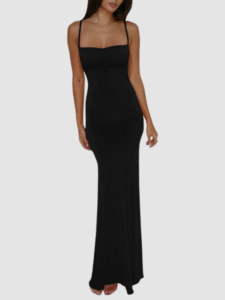

Date Night to Daywear: Sustainable Women’s Fashion Brands for Every Occasion in 2025
Okay, let’s talk fashion – but with a twist. We’re not just chasing trends; we’re chasing sustainability, versatility, and clothes that feel good, look good, and do good. As we cruise into 2025, our closets need to be as conscious as our coffee choices. And guess what? It’s totally achievable! Forget those disposable fast-fashion hauls. We’re curating wardrobes that transition seamlessly from a romantic dinner to a power lunch. Think of it as fashion that works as hard as you do.
Why Sustainable Fashion Isn’t Just a Trend – It’s the Future
Here’s the thing: sustainable fashion isn’t a fleeting fad. It’s about making responsible choices that benefit both us and the planet. We all know that textile waste is a massive problem. Fast fashion churning out cheap clothes that end up in landfills faster than you can say “next season.” So what are we doing about it? We need fashion that lasts, both in terms of durability and style. Plus, let’s be real – wearing clothes made ethically just feels better, right?
It’s about more than just eco-friendly materials, though, though that’s a big part. It’s also about fair labor practices, reduced water consumption, and minimizing carbon footprints. In 2025, we’re demanding transparency, and brands are (hopefully!) stepping up to deliver. Think of it like your food – you want to know where it comes from, how it was made, and that it’s not full of junk. Same goes for your clothes, yeah?
Decoding ‘Sustainable’: What to Look For
So, how do you actually *find* these mythical sustainable brands? It’s not always easy, but here’s a cheat sheet:
- Eco-Friendly Materials: Think organic cotton, recycled polyester (rPET), Tencel (made from sustainably sourced wood), and innovative materials like Piñatex (pineapple leather) or fabrics made from seaweed.
- Ethical Production: Look for brands that prioritize fair wages, safe working conditions, and worker empowerment. Certifications like Fair Trade can be a good indicator.
- Transparency: Brands should be upfront about their supply chain, materials sourcing, and manufacturing processes. If they’re hiding something, that’s a red flag.
- Circularity: Are they designing for durability and recyclability? Do they offer repair services or take-back programs? Circular fashion keeps clothes in use for longer.
- Minimal Waste: How are they minimizing waste during production? Are they using water-efficient dyeing techniques?
It’s like dating, honestly. You’re looking for qualities that are going to last, not just a pretty face (or a trendy design). Don’t be afraid to ask questions and do your research. Your wardrobe (and the planet) will thank you.
Top Sustainable Brands Rocking the “Date Night to Daywear” Vibe in 2025
Alright, let’s get to the good stuff – the brands. I’ve curated a list of companies that are killing it in the sustainable fashion game, offering versatile pieces perfect for any occasion.
For the Eco-Conscious Romantic
- Brand A (Hypothetical): Specializes in elegant, minimalist dresses made from organic silk and Tencel. Think slip dresses you can dress up with heels for a date or down with sneakers for brunch.
- Brand B (Hypothetical): Creates stunning blouses and skirts from recycled fabrics with intricate, nature-inspired prints. Perfect for a sophisticated dinner or a museum visit.
- Brand C (Hypothetical): Offers a range of timeless, well-made sweaters and cardigans from ethically sourced wool. Ideal for layering over a dress on a chilly evening or pairing with jeans for a cozy day out.
The Power Lunch Professional (with a conscience)
- Brand D (Hypothetical): Focuses on tailored blazers and trousers from recycled materials. They’re the ultimate power suit reimagined with sustainability in mind.
- Brand E (Hypothetical): Makes versatile button-down shirts and pencil skirts from organic cotton. Classic pieces that can be styled for the office or a casual weekend.
- Brand F (Hypothetical): Offers a range of sophisticated jumpsuits and dresses from modal fabrics. Comfortable yet polished, perfect for a day of meetings or a networking event.
See, sustainable doesn’t have to mean granola. These brands prove you can be stylish, professional, and environmentally responsible all at the same time.
Weekend Warrior Eco-Chic
- Brand G (Hypothetical): Known for its comfortable and stylish jeans made from recycled denim. A weekend wardrobe staple.
- Brand H (Hypothetical): Offers a range of graphic tees and hoodies made from organic cotton and printed with sustainable inks. Perfect for a casual day out or lounging at home.
- Brand I (Hypothetical): Creates versatile dresses and skirts from recycled materials with fun, playful prints. Ideal for a picnic in the park or a farmers market visit.
Being eco-conscious can be fun, and this list proves it. These brands offer styles for everyone.
Beyond the Brands: Building a Sustainable Wardrobe
Okay, knowing the brands is only half the battle. Building a truly sustainable wardrobe requires a bit more strategy. Think of it like investing – you need a diversified portfolio of pieces that work together and last the long haul.
Capsule Wardrobe Magic
The concept of a capsule wardrobe is simple: a limited number of versatile pieces that can be mixed and matched to create a variety of outfits. It’s like having a small but mighty army of clothes ready to tackle any occasion. Start with a few neutral basics – a black dress, a white shirt, a pair of well-fitting jeans – and then add in a few statement pieces that reflect your personal style.
The key is to choose high-quality, durable items that you absolutely love and can see yourself wearing for years to come. It’s better to invest in one amazing sustainable coat than five cheap, trend-driven ones that will fall apart after a season.
Embrace Secondhand and Vintage
The most sustainable clothes are the ones that already exist! Give pre-loved garments a new life. There are tons of sites, like ThredUp and TheRealReal, that offer high-quality secondhand clothing. Plus, thrifting can be a total treasure hunt – you never know what unique finds you might discover.
Don’t be afraid to get your clothes tailored! Taking care of your old clothes and recycling them instead of throwing them away is a very effective way to create a greener footprint. So, before you toss something aside, make sure it’s really reached the end of its road.
Care for Your Clothes Like They Care for You
Proper care is key to extending the life of your clothes. Wash your clothes less often (unless they’re actually dirty, of course). Consider using eco-friendly detergents and air-drying your clothes whenever possible. Learn basic sewing skills so you can repair minor tears and holes yourself. A little TLC can go a long way!
Think of it like taking care of a pet. You wouldn’t neglect your furry friend, would you? Your clothes deserve the same love and attention.
The Future of Fashion: Innovation and Beyond
The sustainable fashion landscape is constantly evolving, with new technologies and innovations emerging all the time. It’s interesting to wonder where it’s headed. From lab-grown textiles to 3D-printed clothing, the possibilities are endless.
Lab-Grown Fabrics
Imagine fabrics grown in a lab, using minimal resources and producing zero waste. It sounds like science fiction, but it’s becoming a reality. Companies are developing innovative methods to create sustainable alternatives to traditional textiles like cotton and silk. What’s great about innovation is that it moves quickly. In a few years, we’ll surely see the fashion landscape has totally changed, and in a positive direction.
3D-Printed Clothing
Imagine being able to download a clothing pattern and print it out at home! 3D printing has the potential to revolutionize the way we design, manufacture, and consume clothing. It’s like having a personal tailor on demand. You might think 3D printed clothing won’t be comfortable, but it’s improving more every day, and it’s already better today than it was a decade ago.
AI-Powered Personalization
Artificial intelligence can help us make more informed and sustainable fashion choices. AI algorithms can analyze your style preferences, body type, and lifestyle to recommend clothing that is both flattering and environmentally friendly. Pretty neat, huh? AI is going to change the landscape of our lives very quickly, and fashion is no exception.
You know what? Choosing sustainable fashion isn’t about perfection; it’s about making conscious decisions and doing our part to create a better future. And looking great while doing it, of course!
How to Maintain Your Sustainable Clothing
Taking the plunge into sustainable fashion is like starting a good relationship: it requires understanding, care, and commitment. Sustainable fabrics often differ from traditional ones, and treating them right can significantly extend the life of your garments. Let’s discuss effective ways to keep your outfits in top condition, ensuring your wardrobe remains as vibrant as your values.
Understanding Fabric Care
First off, it’s vital to get clued up on the fabrics you own. Organic cotton, bamboo, recycled polyester, or Tencel—each material has unique needs. For instance, while organic cotton is quite durable, it benefits from gentle washing to prevent shrinkage and maintain its texture. Recycled polyester is less prone to shrinking but can be sensitive to high heat, which might damage the material or cause color fading.
Fabrics like Tencel and bamboo are known for their softness and breathability, but they can also be more delicate. These materials thrive on gentle cycles and mild detergents. Knowing what your clothes are made of is the first step in ensuring they remain wearable and visually appealing for years, which inherently supports sustainability by reducing the need for frequent replacements.
Washing Wisdom: A Gentle Approach
When that laundry basket is overflowing, resist the urge to throw everything in together on a high-intensity cycle. Instead, sort your clothes properly, separating darks, lights, and delicates to avoid color bleeding and fabric damage. Use a mild, eco-friendly detergent, steering clear of harsh chemicals, bleach, or fabric softeners, which can break down fibers and harm the environment. A small amount of detergent is often sufficient, and you’re not only protecting your clothes but also reducing water pollution!
Opt for cold water washing whenever possible, as it’s gentler on fabrics and reduces energy consumption. Hand washing your most delicate items is also a fantastic way to prolong their life. When using a machine, select a gentle cycle and consider using a laundry bag to protect items with embellishments or delicate weaves. This careful approach minimizes wear and tear.
Drying Tactics That Protect
The way you dry your clothes is just as crucial as how you wash them. Tumble dryers are convenient, but the high heat can be rough on sustainable fabrics, leading to shrinkage, fading, and damage. Air drying is typically the best method. Hang your clothes on a line or drying rack, preferably in a shaded area to prevent color fading from direct sunlight. Not only does this save energy, but it also helps maintain the integrity of the fabric, keeping your clothes looking newer for longer.
If you must use a dryer, choose a low heat setting and consider adding dryer balls to help soften fabrics and reduce drying time. Remove clothes promptly to avoid overdrying, which can cause wrinkles and static. Thinking through your drying process is a win for the environment and a win for your wardrobe!
Storage Solutions for Longevity
Proper storage is a game-changer if you’re looking to extend the life of your sustainable fashion pieces. Make sure your clothes are clean and completely dry before storing them to prevent mildew and odors. Use padded hangers for delicate items to maintain their shape and prevent stretching. For knitwear, folding is generally better than hanging, as it prevents the shoulders from sagging.
Store out-of-season clothing in breathable cotton or linen bags to protect them from dust and pests while allowing air circulation. Avoid plastic bags as they can trap moisture. Consider cedar blocks or lavender sachets to naturally repel moths and keep your clothes smelling fresh. Organize your closet to avoid overcrowding, which can lead to wrinkles and unnecessary wear. A little organization goes a long way!
Repair and Upcycle
One of the most sustainable habits you can adopt is learning to repair and upcycle your clothes. Simple repairs, like reattaching a button, fixing a seam, or patching a small hole, can significantly extend the life of a garment. There are countless online tutorials that offer step-by-step instructions, and mastering these skills is incredibly empowering. Get a basic sewing kit, and you’ll be set to tackle minor repairs as they arise.
Upcycling takes it a step further, transforming old or damaged clothing into something entirely new. Consider cutting old jeans into shorts, turning a worn-out shirt into reusable shopping bags, or using fabric scraps to create patchwork quilts. The possibilities are endless, and it’s a fantastic way to unleash your creativity while reducing textile waste. Embrace the art of mending and transforming, and you’ll extend the life of your sustainable wardrobe while adding a unique touch.
The Role of Technology in Enhancing Sustainable Fashion Choices
In the quest to dress responsibly without compromising style, technology emerges as a vital ally, offering tools and solutions that simplify the process and magnify the impact. From virtual wardrobe apps to innovative fabric recycling systems, technology is reshaping how we perceive, purchase, and maintain sustainable fashion. Let’s look at the ways tech is revolutionizing the industry!
Virtual Wardrobe Apps: Organize, Plan, and Reduce Waste
Virtual wardrobe apps are revolutionizing the way we manage our clothing. These applications allow you to upload photos of your existing wardrobe, digitally cataloging everything you own. Think of it as a digital closet at your fingertips. With all your clothes stored virtually, you can easily plan outfits, see what you have, and identify gaps in your wardrobe before making new purchases. These apps also often offer styling suggestions, helping you create new looks from existing items and reducing the urge to buy something new for every occasion.
By providing a clear overview of everything you own, virtual wardrobe apps help you avoid buying duplicates and make more informed purchasing decisions. Some apps even track your wear frequency, highlighting items you rarely wear and prompting you to consider selling, donating, or repurposing them. Overall, these apps significantly reduce textile waste by encouraging thoughtful consumption.
Blockchain: Ensuring Transparency in the Supply Chain
Blockchain technology is transforming supply chain transparency, a critical factor in verifying the true sustainability of a garment. By recording every step of the production process—from raw material sourcing to manufacturing and distribution—on an immutable ledger, blockchain ensures traceability and accountability. Consumers can scan a QR code on a garment to view its journey, verifying claims of organic cotton, ethical labor practices, and reduced carbon emissions.
This level of transparency builds trust between brands and consumers, allowing shoppers to make informed choices based on verifiable data. Blockchain can also help combat counterfeiting and fraud, ensuring that products claiming to be sustainable are genuinely what they claim to be. By fostering greater visibility, blockchain empowers consumers to support brands committed to ethical and environmentally responsible practices.
AI-Powered Shopping Tools: Finding Sustainable Alternatives
Artificial intelligence (AI) is enhancing the shopping experience by helping consumers find sustainable alternatives to conventional products. AI-powered shopping tools can analyze vast datasets of clothing options, filtering by criteria such as sustainable materials, ethical production practices, and certifications. These tools learn your preferences over time, offering personalized recommendations tailored to your style and values.
Imagine an AI assistant that suggests eco-friendly alternatives when you search for a particular item. This technology ensures that sustainable choices are readily available and easy to discover, making it simpler for consumers to shop responsibly. Some AI tools even provide information on a brand’s sustainability practices, helping you assess their overall commitment to environmental and social responsibility.
Smart Labels: Providing Detailed Product Information
Smart labels are revolutionizing how we interact with our clothing, providing detailed information about a garment’s environmental and social impact. These labels use technologies like RFID (Radio-Frequency Identification) and NFC (Near Field Communication) to store and transmit data that can be accessed via smartphones. Consumers can scan a smart label to learn about a product’s materials, origin, carbon footprint, and even care instructions.
Smart labels also offer opportunities for brands to engage with consumers post-purchase, providing tips on how to extend the life of the garment, offering repair services, or facilitating recycling. This level of engagement fosters a circular economy by encouraging responsible consumption and waste reduction. By providing instant access to comprehensive product information, smart labels empower consumers to make more informed and sustainable choices.
Innovation in Fabric Recycling Systems
Innovative fabric recycling systems are critical for addressing the growing problem of textile waste. New technologies are emerging that can efficiently break down old garments into their raw materials, which can then be used to create new fabrics. Chemical recycling technologies, for example, can separate fibers at a molecular level, allowing for the creation of high-quality recycled materials that are virtually indistinguishable from virgin fibers.
These advancements reduce the reliance on virgin materials, conserve natural resources, and minimize landfill waste. Some companies are even developing closed-loop systems where they collect old garments from consumers, recycle them into new fabrics, and then create new products. By investing in and supporting these recycling technologies, we can move towards a more circular and sustainable fashion industry.
What to Look For in Brands That Promote Sustainable Practices
As consumers become more aware of the environmental and social impact of their purchasing decisions, demand has surged for brands to adopt more sustainable practices. Distinguishing genuine eco-conscious companies from those that engage in “greenwashing” can be challenging. A brand’s sustainability efforts are legitimate, and here’s what to look for.
Transparency and Traceability
One of the most important indicators of a brand’s commitment to sustainability is transparency. Sustainable brands are open and honest about their supply chain, sourcing of materials, manufacturing processes, and labor practices. They provide detailed information on their website, in their marketing materials, and through product labeling. Look for brands that disclose their suppliers, the origin of their raw materials, and the environmental impact of their operations.
Traceability is essential for verifying sustainability claims. Brands should be able to trace each step of their production process, from raw material to finished product. Technology like blockchain can help ensure transparency and build trust with consumers. A brand’s willingness to share this information is a strong sign of their genuine dedication to sustainability.
Certification and Standards
Certifications and standards provide independent verification of a brand’s sustainability practices. Look for certifications like GOTS (Global Organic Textile Standard) for organic cotton, Fair Trade for ethical labor practices, OEKO-TEX Standard 100 for testing harmful substances, and Bluesign for sustainable textile production. These certifications ensure that a brand meets specific environmental and social criteria.
However, it is not enough to rely solely on certifications. Investigate each certification to understand its criteria and standards thoroughly. Certifications can aid in your review process, but a complete comprehension enables you to make the most effective judgments about a brand’s level of excellence.
Sustainable Materials and Production Methods
Sustainable brands prioritize using eco-friendly materials and implementing sustainable production methods. They seek resources that have insignificant environmental effects and are able to reduce waste, water usage, and chemical usage. Consider companies that spend money on recycled ingredients, like polyester from post-consumer plastic, organic cotton, Tencel from responsibly managed forests, and cutting-edge material choices like fruit-based or algae-based fabrics.
Make sure the brands are making use of water-saving technology, renewable energy sources, and waste reduction practices to lessen the impact of their environmental footprint. Seek out companies that operate on the idea of a circular market, where items are developed with lifespan, recyclability, and less waste in mind. These methods demonstrate a commitment to environmental stewardship.
Ethical Labor Practices
A brand’s commitment to ethical labor practices is a critical aspect of sustainability. Sustainable brands ensure fair wages, safe working conditions, and respect for workers’ rights throughout their supply chain. Look for brands that have a code of conduct or ethics policy that outlines their labor standards. They may collaborate with Fair Trade organizations or participate in social compliance audits to ensure adherence to ethical labor practices.
Transparency is essential to promote ethical behavior. To ensure that labor practices are maintained at its facilities, transparent brands often release information about the criteria and effectiveness of their labor standards. Knowing that the company is committed to treating all employees and workers with respect and dignity can influence customer decisions.
Circular Economy Initiatives
Circular economy initiatives are essential for minimizing waste and maximizing resource utilization. Sustainable brands focus on circularity by creating items that are strong, recyclable, and meant to be useful for a more extended period. See whether companies run recycling programs, take-back schemes, and provide repair services to increase the lifespan of their products.
Look for brands that re-purpose unwanted fabrics into clothing, encourage recycling, and make it simple which products may enter the ecosystem once they’ve served their original purpose. Brands that prioritize minimizing waste and increasing resource efficiency exhibit a dedication to environmental sustainability.
The Financial Benefits of Investing in Sustainable Fashion
Investing in sustainable fashion might seem like an expensive choice at first, but when you look at the bigger picture, it can actually be a smart financial move. While eco-friendly garments might have a higher upfront cost, the long-term benefits often outweigh the initial investment.
Durability: Fewer Replacements Needed
One of the most significant financial benefits of sustainable fashion is the durability of the garments. Brands that prioritize sustainability often use high-quality, eco-friendly materials that are designed to last. Unlike fast-fashion items that wear out quickly and need frequent replacement, sustainable clothing is built to withstand regular wear and tear, meaning you won’t have to replace them as often.
Consider investing in a well-made organic cotton shirt that, with proper care, can last for years, compared to a cheap synthetic shirt that might only last a season. Over time, the cost per wear of the sustainable item is significantly lower, saving you money in the long run.
Timeless Styles: Staying in Vogue Longer
Sustainable fashion often emphasizes timeless, classic styles that transcend fleeting trends. Instead of constantly chasing the latest fads, sustainable brands focus on creating versatile pieces that can be worn for years. Investing in these timeless styles means you won’t have to update your wardrobe as frequently, saving you money and reducing waste.
Think of a classic trench coat made from sustainable materials that you can wear season after season, compared to a trendy jacket that will be out of style in a few months. By building a wardrobe of timeless pieces, you can avoid the cycle of constantly buying new clothes only to discard them shortly after.
Resale Value: Recouping Some of Your Investment
Sustainable fashion often holds its value better than fast-fashion items, meaning you can recoup some of your investment by reselling your clothes when you’re finished with them. Platforms like TheRealReal, ThredUp, and Poshmark make it easy to sell your gently used clothing, giving them a second life and putting money back in your pocket.
Consider selling a sustainable designer dress that you no longer wear, compared to trying to sell a cheap, mass-produced dress that has little to no resale value. By choosing higher-quality, sustainable items, you’re investing in something that can retain some of its value over time.
Less Frequent Purchases: Saving Time and Money
Investing in sustainable fashion reduces the need for frequent shopping trips, saving you both time and money. Instead of constantly browsing for the latest trends and deals, you can build a curated wardrobe. Think about the time and money you spend on impulse purchases compared to carefully selecting a few investment pieces that you truly love and will wear for years.
Shopping less often allows you to focus on other aspects of your life, whether it’s pursuing hobbies, spending time with loved ones, or advancing your career. By making conscious choices about your wardrobe. Less shopping is an added bonus.
Supporting Ethical Brands: Investing in a Better World
When you invest in sustainable fashion, you’re not just buying clothes; you’re supporting ethical labor practices and a more sustainable future. By supporting brands that prioritize fair wages, safe working conditions, and environmental responsibility, you’re contributing to a better world for everyone.
While the financial benefits of investing in sustainable fashion are clear, the intangible benefits of supporting ethical businesses and contributing to a better world are priceless. You can feel good about the clothes you wear, knowing that they were made responsibly and with respect for both people and the planet.
FAQ About Sustainable Fashion
What exactly does “sustainable fashion” mean?
Sustainable fashion refers to clothing and accessories that are produced in an environmentally and socio-economically responsible manner. It encompasses various aspects such as using eco-friendly materials, minimizing waste, reducing carbon emissions, ensuring fair labor practices, and promoting a circular economy.
Why is sustainable fashion important?
Sustainable fashion is important because the traditional fashion industry has significant negative impacts on the environment and society. Fast fashion leads to overconsumption, waste generation, pollution from textile production, and exploitation of garment workers. Sustainable fashion aims to mitigate these issues by creating a more ethical and environmentally conscious industry.
How can I identify sustainable fashion brands?
You can identify sustainable fashion brands by looking for certifications like GOTS (Global Organic Textile Standard), Fair Trade, OEKO-TEX Standard 100, and Bluesign. Additionally, check if the brand is transparent about its supply chain, uses eco-friendly materials, implements sustainable production methods, and has ethical labor practices.
What are some common sustainable materials used in fashion?
Common sustainable materials include organic cotton, recycled polyester (rPET), Tencel (made from sustainably sourced wood), hemp, bamboo, linen, and innovative materials like Piñatex (pineapple leather) and fabrics made from seaweed. These materials have a lower environmental impact compared to conventional materials like conventional cotton and synthetic fabrics.
Is sustainable fashion more expensive than fast fashion?
Sustainable fashion can sometimes have a higher upfront cost compared to fast fashion due to the use of higher-quality materials and ethical production practices. However, sustainable garments are often more durable and can last longer, making them a better investment in the long run. Additionally, supporting sustainable brands contributes to a more ethical and environmentally responsible industry.
How can I make my existing wardrobe more sustainable?
You can make your existing wardrobe more sustainable by practicing mindful consumption, caring for your clothes properly (washing less often, using eco-friendly detergents), repairing and upcycling old garments, donating or reselling clothes you no longer wear, and avoiding fast fashion purchases. Every small step counts towards creating a more sustainable lifestyle.
What is “greenwashing” and how can I avoid it?
“Greenwashing” refers to the practice of brands falsely claiming to be sustainable or eco-friendly when their practices are not genuinely sustainable. To avoid greenwashing, do your research, look for certifications from reputable organizations, check for transparency in the brand’s supply chain, and be wary of vague or unsubstantiated claims.
DISCLAIMER
Please note: The brands and products mentioned in this article are hypothetical examples used for illustrative purposes only. Readers should conduct their own research and due diligence before making any purchasing decisions. Sustainable fashion is an evolving field, and information may change over time. It is advisable to verify the sustainability claims and certifications of any brand before supporting them.
Categories
- Activewear (160)
- Athletic Jackets (12)
- Comfortable Leggings (14)
- Cozy Joggers (15)
- Functional Sports Shorts (20)
- Stylish Tank Tops (20)
- Supportive Sports Bras (20)
- Yoga Pants (20)
- Yoga Tops (18)
- Bottoms (43)
- Classic Capris (4)
- Comfortable Leggings (4)
- Fashion Shorts (3)
- Skirts (12)
- Stylish Jeans (4)
- Stylish Overalls (4)
- Tailored Trousers (4)
- Unique Jumpsuits (4)
- Curved Fashion (73)
- Dresses (148)
- Boho Dresses (6)
- Casual Dresses (5)
- Cocktail Dresses (4)
- Evening Dresses (10)
- Floral Dresses (15)
- Little Black Dresses (6)
- Maxi Dresses (5)
- Midi Dresses (5)
- Plus-Size Dresses (5)
- Summer Dresses (5)
- Fashion Trends (82)
- Luxury & Designer Archive (94)
- Outfit Inspiration (73)
- Style Guides (67)
- Sustainable Fashion (66)
- Swimwear (122)
- Chic Cover-Ups (6)
- Maternity Swimwear (4)
- One-Piece Swimsuits (5)
- Plus-Size Swimwear (3)
- Stylish Bikinis (7)
- Swim Dresses (6)
- Swim Skirts (7)
- Trendy Tankinis (6)
- Tops (61)
- Button-Down Shirts (4)
- Casual T-Shirts (10)
- Comfortable Hoodies (6)
- Cozy Sweaters (5)
- Elegant Tunics (8)
- Feminine Blouses (8)
- Off-Shoulder Tops (5)
- Stylish Tank Tops (4)
- Trendy Crop Tops (6)
- Travel & Lifestyle Fashion (67)
- Trend Reports Archive (88)
- Workwear & Professional (72)