Investing in a Better World: The Best Sustainable Women’s Fashion Brands of 2025
Fashion: it’s more than just clothes, isn’t it? It’s a statement, an expression, and, let’s be honest, a bit of a guilty pleasure for many. But what if our fashion choices could actually help the planet, not hurt it? That’s the question more and more of us are asking. Enter the world of sustainable women’s fashion. In this guide, we’ll explore the brands leading the charge in 2025, where looking good and feeling good about your impact go hand in hand.
What Makes a Fashion Brand Truly Sustainable?
So, what exactly does “sustainable fashion” even mean? It’s a buzzword these days, but behind the hype lies real effort. We’re talking about brands that are consciously reducing their environmental and social impact, from the materials they use to the way they treat their workers. It’s not just about organic cotton (though that’s a great start!).
Think of it this way: traditional fashion is like a fast-food burger – cheap, convenient, but ultimately not great for you or the planet. Sustainable fashion is the farm-to-table meal. It takes more intention, but the payoff is huge. It includes things like:
- Eco-friendly materials: Organic cotton, recycled fabrics, innovative plant-based alternatives – the possibilities are expanding every day.
- Ethical production: Fair wages, safe working conditions, and respect for human rights are non-negotiable.
- Transparency: Knowing where your clothes come from and how they were made.
- Circular economy: Designing clothes to last, with end-of-life solutions like recycling or upcycling in mind.
- Reducing waste: Minimizing water usage, chemical runoff, and textile waste throughout the production process.
You know what? It’s a complex issue, but it boils down to creating fashion that does as little harm as possible and ideally, even some good!
Top Sustainable Women’s Fashion Brands to Watch in 2025
Alright, let’s get to the good stuff: the brands doing it right. These are the names you’ll want to keep an eye on (and fill your closet with!) in 2025. I’ve tried to pick a range, from established names to newer, disruptive players. Here are a few standouts:
Stella McCartney: The OG of Eco-Luxury
Stella McCartney has been a pioneer in sustainable luxury fashion for years. She’s a vegetarian and animal rights activist, and her brand reflects those values. She avoids leather and fur, and instead uses innovative materials like recycled nylon and regenerated cashmere. It’s pricier, sure, but a real commitment to ethical fashion.
Eileen Fisher: Timeless Style, Conscious Production
Eileen Fisher is known for its minimalist, timeless designs and its dedication to sustainability. They have a take-back program where you can return your old Eileen Fisher clothes for recycling, and they’re constantly working to reduce their environmental impact. Timeless indeed!
Patagonia: Adventure Wear with a Purpose
While primarily known for outdoor gear, Patagonia’s commitment to environmental activism and responsible manufacturing makes them a force in sustainable fashion. They use recycled materials extensively, support environmental causes, and encourage repair and reuse. Talk about a company that understands its customers.
People Tree: Fair Trade Fashion That Empowers
People Tree has been a leader in fair trade fashion for over two decades. They work with artisans and farmers in developing countries, providing them with fair wages and safe working conditions. Their clothes are made from organic cotton and other eco-friendly materials.
Reformation: Trendy and Transparent
Reformation is a popular brand that combines trendy designs with sustainable practices. They use sustainable materials, track their environmental impact, and are transparent about their supply chain. They’re proof that sustainable fashion can be both stylish and accessible. They tell you how much carbon dioxide, water and waste you are saving for each garment. How cool is that?
Mara Hoffman: From Prints to Principles
Mara Hoffman started with vibrant, bohemian prints, but has since shifted to a strong focus on sustainability. Using recycled materials, organic cotton, and partnering with fair labor factories, Mara Hoffman is making waves in more ethical and ecological fashion forward choices. All of her pieces are amazing quality and her designs have a lasting power!
These are just a few examples, of course. There are tons of other amazing sustainable women’s fashion brands out there, and new ones are popping up all the time. It’s an exciting space to watch!
Why is Sustainable Fashion so Important Anyway?
Okay, so we’ve talked about what sustainable fashion is and who’s doing it well. But why should you care? Why make the switch from fast fashion to something more conscious?
Well, let me explain. The fashion industry is a major polluter. From the pesticides used in cotton farming to the toxic dyes used in textile production, the environmental impact is enormous. Plus, fast fashion often relies on exploitative labor practices, with garment workers earning poverty wages in unsafe conditions.
Choosing sustainable fashion is a way to:
- Reduce your environmental footprint: Less pollution, less waste, and less strain on natural resources.
- Support ethical labor practices: Ensuring fair wages and safe working conditions for garment workers.
- Promote transparency: Knowing where your clothes come from and how they were made.
- Invest in higher quality clothes: Sustainable brands often prioritize durability and timeless design.
- Make a statement: Showing that you care about the planet and the people who make your clothes.
Honestly, it’s about aligning your values with your shopping habits. It’s about using your purchasing power to create a more just and sustainable world. That little black dress can do more than just make you look good!
Navigating the Greenwashing Minefield
Now, a word of caution. As sustainability becomes more popular, “greenwashing” is running rampant. It’s when companies try to appear more environmentally friendly than they actually are. It’s all about marketing, not real change.
So, how can you tell the difference between a truly sustainable brand and a greenwasher? Here are a few tips:
- Look for certifications: Like GOTS (Global Organic Textile Standard), Fair Trade, or B Corp. These certifications verify that a brand meets certain environmental and social standards.
- Read the fine print: Don’t just rely on marketing slogans. Look for detailed information about materials, production processes, and supply chain.
- Do your research: Check out independent reviews and ratings of sustainable brands.
- Ask questions: Don’t be afraid to contact brands directly and ask about their sustainability practices.
It takes a little extra effort, but it’s worth it to make sure you’re supporting brands that are genuinely committed to positive change.
Beyond Buying: Other Ways to Embrace Sustainable Fashion
Sustainable fashion isn’t just about buying new clothes from sustainable brands. There are plenty of other ways to reduce your fashion footprint:
- Buy secondhand: Thrift stores, consignment shops, online marketplaces – the options are endless. You can find unique pieces at great prices and give clothes a second life.
- Rent clothes: For special occasions, renting is a great alternative to buying a new outfit that you’ll only wear once.
- Repair and upcycle: Learn basic sewing skills and repair your clothes instead of throwing them away. Get creative and upcycle old clothes into new pieces.
- Borrow from friends: Host a clothing swap with friends and refresh your wardrobe without spending any money.
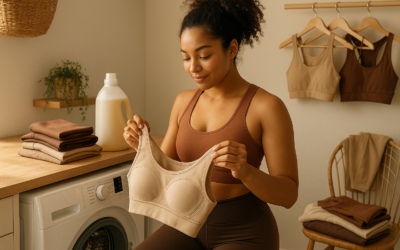
- Wash clothes efficiently: According to EPA WaterSense program, washing clothes consumes lots of water. Washing with cold water protects cloths and reduces water impact.
Actually, sustainable fashion is a mindset, not just a shopping list. It’s about being more mindful of your consumption habits and making choices that are better for the planet.
The Future of Sustainable Women’s Fashion
So, what does the future hold for sustainable women’s fashion? Well, I think we’re just at the beginning of a major shift. We’ll see:
- More innovation in materials: Expect to see even more exciting plant-based alternatives to traditional fabrics, like pineapple leather (Piñatex) and mushroom leather (Mylo).
- Greater transparency and traceability: Blockchain technology and other tools will make it easier to track the entire supply chain, from raw materials to finished product.
- Increased consumer demand: As more people become aware of the environmental and social impact of fashion, they’ll demand more sustainable options.
- Policy changes: Governments may implement regulations to promote sustainable practices in the fashion industry.
The next few years are critical. It’s important to make conscious decisions. Together, we can create a fashion industry that’s truly sustainable, ethical, and beautiful.
Making the Switch: Tips for Building a Sustainable Wardrobe
Feeling inspired? Ready to start building your own sustainable wardrobe? Great! Here are a few tips to get you started:
- Start small: You don’t have to overhaul your entire wardrobe overnight. Begin by replacing a few key pieces with sustainable alternatives.
- Focus on quality over quantity: Invest in well-made, durable pieces that will last for years.
- Choose versatile pieces: Build a capsule wardrobe of classic items that can be mixed and matched.
- Consider your style: Choose sustainable brands that align with your personal style.
- Be patient: Building a sustainable wardrobe takes time. Don’t get discouraged if you don’t find everything you’re looking for right away.
Think of it as an investment in yourself and the planet. Every conscious choice, no matter how small, makes a difference.
The Role of Technology in Sustainable Fashion
We can’t ignore it: technology is going to play a huge role in the future of sustainable fashion. From AI-powered design tools that minimize waste to blockchain solutions that track a garment’s journey from field to closet, tech is enabling new levels of transparency and efficiency.
For example, some companies are using 3D printing to create custom-fit clothing, reducing the need for mass production and minimizing textile waste. Others are experimenting with lab-grown materials that have a lower environmental impact than traditional fabrics.
The possibilities are endless, and it’s exciting to see how technology can help us create a more sustainable and ethical fashion industry. Let’s not get freaked out by AI replacing artistry because it is amazing when we all work together.
Sustainable Fashion Influencers: Who to Follow
Want to stay up-to-date on the latest trends and tips in sustainable fashion? Follow some inspiring influencers who are leading the way:
- Alden Wicker (@aldenwicker): Journalist and expert on ethical and sustainable fashion.
- Aja Barber (@ajabarber): Writer and consultant focusing on sustainability, ethics, and inclusivity in fashion.
- Natalie Kay Smith (@nataliekayco): Advocate for slow fashion and mindful consumption.
- Brittany Bathgate (@brittanybathgate): Minimalist style and sustainable living enthusiast.
They’re all great resources for learning more about sustainable fashion and finding brands that align with your values.
Final Thoughts: A Call to Conscious Consumerism
Investing in a better world through sustainable fashion is a choice, a commitment, and frankly, a responsibility. It’s about recognizing the impact of our choices and making decisions that are aligned with our values. It’s about supporting brands that are doing things the right way and demanding more from those that aren’t.
The fashion industry has the potential to be a force for good, creating jobs, empowering communities, and protecting the planet. But it requires a collective effort – from brands, designers, and consumers alike.
So, next time you’re shopping for clothes, take a moment to consider the impact of your purchase. Ask questions, do your research, and support brands that are making a difference. Let’s wear our values!
FAQ: Your Sustainable Fashion Questions Answered
Disclaimer
This article is for informational purposes only and does not constitute financial advice. The listed sustainable fashion brands are examples and are not exhaustive. Always conduct your own thorough research before making any purchasing decisions. The author and publisher are not responsible for any outcomes resulting from the use of this information.
// JavaScript to handle FAQ accordion functionality
document.addEventListener(‘DOMContentLoaded’, function() {
const faqItems = document.querySelectorAll(‘.faq-item’);
faqItems.forEach(item => {
const question = item.querySelector(‘.faq-question’);
question.addEventListener(‘click’, () => {
// Close other open items
faqItems.forEach(otherItem => {
if (otherItem !== item && otherItem.classList.contains(‘active’)) {
otherItem.classList.remove(‘active’);
}
});
item.classList.toggle(‘active’);
});
});
});
Categories
- Activewear (160)
- Athletic Jackets (12)
- Comfortable Leggings (14)
- Cozy Joggers (15)
- Functional Sports Shorts (20)
- Stylish Tank Tops (20)
- Supportive Sports Bras (20)
- Yoga Pants (20)
- Yoga Tops (18)
- Bottoms (43)
- Classic Capris (4)
- Comfortable Leggings (4)
- Fashion Shorts (3)
- Skirts (12)
- Stylish Jeans (4)
- Stylish Overalls (4)
- Tailored Trousers (4)
- Unique Jumpsuits (4)
- Curved Fashion (73)
- Dresses (148)
- Boho Dresses (6)
- Casual Dresses (5)
- Cocktail Dresses (4)
- Evening Dresses (10)
- Floral Dresses (15)
- Little Black Dresses (6)
- Maxi Dresses (5)
- Midi Dresses (5)
- Plus-Size Dresses (5)
- Summer Dresses (5)
- Fashion Trends (82)
- Luxury & Designer Archive (94)
- Outfit Inspiration (73)
- Style Guides (67)
- Sustainable Fashion (66)
- Swimwear (122)
- Chic Cover-Ups (6)
- Maternity Swimwear (4)
- One-Piece Swimsuits (5)
- Plus-Size Swimwear (3)
- Stylish Bikinis (7)
- Swim Dresses (6)
- Swim Skirts (7)
- Trendy Tankinis (6)
- Tops (61)
- Button-Down Shirts (4)
- Casual T-Shirts (10)
- Comfortable Hoodies (6)
- Cozy Sweaters (5)
- Elegant Tunics (8)
- Feminine Blouses (8)
- Off-Shoulder Tops (5)
- Stylish Tank Tops (4)
- Trendy Crop Tops (6)
- Travel & Lifestyle Fashion (67)
- Trend Reports Archive (88)
- Workwear & Professional (72)