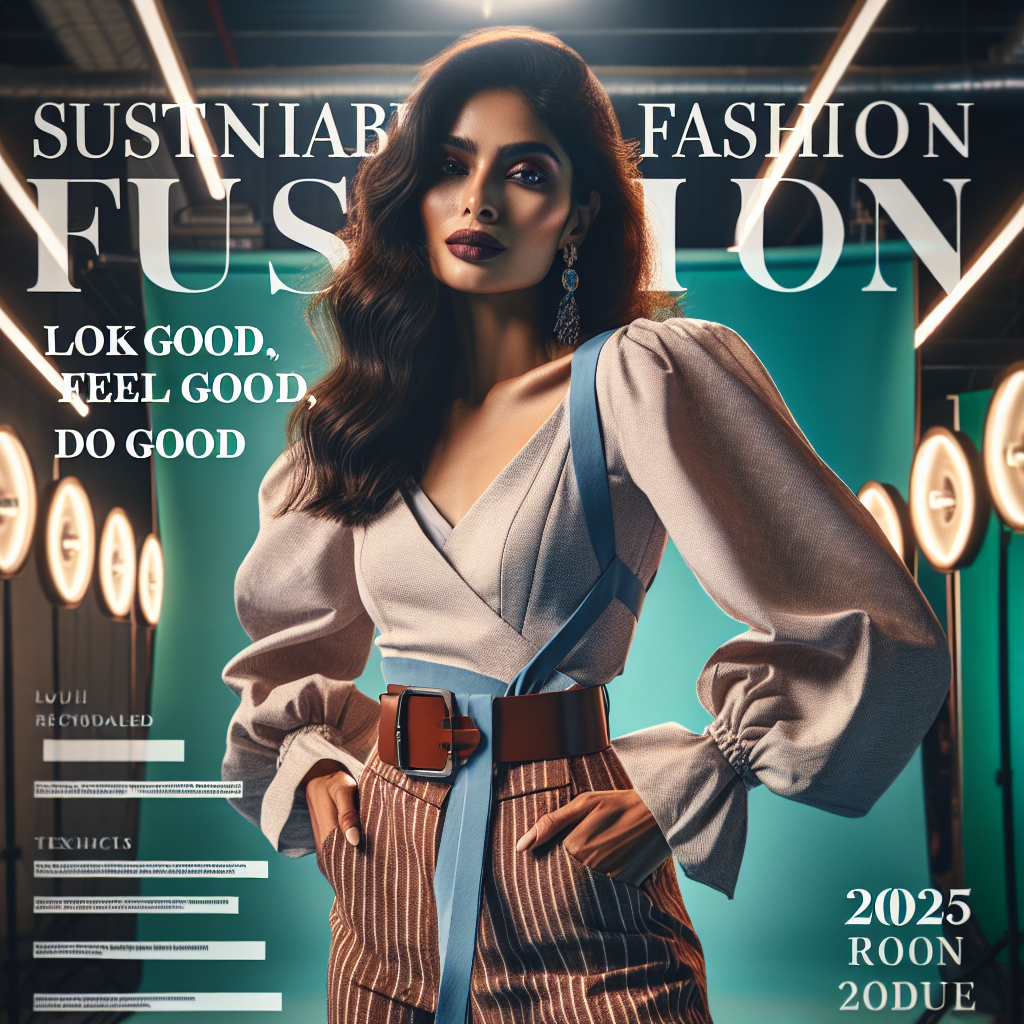
Sustainable Fashion for Women 2025: Look Good, Feel Good, Do Good
Okay, let’s talk fashion. But not just any fashion – *sustainable* fashion. It’s 2025, and honestly, if you’re not at least thinking about where your clothes come from and what impact they have, well, you might be missing a trick. This isn’t just some fleeting trend; it’s a fundamental shift in how we consume and relate to what we wear.
What Exactly is Sustainable Fashion, Anyway?
So, what does “sustainable fashion” even *mean*? It’s essentially fashion that takes into account the entire lifecycle of a garment, from the raw materials used to make it, all the way to its disposal. We’re talking minimal environmental impact, fair labor practices, and a move away from the fast-fashion model that churns out cheap clothes that end up in landfills after a wear or two. Think of it as fashion with a conscience.
Why Should You Even Care? (The Compelling Reasons)
Why should you care, though? Well, for starters, the fashion industry is a *massive* polluter. We are talking about crazy amounts of water waste, toxic chemicals, and carbon emissions.
But it’s not just about the environment, is it? Nope. It’s also about the people making your clothes. Fast fashion often relies on exploitative labor practices, with workers in developing countries toiling away in unsafe conditions for shockingly low wages. Choosing sustainable fashion means supporting ethical production and fairer treatment of garment workers.
- Environmental Impact: Reduces pollution and conserves resources.
- Ethical Labor: Supports fair wages and safe working conditions.
- Quality & Durability: Sustainable garments are often made to last longer.
- Personal Well-being: Feel good about your choices!
Key Trends Shaping Sustainable Fashion in 2025
Alright, so what’s hot in sustainable fashion right now? (Well, 2025, that is!).
Circular Fashion Models: The “Reduce, Reuse, Recycle” of Clothing
Forget linear. Circularity is the name of the game. What does that mean? It’s about designing clothes that can be recycled, repaired, or repurposed, rather than ending up in a landfill. Think clothing rental services, resale platforms, and brands offering repair programs to extend the life of your garments.
Think of it like this: that old denim jacket you love? Maybe it’s seen better days, but instead of tossing it, you can get it repaired, upcycled into something new, or even pass it on to someone else who will give it a new life. It is kind of like breathing new life into old things.
Innovative Materials: Beyond Cotton and Polyester
Cotton and polyester have long dominated the fashion industry, but honestly, they’re not always the most sustainable choices. We’re seeing a rise in innovative materials like:
- Recycled fabrics: Made from plastic bottles, fishing nets, and textile waste.
- Plant-based materials: Think hemp, linen, organic cotton, and even materials made from pineapple leaves (Piñatex) or mushrooms (Mylo).
- Lab-grown materials: Like lab-grown leather, which reduces the need for animal agriculture.
These materials not only reduce our reliance on traditional, resource-intensive fabrics but also offer unique properties and textures. You know what? It’s actually exciting to see what designers are coming up with!
Transparency and Traceability: Knowing Where Your Clothes Come From
Consumers are demanding more transparency from brands. They want to know where their clothes are made, who made them, and what impact the production process has on the environment and communities.
Blockchain technology is playing a bigger role here. It helps track garments from raw materials to finished product, providing a transparent and verifiable record of the entire supply chain. Pretty cool, right?
Personalization and Customization: Clothes Made Just for You
Say goodbye to mass-produced, cookie-cutter fashion! Customization is becoming more popular, with brands offering made-to-order clothing that fits your body and style perfectly. This reduces waste by minimizing the need for returns and ensures you end up with clothes you actually love and wear.
Inclusive Sizing and Representation: Fashion for All
Sustainable fashion should be for everyone, regardless of size, shape, or background. We’re seeing a growing movement towards inclusive sizing and representation in fashion campaigns and advertising. Honestly, it’s about time!
Building Your Sustainable Wardrobe: Practical Tips for 2025
Okay, so you’re convinced. You want to build a more sustainable wardrobe. Where do you even start?
Assess What You Already Have: Love It or Lose It
Before you buy anything new, take a good look at what you already have. What do you love? What do you actually wear? What can be repaired or repurposed? Donate or sell the items you no longer need.
Seriously, it’s amazing how much we accumulate without even realizing it. A good closet clean-out can be incredibly liberating!
Shop Secondhand: The Thrill of the Find
Thrift stores, vintage shops, and online resale platforms are treasure troves of unique and affordable clothing. You can find high-quality, pre-loved garments at a fraction of the original price while giving them a new life.
Here’s the thing: secondhand shopping isn’t just about saving money. It’s also about finding unique pieces that express your personal style. And who knows? You might stumble upon a vintage gem that no one else has!
Check out sites like ThredUp for a wide selection of secondhand clothing.
Invest in Quality Pieces: Buy Less, Choose Well
Instead of buying a bunch of cheap, trendy items, invest in a few well-made, classic pieces that will last for years. Look for durable fabrics, sturdy construction, and timeless designs that won’t go out of style.
Think of it as an investment in your wardrobe – and in the planet. These pieces may cost more upfront, but they’ll save you money in the long run because you will not have to replace them every season.
Support Sustainable Brands: Vote with Your Wallet
There are so many amazing sustainable fashion brands out there! Do your research and support companies that prioritize ethical production, eco-friendly materials, and transparent supply chains.
Here’s a hint: look for certifications like GOTS (Global Organic Textile Standard) or Fair Trade. These certifications ensure that the garments meet certain environmental and social standards.
Take Care of Your Clothes: Make Them Last
Proper care can extend the life of your clothes significantly. Wash them in cold water, avoid harsh detergents, and hang them to dry whenever possible. Learn basic sewing skills to repair minor tears and rips.
Honestly, it’s amazing how much longer your clothes will last if you take care of them! Plus, it is kind of satisfying to fix something yourself, right?
Consider Clothing Swaps and Rentals: Experiment Without Committing
Clothing swaps are a fun and sustainable way to refresh your wardrobe without buying anything new. Gather a group of friends and exchange clothes you no longer wear.
Clothing rental services are also becoming increasingly popular. They allow you to borrow clothes for a specific occasion or period of time, without having to purchase them. This is a great solution for special events or trying out new styles.
The Future of Women’s Fashion: Beyond Sustainability
So, what’s next for women’s fashion? Sustainability is definitely here to stay, but we can expect even more innovation and creativity in the years to come.
Technology Integration: Smart Fabrics and 3D Printing
Imagine clothes that can regulate your body temperature, monitor your health, or even change color with the tap of a button. Smart fabrics are becoming a reality, paving the way for more functional and personalized clothing.
3D printing also has the potential to revolutionize the fashion industry. It allows designers to create custom-fit garments on demand, reducing waste and minimizing the need for mass production.
Community and Collaboration: A Shared Vision
The future of fashion is all about collaboration and community. Designers, brands, and consumers need to work together to create a more sustainable and ethical industry.
We’re seeing more and more initiatives that connect makers, consumers, and activists, fostering a shared vision for a better future. And that’s something we can all get behind, right?
Sustainable Fashion: It’s a Journey, Not a Destination
Building a sustainable wardrobe is a process, not a one-time event. It takes time, effort, and a willingness to change your shopping habits. But honestly, it’s worth it.
Every small step you take – whether it’s buying a secondhand dress, supporting a sustainable brand, or taking better care of your clothes – makes a difference. You can look good, feel good, and do good, all at the same time. Now *that’s* fashion with a purpose!
Want to learn even more about sustainable fashion? Check out the Common Objective website for industry insights and resources.
FAQ: Your Burning Questions About Sustainable Fashion Answered
DISCLAIMER
Please note that while we strive to provide accurate and up-to-date information, the fashion industry is constantly evolving. The tips and resources mentioned in this article are for informational purposes only and should not be considered financial or professional advice. Always do your own research and make informed decisions based on your individual needs and circumstances.
document.addEventListener(‘DOMContentLoaded’, function() {
const faqItems = document.querySelectorAll(‘.faq-item’);
faqItems.forEach(item => {
const question = item.querySelector(‘.faq-question’);
question.addEventListener(‘click’, function() {
item.classList.toggle(‘active’);
});
});
});
Categories
- Activewear (160)
- Athletic Jackets (12)
- Comfortable Leggings (14)
- Cozy Joggers (15)
- Functional Sports Shorts (20)
- Stylish Tank Tops (20)
- Supportive Sports Bras (20)
- Yoga Pants (20)
- Yoga Tops (18)
- Bottoms (43)
- Classic Capris (4)
- Comfortable Leggings (4)
- Fashion Shorts (3)
- Skirts (12)
- Stylish Jeans (4)
- Stylish Overalls (4)
- Tailored Trousers (4)
- Unique Jumpsuits (4)
- Curved Fashion (73)
- Dresses (148)
- Boho Dresses (6)
- Casual Dresses (5)
- Cocktail Dresses (4)
- Evening Dresses (10)
- Floral Dresses (15)
- Little Black Dresses (6)
- Maxi Dresses (5)
- Midi Dresses (5)
- Plus-Size Dresses (5)
- Summer Dresses (5)
- Fashion Trends (82)
- Luxury & Designer Archive (94)
- Outfit Inspiration (73)
- Style Guides (67)
- Sustainable Fashion (66)
- Swimwear (122)
- Chic Cover-Ups (6)
- Maternity Swimwear (4)
- One-Piece Swimsuits (5)
- Plus-Size Swimwear (3)
- Stylish Bikinis (7)
- Swim Dresses (6)
- Swim Skirts (7)
- Trendy Tankinis (6)
- Tops (61)
- Button-Down Shirts (4)
- Casual T-Shirts (10)
- Comfortable Hoodies (6)
- Cozy Sweaters (5)
- Elegant Tunics (8)
- Feminine Blouses (8)
- Off-Shoulder Tops (5)
- Stylish Tank Tops (4)
- Trendy Crop Tops (6)
- Travel & Lifestyle Fashion (67)
- Trend Reports Archive (88)
- Workwear & Professional (72)