Dress Well, Do Good: Sustainable Fashion Brands Empowering Women in 2025
Okay, so imagine it’s 2025. Flying cars? Maybe not. But the fashion scene? Absolutely buzzing with brands that are not only stylish but also champions of women’s empowerment and eco-consciousness. It’s not just about looking good; it’s about feeling good about what you’re wearing and the impact it has. Think of it as fashion with a soul – clothes that tell a story of ethics and empowerment alongside their aesthetic appeal.
The Rise of Ethical Fashion: More Than Just a Trend
Here’s the thing: ethical fashion isn’t just a passing fad. It’s a genuine shift in how we think about clothes, how they’re made, and who makes them. Remember that documentary you watched about fast fashion? Yeah, the one that left you feeling guilty about every cheap T-shirt you ever bought? Well, that guilt is turning into action. People are demanding more transparency and sustainability, and clever brands are stepping up to answer that call.
We’re seeing a massive boost in brands focused on fair labor practices, reducing waste, and using eco-friendly materials. It’s all part of a bigger picture: a conscious effort to clean up a notoriously dirty industry. For instance, some brands are using innovative materials like pineapple leaf fiber (Piñatex) or recycled ocean plastic to create stunning pieces. This isn’t just about being “green”; it’s about reimagining the whole process from start to finish.
Spotlight on Trailblazing Brands: Who’s Leading the Charge?
So, who are the rock stars of this ethical fashion revolution? Let’s talk about a few names that are really shaking things up.
- Stella McCartney: A long-time advocate for sustainable luxury, Stella McCartney continues to set the gold standard. From using recycled cashmere to pioneering innovative vegan leather alternatives, her brand proves that high fashion can be ethical.
- Eileen Fisher: Known for her minimalist designs and commitment to sustainability, Eileen Fisher is a true pioneer. Her Renew program takes back worn clothing and repurposes it, reducing waste and giving garments a new life.
- People Tree: A fair trade pioneer, People Tree has been working with artisans and farmers for over two decades. They focus on creating beautiful, ethically made clothing while empowering marginalized communities.
- Patagonia: Originally known for outdoor gear, Patagonia has become a champion of environmental activism and responsible manufacturing. Their Worn Wear program encourages customers to repair and recycle their clothing, extending its lifespan and reducing environmental impact.
These brands aren’t just about selling clothes; they’re about building a movement. They’re using their platforms to raise awareness, advocate for change, and inspire other companies to follow suit. It’s a ripple effect – and a much-needed one at that.
Empowering Women: Fashion as a Force for Good
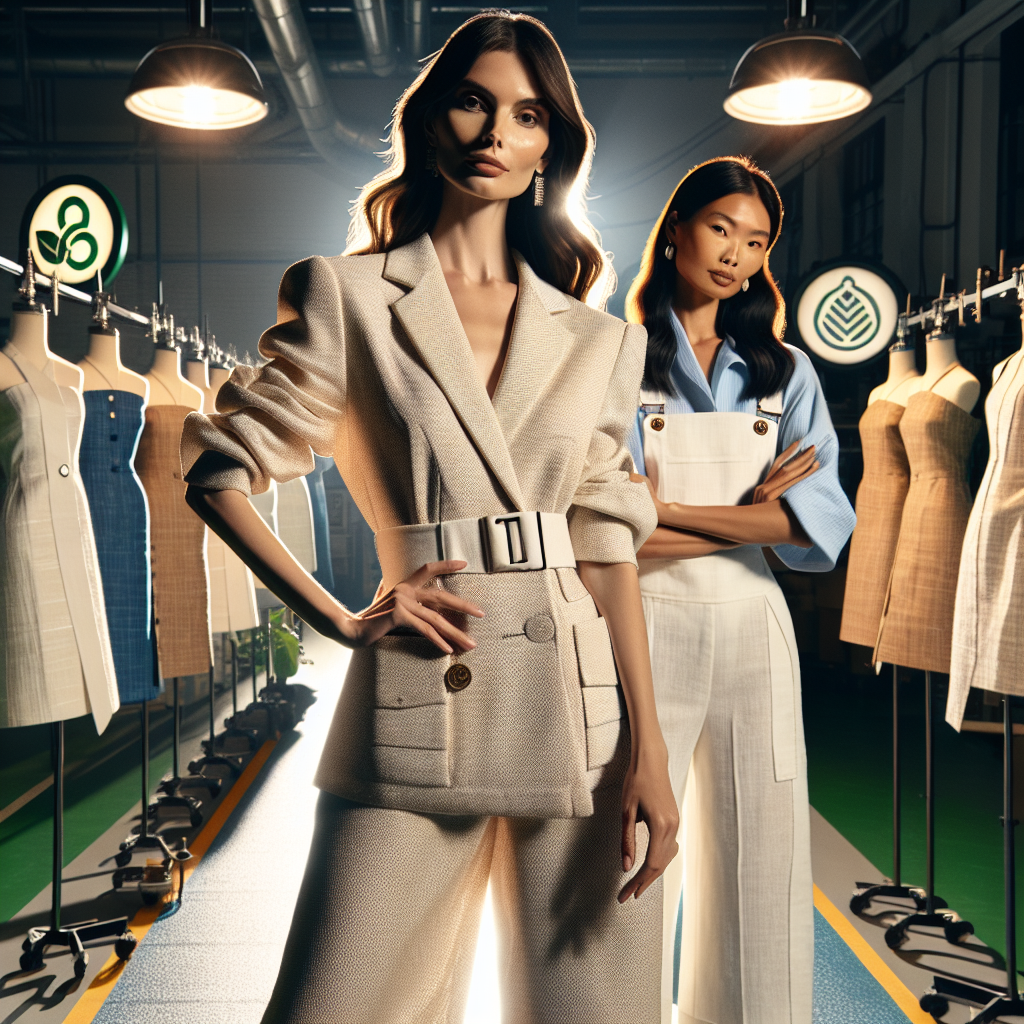
Now, let’s get to the heart of the matter: empowering women. The fashion industry, particularly in developing countries, has often been plagued by exploitative labor practices. But the brands we’re talking about are flipping the script. They’re creating opportunities for women to thrive, providing fair wages, safe working conditions, and access to education and training. You know what? That’s something to be proud of.
For example, there are brands working directly with women artisans in rural communities, providing them with the skills and resources they need to build sustainable livelihoods. These initiatives not only empower women economically, but also help preserve traditional crafts and cultural heritage. It’s a win-win situation: beautiful clothes, empowered women, and a boost to local economies.
Moreover, many of these brands are led by women who are passionate about creating a more equitable industry. They’re using their influence to challenge the status quo, advocate for fair labor practices, and create a more inclusive and diverse fashion landscape. It’s about time, right?
Sustainable Materials: The Future of Fabrics
What about the materials themselves? Well, that’s where things get really interesting. The industry is buzzing with innovation as brands explore new, sustainable alternatives to traditional fabrics. Think organic cotton, recycled polyester, and innovative materials like Tencel (made from sustainably sourced wood pulp) and Piñatex (yes, from pineapple leaves!).
These materials not only reduce the environmental impact of clothing production, but also often have unique properties that make them even better than traditional fabrics. For example, Tencel is incredibly soft and breathable, while recycled polyester helps reduce plastic waste. It’s like a perfect blend of sustainability and performance.
And it’s not just about finding new materials; it’s also about improving the way we process existing ones. Brands are investing in water-saving dyeing techniques, reducing chemical use, and implementing closed-loop systems that minimize waste. It’s all about creating a more circular economy where resources are used and reused responsibly. It’s complicated, I know, but it makes such a difference when things are done right.
Transparency and Traceability: Knowing Your Clothes
In 2025, transparency is no longer a buzzword – it’s an expectation. Consumers want to know where their clothes come from, who made them, and what impact they have on the environment and society. And brands are responding by providing more detailed information about their supply chains, manufacturing processes, and ethical practices.
We’re seeing the rise of technologies like blockchain, which can track the journey of a garment from raw material to finished product, ensuring transparency and accountability at every stage. This not only helps consumers make informed choices, but also helps brands identify and address issues in their supply chains.
Plus, it builds trust. Let me explain: when a brand is open and honest about its practices, it’s more likely to connect with customers who share its values. It’s about creating a community of people who are passionate about fashion and committed to making a positive impact. Brands need to be able to answer the tough questions, or people just won’t buy what they’re selling. Honestly, it’s that simple.
The Role of Technology: Innovation in Sustainable Fashion
Technology is playing a huge role in driving sustainability in the fashion industry. From 3D printing to artificial intelligence, new technologies are transforming the way clothes are designed, manufactured, and consumed. Think about it: those brands using AI and data analytics, they can better predict demand, optimize production, and reduce waste. On the other hand, some brands are experimenting with 3D printing to create custom-fit clothing, minimizing the need for mass production and reducing the risk of unsold inventory.
And let’s not forget about virtual reality and augmented reality. These technologies are offering new ways for consumers to experience fashion, allowing them to try on clothes virtually, explore different styles, and get personalized recommendations. It’s like having a personal stylist in your pocket – but without the environmental impact of shipping multiple items back and forth.
Consumer Power: Making Conscious Choices
Here’s the thing: as consumers, we have the power to drive change. By choosing to support sustainable and ethical brands, we can send a powerful message to the industry. It’s about voting with our wallets and demanding better practices from the companies we support. When we buy something, we’re also buying into a set of values. What do your clothes say about you?
So, what can you do? Start by doing your research. Look for brands that are transparent about their practices, use sustainable materials, and prioritize fair labor. Read labels, ask questions, and support companies that align with your values. And don’t underestimate the power of secondhand shopping, clothing swaps, and repairing your existing clothes. These small actions can add up to make a big difference.
Changing attitudes is essential to the whole process of sustainable and ethical fashion. What can you do?
- Educate Yourself: Understand the issues surrounding fast fashion and the benefits of sustainable practices.
- Shop Mindfully: Choose quality over quantity and invest in pieces that will last.
- Support Ethical Brands: Look for certifications like Fair Trade and GOTS (Global Organic Textile Standard).
- Embrace Secondhand: Explore thrift stores, consignment shops, and online platforms for pre-loved clothing.
- Care for Your Clothes: Wash clothes less often and repair them when needed to extend their lifespan.
The Future of Fashion: A Vision for 2025 and Beyond
So, looking ahead to 2025, what does the future of fashion look like? I believe it’s a future where sustainability and ethics are no longer niche concepts, but the norm. A future where clothes are made with respect for the planet and the people who make them. A future where transparency and traceability are standard practice, and consumers have the information they need to make informed choices. A future where fashion is a force for good, empowering women, preserving cultural heritage, and promoting a more equitable and sustainable world.
It’s a big vision, but it’s within reach. By supporting the brands that are leading the way, demanding better practices from the industry, and making conscious choices as consumers, we can help make this vision a reality. Let’s not forget, clothing can not only be beautiful and stylish. Clothing can be a tool for empowerment, change, and the future we need.
FAQ: Your Burning Questions Answered
Disclaimer
Please note that the information provided in this article is for general informational purposes only and does not constitute professional advice. The fashion industry is constantly evolving, and the practices of specific brands may change over time. It is always best to do your own research and make informed decisions based on your personal values and preferences.
Always verify claims of sustainability and ethical practices directly with brands and independent certification organizations.
const accHeaders = document.querySelectorAll(“.accordion-header”);
accHeaders.forEach(header => {
header.addEventListener(“click”, function() {
const content = this.nextElementSibling;
// Close all other accordions
document.querySelectorAll(‘.accordion-content’).forEach(otherContent => {
if (otherContent !== content) {
otherContent.style.display = ‘none’;
}
});
// Toggle the clicked accordion
content.style.display = content.style.display === “block” ? “none” : “block”;
});
});
Categories
- Activewear (160)
- Athletic Jackets (12)
- Comfortable Leggings (14)
- Cozy Joggers (15)
- Functional Sports Shorts (20)
- Stylish Tank Tops (20)
- Supportive Sports Bras (20)
- Yoga Pants (20)
- Yoga Tops (18)
- Bottoms (43)
- Classic Capris (4)
- Comfortable Leggings (4)
- Fashion Shorts (3)
- Skirts (12)
- Stylish Jeans (4)
- Stylish Overalls (4)
- Tailored Trousers (4)
- Unique Jumpsuits (4)
- Curved Fashion (73)
- Dresses (148)
- Boho Dresses (6)
- Casual Dresses (5)
- Cocktail Dresses (4)
- Evening Dresses (10)
- Floral Dresses (15)
- Little Black Dresses (6)
- Maxi Dresses (5)
- Midi Dresses (5)
- Plus-Size Dresses (5)
- Summer Dresses (5)
- Fashion Trends (82)
- Luxury & Designer Archive (94)
- Outfit Inspiration (73)
- Style Guides (67)
- Sustainable Fashion (66)
- Swimwear (122)
- Chic Cover-Ups (6)
- Maternity Swimwear (4)
- One-Piece Swimsuits (5)
- Plus-Size Swimwear (3)
- Stylish Bikinis (7)
- Swim Dresses (6)
- Swim Skirts (7)
- Trendy Tankinis (6)
- Tops (61)
- Button-Down Shirts (4)
- Casual T-Shirts (10)
- Comfortable Hoodies (6)
- Cozy Sweaters (5)
- Elegant Tunics (8)
- Feminine Blouses (8)
- Off-Shoulder Tops (5)
- Stylish Tank Tops (4)
- Trendy Crop Tops (6)
- Travel & Lifestyle Fashion (67)
- Trend Reports Archive (88)
- Workwear & Professional (72)