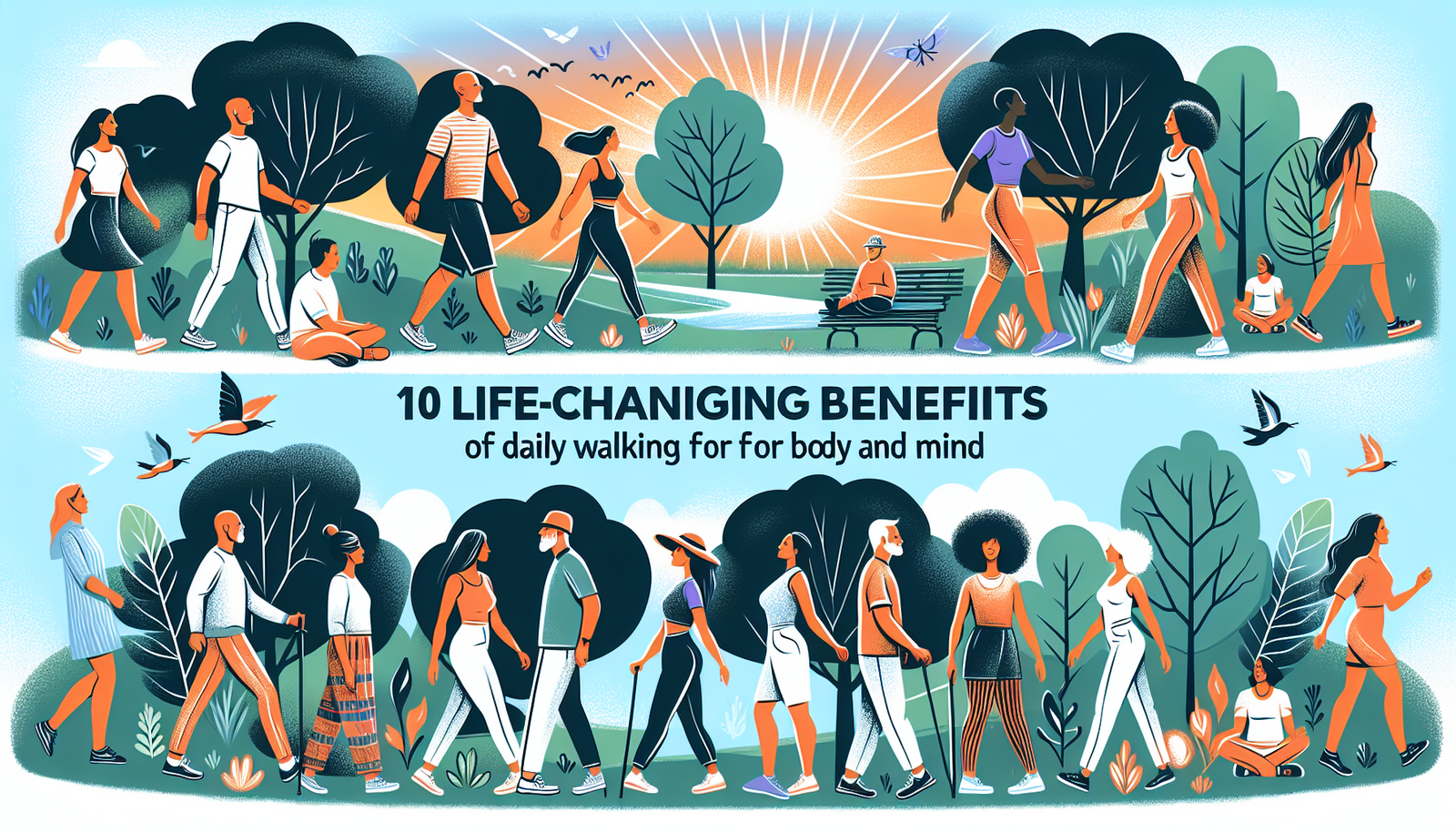
Picture this: You’re out for a stroll on a crisp autumn morning, leaves crunching underfoot, the world waking up around you. No gym membership required. No fancy gear. Just you, your sneakers, and the simple act of putting one foot in front of the other. Sounds too good to be true? Here’s the thing—daily walking isn’t just exercise; it’s a game-changer for your body and mind. I’ve seen friends transform their lives with nothing more than a 30-minute habit. And science backs it up. Studies show consistent walking slashes risks for everything from heart disease to depression. But let’s not get ahead of ourselves. Stick with me as we unpack ten benefits that’ll make you lace up today.
Explore Comfortable Leggings
1. Your Heart Gets a Serious Upgrade
Let’s kick things off with the obvious winner: your ticker. Walking briskly for 30 minutes most days strengthens your heart muscle, just like pumping iron does for your biceps. Blood flows smoother. Pressure drops. Ever wonder why doctors nag you about steps? It’s because research from the Harvard Health shows walkers cut heart disease risk by up to 30%. I remember my uncle, a couch potato for years, who started walking after a scare. Ten pounds lighter, blood pressure normalized—no meds needed. Crazy, right? And it’s not all sweat; gentle paces work too, especially if you’re easing in post-holidays.
Think of your arteries as highways. Walking clears the traffic jams of plaque buildup. Lower cholesterol. Fewer clots. You’ll feel it in fewer palpitations during stress at work. Here’s a tip: Track with a Fitbit or phone app. Aim for 7,000-10,000 steps. Your heart will whisper thanks every beat.
2. Weight Management Becomes a Breeze
Struggling with the scale? Walking torches calories without the dread of treadmill sprints. A 150-pound person burns about 300 calories in an hour—steady, sustainable fat loss. Combine it with real food (think veggies over vending machines), and pounds melt. My neighbor dropped 20 last year, mostly from neighborhood loops while podcasts played.
Why does it stick? Walking curbs hunger hormones like ghrelin. No crash diets here. It’s forgiving—if you miss a day, no biggie. Pair with strength moves twice weekly for muscle that revs your metabolism. Suddenly, holiday cookies don’t haunt you. You know what? It’s freeing to enjoy life without constant restriction.
3. Stress and Anxiety Take a Backseat
Life’s chaos got you wound tight? Walking releases endorphins—nature’s chill pills. That post-stroll glow? It’s real. A Mayo Clinic review links it to lower cortisol, the stress hormone wrecking your sleep and waistline. I use walks to unpack work gripes; thoughts untangle mid-stride.
Sometimes it feels like therapy on the cheap. Breathe deep. Notice birdsong. Worries fade. For urban folks, city parks double as mental resets. Even rainy days? Umbrella up, mood down less.
4. Brain Fog Lifts, Focus Sharpens
Ever stare at your screen, mind blank? Walking pumps oxygen-rich blood to your brain, sparking new neurons via BDNF—a growth factor. Stanford studies say it boosts creativity too. Writers block? Try a lap around the block.
It’s like hitting refresh. Students swear by pre-exam walks; retention skyrockets. For parents juggling chaos, it’s a solo sanity break. Digression: Fall walks with changing leaves? Pure poetry for the soul. Returns you clearer, kinder even.
5. Bones and Muscles Toughen Up
Forget brittle bones or weak legs—walking’s weight-bearing magic builds density. Post-40, we lose 1% yearly; daily strides reverse that. Legs, core, posture—all firmer. Grandma’s secret? Mall walking groups.
Low-impact means joint-friendly. Arthritis? Gentler than running. Add hills for glute burn. You’ll stand taller, aches fewer. Irony: The lazier activity fights sedentary slump best.
6. Sleep Turns Sweet and Deep
Tossing at night? Evening walks sync your circadian rhythm. Harvard data: Walkers fall asleep faster, stay down longer. No pills. Just motion exposing you to daylight cues.
Melatonin flows better. Deep REM for recharge. Jet lag? Walk it off abroad. Hot tip: Morning jaunts beat afternoon slumps. Wake refreshed, not groggy. Who needs coffee IVs?
7. Immunity Gets Battle-Ready
Colds circling? Walking moderates immune cells—fewer sick days. A British Journal study followed walkers; sniffles dropped 40%. Lymphatic flush fights bugs.
Winter warrior mode. Fresh air bonus. Flu season? Stride through unscathed. Beyond colds, cancer risk dips from inflammation drop. Small habit, huge shield.
8. Energy Levels Soar All Day
Paradox alert: Moving more banishes fatigue. Mitochondria multiply, ATP pumps harder. Afternoon drag? Gone. Desk jockeys, listen—post-lunch walks crush crashes.
It’s momentum. Start slow, build stamina. Weekend hikes? Payoff in vitality. Feel alive, not surviving.
9. Chronic Ills Stay Knocked Out
Diabetes? Stroke? Walking stabilizes blood sugar, cuts type 2 risk 50% per American Diabetes Association. Colon cancer down too—from movement’s detox.
Broad stroke: Overall mortality drops 20-30%. CDC endorses it. Prevention trumps cure. Family history? Walk now.
10. Longevity and Joy Multiplied
The big one: Walkers live longer, happier. Blue Zones centenarians walk daily. Telomeres lengthen; cells renew. Social walks bond too—laughter lines over wrinkle cream.
Legacy in steps. Grandkids chase you easier. It’s joyful aging. What price freedom? Pennies in sneakers.
Wrapping up, walking weaves these wins into one thread. Start small—10 minutes. Build. Your future self nods approval. Ready to step up?
How many steps or minutes daily for benefits?
Aim for 30 minutes or 7,000-10,000 steps most days. Beginners? 15 minutes counts—build up.
Is walking enough exercise alone?
Yes for basics, but add strength twice weekly for muscle. It’s foundational.
What if I have joint pain?
Start slow, flat surfaces. Water walking or doctor chat first. Low-impact shines here.
Best time to walk?
Morning for energy, evening for sleep. Consistency beats perfection.
Can I walk indoors?
Absolutely—treadmill, mall, hallway laps. Outdoors edges it with nature boost.
Does pace matter?
Brisk is best (talk but not sing). Vary: some easy, some faster for heart kick.
Disclaimer
This article shares general info on walking benefits, based on studies. It’s not medical advice. Check with your doctor before starting, especially with health conditions, injuries, or pregnancy. Results vary by person.